menu

Roof Ventilation Explained in Memphis – Science-Backed Solutions for a Healthier, More Efficient Home

Learn the principles of attic ventilation and how proper roof airflow protects your Memphis home from heat damage, moisture buildup, and premature roof failure with expert guidance from Evergreen Roofing Memphis.

Slider Image 1
Slider Image 2
Slider Image 3
Slider Image 4
Slider Image 5
Slider Image 7
Slider Image 8
Slider Image 9
Slider Image 10
Slider Image 11

Why Roof Ventilation Matters More in Memphis Than You Think

Memphis sits at the intersection of extreme heat and humidity. Summer temperatures regularly push past 95 degrees, and the humid subtropical climate means your attic can trap moisture like a sponge. Without proper ventilation, that trapped heat and moisture create a perfect storm for roof damage.

Most homeowners do not realize their attic can reach 150 degrees on a July afternoon. That heat radiates down into your living space, forcing your air conditioner to work overtime. The moisture problem is worse. Memphis gets over 50 inches of rain per year, and when warm, humid air meets your cooler attic space in spring and fall, condensation forms. That condensation rots roof decking, breeds mold, and destroys insulation.

Understanding roof airflow starts with knowing the basics. Hot air rises. Your roof needs a way to let that hot air escape (exhaust vents at the ridge or gable) and a way to pull in cooler air from below (intake vents at the soffits or eaves). This continuous air exchange is how roof ventilation works.

The principles of attic ventilation are simple but critical. You need balanced intake and exhaust. You need enough total vent area for your attic size. You need unobstructed airflow paths. When any of these fail, your roof suffers. In Memphis, where heat and humidity are relentless, proper ventilation is not optional. It is survival.

Memphis homeowners in Midtown, Cooper-Young, and East Memphis often discover ventilation problems only after noticing curled shingles, ice dams in rare freezes, or sky-high energy bills. By then, damage is already done.

Why Roof Ventilation Matters More in Memphis Than You Think
How Roof Ventilation Actually Works in Your Memphis Home

How Roof Ventilation Actually Works in Your Memphis Home

Roof ventilation is a system, not a single component. You have intake vents low on the roof (usually soffit vents or drip edge vents) and exhaust vents high on the roof (ridge vents, box vents, or powered attic fans). The intake pulls fresh air in, the exhaust pushes stale air out, and the temperature difference creates natural convection.

This attic ventilation guide breaks it down. Intake vents should make up about 50 percent of your total vent area. Exhaust vents make up the other 50 percent. This balance prevents negative pressure, which can pull conditioned air from your living space or create backdrafts.

In Memphis, the most effective systems use continuous ridge vents paired with continuous soffit vents. Ridge vents run the length of your roof peak and exhaust hot air evenly. Soffit vents run along the eaves and provide consistent intake. This combination creates a natural airflow path from eave to ridge, following the slope of your roof.

Powered attic fans can help, but they require electricity and can actually cause problems if your intake vents are insufficient. The fan pulls air from wherever it can, which might mean pulling conditioned air through gaps in your ceiling or backdrafting your water heater.

Baffles are another critical component. These foam or cardboard channels attach between your roof rafters and keep insulation from blocking soffit vents. Without baffles, blown-in insulation creeps into the eave space and chokes off your intake. You end up with zero airflow and all the problems that follow.

Evergreen Roofing Memphis evaluates the entire ventilation system during roof inspections. We measure attic square footage, calculate required vent area, check baffle placement, and verify balanced intake and exhaust. Most ventilation failures happen because one part of the system is missing or undersized.

What to Expect When We Assess Your Ventilation System

Roof Ventilation Explained in Memphis – Science-Backed Solutions for a Healthier, More Efficient Home
01

Attic Inspection and Measurement

We start by accessing your attic and measuring square footage. You need one square foot of net free ventilation area for every 150 square feet of attic space. We check for signs of ventilation failure like wet insulation, rusted nails, mold growth, or wood staining. We also measure attic temperature and compare it to outdoor temperature to identify heat buildup problems.
02

Vent Area Calculation

Next, we count and measure all existing vents. Each vent type has a net free area rating, which accounts for screens and louvers that reduce airflow. We total your intake area and exhaust area separately, then compare both to the required area. This reveals whether you need more vents, better vents, or a complete redesign to achieve balanced airflow.
03

Custom Ventilation Plan

We create a tailored plan to fix your specific ventilation problems. This might include adding ridge vents, installing soffit vents, placing baffles, or removing old box vents that compete with ridge vents. We explain the reasoning behind each recommendation and show you how the improved system will reduce energy costs, extend roof life, and prevent moisture damage in Memphis conditions.

Why Memphis Homeowners Trust Evergreen Roofing Memphis for Ventilation Solutions

Memphis roofs face unique challenges. The combination of intense summer heat, high humidity, and occasional winter freezes demands ventilation systems designed for extreme variability. Cookie-cutter ventilation plans from national chains do not account for local climate. We do.

Evergreen Roofing Memphis understands how Memphis weather affects your roof. We know the historic homes in Central Gardens have limited soffit space and require creative intake solutions. We know the ranch homes in Hickory Hill often have inadequate ridge venting. We know the newer builds in Cordova sometimes have improperly installed baffles that block airflow.

We also understand Memphis building codes. The International Residential Code requires specific ventilation ratios, and local inspectors enforce those standards during new construction and major renovations. If your ventilation system does not meet code, you face failed inspections and potential insurance issues. We design and install systems that pass inspection the first time.

Our team has worked on thousands of Memphis roofs. We have seen what happens when ventilation fails. We have replaced rotted roof decking in homes less than ten years old because trapped moisture destroyed the wood. We have diagnosed mold problems that started in poorly ventilated attics. We have shown homeowners energy bills that dropped by 20 percent after proper ventilation installation.

Local knowledge matters. We know which roofing materials work best with specific vent types in Memphis. We know how to retrofit ventilation into older homes without compromising architectural integrity. We know when powered attic fans make sense and when they create more problems than they solve.

You deserve a roofing company that treats ventilation as a science, not an afterthought. We provide detailed ventilation assessments, transparent explanations, and solutions that actually work in Memphis conditions.

What You Get When You Work With Evergreen Roofing Memphis

Fast Scheduling and Transparent Timelines

We schedule attic inspections within days, not weeks. Most ventilation assessments take 60 to 90 minutes. You get a written report the same day, including photos, measurements, and recommended solutions. If you approve ventilation upgrades, we typically complete installation within one to two weeks depending on scope. Simple additions like ridge vents or soffit vents take one day. Full ventilation retrofits on larger homes take two to three days. We provide clear timelines upfront and stick to them.

Thorough Assessment and Custom Solutions

Our inspection goes beyond counting vents. We check insulation depth and placement, measure attic temperature differentials, inspect roof decking for moisture damage, verify baffle installation, and test for adequate airflow. We explain why your current system fails and how our proposed solution fixes those specific problems. You understand exactly what we found, why it matters, and what we will do to correct it. No generic sales pitches. No upselling unnecessary work. Just honest diagnosis and targeted fixes.

Quality Installation That Lasts

We use commercial-grade vents designed for longevity. Ridge vents get properly cut openings and sealed edges to prevent leaks. Soffit vents get installed with adequate spacing and secure fastening. Baffles get stapled between every rafter to maintain airflow channels. We match vent colors to your existing roof and siding for a cohesive appearance. Every installation follows manufacturer specifications and local building codes. The result is a ventilation system that works efficiently and looks professional, not a patchwork of mismatched vents.

Ongoing Support and Follow-Up

After installation, we verify proper airflow and balanced ventilation. We provide maintenance guidance, including how often to check soffit vents for blockages and when to inspect attic conditions. We recommend follow-up inspections after severe weather to confirm vent integrity. If you experience any ventilation-related issues, we respond quickly to diagnose and resolve problems. Our goal is long-term performance, not one-time installation. You get a partner who cares about your roof health for years to come.

Frequently Asked Questions

You Have Questions,
We Have Answers

How does a roof ventilation system work? +

A roof ventilation system moves air through your attic using intake vents at the soffits and exhaust vents near the ridge. Cool air enters low, pushes hot air out high. This continuous airflow prevents heat buildup in summer and moisture accumulation in winter. In Memphis, where humidity climbs during warmer months, proper airflow stops condensation that leads to mold and wood rot. The system relies on natural convection or mechanical fans. Without both intake and exhaust working together, you get stagnant air that damages insulation and shortens shingle life.

What is the proper ventilation for a roof? +

Proper roof ventilation balances intake and exhaust vents in a 1:1 ratio. You need equal square footage of soffit vents (intake) and ridge or gable vents (exhaust). The standard is 1 square foot of net free ventilation area per 150 square feet of attic space, or 1:300 with a vapor barrier. Memphis homes benefit from this balance to combat humidity. Mixing vent types (like ridge vents with box vents) can disrupt airflow patterns. Stick to one exhaust system for best results.

What is the 1 to 300 rule for ventilation? +

The 1 to 300 rule states you need 1 square foot of net free ventilation area for every 300 square feet of attic floor space, assuming you have a proper vapor barrier installed. This reduces the ventilation requirement compared to the older 1:150 rule. Split that area evenly between intake and exhaust. A 1,500 square foot attic needs 5 square feet total, meaning 2.5 square feet of intake and 2.5 of exhaust. Always verify your vapor barrier quality before applying this reduced ratio.

What are the rules for roof ventilation? +

Roof ventilation follows three core rules. First, balance intake (soffit) with exhaust (ridge or gable). Second, meet minimum requirements of 1:150 or 1:300 depending on vapor barriers. Third, avoid mixing exhaust types that create competing airflow patterns. Memphis building codes align with International Residential Code standards. Never block soffit vents with insulation. Keep exhaust vents clear of debris. Space box vents evenly if using them. Proper installation prevents moisture damage and extends roof life by 10 to 15 years.

Why don't people use attic fans anymore? +

People stopped using powered attic fans because they often pull conditioned air from living spaces through ceiling gaps, wasting energy. They also create negative pressure that can backdraft combustion appliances. Passive ventilation (ridge and soffit vents) works reliably without electricity and costs nothing to operate. Memphis homeowners see better results with balanced passive systems that move air naturally. Powered fans made sense decades ago when homes had poor insulation, but modern building practices favor continuous ridge venting for consistent, efficient airflow.

Can rain come in through roof vents? +

Rain rarely enters through properly installed roof vents. Ridge vents use baffles and wind deflectors that redirect water while allowing air passage. Box vents and turbines have built-in weather protection. Problems occur when vents are damaged, installed incorrectly, or face driving rain from severe storms. In Memphis, where summer thunderstorms bring heavy downpours, quality installation matters. Check flashing around vent bases annually. If you spot water stains on attic decking near vents, call a professional to inspect seals and flashing integrity.

What happens if a roof isn't vented properly? +

Poor ventilation traps heat and moisture in your attic. Heat buildup reaches 150 degrees in summer, cooking shingles from below and shortening their lifespan by years. Winter moisture from household activities condenses on cold surfaces, rotting wood decking and rafters. Insulation loses effectiveness when wet. Ice dams form as trapped heat melts snow unevenly. In Memphis, high humidity accelerates mold growth in unventilated attics. Energy bills climb as your AC fights superheated attic spaces. Structural damage from rot costs thousands more than proper ventilation installation.

What is the 7 and 7 rule for attics? +

The 7 and 7 rule is a guideline for attic clearance and ventilation coverage. Maintain 7 inches of clearance between insulation and roof decking to allow airflow. Ensure ventilation coverage extends at least 7 feet from the eaves inward. This prevents insulation from blocking soffit vents and maintains proper air channels. Some contractors in Memphis use vent baffles to enforce this spacing. The rule helps balance energy efficiency with moisture control, especially important in climates with temperature swings between seasons.

Do I need vent baffles in every rafter? +

You do not need vent baffles in every rafter bay, but they help maintain consistent airflow where insulation meets the roof deck. Install baffles in bays with soffit vents to prevent insulation from blocking intake air. If you have cathedral ceilings or plan to add blown insulation, baffles become necessary. Memphis attics with dense-pack insulation benefit from baffles every 16 to 24 inches. They create dedicated air channels from soffit to ridge. Skip them only if insulation stays well below the roof deck naturally.

How many roof vents for a 2000 sq ft house? +

A 2,000 square foot house typically needs 13 to 14 square feet of total net free ventilation area, split between intake and exhaust. This translates to about 50 linear feet of ridge vent or eight to ten box vents, paired with adequate soffit venting. Memphis homes may need adjustments based on roof pitch and attic configuration. Steep roofs require fewer vents. Complex rooflines with multiple peaks need strategic placement. Calculate your specific needs using attic square footage, not house square footage. Consult local building codes for exact requirements.

How Memphis Heat and Humidity Make Roof Ventilation Critical for Home Longevity

Memphis summers are brutal on roofs. The city averages 65 days per year above 90 degrees, and humidity stays high even overnight. Your attic becomes a heat trap that damages shingles from below, warps roof decking, and accelerates material breakdown. Without proper ventilation, shingle temperatures can exceed 170 degrees, which voids most manufacturer warranties. The principles of attic ventilation directly impact how long your roof lasts. Homes in Germantown, Collierville, and Bartlett with inadequate ventilation often need roof replacement five to seven years early. That costs thousands in preventable damage.

Evergreen Roofing Memphis has built relationships throughout Shelby County by solving ventilation problems other contractors ignore. We work with home inspectors, insurance adjusters, and HVAC technicians who trust our assessments. We understand Memphis building department requirements and pass inspections consistently. When you hire us, you get a team that knows the difference between a quick fix and a lasting solution. We prioritize your roof health over short-term profit, and our reputation depends on roofs that perform well in Memphis conditions for decades.
Roofing Services in The Memphis Area

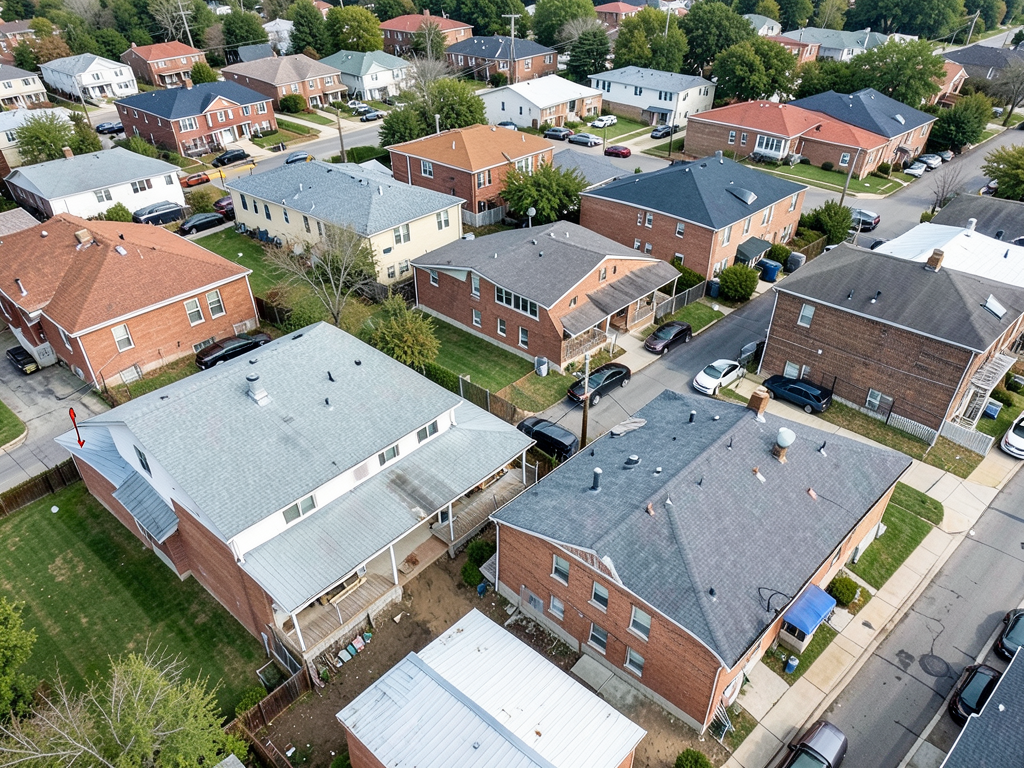
Evergreen Roofing Memphis is strategically located to serve all residential and commercial clients across the entire Memphis metropolitan area and surrounding Mid-South communities. View our central business location on the map to see our service radius, and remember that our dedicated team is always prepared to travel directly to your property to deliver the expert roofing services you need, precisely when you need them.

Address:
Evergreen Roofing Memphis, 333 S Bellevue Blvd, Memphis, TN, 38104

Additional Services We Offer

Our news updates

Latest Articles & News from The Blogs

Emergency Roof Leak Repair in Raleigh TN: Fast Service Without the High Price Tag Roof leaks don’t wait for convenient…

Getting a Fast Roof Leak Patch in Raleigh Without Breaking the Bank

Emergency Roof Leak Repair in Raleigh TN: Fast Service Without the High Price Tag Roof leaks don’t wait for convenient…

Why Your Collierville Home Might Need a Roof Cricket to Stop Water Pooling

Why Your Collierville Home Might Need a Roof Cricket to Stop Water Pooling Water pooling behind your chimney is more…

Checking the Tennessee Contractor License of Your Roofer Before the Work Starts

Checking the Tennessee Contractor License of Your Roofer Before the Work Starts Before you sign a contract with any roofing…

Contact Us

Stop guessing about your attic ventilation. Call Evergreen Roofing Memphis at (901) 669-7399 for a detailed inspection and custom ventilation plan. We identify problems and provide solutions that work in Memphis heat and humidity. Schedule your assessment now.