
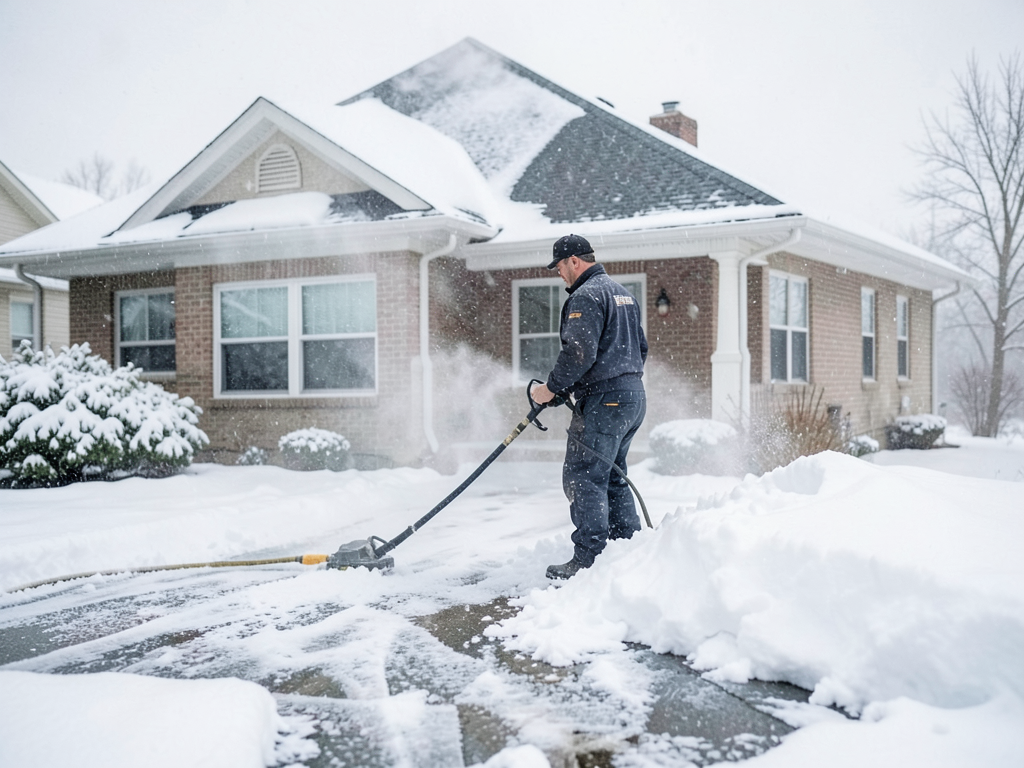
How to safely clear heavy wet snow from your roof during rare Memphis winter storms
When rare winter storms hit Memphis the combination of heavy wet snow and freezing rain creates a perfect storm for roof damage. The weight of wet snow can reach 20 pounds per square foot putting immense pressure on aging Southern roofs not designed for snow loads. Ice dams form when melting snow refreezes at the roof edge blocking proper drainage and forcing water under shingles. This guide walks you through the safe removal process and explains why DIY methods often cause more harm than good. Storm Damage Roof Inspection and Repair in Bartlett.
Understanding Memphis snow risks and ice dam formation
Memphis homes face unique vulnerabilities during winter weather. Most Southern roofs lack the steep pitch and structural reinforcement found in northern climates. When heavy wet snow accumulates on Memphis roofs the freeze-thaw cycle common to Mid-South winters causes repeated expansion and contraction of roofing materials. This process weakens seals around flashing and creates ideal conditions for ice dams. Roofing Lakeland.
Ice dams form when heat escaping from your attic melts the bottom layer of snow. The melted water runs down the roof until it reaches the cold eaves where it refreezes creating a barrier. As this process continues water backs up behind the ice dam and can seep under shingles into your home. The Tennessee State Fire Marshal’s Office warns that ice buildup also creates dangerous conditions for anyone attempting roof access. Tennessee State Fire Marshal’s Office.
Memphis’s humid climate adds another layer of complexity. Moisture trapped under snow can freeze into solid ice sheets that adhere strongly to shingles. Unlike powdery snow common in northern states Memphis typically experiences sleet and freezing rain that bonds to roof surfaces making removal more challenging and potentially damaging.
Warning signs your roof is at risk during a snow event
Recognizing danger signals early can prevent catastrophic failure. Listen for creaking sounds from your ceiling or walls which indicate structural stress. Check your attic for new water stains or active dripping. Look for doors that suddenly stick or fail to close properly as this suggests wall shifting from roof load.
Visible sagging in your ceiling especially along exterior walls signals immediate danger. Water spots appearing on interior walls often indicate ice dam formation even before visible exterior ice appears. Pay attention to your gutters if they pull away from the fascia board or show signs of bending the weight of ice and snow may be excessive.
The Memphis Light Gas and Water infrastructure can also be affected by winter storms. Heavy ice accumulation on power lines combined with snow load on roofs creates compound risks for homeowners. Never attempt removal during active precipitation or when ice is actively forming.
Professional snow removal process and equipment
Professional roof snow removal requires specialized equipment and training. We use plastic roof rakes with extended handles to clear snow from the ground when possible minimizing roof access risks. For heavier accumulation our technicians employ low-pressure steam machines that melt ice without damaging shingles.
Steam removal operates at temperatures between 250 and 300 degrees Fahrenheit carefully controlled to prevent thermal shock to roofing materials. The process involves methodically working from the roof edge upward allowing melted water to drain naturally. This approach prevents the sudden load shifts that can occur with bulk snow removal.
For Memphis’s specific conditions we often apply pet-safe calcium magnesium acetate de-icers along roof edges after clearing. These products prevent refreezing without the corrosive effects of traditional rock salt. Our technicians also inspect and clear gutters ensuring proper drainage once the storm passes.
Professional removal includes assessing underlying damage. We check for lifted shingles cracked flashing and compromised seals around vents and chimneys. This comprehensive approach addresses both immediate snow removal and potential long-term water infiltration issues.
Why DIY snow removal often causes more damage
Homeowners attempting DIY snow removal frequently cause thousands of dollars in damage. Metal shovels and ice picks gouge asphalt shingles removing protective granules and creating entry points for water. The downward pressure of improper snow removal tools can crack brittle shingles made even more fragile by freezing temperatures.
Many DIY attempts focus on complete snow removal which creates dangerous load imbalances. Removing snow from one section while leaving heavy drifts elsewhere can cause localized roof failure. The Tennessee Board for Licensing Contractors specifically warns against unlicensed individuals working at heights during winter conditions. Tennessee Department of Environment and Conservation.
Improper snow disposal compounds problems. Piling removed snow against your home’s foundation creates ice dams at ground level that can force water into basements through foundation cracks. The freeze-thaw cycle then causes expansion that widens these cracks.
Safety risks multiply during DIY attempts. Wet snow creates slippery conditions and hidden ice patches. Falls from even one-story heights can cause serious injury. The weight of snow makes ladder stability unpredictable and emergency response times increase during winter weather events.
Memphis-specific roof construction considerations
Memphis homes typically feature asphalt shingle roofs with 15 to 20 year lifespans. Many homes in Midtown and East Memphis were built before modern building codes required specific snow load calculations. These older structures often have 2×4 rafters spaced 24 inches apart rather than the 2×6 or 2×8 members required by current codes.
The clay-heavy soil common to Shelby County causes foundation movement that affects roof-to-wall connections. This movement creates stress points where ice dams form most readily. Homes in areas like Cordova and Bartlett built on former agricultural land may have undocumented structural modifications affecting load capacity.
Memphis’s high humidity accelerates algae and moss growth on north-facing roof slopes. When snow covers these organisms the insulating effect creates temperature differentials that promote ice dam formation. The Tennessee Department of Environment and Conservation notes that Memphis’s average relative humidity of 71 percent creates conditions favorable to these growths. Tennessee Board for Licensing Contractors.
Commercial buildings in Downtown Memphis often feature flat or low-slope roofs designed for heat reflection rather than snow shedding. These surfaces collect water that freezes into solid ice sheets weighing significantly more than fresh snow. The weight can exceed the original design specifications for many older commercial structures. Commercial Flat Roof Specialists for Downtown Memphis Businesses.
Emergency response and when to call professionals
Call professionals when you notice any of these conditions: visible ceiling sagging water actively entering your home or structural creaking sounds. Also contact us if you cannot safely access your roof with standard equipment or if ice exceeds one inch in thickness.
Our emergency response team operates 24/7 during winter weather events. We maintain radio contact with local emergency services and can navigate icy roads to reach affected properties. Response times vary based on storm severity but we prioritize homes showing active water infiltration or structural distress.
Insurance considerations matter during winter events. Document damage with photos before any removal attempts. Most homeowner policies cover ice and snow damage but may require professional assessment to process claims. We provide detailed documentation including weight calculations and damage assessments for insurance purposes.
Prevention strategies reduce emergency needs. Schedule gutter cleaning in late fall before winter weather arrives. Ensure attic insulation meets current recommendations typically R-38 to R-60 for Memphis homes. Proper insulation prevents the heat loss that causes ice dam formation.
Cost factors and long-term prevention strategies
Professional snow removal costs depend on roof size accessibility and ice thickness. A typical one-story Memphis home might cost between $300 and $600 for complete safe removal. Emergency calls during active storms may include premium rates reflecting increased risk and response urgency.
Prevention often costs less than emergency response. Installing heat cables along roof edges costs $500 to $1500 but can prevent ice dam formation entirely. Gutter guards prevent debris buildup that contributes to ice formation. Annual roof inspections identify vulnerable areas before winter weather arrives.
Long-term solutions include improving attic ventilation to maintain consistent roof temperatures. Ridge vents combined with soffit vents create airflow that prevents the hot spots causing snow melt. This improvement costs $1000 to $3000 but provides year-round benefits including reduced cooling costs in Memphis’s hot summers.
Consider roof material upgrades if replacement becomes necessary. Metal roofing sheds snow more effectively than asphalt and resists ice dam formation. While initial costs range from $8000 to $20000 for a typical home the investment pays dividends in areas prone to winter weather events.
Frequently Asked Questions
How much does snow actually weigh on my roof?
Fresh snow weighs approximately 5 to 15 pounds per cubic foot while wet packed snow can reach 20 pounds per square foot. Ice weighs significantly more at about 57 pounds per cubic foot. A 1000 square foot roof section with just six inches of wet snow could bear over 5000 pounds of weight.
Can I use salt or chemicals to melt ice on my roof?
Traditional rock salt damages asphalt shingles and metal flashing. Calcium chloride products are less corrosive but can still harm roofing materials and surrounding vegetation. Professional-grade de-icers specifically formulated for roofs are safer but still require careful application to prevent damage.
How long does professional snow removal take?
Most residential jobs take between two and four hours depending on roof complexity and snow conditions. Emergency calls during active storms may take longer due to weather-related access challenges. Commercial buildings typically require six to eight hours for complete safe removal. Residential Roofers Specializing in Historic Homes in Central Gardens.
Will my insurance cover snow and ice damage?
Most standard homeowner policies cover damage from snow and ice weight including roof collapse. Ice dam damage causing water infiltration is typically covered as well. However gradual damage from poor maintenance may be excluded. Always document damage before beginning any removal work.
How can I prevent ice dams from forming?
Prevent ice dams by ensuring proper attic insulation and ventilation. Keep your attic temperature close to the outside air temperature. Clean gutters before winter to ensure proper drainage. Consider installing heat cables along roof edges in problem areas. Professional assessment can identify specific vulnerabilities in your home’s design.
Take action before the next storm hits
Memphis’s rare winter storms create conditions most Southern roofs aren’t designed to handle. The combination of heavy wet snow ice dams and freeze-thaw cycles can cause thousands of dollars in damage within hours. Professional removal protects your home’s structural integrity and prevents costly water damage.
Don’t wait until you hear creaking sounds or see water spots on your ceiling. Schedule a pre-winter roof inspection to identify vulnerabilities. Our team can assess your specific roof construction identify problem areas and recommend prevention strategies tailored to your home’s design and Memphis’s unique climate challenges.
Call (901) 669-7399 today to schedule your inspection or request emergency service. We serve all of Shelby County including Memphis Midtown East Memphis Cordova Bartlett and surrounding areas. Our 24/7 emergency response team stands ready to protect your home when winter weather strikes.
Pick up the phone and call (901) 669-7399 before the next storm hits. A quick inspection now can prevent emergency repairs later and give you peace of mind when winter weather threatens your home’s safety and integrity. Get a Fast Quote for Roof Leak Repair in Cordova.
{
“@context”: “https://schema.org”,
“@type”: “BlogPosting”,
“headline”: “How to safely clear heavy wet snow from your roof during rare Memphis winter storms”,
“description”: “Learn how to safely remove heavy wet snow from your Memphis roof during rare winter storms. Professional snow removal services prevent ice dams and structural damage.”,
“wordCount”: 1871,
“datePublished”: “2026-06-01T12:40:00.000Z”,
“dateModified”: “2026-06-01T12:40:00.000Z”,
“inLanguage”: “en-US”,
“mainEntityOfPage”: {
“@type”: “WebPage”,
“@id”: “https://evergreenroofingmemphis.com”
},
“publisher”: {
“@type”: “LocalBusiness”,
“name”: “Evergreen Roofing Memphis”,
“url”: “https://evergreenroofingmemphis.com”
},
“author”: {
“@type”: “Organization”,
“name”: “Evergreen Roofing Memphis”,
“url”: “https://evergreenroofingmemphis.com”
},
“image”: {
“@type”: “ImageObject”,
“url”: “https://evergreenroofingmemphis.com/wp-content/uploads/2026/03/how-to-safely-clear-heavy-wet-snow-from-your-roof-1.png”
}
}
{
“@context”: “https://schema.org”,
“@type”: “RoofingContractor”,
“name”: “Evergreen Roofing Memphis”,
“url”: “https://evergreenroofingmemphis.com”,
“address”: {
“@type”: “PostalAddress”,
“addressLocality”: “Memphis”
},
“areaServed”: {
“@type”: “City”,
“name”: “Memphis”
}
}
{
“@context”: “https://schema.org”,
“@type”: “FAQPage”,
“mainEntity”: [
{
“@type”: “Question”,
“name”: “How much does snow actually weigh on my roof?”,
“acceptedAnswer”: {
“@type”: “Answer”,
“text”: “Fresh snow weighs approximately 5 to 15 pounds per cubic foot while wet packed snow can reach 20 pounds per square foot. Ice weighs significantly more at about 57 pounds per cubic foot. A 1000 square foot roof section with just six inches of wet snow could bear over 5000 pounds of weight.”
}
},
{
“@type”: “Question”,
“name”: “Can I use salt or chemicals to melt ice on my roof?”,
“acceptedAnswer”: {
“@type”: “Answer”,
“text”: “Traditional rock salt damages asphalt shingles and metal flashing. Calcium chloride products are less corrosive but can still harm roofing materials and surrounding vegetation. Professional-grade de-icers specifically formulated for roofs are safer but still require careful application to prevent damage.”
}
},
{
“@type”: “Question”,
“name”: “How long does professional snow removal take?”,
“acceptedAnswer”: {
“@type”: “Answer”,
“text”: “Most residential jobs take between two and four hours depending on roof complexity and snow conditions. Emergency calls during active storms may take longer due to weather-related access challenges. Commercial buildings typically require six to eight hours for complete safe removal. Residential Roofers Specializing in Historic Homes in Central Gardens.”
}
},
{
“@type”: “Question”,
“name”: “Will my insurance cover snow and ice damage?”,
“acceptedAnswer”: {
“@type”: “Answer”,
“text”: “Most standard homeowner policies cover damage from snow and ice weight including roof collapse. Ice dam damage causing water infiltration is typically covered as well. However gradual damage from poor maintenance may be excluded. Always document damage before beginning any removal work.”
}
},
{
“@type”: “Question”,
“name”: “How can I prevent ice dams from forming?”,
“acceptedAnswer”: {
“@type”: “Answer”,
“text”: “Prevent ice dams by ensuring proper attic insulation and ventilation. Keep your attic temperature close to the outside air temperature. Clean gutters before winter to ensure proper drainage. Consider installing heat cables along roof edges in problem areas. Professional assessment can identify specific vulnerabilities in your home’s design.”
}
}
]
}
{
“@context”: “https://schema.org”,
“@type”: “BreadcrumbList”,
“itemListElement”: [
{
“@type”: “ListItem”,
“position”: 1,
“name”: “Home”,
“item”: “https://evergreenroofingmemphis.com”
},
{
“@type”: “ListItem”,
“position”: 2,
“name”: “Blog”,
“item”: “https://evergreenroofingmemphis.com/blog”
},
{
“@type”: “ListItem”,
“position”: 3,
“name”: “How to safely clear heavy wet snow from your roof during rare Memphis winter storms”
}
]
}
{
“@context”: “https://schema.org”,
“@type”: “Service”,
“serviceType”: “Roofing”,
“provider”: {
“@type”: “LocalBusiness”,
“name”: “Evergreen Roofing Memphis”,
“url”: “https://evergreenroofingmemphis.com”
},
“areaServed”: {
“@type”: “City”,
“name”: “Memphis”
},
“description”: “Learn how to safely remove heavy wet snow from your Memphis roof during rare winter storms. Professional snow removal services prevent ice dams and structural damage.”
}