menu

Roof Cricket Drainage Issues in Memphis – Expert Diagnosis and Permanent Repair Solutions

Stop water damage before it spreads. Our diagnostic roofing specialists identify the root cause of roof cricket drainage issues and deliver permanent fixes engineered for Memphis's climate and building codes.

Slider Image 1
Slider Image 2
Slider Image 3
Slider Image 4
Slider Image 5
Slider Image 7
Slider Image 8
Slider Image 9
Slider Image 10
Slider Image 11

Why Roof Crickets Fail in Memphis

You notice water stains on your ceiling near the chimney. You see pooling water behind the chimney after every storm. You hear drips in the attic. These are not random problems. They point to one common culprit: roof cricket drainage failure.

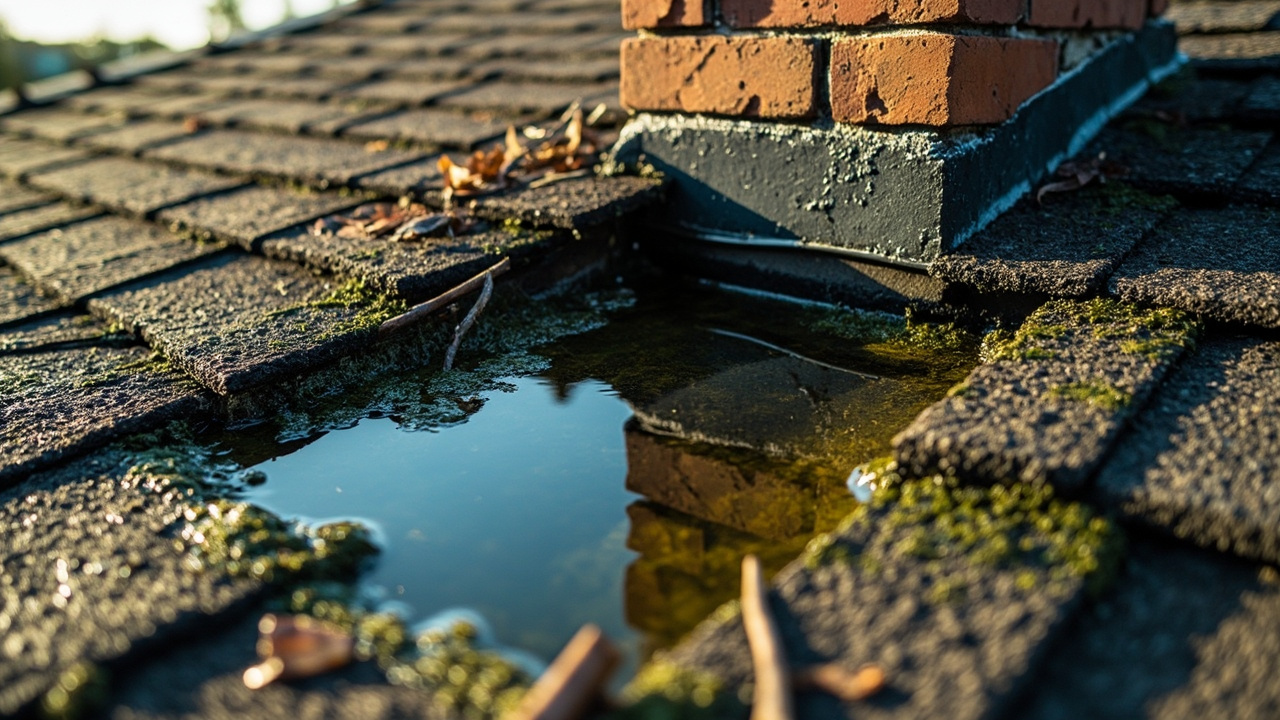
A roof cricket is the small peaked structure built behind a chimney to divert water around it. When the cricket pitch is too shallow or the saddle flashing fails, water pools instead of flows. In Memphis, this problem accelerates fast. Our humid subtropical climate delivers an average of 54 inches of rain per year, much of it in intense spring and summer thunderstorms. When a chimney diverter leaks or the cricket design is flawed, water sits on your roof deck for hours after the rain stops.

That standing water does three things. First, it saturates the roof deck, causing wood rot and mold growth. Second, it finds gaps in the flashing and seeps into your attic insulation. Third, it creates ice dams in winter when Memphis temperatures swing from 60 degrees to below freezing in 24 hours. The freeze-thaw cycle pulls flashing apart and opens seams that were tight six months ago.

Chimney saddle water pooling is not a cosmetic issue. It is structural. Water weighs 8.3 pounds per gallon. A small pool behind your chimney can add 50 pounds of load to an already compromised deck. The longer you wait, the more expensive the fix becomes. What starts as improper cricket pitch becomes full deck replacement, rafter repair, and ceiling restoration.

Why Roof Crickets Fail in Memphis
How We Fix Roof Cricket Drainage Failures

How We Fix Roof Cricket Drainage Failures

Most roofers patch the flashing and leave. We rebuild the system. Roof cricket ponding happens because the original structure was undersized, poorly framed, or installed without understanding water flow dynamics. You cannot fix that with caulk.

Our process starts with the math. We calculate the chimney width, roof pitch, and drainage slope to determine the correct cricket height. Memphis building codes require a minimum 4-in-12 pitch on crickets, but code is the floor, not the ceiling. On low-slope roofs under 6-in-12, we often build crickets at 6-in-12 or steeper to guarantee positive drainage during heavy rain.

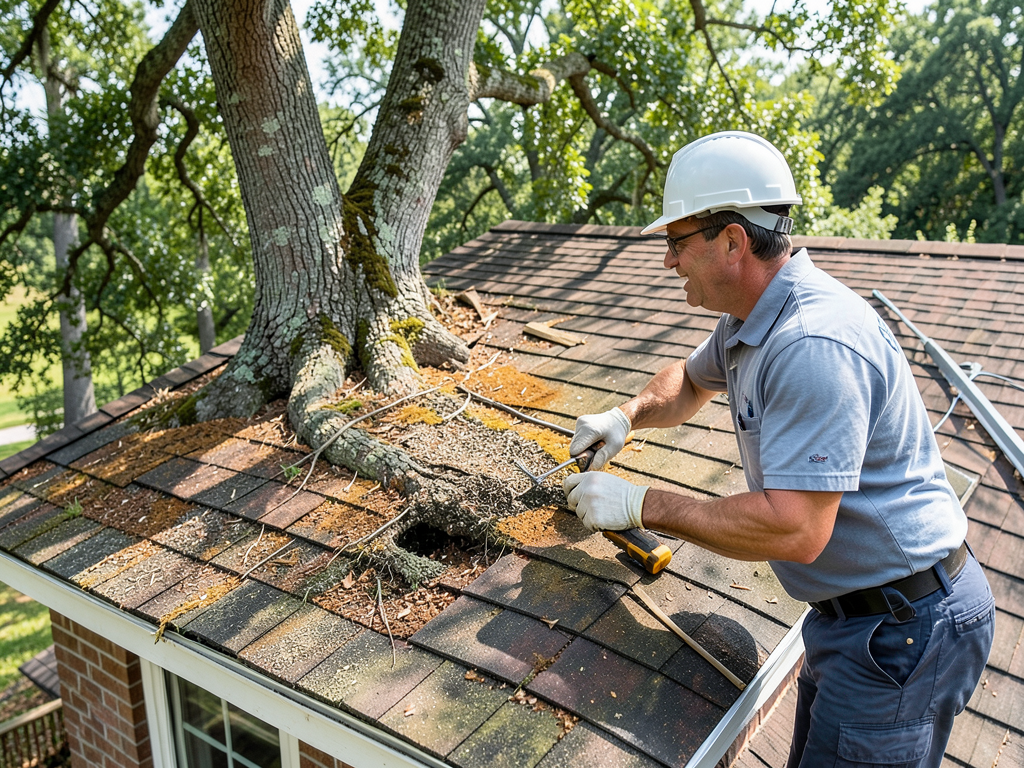
Next, we remove the existing cricket frame and inspect the roof deck. If the deck shows rot, we cut it out and sister in new CDX plywood. We do not build on top of damage. The new cricket frame is cut from pressure-treated lumber and fastened directly to the rafters, not just nailed to the deck. This creates a structural ridge that will not sag over time.

We then install ice and water shield across the entire saddle area, wrapping it 6 inches up the chimney on all sides. Step flashing goes in next, with each piece overlapping the shingle below and tucked under the course above. Counter flashing is embedded into the chimney mortar joints and sealed with polyurethane caulk rated for UV and temperature extremes.

The final step is verifying drainage. We flood-test the cricket with a hose, watching for sheeting flow off both sides. If water hesitates or pools, we adjust the pitch before shingling. This is not guesswork. It is engineering.

What Happens During Your Cricket Repair

Roof Cricket Drainage Issues in Memphis – Expert Diagnosis and Permanent Repair Solutions
01

Roof and Attic Inspection

We start on your roof and in your attic. From the roof, we measure the chimney dimensions and existing cricket pitch. We photograph ponding zones and flashing gaps. In the attic, we check for water stains, wet insulation, and wood rot on the deck and rafters. This tells us if the problem is new or longstanding. We document everything with photos so you see exactly what we see.
02

Cricket Rebuild and Flashing

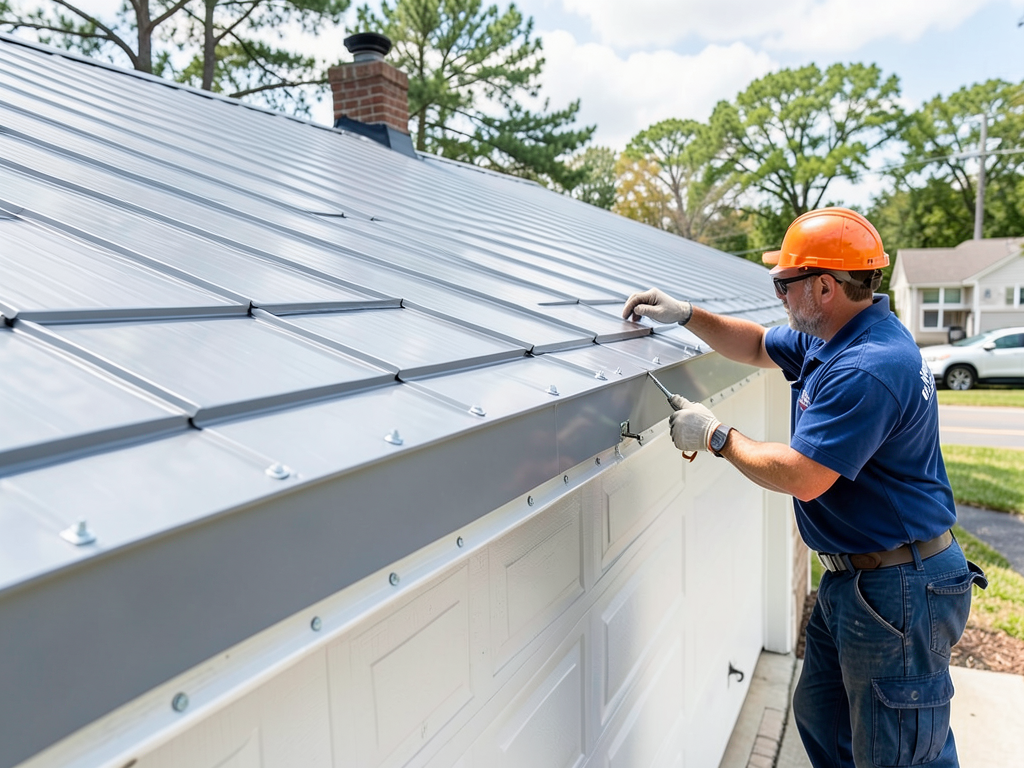
We tear off shingles around the chimney and remove the old cricket frame. Damaged decking is cut out and replaced. The new cricket is framed to the correct pitch and sheathed with plywood. Ice and water barrier goes down first, then step flashing and counter flashing. Each piece is installed in sequence so water cannot travel backward. We do not reuse old flashing. Every metal component is new.
03

Shingle Integration and Testing

Once flashing is complete, we install shingles to match your existing roof. Each shingle overlaps the flashing below and is sealed with roofing adhesive. We then run a hose test, simulating heavy rain to verify drainage. Water must sheet off both sides of the cricket without pooling. If it does not, we pull shingles and adjust the framing. You get proof the system works before we leave your property.

Why Memphis Homeowners Choose Evergreen Roofing Memphis

Roof cricket drainage failure is a design problem, not a material problem. Most roofers do not understand hydrology. They see a leak and slap down more tar. That fix lasts six months until the next storm.

We approach every cricket repair as a custom engineering project. Memphis has a mix of building styles from Craftsman bungalows in Cooper-Young to ranch homes in Cordova. Each roof pitch, chimney size, and shingle type requires a different cricket design. A cricket that works on an 8-in-12 Victorian in Central Gardens will fail on a 4-in-12 ranch in Bartlett. We account for that.

Our team has rebuilt crickets on every roof type in Shelby County. We know the common shortcuts builders take, like undersized crickets or missing ice and water barrier. We have seen the damage from improper cricket pitch on homes built in the 1980s and 1990s when Memphis was booming and inspections were loose. We know where the problems hide.

We also understand Memphis weather. Spring brings severe thunderstorms with 2-inch-per-hour rainfall rates. Summer heat softens roofing tar and expands metal flashing. Winter freeze-thaw cycles stress every joint. A cricket designed for Atlanta will not survive here. The pitch must be steeper. The flashing must be flexible. The sealant must handle 100-degree swings.

When you hire Evergreen Roofing Memphis, you get a team that has worked through every variable this climate throws at a roof. We do not learn on your house. We bring years of Memphis-specific experience to every job. That is the difference between a patch and a solution.

What to Expect During Your Cricket Repair

Fast Scheduling and Response

We schedule inspections within 48 hours of your call. If you have active leaking, we can place emergency tarps the same day to stop further damage. Most cricket repairs are completed in one to two days, depending on the extent of deck damage. We work efficiently without sacrificing quality. You will know the timeline before we start, and we stick to it. Weather delays happen, but we communicate immediately if conditions force a schedule change.

Detailed Roof and Attic Assessment

Our inspection covers the entire chimney penetration zone, not just the visible leak. We check the cricket framing, flashing condition, roof deck integrity, and attic insulation. We measure the existing cricket pitch and compare it to the required drainage slope for your roof. You receive a written report with photos showing the problem areas and our recommended fix. We explain the root cause, not just the symptoms, so you understand why the leak happened and what it takes to stop it permanently.

Engineered, Permanent Repairs

You get a cricket rebuilt to the correct specifications for your roof pitch and chimney size. We do not reuse old materials or take shortcuts. Every component from the framing lumber to the step flashing is new. We sister in new decking if needed and integrate the repair seamlessly with your existing shingles. The final product is a cricket that directs water away from the chimney under all weather conditions. We flood-test every repair before we leave to prove it works.

Ongoing Support and Maintenance

After the repair, we provide guidance on what to watch for during future storms. We recommend an annual roof inspection to catch small issues before they become leaks. If you experience any problems with the repaired area, we come back to evaluate it. Roof crickets should last as long as your roof when built correctly. We stand behind our work and want you to have confidence the problem is solved for good.

Frequently Asked Questions

You Have Questions,
We Have Answers

Does rooftop cricket damage roofs? +

No, a rooftop cricket does not damage your roof. A cricket is a small peaked structure installed behind chimneys or other roof penetrations to divert water around them. It prevents water pooling and reduces the risk of leaks. Crickets protect your roof by channeling rainwater and snowmelt away from vulnerable areas. In Memphis, where freeze-thaw cycles can worsen standing water issues, crickets are an important preventive measure. Without one, water can seep under flashing and cause rot or leaks. Crickets solve problems rather than create them. They extend roof lifespan when installed correctly.

How to get rid of crickets in drains? +

Crickets enter drains through small gaps or pipes seeking moisture. To eliminate them, seal entry points around drain openings and repair any cracks in foundation walls or siding. Clean debris from gutters and downspouts to remove hiding spots. Use a drain cleaner to flush out any insects inside pipes. Install fine mesh screens over drain openings to block access. In Memphis, where humidity attracts crickets, controlling moisture around your foundation is key. Fix leaky outdoor faucets and improve grading so water drains away from the house. These steps stop crickets before they reach your drains.

What are the signs of a failing roof drain? +

Signs of a failing roof drain include standing water that does not clear within 48 hours after rain, visible rust or corrosion around drain components, and water stains on interior ceilings below the drain. You may notice slow drainage during rainstorms or overflowing gutters. Cracked drain boots, separated flashing, or debris clogs also signal failure. In Memphis, where seasonal storms dump heavy rain, a sluggish drain can quickly escalate to interior leaks. Check drains twice yearly and after severe weather. Catching problems early prevents costly water damage to decking, insulation, and ceilings.

What problems do roof crickets solve? +

Roof crickets solve water pooling behind chimneys and large roof penetrations. They redirect rainwater and snowmelt around obstacles, preventing water from sitting against flashing where it can infiltrate. Without a cricket, water accumulates in these valleys, increasing leak risk and accelerating deterioration of roofing materials. In Memphis, where winter freeze-thaw cycles are common, trapped water can freeze and expand, damaging flashing and shingles. Crickets also help prevent ice dam formation by promoting drainage. They are especially important on low-slope roofs where gravity alone does not move water efficiently. Proper cricket installation protects vulnerable roof zones.

Can crickets cause structural damage? +

Crickets themselves cause no structural damage. They are beneficial roof structures that prevent water damage. However, the insects called crickets can contribute to minor problems if infestations become severe. They do not eat wood or compromise framing like termites. Crickets may chew fabric, paper, or plants, but they rarely cause significant structural harm. In attics, large numbers can create sanitation issues and attract predators like mice. The real concern is moisture that attracts crickets. If you have crickets in your roof space, it often signals a ventilation or humidity problem that could lead to mold or rot over time.

Should you try to remove an ice dam on your roof in winter? +

Do not attempt to remove an ice dam yourself. Chipping or hammering ice risks damaging shingles, flashing, and gutters. Using heat cables improperly can cause electrical hazards or uneven melting that worsens the dam. In Memphis, ice dams form when attic heat melts snow unevenly, causing refreezing at eaves. The safest approach is calling a professional with steaming equipment that melts ice without roof damage. Meanwhile, improve attic insulation and ventilation to prevent future dams. If water is actively leaking inside, use a roof rake to carefully pull snow off eaves from the ground.

How to get rid of crickets in the roof? +

To remove crickets from your roof or attic, identify and seal entry points like gaps around vents, soffits, and ridge caps. Crickets enter through openings as small as a pencil width. Remove debris and vegetation touching the roofline to eliminate bridges. Use a vacuum to capture visible crickets, then release them away from the house. Install weatherstripping around attic access doors. In Memphis, crickets are most active late summer through fall. Reduce outdoor lighting near the roofline, as lights attract them. Fix any moisture issues in the attic by improving ventilation and repairing roof leaks.

Does pouring bleach down the drain get rid of roaches? +

Bleach does not effectively eliminate roaches in drains. While bleach kills some roaches on contact, it does not reach nests or eggs deeper in pipes. Roaches can hold their breath and avoid bleach fumes. Bleach also damages pipes over time and creates toxic fumes when mixed with other cleaners. Instead, use gel baits designed for drain roaches or apply boric acid powder around drain openings. Fix leaky pipes and eliminate standing water, which attracts roaches. In Memphis, where humidity encourages pest activity, focus on sealing cracks around plumbing and keeping drains clean and dry.

What time of year are crickets most active? +

Crickets are most active from late summer through fall, peaking in August and September. Warmer temperatures and mating season drive this activity. In Memphis, you will notice increased cricket presence from July through October as they seek shelter before winter. Crickets are nocturnal, so you hear them chirping at night. As temperatures drop in late fall, crickets try to enter homes through foundation cracks, gaps around doors, and roof openings. Activity declines sharply after the first hard freeze. Sealing entry points in late summer prevents fall infestations when crickets are actively searching for warm overwintering sites.

Is it worth claiming roof damage on insurance? +

Yes, claiming roof damage is worth it if repair costs exceed your deductible and the damage results from a covered peril like wind or hail. Document damage with photos and get a professional inspection before filing. Insurance covers sudden damage but not wear or poor maintenance. In Memphis, storm damage from high winds or hail qualifies for claims. Be aware that filing claims can raise premiums, so weigh the cost difference. Get multiple repair estimates to ensure the claim value justifies potential rate increases. Work with a local roofer experienced in insurance claims to navigate the process and maximize your settlement.

How Memphis Rainfall Intensity Accelerates Cricket Failures

Memphis sits in a high-rainfall zone where spring thunderstorms regularly dump 1 to 2 inches of rain in under an hour. That intensity overwhelms undersized crickets. Water backs up behind the chimney faster than the saddle can shed it. The clay soil common across Shelby County compounds the problem. When the ground saturates, water has nowhere to go, so it sits on your roof longer. A cricket with marginal pitch that works in a drier climate fails here because Memphis weather does not give roofs time to dry between storms.

Local building inspectors in Memphis enforce updated flashing standards, but many older homes were built before those codes existed. If your home was built before 2000, your cricket likely does not meet current drainage requirements. Evergreen Roofing Memphis knows the local code evolution and how to bring older roofs up to modern standards. We work with Memphis inspectors regularly and understand what they look for. When you hire local roofers who know the area, you get a repair that meets code and survives the climate.
Roofing Services in The Memphis Area

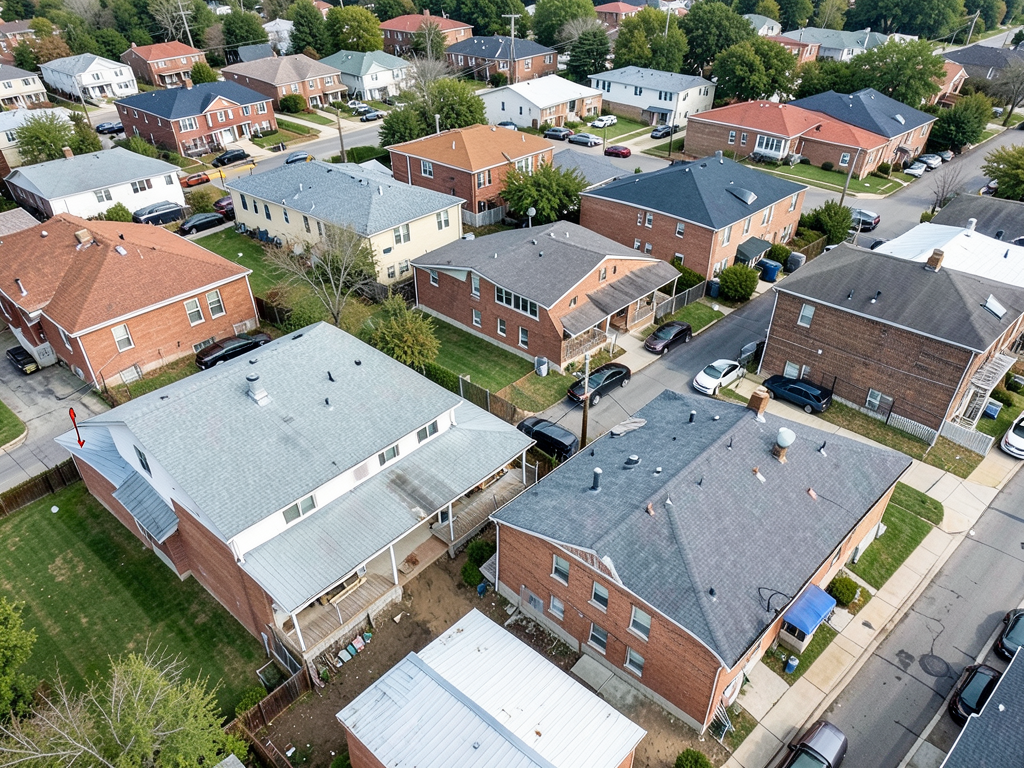
Evergreen Roofing Memphis is strategically located to serve all residential and commercial clients across the entire Memphis metropolitan area and surrounding Mid-South communities. View our central business location on the map to see our service radius, and remember that our dedicated team is always prepared to travel directly to your property to deliver the expert roofing services you need, precisely when you need them.

Address:
Evergreen Roofing Memphis, 333 S Bellevue Blvd, Memphis, TN, 38104

Additional Services We Offer

Our news updates

Latest Articles & News from The Blogs

Emergency Roof Leak Repair in Raleigh TN: Fast Service Without the High Price Tag Roof leaks don’t wait for convenient…

Getting a Fast Roof Leak Patch in Raleigh Without Breaking the Bank

Emergency Roof Leak Repair in Raleigh TN: Fast Service Without the High Price Tag Roof leaks don’t wait for convenient…

Why Your Collierville Home Might Need a Roof Cricket to Stop Water Pooling

Why Your Collierville Home Might Need a Roof Cricket to Stop Water Pooling Water pooling behind your chimney is more…

Checking the Tennessee Contractor License of Your Roofer Before the Work Starts

Checking the Tennessee Contractor License of Your Roofer Before the Work Starts Before you sign a contract with any roofing…

Contact Us

Roof cricket drainage issues do not fix themselves. Every storm makes the damage worse. Call Evergreen Roofing Memphis today at (901) 669-7399 for a detailed inspection and permanent repair solution engineered for Memphis weather.