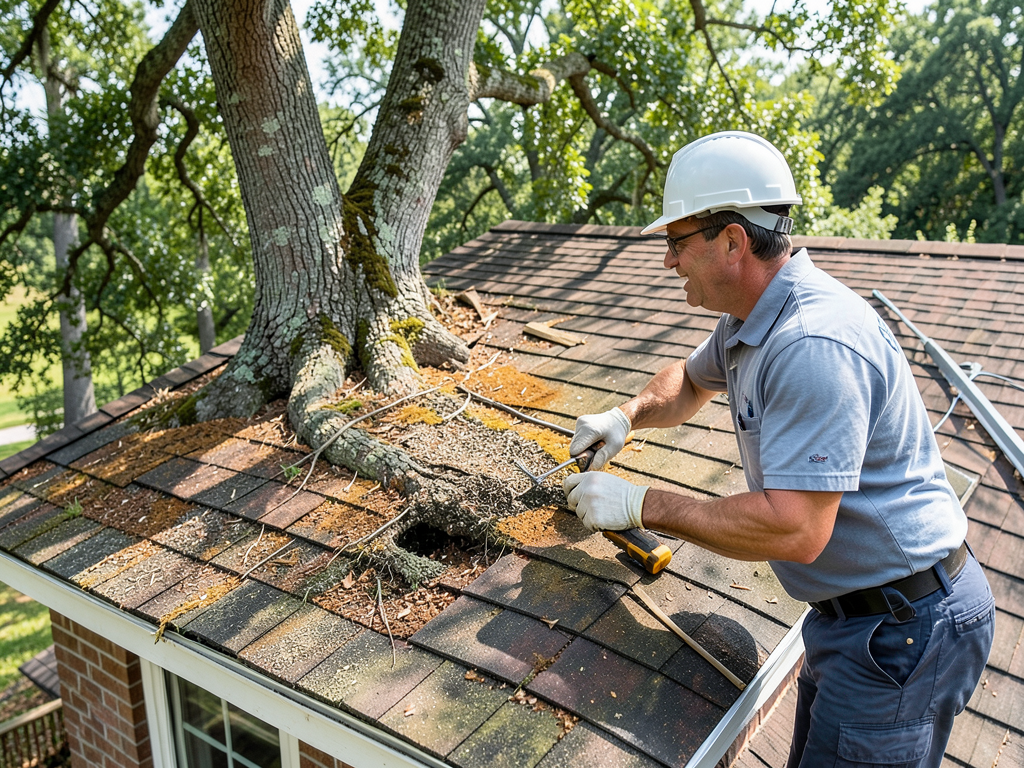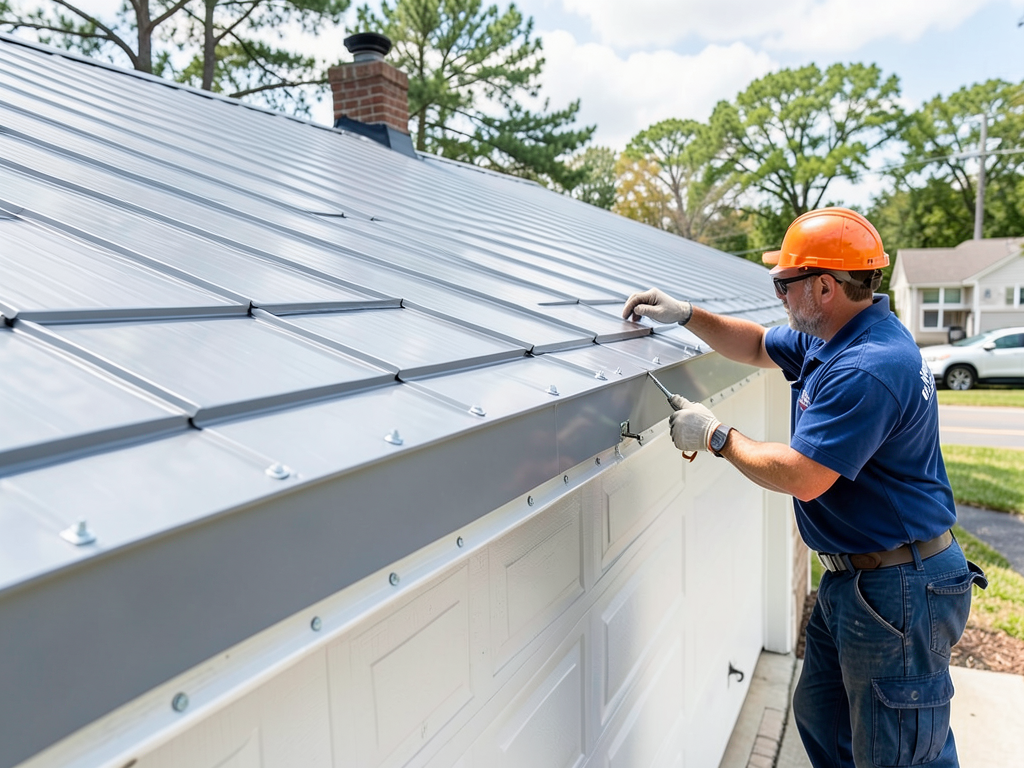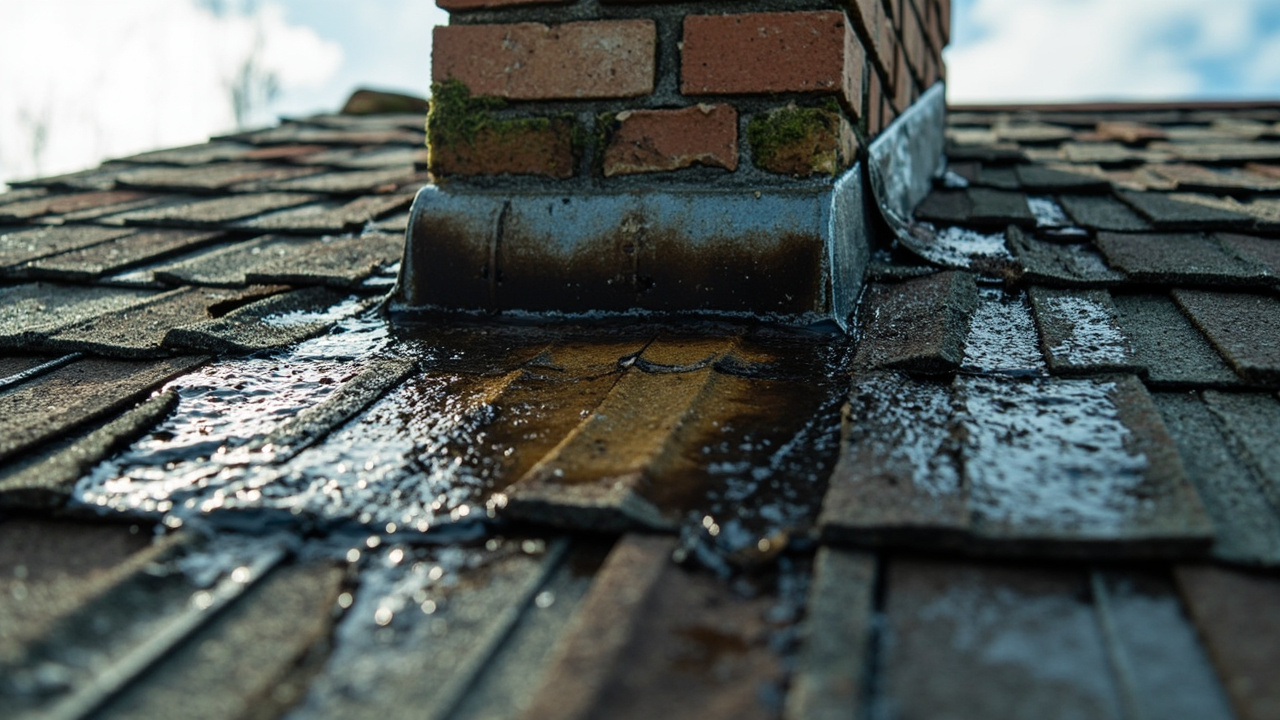


Memphis sits in a humid subtropical zone where average relative humidity exceeds 70 percent year-round. This persistent moisture prevents roof systems from fully drying between rain events. Flashing sealants remain damp, accelerating degradation. Metal flashing develops surface oxidation that progresses to structural rust. The spring tornado season brings severe thunderstorms with high winds that drive rain horizontally into flashing seams. These storms exploit any weakness in your flashing system. Summer heat creates thermal expansion that stresses fastener connections and cracks aged sealants. The combination of moisture, heat, and severe weather makes Memphis particularly hard on roof flashing compared to drier or more temperate climates.
Memphis building codes reflect the local weather challenges, requiring specific flashing details for wind-driven rain zones. Evergreen Roofing Memphis stays current with these requirements and understands how local inspectors evaluate flashing installations. Our familiarity with Memphis construction practices means we know the common shortcuts builders take that lead to premature flashing failure. We know which neighborhoods have homes built during periods of lax code enforcement and which subdivisions used quality materials. This local knowledge informs our diagnostic process and helps us anticipate problems before they become visible leaks. When you choose a roofing contractor who works exclusively in Memphis, you benefit from this accumulated experience.