menu

Homeowner's Guide to Roofing in Memphis | Essential Knowledge for Memphis Weather Challenges

Your complete residential roofing handbook for understanding Memphis's unique climate demands, from storm damage prevention to ventilation requirements that protect your home from humidity, heat, and severe weather year-round.

Slider Image 1
Slider Image 2
Slider Image 3
Slider Image 4
Slider Image 5
Slider Image 7
Slider Image 8
Slider Image 9
Slider Image 10
Slider Image 11

Why Memphis Homeowners Need a Different Roofing Approach

Your roof faces punishment most homeowners outside the Mid-South never see. Memphis sits in a weather battleground where summer heat peaks above 95 degrees for weeks, humidity hovers near 70 percent, and spring storms roll through with hail and damaging winds.

This combination creates specific problems. High humidity accelerates algae growth on shingles, turning roofs black and reducing their lifespan by years. The heat-humidity cycle causes attic temperatures to soar past 150 degrees, which bakes shingles from below and warps decking. Winter brings freeze-thaw cycles that crack flashing and lift shingles along edges.

Memphis's clay soil adds another layer of complexity. The soil expands and contracts with moisture changes, shifting your home's foundation. This movement stresses roof framing and can crack ridge lines or cause valleys to separate. You need to understand these forces because a roof designed for Phoenix or Portland fails here within years.

This residential roofing guide cuts through the marketing noise. You will learn what materials survive Memphis weather, how ventilation prevents moisture damage, when repairs make sense versus replacement, and how to spot problems before they become expensive disasters. Roofing basics for homeowners start with understanding that your location determines everything about how your roof should be built and maintained.

The home roofing handbook you need focuses on one fact: Memphis roofs work harder than roofs in moderate climates, which means they fail faster when installed wrong or maintained poorly.

Why Memphis Homeowners Need a Different Roofing Approach
What Makes a Memphis Roof Last Decades Instead of Years

What Makes a Memphis Roof Last Decades Instead of Years

A quality Memphis roof starts with proper attic ventilation. Your attic needs balanced intake and exhaust ventilation to prevent heat and moisture buildup. Ridge vents paired with soffit vents create continuous airflow that drops attic temperatures by 30 to 40 degrees. This airflow prevents shingle baking, reduces cooling costs, and stops moisture condensation that rots decking.

Underlayment selection matters more here than in dry climates. Synthetic underlayment outperforms felt paper in humid conditions because it resists mold growth and provides better waterproofing during the inevitable installation delays caused by afternoon thunderstorms. It also handles thermal expansion better, which matters when your roof surface swings 80 degrees between night and day.

Shingle selection requires understanding IR reflectivity ratings and algae resistance. Architectural shingles with copper or zinc granules prevent the black streaking common on Memphis roofs. Lighter colors with high solar reflectance reduce surface temperatures, which extends shingle life. The trade-off is cost, but replacing a roof every 12 years instead of 20 years costs far more.

Flashing installation determines whether your roof leaks. Valleys need ice and water shield extending 36 inches on both sides. Chimney flashing requires counterflashing embedded in mortar joints, not just caulked against brick. Pipe boots need metal bases with EPDM rubber collars, because all-rubber boots crack within five years under Memphis sun exposure.

This residential roofing 101 focuses on the details contractors skip to save time. Evergreen Roofing Memphis builds roofs that account for local weather extremes, because we replace the roofs other companies installed wrong.

Understanding Your Roof System from Decking to Shingles

Homeowner's Guide to Roofing in Memphis | Essential Knowledge for Memphis Weather Challenges
01

Foundation and Structure

Your roof system starts with rafters or trusses that transfer weight to load-bearing walls. Decking, typically OSB or plywood, attaches to these framing members and provides the nailing surface for everything above. Memphis's humidity requires proper spacing between decking panels to allow for expansion. Damaged decking from previous leaks must be replaced, not covered over, because wet wood loses structural integrity and continues deteriorating under new shingles.
02

Waterproofing and Protection Layers

Underlayment creates your first water barrier. Synthetic underlayment or ice and water shield in vulnerable areas stops water that gets under shingles during wind-driven rain. Drip edge along eaves and rakes directs water away from fascia boards and prevents rot. Flashing around penetrations, valleys, and wall intersections creates watertight seals at every transition point. These layers work together as a system, so cutting corners on any component compromises the entire roof.
03

Final Surface and Ventilation

Shingles provide your visible protection and aesthetic appeal, but they only work when properly ventilated from below. Ridge vents, soffit vents, and proper attic insulation create the airflow and thermal barrier that prevent premature shingle failure. Starter strips along eaves prevent wind uplift. Hip and ridge cap shingles seal the peaks. Each component in this homeowner roofing manual serves a specific purpose in protecting your home from Memphis weather patterns.

Why Local Knowledge Prevents Expensive Mistakes

Memphis building codes require specific wind ratings and attachment methods that differ from neighboring states. Shingles in Shelby County must withstand 110 mph wind speeds, which means contractors must use six nails per shingle in edge zones instead of four. Valley flashing requires specific materials and installation methods detailed in local amendments to the International Residential Code.

Many roofing companies operating in Memphis use crews that work across multiple states, following generic installation practices that fail local inspections or perform poorly in our climate. They install the same roof in Memphis they install in Nashville or Little Rock, ignoring that Memphis gets 54 inches of annual rainfall compared to Nashville's 47 inches. That extra moisture matters.

Historic districts like Cooper-Young, Central Gardens, and Victorian Village have additional requirements. You cannot install just any shingle color or style on homes in these areas. The Land Use Control Board reviews roofing changes, and choosing non-approved materials means ripping off your new roof and starting over. Local contractors know these restrictions before starting work.

Storm damage assessment requires understanding Memphis weather patterns. Spring hail typically comes from southwest-moving systems that damage south and west roof slopes first. Knowing this helps identify hidden damage your insurance adjuster might miss. Wind damage from summer derechos creates different failure patterns than tornado damage, which affects repair versus replacement decisions.

Evergreen Roofing Memphis has replaced hundreds of roofs installed by national chains that failed within years because they ignored local requirements. We understand Memphis-specific challenges because we only work here. Your roof needs to survive our weather, not weather 500 miles away.

What to Expect When Evaluating Your Roof

Inspection Timeline and Availability

Professional roof inspections take 45 to 90 minutes depending on roof size and complexity. Inspectors examine your roof from the ground using binoculars, from the attic looking for water stains and proper ventilation, and by walking the roof surface to check shingle condition and flashing integrity. You should schedule inspections in spring or fall when temperatures make attic access comfortable and weather is typically stable. Most companies can schedule inspections within two to five business days during non-storm periods. After major storms, wait times extend to two weeks as companies work through emergency calls first.

Comprehensive Assessment Process

A thorough inspection documents shingle condition, granule loss, algae growth, flashing integrity, ventilation adequacy, decking condition visible from the attic, and signs of previous repairs. Inspectors check for proper nail placement, verify starter strips exist, examine valley construction, and test pipe boot flexibility. They measure roof pitch to determine walkability and identify code compliance issues. You receive a written report with photos showing problem areas and recommendations prioritized by urgency. This documentation proves valuable when filing insurance claims or planning future budgets.

Quality and Material Selection

Memphis roofs require Class A fire-rated shingles with algae-resistant granules and wind ratings matching local code requirements. Architectural shingles outlast three-tab shingles by five to ten years in our climate, making them more economical despite higher initial expense. Synthetic underlayment costs more than felt paper but provides superior moisture protection and lasts longer during multi-day installations interrupted by weather. Metal flashing outlives plastic alternatives by decades. Quality materials combined with proper installation creates roofs that survive 20 to 30 years instead of requiring replacement after 12 to 15 years like economy installations.

Maintenance and Longevity Planning

Your roof needs annual inspections to catch small problems before they become expensive damage. Clean gutters prevent water backup that rots fascia and decking edges. Trim tree branches that scrape shingles or drop leaves that hold moisture. Remove algae growth promptly because it accelerates granule loss. Replace cracked pipe boots and damaged flashing immediately, because these small repairs prevent interior water damage costing thousands. Most roofing companies offer maintenance plans that include annual inspections and minor repairs, helping you maximize roof lifespan and maintain manufacturer warranties that require documented regular maintenance.

Frequently Asked Questions

You Have Questions,
We Have Answers

How Memphis Humidity and Storm Patterns Affect Roof Longevity

Memphis averages 72 percent relative humidity year-round, creating constant moisture exposure that accelerates organic growth on shingles and decking. Summer dew points regularly exceed 70 degrees, which means overnight moisture condenses on roof surfaces and in poorly ventilated attics. This creates ideal conditions for algae, mold, and rot. Spring severe weather brings hail, high winds, and heavy rain that test every flashing seal and shingle attachment. Your residential roofing guide must account for these factors because roofs that perform well in dry climates fail rapidly here. Proper ventilation, moisture barriers, and algae-resistant materials become mandatory rather than optional upgrades. Understanding roofing basics for homeowners in Memphis starts with accepting that our climate demands higher construction standards than national averages require.

Shelby County enforces specific wind load requirements and inspects roof installations more thoroughly than surrounding rural counties. Building permits require licensed contractors who pull permits and schedule inspections at multiple installation stages. This protects you from fly-by-night operators who skip critical steps and disappear before problems emerge. Local roofing companies familiar with Memphis inspection requirements complete jobs faster because they pass inspections on the first attempt. They also understand which manufacturers honor warranties in our climate zone and which materials their distributors stock locally for quick repairs. This home roofing handbook emphasizes choosing contractors with established Memphis addresses and relationships with local suppliers, because your roof will need service for decades and you need someone who answers the phone five years from now.
Roofing Services in The Memphis Area

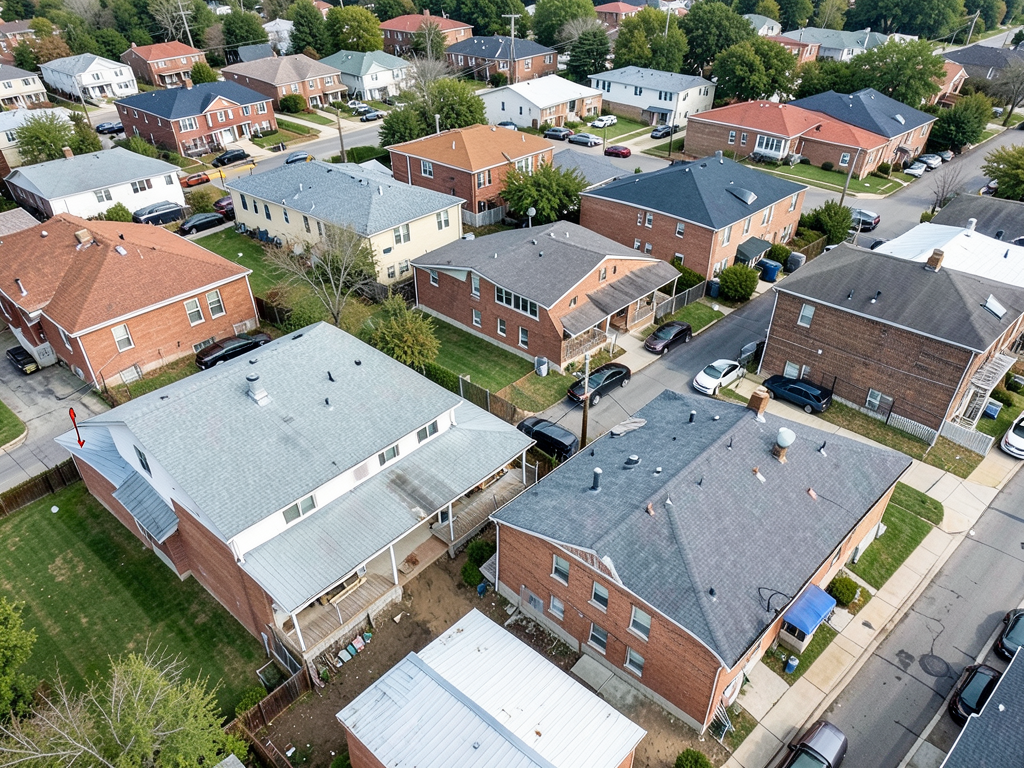
Evergreen Roofing Memphis is strategically located to serve all residential and commercial clients across the entire Memphis metropolitan area and surrounding Mid-South communities. View our central business location on the map to see our service radius, and remember that our dedicated team is always prepared to travel directly to your property to deliver the expert roofing services you need, precisely when you need them.

Address:
Evergreen Roofing Memphis, 333 S Bellevue Blvd, Memphis, TN, 38104

Additional Services We Offer

Our news updates

Latest Articles & News from The Blogs

Emergency Roof Leak Repair in Raleigh TN: Fast Service Without the High Price Tag Roof leaks don’t wait for convenient…

Getting a Fast Roof Leak Patch in Raleigh Without Breaking the Bank

Emergency Roof Leak Repair in Raleigh TN: Fast Service Without the High Price Tag Roof leaks don’t wait for convenient…

Why Your Collierville Home Might Need a Roof Cricket to Stop Water Pooling

Why Your Collierville Home Might Need a Roof Cricket to Stop Water Pooling Water pooling behind your chimney is more…

Checking the Tennessee Contractor License of Your Roofer Before the Work Starts

Checking the Tennessee Contractor License of Your Roofer Before the Work Starts Before you sign a contract with any roofing…

Contact Us

Call Evergreen Roofing Memphis at (901) 669-7399 for a comprehensive roof inspection. We will document current condition, identify problems, and provide clear recommendations specific to Memphis weather challenges. No pressure sales, just honest evaluation from local roofing experts.