menu

Industrial Roof Replacement in Memphis | Minimize Downtime with Commercial-Grade Solutions

Evergreen Roofing Memphis delivers factory roof replacement and warehouse re-roofing engineered for business continuity, handling the extreme thermal cycling and severe storm exposure unique to Mid-South industrial facilities without disrupting your operations.

Slider Image 1
Slider Image 2
Slider Image 3
Slider Image 4
Slider Image 5
Slider Image 7
Slider Image 8
Slider Image 9
Slider Image 10
Slider Image 11

Why Industrial Roofs Fail Faster in Memphis

Memphis sits at the confluence of heat, humidity, and violent weather patterns that accelerate commercial roof deterioration. Your industrial facility endures punishing thermal expansion during 95-degree summers, then contracts through freeze-thaw cycles when temperatures drop below freezing. This constant movement fatigues membrane seams and flashing connections.

The Mississippi River creates persistent humidity that traps moisture inside poorly ventilated factory spaces. Condensation forms on metal decking, promoting rust and structural decay from the inside out. Meanwhile, spring thunderstorms bring hail and high winds that puncture single-ply membranes and tear off metal panels.

Your flat roof or low-slope system collects standing water after heavy rain. Memphis averages 54 inches of precipitation annually. Ponding water degrades roof coatings and seeps through microscopic cracks, saturating insulation and compromising R-value. The weight load stresses structural supports designed for dry conditions.

Industrial re-roofing becomes urgent when you spot interior water damage, see daylight through roof penetrations, or notice energy bills climbing from thermal loss. A failing warehouse roof replacement delays production schedules and risks inventory damage. Commercial flat roof replacement protects your capital assets and maintains operational capacity.

Memphis industrial facilities face specific code requirements for wind uplift resistance and fire ratings. Your roof system must meet FEMA flood zone standards and Memphis-Shelby County construction codes. Delaying factory roof replacement exposes you to liability and insurance disputes when the next severe weather event strikes.

Why Industrial Roofs Fail Faster in Memphis
How We Execute Large-Scale Commercial Roof Replacement

How We Execute Large-Scale Commercial Roof Replacement

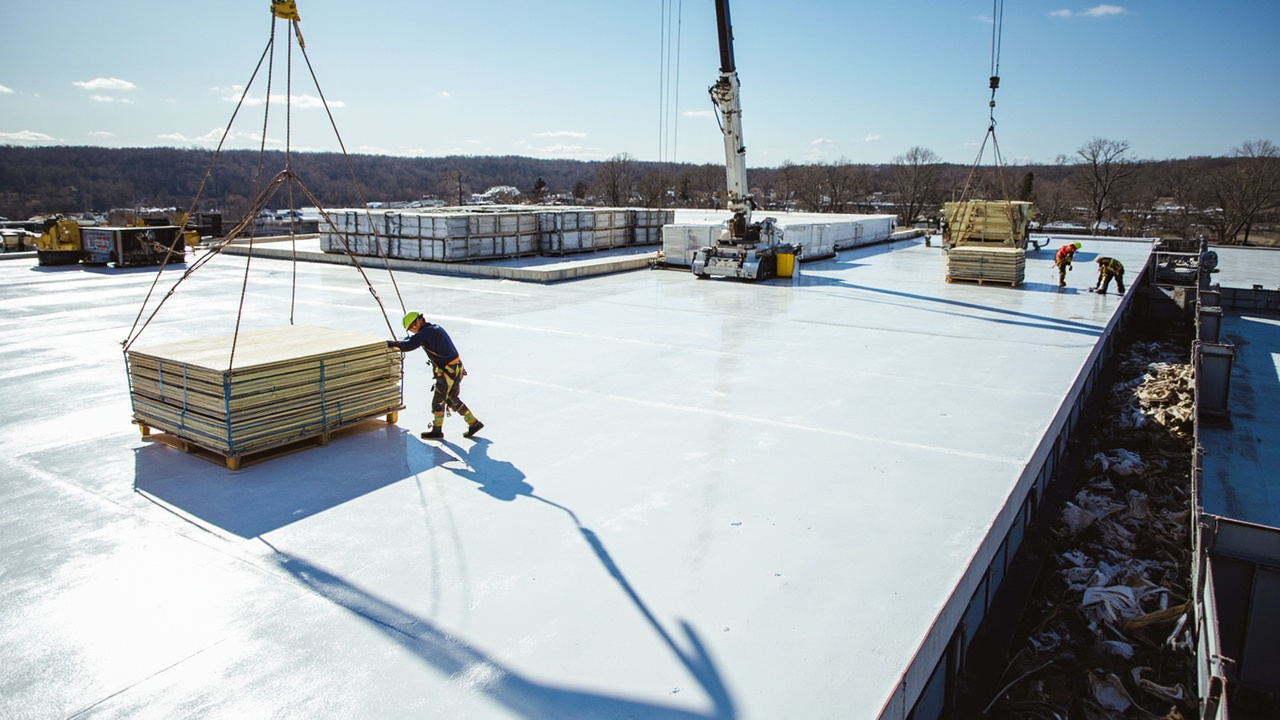
Evergreen Roofing Memphis handles industrial roof replacement through phased construction that keeps your facility operational. We section the roof into zones, completing tear-off and installation in isolated areas while production continues beneath protected sections. This sequencing prevents full facility shutdowns that cost you revenue.

We start with infrared thermography to map moisture saturation in the existing roof assembly. Thermal imaging reveals wet insulation invisible to visual inspection. We core sample the substrate to verify deck integrity and determine if a recover system works or if you need complete tear-off to structural steel.

Our crews handle complex penetrations around HVAC units, exhaust fans, and process equipment vents. We fabricate custom counterflashing and pitch pockets that seal irregular roof openings. Every curb and stack receives proper base flashing integrated with the field membrane through heat-welded seams or cold-applied adhesive, depending on the specified system.

For warehouse roof replacement, we install tapered insulation systems that create positive drainage to scuppers and internal drains. Eliminating ponding water extends membrane life and prevents ice damming in winter. We increase insulation thickness to meet current energy codes, reducing your HVAC load and qualifying you for utility rebates.

We coordinate with your facility manager to schedule noisy work during off-shifts and avoid disrupting day operations. Our project supervisor communicates daily progress and addresses concerns immediately. We maintain strict safety protocols, including fall protection and confined space entry procedures required for industrial sites.

The final roof system includes a 20-year NDL warranty on materials and our labor warranty. We provide as-built drawings showing all penetrations, drains, and membrane thickness for your facility maintenance records.

How Your Industrial Roof Replacement Unfolds

Industrial Roof Replacement in Memphis | Minimize Downtime with Commercial-Grade Solutions
01

Facility Assessment and Planning

We conduct a comprehensive roof inspection during your operational hours, documenting all deficiencies with drone photography and moisture scanning. You receive a detailed report with thermal images showing wet insulation areas and a cost breakdown comparing recover versus tear-off options. We develop a phased construction schedule that aligns with your production calendar and minimizes operational impact.
02

Phased Tear-Off and Installation

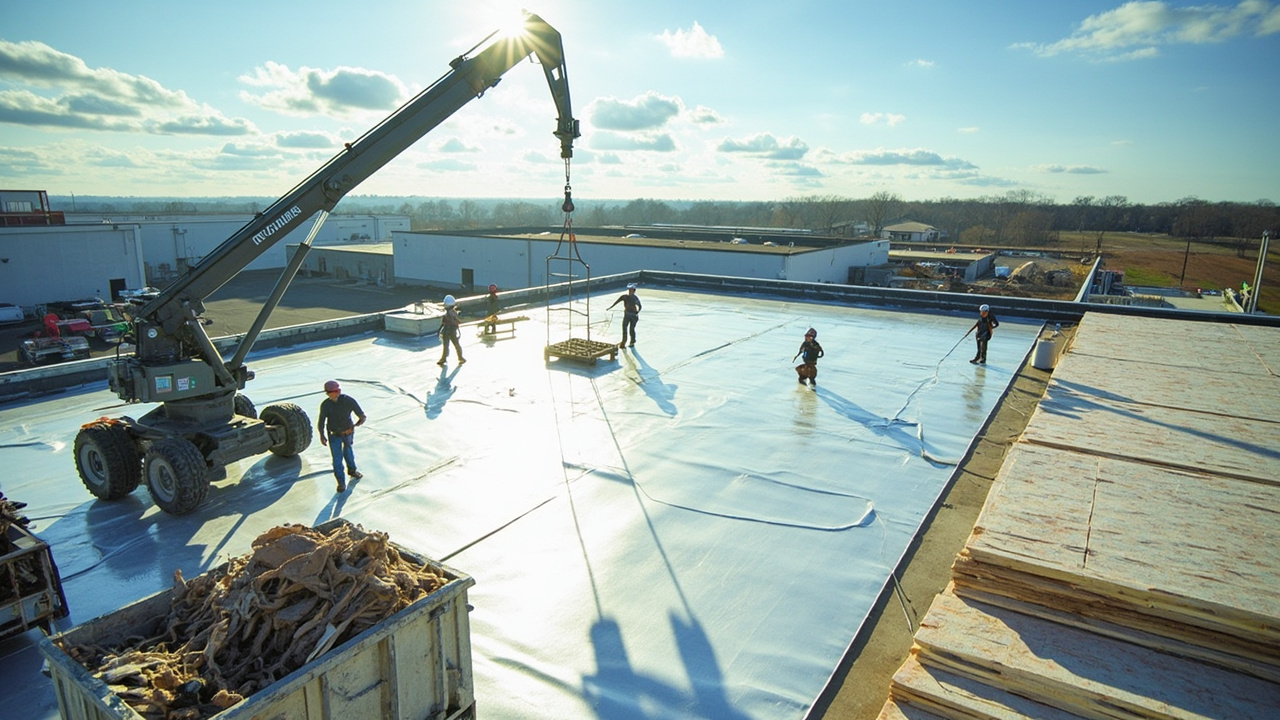
Our crews section the roof into work zones, installing temporary weather protection before removing the existing membrane and saturated insulation. We inspect and repair structural decking, then install new polyiso insulation boards and the specified membrane system using mechanically fastened or fully adhered methods. Each phase reaches watertight status before we move to the next section, protecting your inventory and equipment throughout the project.
03

Testing and Documentation

After installation, we perform flood testing on all penetrations and seams to verify watertight integrity. You receive as-built drawings, warranty documents, and a maintenance guide specific to your roof system. We schedule annual inspections to catch minor issues before they escalate, protecting your warranty and extending roof service life. Your facility manager gets direct contact information for emergency response if storm damage occurs.

Why Memphis Industrial Facilities Choose Evergreen Roofing

Evergreen Roofing Memphis understands the operational constraints of industrial facilities. We have replaced roofs on distribution centers, manufacturing plants, and cold storage warehouses across the Memphis metro without forcing production shutdowns. Our project managers coordinate with your staff to work around shipping schedules, shift changes, and critical production runs.

We know Memphis-Shelby County commercial building codes and FEMA flood zone requirements for industrial districts near the Wolf River and Loosahatchie River. Your roof replacement will pass inspection the first time because we build to code from the start. We pull permits, coordinate inspections, and handle all regulatory compliance so you focus on running your business.

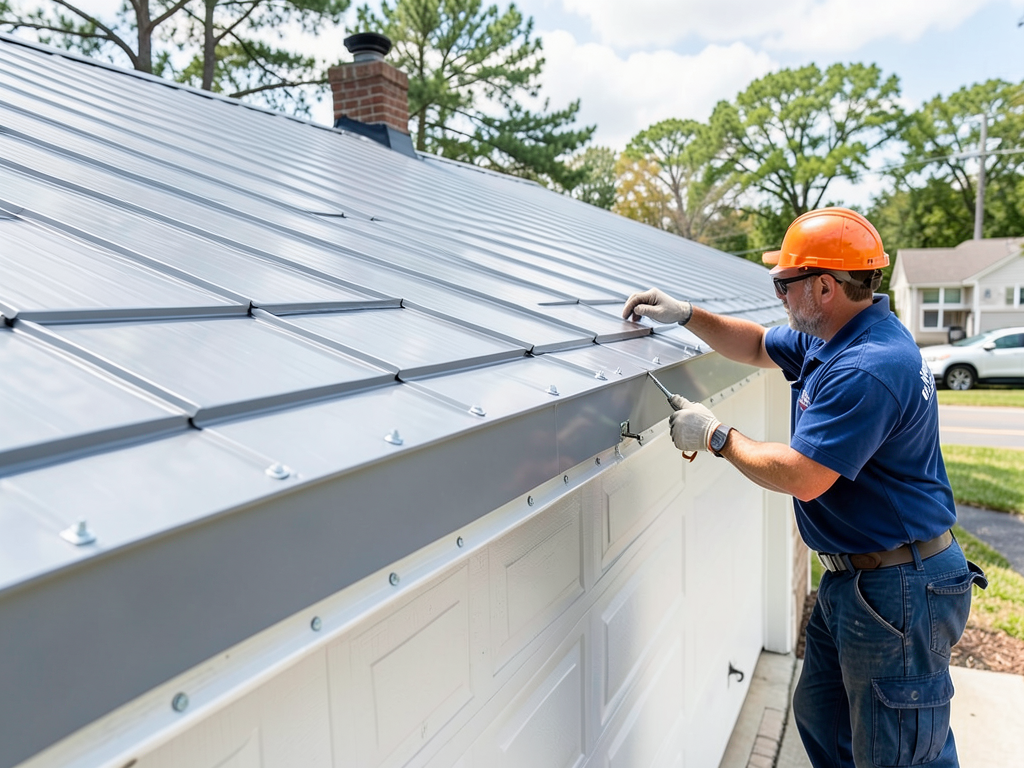
Our supplier relationships give you access to commercial-grade roofing systems from GAF, Firestone, and Carlisle at competitive pricing. We install TPO, EPDM, PVC, and modified bitumen systems based on your budget and performance requirements. For metal buildings, we handle standing seam panel replacement and retrofits that add insulation without removing existing panels.

We carry commercial liability coverage and workers compensation insurance that meets the requirements for industrial sites. You receive certificates of insurance before work begins. Our safety record qualifies us to work in facilities with strict contractor safety protocols.

Memphis industrial facilities face severe weather threats. We provide emergency tarping and temporary repairs after storm damage, then fast-track your insurance claim with detailed documentation and scope-of-loss reports. Our estimators work directly with adjusters to get your claim approved without disputes over covered damage.

You get a single point of contact throughout the project. No subcontractors, no coordination headaches. Our crews show up when scheduled and complete phases on time.

What Your Industrial Roof Replacement Includes

Project Timeline and Phasing

Industrial roof replacement timelines depend on building size and weather conditions. A 50,000 square foot warehouse typically requires four to six weeks when phased to maintain operations. We schedule the most disruptive work during your lowest activity periods. Our crews arrive at the agreed time and work efficiently to complete each phase before moving to the next section. You receive weekly progress updates and photo documentation. We adjust the schedule if unexpected structural issues appear during tear-off, communicating changes immediately so you can plan accordingly.

Structural and Moisture Assessment

We use infrared thermography to map moisture saturation across your entire roof before providing a quote. This technology shows wet insulation that looks dry from the surface. We core sample the roof assembly to verify deck condition and determine if structural repairs are needed. You receive a written assessment explaining whether you need full tear-off or can use a recover system. Our inspection includes checking interior ceilings for water stains and testing drains for proper flow. This diagnostic phase prevents surprises during construction and gives you accurate budgeting information.

Completed Roof Performance

Your new industrial roof system eliminates leaks, reduces HVAC costs, and protects inventory from weather damage. We install tapered insulation that creates positive drainage, preventing the ponding water that shortened your previous roof's life. The membrane system withstands Memphis hail storms and high winds without tearing or puncturing. Increased insulation thickness lowers heating and cooling costs while meeting current energy codes. You get a roof engineered for 20-plus years of service life with minimal maintenance. Proper flashing and penetration sealing prevent the common failure points that cause emergency leaks.

Warranty and Maintenance Support

Your industrial roof replacement includes a manufacturer material warranty and our labor warranty covering installation defects. We provide a maintenance guide specific to your roof system, explaining how to inspect drains, clean debris, and spot early warning signs of problems. Evergreen Roofing Memphis offers annual maintenance contracts that include two inspections per year, minor repairs, and emergency storm response. Regular maintenance protects your warranty and catches small issues before they become expensive problems. We keep detailed service records for your facility files and provide documentation needed for insurance and property sales.

Frequently Asked Questions

You Have Questions,
We Have Answers

How much does it cost to replace 1000 sq ft of roof? +

Industrial roof replacement costs vary significantly based on system type, substrate condition, and accessibility. For 1000 square feet, expect material and labor costs to depend on whether you select TPO, EPDM, modified bitumen, or metal. Factors that impact pricing include removing the existing system, structural repairs, insulation upgrades, and code compliance requirements specific to Ohio building standards. Membrane thickness, warranty level, and drainage improvements also affect the bottom line. Schedule a detailed facility assessment to receive an accurate quote that accounts for your building's unique conditions and operational requirements. Do not base decisions on residential pricing models.

How long do industrial roofs last? +

Industrial roof longevity depends on system type, installation quality, maintenance frequency, and environmental exposure. Single-ply membranes like TPO and EPDM typically perform 20 to 30 years with proper care. Modified bitumen systems last 15 to 25 years. Metal roofing can exceed 40 years when correctly installed and maintained. Ohio's freeze-thaw cycles, UV exposure, and ponding water accelerate deterioration if drainage fails. Regular inspections, proactive repairs, and documented maintenance extend service life significantly. Deferred maintenance shortens longevity and increases lifecycle costs. Budget for planned replacement based on system age and condition assessments rather than waiting for catastrophic failure.

Can roofers make 100k a year? +

This question addresses employee compensation, not facility needs. Experienced commercial roofers in specialized markets can reach six-figure incomes through a combination of base salary, overtime, and project bonuses. Union positions, supervisory roles, and specialized skills like welding or restoration work command higher wages. Geographic markets with high construction activity and cost of living also influence earning potential. For your industrial facility, focus on contractor qualifications, crew experience, and project management capabilities rather than individual wages. Verify that the contractor employs skilled technicians who understand complex commercial systems and code requirements specific to industrial applications in Ohio.

Is a commercial roof replacement tax deductible? +

The IRS allows businesses to deduct commercial roof replacement costs, but the treatment depends on whether the project constitutes a repair or capital improvement. Full tear-offs and system upgrades typically qualify as capital improvements, requiring depreciation over 39 years under current tax code. Partial repairs that restore function without adding value may qualify for immediate expense deduction under Section 162. Ohio state tax treatment generally follows federal guidelines. Consult your CPA or tax advisor to determine the optimal approach based on project scope, building classification, and your depreciation schedule. Proper documentation and cost segregation studies maximize tax benefits.

What time of year is the cheapest to replace a roof? +

For industrial facilities, scheduling roof replacement during optimal weather windows reduces risk and installation time. In Ohio, late spring and early fall typically offer stable temperatures and lower precipitation, improving membrane adhesion and curing conditions. However, industrial projects require scheduling around operational needs, not just weather. Production shutdowns, inventory cycles, and access requirements often dictate timing more than seasonal pricing. Contractors may offer slight cost reductions during winter months, but weather delays and performance issues can negate savings. Prioritize schedule certainty and system performance over minor cost fluctuations. Plan replacement during low-activity periods when building access is feasible.

What is the most expensive part of replacing a roof? +

Tear-off and disposal of existing roofing systems typically represent the largest labor expense in industrial projects. Multiple layers, adhered membranes, and contaminated materials increase removal costs substantially. Structural repairs to decking, joists, or purlins discovered during tear-off often exceed initial estimates. Material costs for premium membranes, rigid insulation, and specialized flashing also contribute significantly. For facilities with operational constraints, temporary weather protection and phased installation increase project costs. Equipment rental for large-scale projects, including cranes and specialized welding tools, adds expense. Address substrate issues proactively through regular inspections to avoid costly surprises during replacement.

How old may a roof be before insurance claims it's too old? +

Insurance carriers typically scrutinize roofs older than 20 years, with some implementing strict underwriting guidelines at 15 years. Policies may exclude coverage for systems beyond specified age thresholds or require recent professional inspections to maintain full coverage. Carriers assess roof condition, maintenance history, and remaining service life when evaluating claims. For industrial facilities, documented preventive maintenance programs and condition assessments strengthen your position with underwriters. Some insurers offer provisional coverage with higher deductibles or reduced claim limits for older systems. Replace aging roofs proactively to maintain full coverage and avoid claim denials. Review your policy language annually with your agent.

What do insurance companies say about metal roofs? +

Insurance carriers generally view metal roofing systems favorably due to superior wind resistance, fire ratings, and longevity. Many insurers offer premium reductions for Class 4 impact-rated metal panels, particularly in regions prone to hail or severe weather. Metal systems meet or exceed Miami-Dade wind requirements and provide non-combustible protection that satisfies underwriting criteria for industrial facilities. Carriers require proper installation documentation and may mandate specific attachment patterns or gauge minimums. For facilities storing flammable materials or high-value inventory, metal roofing can reduce insurance costs significantly. Provide your agent with manufacturer specifications and installation certifications to qualify for available discounts.

What is the biggest problem with metal roofs? +

Thermal expansion and contraction create the primary challenge for metal roofing systems. Temperature fluctuations cause panels to move, stressing fasteners and sealants at seams. Improperly designed clip systems or inadequate expansion joints lead to fastener failure, oil canning, and leaks. Condensation management requires proper insulation and vapor barriers to prevent interior moisture damage. Galvanic corrosion occurs when dissimilar metals contact without proper isolation. Noise transmission during rain or hail may disrupt operations in facilities without adequate insulation. Ohio's temperature swings between seasons amplify these issues. Specify appropriate clip systems, panel profiles, and underlayment details to address thermal movement effectively.

Where do roofers make the most money? +

Commercial roofers in metropolitan markets with high construction activity, union presence, and elevated cost of living typically earn the highest wages. Major cities in California, New York, Massachusetts, and Washington offer premium compensation for skilled tradespeople. Specialized sectors like industrial and institutional roofing command higher rates than residential work. For your facility, contractor location matters less than qualifications, experience, and project management capabilities. Verify that your selected contractor employs certified installers, maintains proper insurance limits, and demonstrates experience with industrial systems similar to yours. Request references from comparable facilities and review completed projects in Ohio to assess contractor capability.

How Memphis Weather Patterns Accelerate Industrial Roof Failure

Memphis industrial facilities endure extreme thermal cycling that stresses commercial roof systems beyond design limits. Summer temperatures reach the mid-90s, heating black EPDM membranes to 160 degrees. Winter brings freezing rain and ice accumulation. This 180-degree temperature swing causes expansion and contraction that fatigues seams and pulls fasteners loose. The Mississippi River valley traps humidity that condenses on metal decking inside poorly ventilated warehouse spaces. Spring thunderstorms drop three inches of rain in hours, overwhelming undersized drains and creating ponding water that degrades membrane coatings. Your factory roof replacement must account for these specific environmental stressors.

Evergreen Roofing Memphis has replaced roofs on industrial facilities throughout Shelby County, from the President's Island industrial corridor to the airport cargo facilities. We understand Memphis-Shelby County building code requirements for commercial structures and FEMA flood zone regulations affecting industrial districts near Nonconnah Creek. Our estimators know which roof systems perform best in Mid-South conditions and which fail prematurely. We source materials from local suppliers, reducing lead times and keeping your project on schedule. When you choose local expertise for commercial flat roof replacement, you get a contractor who understands Memphis weather and builds accordingly.
Roofing Services in The Memphis Area

Evergreen Roofing Memphis is strategically located to serve all residential and commercial clients across the entire Memphis metropolitan area and surrounding Mid-South communities. View our central business location on the map to see our service radius, and remember that our dedicated team is always prepared to travel directly to your property to deliver the expert roofing services you need, precisely when you need them.

Address:
Evergreen Roofing Memphis, 333 S Bellevue Blvd, Memphis, TN, 38104

Additional Services We Offer

Our news updates

Latest Articles & News from The Blogs

Emergency Roof Leak Repair in Raleigh TN: Fast Service Without the High Price Tag Roof leaks don’t wait for convenient…

Getting a Fast Roof Leak Patch in Raleigh Without Breaking the Bank

Emergency Roof Leak Repair in Raleigh TN: Fast Service Without the High Price Tag Roof leaks don’t wait for convenient…

Why Your Collierville Home Might Need a Roof Cricket to Stop Water Pooling

Why Your Collierville Home Might Need a Roof Cricket to Stop Water Pooling Water pooling behind your chimney is more…

Checking the Tennessee Contractor License of Your Roofer Before the Work Starts

Checking the Tennessee Contractor License of Your Roofer Before the Work Starts Before you sign a contract with any roofing…

Contact Us

Stop losing revenue to roof leaks and production delays. Call Evergreen Roofing Memphis at (901) 669-7399 for a comprehensive roof assessment with thermal imaging and accurate replacement cost estimate. We schedule around your operations and deliver watertight results.