menu

Valley Leak Repair in Memphis – Expert Diagnosis and Permanent Solutions for Persistent Water Intrusion

Our valley leak repair specialists identify the exact failure point in your roof valleys and execute permanent fixes using proven Memphis-tested methods that stop water damage at the source.

Slider Image 1
Slider Image 2
Slider Image 3
Slider Image 4
Slider Image 5
Slider Image 7
Slider Image 8
Slider Image 9
Slider Image 10
Slider Image 11

Why Roof Valleys Fail in Memphis Homes

You see water stains spreading across your ceiling after every heavy rain. The damage always appears in the same spot, right below where two roof planes meet. This is a valley leak, and it is one of the most frustrating roofing problems Memphis homeowners face.

Roof valleys channel massive volumes of water during our intense thunderstorms. When flashing fails or shingles deteriorate in these critical zones, water bypasses your roof deck and floods directly into your attic. The problem accelerates quickly in Memphis because our climate combines punishing summer heat with sudden temperature swings that expand and contract metal flashing.

Most valley leaks start small. A tiny gap in the flashing allows water to seep under shingles during a moderate rain. Over weeks and months, that gap widens. The wood decking beneath absorbs moisture and begins to rot. By the time you notice ceiling stains or dripping water, significant structural damage has already occurred.

Memphis homes built before 2000 often have open valley construction, where metal flashing sits exposed between shingle courses. This design is vulnerable because debris collects in the valley trough and traps moisture against the flashing seams. Newer closed valley systems hide the flashing under woven or cut shingles, but improper installation during roof replacements creates just as many leak points.

The humidity we experience from May through September keeps roof decking damp longer after storms. This prolonged moisture exposure turns minor flashing gaps into major water intrusion problems. Fixing roof valley leaks requires more than caulk and prayers. It demands complete flashing replacement and proper integration with the surrounding shingle field. Patching roof valley leaks without addressing the root cause just delays the inevitable failure.

You need someone who understands how water moves across Memphis roofs during our specific weather patterns.

Why Roof Valleys Fail in Memphis Homes
How We Execute Permanent Valley Repairs

How We Execute Permanent Valley Repairs

We do not patch valley leaks. We rebuild them correctly.

Our process starts by removing shingles six inches back from both sides of the valley. This exposes the full length of existing flashing and reveals hidden damage that surface inspections miss. We pull the old flashing completely and inspect the roof deck beneath for soft spots, rot, or inadequate fastening.

If the decking shows moisture damage, we replace those sections with properly rated plywood before installing new flashing. Skipping this step guarantees future failure because compromised wood cannot hold fasteners or support the flashing profile.

We install Ice and Water Shield underlayment the full length of every valley we repair. This self-sealing membrane creates a secondary waterproof barrier that stops leaks even if the primary flashing develops a future breach. Most Memphis roofers skip this step to save time. We include it on every valley repair because our summer heat makes it bond permanently to the deck.

The new valley flashing gets centered over the Ice and Water Shield with a minimum 12-inch width for standard pitch roofs. Steeper pitches get wider flashing because water velocity increases with slope. We use corrosion-resistant materials that withstand our humidity without degrading.

Sealing roof valley joints happens through proper overlap technique, not caulk. Each flashing section overlaps the one below it by four inches minimum, with the seam oriented to shed water downslope. We secure the edges with roofing nails placed outside the water channel, never in the valley trough where fastener penetrations create new leak points.

The surrounding shingles get woven or cut to create a watertight transition from the shingle field into the valley. Repairing damaged roof valleys means integrating the new flashing seamlessly with existing roof sections. Poor transitions create the leaks we get called to fix after other contractors leave the job.

Roof valley flashing repair done right looks invisible from the ground and performs flawlessly for decades.

What Happens During Your Valley Repair

Valley Leak Repair in Memphis – Expert Diagnosis and Permanent Solutions for Persistent Water Intrusion
01

Leak Source Confirmation

We access your attic and roof to trace the water entry point precisely. Valley leaks often travel along roof decking before dripping into living spaces, so the ceiling stain location does not always match the actual failure point. We identify the exact flashing breach or shingle deterioration causing your water intrusion before starting any repair work.
02

Flashing Replacement Execution

Our crew removes compromised materials and installs new valley flashing with proper underlayment and deck preparation. This phase includes replacing any rotted decking, installing Ice and Water Shield, positioning corrosion-resistant flashing, and integrating the repair with your existing shingle courses. We match your current roofing materials so the repair blends visually with the surrounding roof sections.
03

Water Testing and Verification

Before leaving your property, we perform a controlled water test on the repaired valley section. We run hose water down the valley at volumes that simulate heavy Memphis rain while monitoring the attic space for any moisture penetration. This verification step confirms the repair is watertight before we consider the job complete.

Why Memphis Homeowners Choose Evergreen Roofing Memphis for Valley Repairs

Valley leaks require surgical precision, not patch jobs. You need a crew that understands how Memphis weather patterns stress roof valleys and what construction methods hold up under our specific climate conditions.

We have rebuilt valleys on every roof style common to Memphis, from the hip roofs in Midtown bungalows to the complex valley systems on East Memphis colonials. This experience matters because valley geometry varies significantly between architectural styles, and each configuration demands different flashing techniques.

Most roofing companies send generalists who treat every leak the same way. We send specialists who diagnose the specific failure mode before recommending a repair approach. A valley leak caused by inadequate flashing width requires a different fix than one caused by debris accumulation or improper shingle integration.

Our material selection reflects Memphis-specific durability requirements. We use flashing that resists the corrosion our humidity causes and underlayment that bonds properly in our summer heat. Generic products fail faster here because they are engineered for average national conditions, not our extreme temperature and moisture swings.

We operate under Memphis and Shelby County building codes, which specify minimum valley flashing standards that exceed what many states require. Our repairs meet or exceed these requirements because we pull permits for structural work and submit to inspections when code compliance demands it.

Local expertise shows up in details. We know that North Memphis homes often have shallow roof pitches that require wider flashing. We understand that Germantown properties frequently have debris problems from mature oak trees that necessitate gutter guard integration with valley repairs. East Memphis ranch homes typically need attic ventilation improvements alongside valley repairs because inadequate airflow accelerates deck deterioration.

When you call us, you get a crew that has fixed valley leaks on streets throughout Memphis. We recognize the roof types, understand the failure patterns, and execute repairs that stop the problem permanently. This is not our first valley repair, and it shows in how the work holds up five years later.

What You Can Expect From Our Valley Repair Service

Rapid Response Scheduling

We schedule your repair within 48 to 72 hours of your call for most valley leak situations. Emergency cases with active water intrusion get same-day or next-day temporary protection followed by permanent repair as soon as materials arrive. Most valley repairs take four to eight hours depending on valley length and deck damage extent. We work efficiently to minimize disruption while maintaining the precision these repairs demand.

Comprehensive Leak Assessment

Your initial consultation includes attic inspection, roof surface examination, and documentation of all visible damage. We measure valley dimensions, assess surrounding shingle condition, and check for secondary issues like inadequate ventilation or gutter problems that contributed to the leak. You receive a detailed explanation of what failed, why it failed, and what the permanent fix entails before we start work.

Watertight Final Results

The completed repair creates a valley system engineered to handle Memphis storm volumes without leaking. Your new flashing integrates seamlessly with existing roof sections, shedding water efficiently during heavy rain. We clean all debris from the work area and dispose of removed materials. The repair site receives final inspection and water testing before we leave the property. You get a valley that performs like it should have from day one.

Post-Repair Support

We provide documentation of all work performed, including materials used and any deck repairs completed. You receive guidance on monitoring the repair during the first few rain events and recommendations for preventive maintenance that extends valley lifespan. If you experience any concerns about the repair performance, we return to evaluate and address the issue. Our relationship does not end when the crew leaves your property.

Frequently Asked Questions

You Have Questions,
We Have Answers

How much does roof valley repair cost? +

Valley repair costs depend on damage severity, materials, and accessibility. Minor flashing repairs may run a few hundred dollars, while full valley replacement with new underlayment and shingles costs more. In Memphis, factors like ice dam damage from freeze-thaw cycles or debris buildup from surrounding trees affect pricing. Metal valleys typically cost more upfront than woven shingle valleys but last longer. The size of your roof and whether structural decking needs replacement also impact costs. A local inspection provides accurate pricing based on your specific situation. Never delay valley repairs, as water intrusion worsens quickly and leads to costly interior damage.

What is the average cost to repair a roof leak? +

Roof leak repair costs vary widely based on the leak source and extent of damage. A simple flashing repair costs less than fixing widespread water damage beneath shingles. In Memphis, seasonal weather patterns like spring storms and winter freeze-thaw cycles can create multiple entry points. Factors include roof pitch, material type, and whether interior damage requires repair. Valleys, chimneys, and penetrations typically cost more to fix than basic shingle replacement. Emergency repairs during active leaks may carry premium pricing. Most homeowners find that early detection and prompt repair saves money compared to waiting until ceiling stains or mold appear.

Can heavy rain cause roof valley leaks? +

Yes. Heavy rain overwhelms valleys when debris blocks water flow or when existing damage creates entry points. Memphis experiences intense spring thunderstorms that test valley integrity. Clogged valleys force water under shingles instead of channeling it down properly. Poor installation, degraded flashing, or missing sealant allows water penetration during downpours. Older roofs with worn underlayment fail faster under heavy rain stress. Wind-driven rain pushes water upward under shingles more aggressively. If your roof only leaks during heavy rain, the valley likely has a compromised seal or improper slope. This pattern indicates urgent repair needs before minor damage escalates.

What causes roof valleys to leak? +

Valley leaks stem from several common failures. Improper flashing installation during original construction creates immediate vulnerability. Over time, sealant deteriorates and metal flashing corrodes, especially in Memphis humidity. Debris accumulation from nearby trees blocks water flow and causes pooling. Freeze-thaw cycles lift shingles and crack sealant. Poor workmanship, like inadequate overlap or missing ice and water shield, guarantees future problems. Foot traffic during maintenance can dent metal valleys or displace shingles. Shingle granule loss exposes underlying materials to UV damage. Valleys concentrate water volume from two roof planes, so any weakness becomes a leak path during storms.

Are roof leaks typically covered by insurance? +

Insurance coverage depends on the damage cause. Sudden events like storm damage, falling trees, or hail typically qualify for claims. Gradual wear from age or poor maintenance usually does not. In Memphis, document storm dates and damage promptly. Insurance adjusters look for clear cause-and-effect relationships. Leak damage to interior ceilings and belongings may be covered even if roof repair is not. Review your policy for wind and hail deductibles. Some policies exclude specific roof ages or material types. Take photos before repairs begin. A professional inspection report strengthens your claim by establishing storm-related damage versus normal wear.

How much should it cost to fix a leaking roof? +

Leak repair costs range from simple fixes to extensive restoration depending on damage scope. A single penetration seal costs far less than valley reconstruction with decking replacement. Memphis homeowners should budget for both immediate repair and potential hidden damage. Factors include roof access difficulty, material matching for older roofs, and whether water has compromised insulation or framing. Delaying repairs multiplies costs as mold, rot, and structural damage develop. Emergency repairs during active leaks prevent further interior damage. Get multiple inspections to understand full scope. Temporary fixes might stop water short-term but often need permanent solutions within months.

What is the cheapest way to fix a leaking roof? +

The cheapest immediate fix is applying roofing cement or sealant to visible gaps, but this is temporary. Tarping during active leaks prevents interior damage until proper repair. However, cheap fixes often fail quickly and cost more long-term. In Memphis, humidity and temperature swings break down temporary sealants fast. DIY repairs without proper flashing or underlayment create bigger problems. The most cost-effective approach is proper repair the first time. Identify the exact leak source rather than guessing. Fixing the wrong spot wastes money. Professional diagnosis prevents repeated failed attempts. Invest in quality materials and correct installation to avoid repeating repairs annually.

How much does it cost to repair a roof valley? +

Valley repair costs depend on whether you need partial flashing work or complete valley replacement. Simple flashing resealing costs significantly less than tearing out shingles and installing new metal valleys with ice and water shield. In Memphis, accessibility and roof pitch affect labor costs. Two-story homes or steep pitches require more safety equipment and time. Material choice matters—copper valleys cost more than galvanized steel or aluminum. Structural repairs to decking beneath damaged valleys add expense. Matching shingles on older roofs can be difficult and costly. Full replacements include removing several shingle courses on both sides of the valley.

Is it normal for a roof to leak in heavy rain? +

No. A properly installed and maintained roof should not leak during heavy rain. If yours does, something is wrong. Memphis heavy rain events test roof integrity, but leaks indicate failure points. Common culprits include damaged valleys, compromised flashing around chimneys, or worn shingles. Wind-driven rain can exploit small gaps that light rain misses. Horizontal rain pushes water where it normally would not go. Age, poor installation, or storm damage creates vulnerabilities. Ignore the problem and you risk ceiling damage, insulation soaking, and mold growth. Heavy rain leaks demand immediate inspection to identify and fix the specific failure point.

How to seal a leaking roof valley? +

Proper valley sealing requires removing damaged shingles, installing ice and water shield underlayment, and adding metal flashing or weaving shingles correctly. DIY sealant application is temporary at best. Memphis freeze-thaw cycles and UV exposure quickly degrade improper repairs. Clean debris first, then inspect for damaged flashing or missing granules. Metal valleys need continuous sealant beads where they meet shingles. Woven valleys require proper overlap and roofing cement between layers. Ensure water flows freely without pooling. Use quality materials rated for your climate. Improper sealing traps moisture and accelerates rot. Professional installation ensures correct slope, overlap, and weatherproofing that lasts years.

How Memphis Storm Patterns Accelerate Valley Deterioration

Memphis receives 53 inches of annual rainfall concentrated in intense spring and early summer thunderstorms that dump water faster than most valley systems can evacuate it. This creates standing water in valley troughs during peak flow, which finds every microscopic gap in flashing seams and shingle overlaps. Our temperature swings from freezing January nights to 95-degree July afternoons expand and contract metal flashing repeatedly, fatiguing the material and opening gaps that were watertight when first installed. Valley leak repair is not optional maintenance in Memphis. It is an inevitable requirement for every home with intersecting roof planes.

Evergreen Roofing Memphis has repaired valley leaks in every Memphis neighborhood from Hickory Hill to Frayser. We understand how local construction practices from different building eras create specific vulnerability patterns. Homes built during the 1970s construction boom often have undersized valley flashing that was code-compliant then but inadequate for current storm intensities. Our crews recognize these installation signatures and know exactly what upgrades bring older valley systems up to modern performance standards. This local experience matters when diagnosing why your valley fails and what repair approach delivers permanent results.
Roofing Services in The Memphis Area

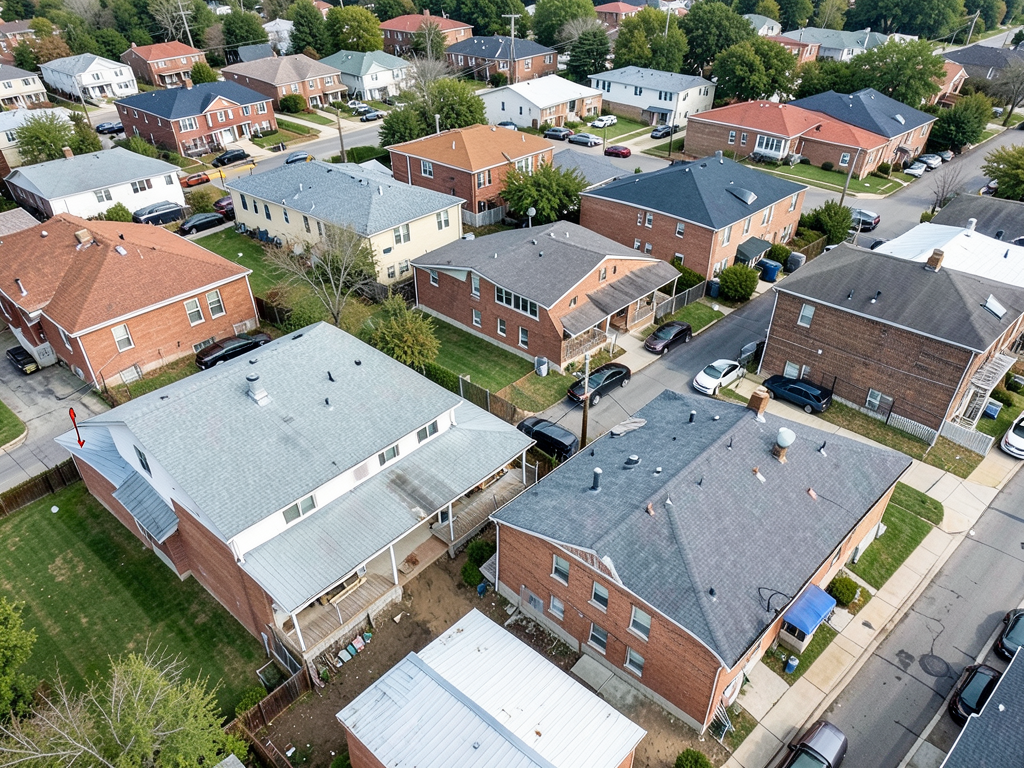
Evergreen Roofing Memphis is strategically located to serve all residential and commercial clients across the entire Memphis metropolitan area and surrounding Mid-South communities. View our central business location on the map to see our service radius, and remember that our dedicated team is always prepared to travel directly to your property to deliver the expert roofing services you need, precisely when you need them.

Address:
Evergreen Roofing Memphis, 333 S Bellevue Blvd, Memphis, TN, 38104

Additional Services We Offer

Our news updates

Latest Articles & News from The Blogs

Emergency Roof Leak Repair in Raleigh TN: Fast Service Without the High Price Tag Roof leaks don’t wait for convenient…

Getting a Fast Roof Leak Patch in Raleigh Without Breaking the Bank

Emergency Roof Leak Repair in Raleigh TN: Fast Service Without the High Price Tag Roof leaks don’t wait for convenient…

Why Your Collierville Home Might Need a Roof Cricket to Stop Water Pooling

Why Your Collierville Home Might Need a Roof Cricket to Stop Water Pooling Water pooling behind your chimney is more…

Checking the Tennessee Contractor License of Your Roofer Before the Work Starts

Checking the Tennessee Contractor License of Your Roofer Before the Work Starts Before you sign a contract with any roofing…

Contact Us

Call Evergreen Roofing Memphis at (901) 669-7399 right now to schedule your valley leak assessment. Every rainstorm makes the damage worse. We will identify the exact failure point and execute a permanent repair that ends the water intrusion for good.