menu

Rotting Fascia Boards in Memphis – Expert Diagnosis Stops Wood Decay Before Roof Damage Spreads

Evergreen Roofing Memphis identifies the root cause of fascia board rot and applies targeted repairs that protect your roofline, prevent water intrusion, and restore structural integrity to your home's trim system.

Slider Image 1
Slider Image 2
Slider Image 3
Slider Image 4
Slider Image 5
Slider Image 7
Slider Image 8
Slider Image 9
Slider Image 10
Slider Image 11

Why Memphis Fascia Boards Decay Faster Than You Think

Memphis receives over 54 inches of rain annually, and the combination of high humidity, summer thunderstorms, and freeze-thaw cycles creates perfect conditions for fascia board rot. Your fascia boards sit at the roofline, directly exposed to moisture from clogged gutters, failed drip edge, or missing shingles. When water sits against wood trim for days or weeks, the decay accelerates.

You notice it starts small. A soft spot near the gutter. Peeling paint. A dark stain spreading along the roof trim. What you are seeing is water damaged fascia, and the rot is moving faster than the surface suggests. Memphis homes built before 2000 often have untreated pine fascia boards, which absorb moisture like a sponge. The wood swells, contracts, and cracks. Fungal spores colonize the damp fibers. Within months, what looked like minor cosmetic damage becomes decaying fascia wood that compromises your entire roof structure.

The clay soil common throughout Shelby County causes foundation settling, which shifts rooflines and creates gaps where water infiltrates. Combined with Memphis's muggy summers, this creates a relentless cycle of wetting and drying that accelerates wood rot on fascia. You might blame the gutter system, but the real issue is often poor flashing, inadequate ventilation, or improperly sealed roof edges. The fascia board is not failing because it is old. It is failing because water has a pathway, and no amount of paint will fix that.

Rotted roof trim does not heal itself. The longer you wait, the more subfascia, rafter tails, and soffit boards become compromised. You need a targeted diagnosis, not a Band-Aid.

Why Memphis Fascia Boards Decay Faster Than You Think
How We Stop Fascia Rot at the Source

How We Stop Fascia Rot at the Source

Evergreen Roofing Memphis does not sand down rot and slap on primer. We trace the water source, remove compromised material, and rebuild the roofline with moisture-resistant components that match your home's architecture. Our process starts with a moisture meter scan to map the extent of decay. We check behind gutters, under drip edge, and along soffit seams to identify hidden saturation. Many homeowners are shocked when we find rot extending 18 inches past the visible damage.

We remove the rotted section in clean, squared cuts to reach solid wood. This prevents future decay from creeping back into the repair. If the subfascia or rafter tail shows soft spots, we address those as well. Leaving compromised wood behind is how other contractors end up with callbacks six months later. We use pressure-treated lumber or PVC trim boards depending on exposure level and your budget. PVC resists moisture completely, which makes sense for areas prone to gutter overflow or poor drainage.

Before installation, we inspect and repair the drip edge, step flashing, and gutter apron. These components direct water away from the fascia. If they are damaged or missing, the new fascia board will rot just as fast as the old one. We seal all seams with polyurethane caulk, not latex. We prime bare wood with oil-based primer to block moisture penetration. We match your existing fascia profile so the repair blends seamlessly.

The goal is not just to replace rotted roof trim. The goal is to eliminate the conditions that caused it. That means fixing the flashing, improving ventilation, and ensuring your gutter system drains properly. Anything less is a temporary fix.

What Happens During Your Fascia Board Repair

Rotting Fascia Boards in Memphis – Expert Diagnosis Stops Wood Decay Before Roof Damage Spreads
01

Moisture Mapping and Diagnosis

We use a digital moisture meter to scan your fascia boards, subfascia, and rafter tails. This identifies hidden water damage you cannot see from the ground. We trace the water source, whether it is failed flashing, clogged gutters, or a shingle defect. You get a clear explanation of what caused the rot and what needs repair. No guessing.
02

Surgical Wood Removal

We cut out decaying fascia wood in clean, square sections to solid material. If subfascia or rafter tails show soft spots, we address those before installing new trim. This prevents future rot from creeping into the repair. We match your fascia profile and use pressure-treated lumber or PVC based on exposure and budget. All flashing and drip edge gets inspected and repaired.
03

Sealed and Protected Installation

New fascia boards are primed with oil-based sealer and installed with corrosion-resistant fasteners. We seal all seams with polyurethane caulk to block moisture infiltration. Gutters are reattached with proper spacing to prevent future water contact. You get a roofline that sheds water correctly and trim boards that will not decay in the next storm season.

Why Memphis Homeowners Choose Evergreen Roofing for Fascia Repairs

Memphis homeowners deal with specific challenges: high humidity, clay soil movement, and sudden temperature swings that accelerate wood decay. Evergreen Roofing Memphis has repaired fascia systems on Midtown bungalows, East Memphis colonials, and historic Cooper-Young homes. We understand the architectural details that matter, from matching fascia profiles on 1920s craftsman homes to installing modern PVC trim on new construction in Germantown.

We know the building codes in Shelby County. We know how Memphis inspectors evaluate roofline repairs. We know which lumber yards stock the right materials for historical accuracy and which modern composites hold up in our climate. This is not generic knowledge. This is local expertise built over years of solving the same problems you are facing right now.

When you call a national chain or a generalist handyman, you get someone who treats fascia board rot like a cosmetic issue. They replace the board, paint it, and leave. Three months later, the rot is back because they never fixed the flashing or addressed the gutter drainage. Evergreen Roofing Memphis does not work that way. We treat fascia rot as a roofing system failure, not a trim problem. We identify the water source, fix the underlying issue, and install materials that resist future decay.

You also get transparency. We explain what we find, what it will take to fix it correctly, and what happens if you delay. No pressure. No upselling. Just clear answers from someone who has seen this exact problem on hundreds of Memphis roofs. You deserve a repair that lasts longer than the next thunderstorm.

What You Can Expect From Your Fascia Board Repair

Repair Timeline and Scheduling

Most fascia board repairs take one to two days depending on the extent of rot and the number of sections affected. We schedule around your availability and work efficiently to minimize disruption. If we discover additional damage during the tear-out phase, we notify you immediately with options and costs before proceeding. Emergency repairs for severe rot or structural concerns can often be started within 48 hours. We coordinate with your schedule and provide clear start and completion windows so you can plan accordingly.

Initial Assessment and Moisture Testing

Your repair begins with a thorough inspection using moisture meters and visual assessment from ladder access. We document the extent of rot, photograph problem areas, and test adjacent boards to map hidden damage. You receive a detailed explanation of what caused the decay, what needs replacement, and what underlying issues require attention. We identify whether the problem stems from gutter overflow, failed flashing, or ventilation deficiencies. This diagnostic phase ensures we fix the root cause, not just the symptom. You get honest answers and a clear repair plan.

Quality of Materials and Workmanship

We use pressure-treated lumber or PVC trim boards based on your home's exposure level and your preference for longevity. All wood is primed with oil-based sealer before installation to prevent moisture absorption. Fasteners are corrosion-resistant. Seams are sealed with polyurethane caulk. We match existing fascia profiles so repairs blend seamlessly with your roofline. You get a finished product that looks original, not patched. The work meets Memphis building codes and passes inspection. The repair is built to withstand the next decade of weather, not just the next season.

Post-Repair Guidance and Maintenance

After installation, we walk you through what was repaired and what to monitor going forward. We explain how to maintain your gutters to prevent future water contact with fascia boards. We point out any other areas showing early signs of wear so you can address them before they become problems. You receive care instructions for painted or primed surfaces. If your repair involved flashing or drip edge work, we explain how those components protect your roofline. We remain available for follow-up questions and can schedule annual inspections to catch issues early.

Frequently Asked Questions

You Have Questions,
We Have Answers

What causes fascia boards to rot? +

Fascia boards rot when water infiltrates the wood. In Memphis, clogged gutters are the primary culprit. When gutters overflow, water backs up against the fascia and soaks into the grain. Damaged or missing roof flashing also channels water directly onto fascia boards. Ohio's freeze-thaw cycles worsen the damage as trapped moisture expands and contracts, splitting wood fibers. Poor attic ventilation creates condensation that seeps through soffit connections. Check where gutters attach to fascia. If downspouts drain poorly or gutters sag, water sits against the wood for hours after each storm, accelerating decay.

How to fix rotting fascia? +

Fixing rotted fascia requires complete removal of damaged sections. Small spots cannot be patched effectively. First, detach the gutter from the affected area. Remove the rotted board and inspect the rafter tails behind it for moisture damage. If rafter ends show rot, they need treatment or sistering before fascia replacement. Cut new pressure-treated or composite fascia to length. Seal all cut ends. Attach the new board with galvanized screws, not nails. Reinstall gutters with proper flashing and ensure downspouts direct water away from the foundation. Memphis homeowners should address gutter alignment issues immediately to prevent recurrence.

Does homeowners insurance cover rotted fascia? +

Homeowners insurance covers rotted fascia only if sudden damage caused it. A wind storm that tears off shingles and exposes fascia to water qualifies. Gradual rot from deferred maintenance does not. Insurance adjusters will inspect the damage source. If they find clogged gutters or old roofing materials, they deny the claim. Document storm damage with photos immediately. In Memphis, spring storms can compromise roof edges quickly. If wind or hail damaged your roof and water reached the fascia within days, file promptly. Rot discovered months later without a documented weather event will likely be denied as maintenance neglect.

How much does it cost to replace a rotten fascia board? +

Fascia board replacement costs depend on access difficulty, material choice, and extent of rafter damage. Single-story homes with easy roof access cost less than two-story structures. Pressure-treated wood is the most affordable option. Composite or PVC fascia costs more upfront but resists future rot. If rafter tails need repair, labor costs increase significantly. Memphis contractors must work around unpredictable spring weather, which can delay projects. Most replacements involve gutter removal and reinstallation. Get three written estimates that specify materials, linear footage, and whether soffit repair is included. Emergency repairs during storm season will carry premium pricing.

What is the life expectancy of a fascia board? +

Properly maintained fascia boards last 20 to 30 years. Pressure-treated wood performs well in Ohio's humid climate if protected from standing water. Composite and PVC fascia can last 50 years or more with minimal maintenance. Lifespan depends entirely on water management. Gutters that overflow shorten fascia life to under 10 years. Memphis homes near mature trees face added risk from clogged gutters and moss growth, which traps moisture. Inspect fascia twice yearly, especially after heavy storms. Repaint or reseal wood fascia every five years. Replace gutters before they sag and leak. Prevention extends fascia life significantly.

Does wood rot always mean termites? +

Wood rot does not always mean termites. Fungal decay from moisture causes most fascia rot in Memphis. Termites leave mud tubes, frass, and hollow-sounding wood. Rot appears as soft, spongy areas with discoloration. Press a screwdriver into suspected rot. If it sinks easily, fungi have destroyed the wood structure. Termites create galleries inside but leave surface wood relatively intact. Ohio's damp spring conditions favor fungal growth on exposed fascia. Inspect for both issues during replacement. If you see mud tubes or winged insects near rotted fascia, call a pest inspector before proceeding. Treat termite infestations before installing new boards.

How much does it cost to replace one fascia board? +

Replacing one fascia board costs less than full perimeter replacement, but contractors often find hidden damage once they start. Single board replacement requires gutter removal, wood removal, rafter inspection, new board installation, and gutter reattachment. If surrounding boards show early decay, replacing only one section delays inevitable work. Memphis contractors price by linear footage plus minimum service call fees. Small jobs may cost disproportionately more per foot due to setup time. Ask if the estimate includes soffit inspection and paint matching. Many contractors recommend addressing all compromised sections at once to avoid multiple service calls and scaffolding fees.

Will insurance cover rotten joists? +

Insurance rarely covers rotten joists. Joists rot from long-term water intrusion, which insurers classify as maintenance failure. Policies cover sudden, accidental damage, not deterioration. If a storm damages your roof and water reaches joists before you can make repairs, document everything immediately. Take photos showing the storm damage and water path. File the claim within days, not weeks. Memphis homeowners face higher scrutiny on water damage claims due to regional humidity. Adjusters will investigate whether the rot predated the storm. Structural damage from neglected leaks will be denied. Routine attic inspections help catch problems before they become claim denials.

What does damaged fascia look like? +

Damaged fascia shows visible rot, peeling paint, and water stains. Look for soft spots where wood feels spongy when pressed. Discoloration appears as dark streaks or gray patches where moisture has penetrated. In Memphis, check behind gutter hangers where water pools. Gaps between fascia and soffit indicate boards are pulling away or warping. Mold and algae growth signal ongoing moisture problems. Cracked or split boards allow water to reach rafter tails behind them. Birds and insects nesting in fascia gaps worsen damage. Walk your roofline after storms. If you see sagging gutters or peeling paint near downspouts, inspect closely for hidden rot.

What not to say when filing a homeowners insurance claim? +

Never tell your insurance adjuster the damage is old or existed before the storm. Do not speculate about causes you cannot prove. Avoid saying you knew about leaks but delayed repairs. Never mention deferred maintenance or skipped inspections. Do not exaggerate damage or submit unrelated repairs in the same claim. Memphis homeowners should stick to facts and timelines. State when you discovered the damage and what weather event preceded it. Provide photos and contractor estimates without commentary. Let the adjuster determine cause. Do not sign anything releasing the insurer from further inspection. Answer questions directly but do not volunteer information about past roof problems.

How Memphis Humidity and Clay Soil Accelerate Fascia Board Rot

Memphis sits in a humid subtropical zone with an average relative humidity above 70 percent year-round. This constant moisture saturation keeps wood trim damp for extended periods, especially in shaded areas where airflow is limited. When you combine this with the expansive clay soil common throughout Shelby County, you get foundation and roofline movement that creates gaps where water infiltrates. The soil swells during wet springs and contracts during dry summers, shifting the entire structure just enough to compromise flashing seals and gutter attachments. This is why fascia board rot is not just a maintenance issue in Memphis. It is a structural issue driven by geography and climate.

Evergreen Roofing Memphis has repaired fascia systems across Midtown, East Memphis, Germantown, and Cordova. We understand how Memphis homes age and where water intrusion typically occurs. We work with local building inspectors and follow Shelby County codes for all roofline repairs. Our familiarity with Memphis architecture means we can match fascia profiles on historic homes and recommend the right materials for modern builds. Choosing a local contractor who understands your climate, soil conditions, and building standards is not just convenient. It is essential for repairs that last.
Roofing Services in The Memphis Area

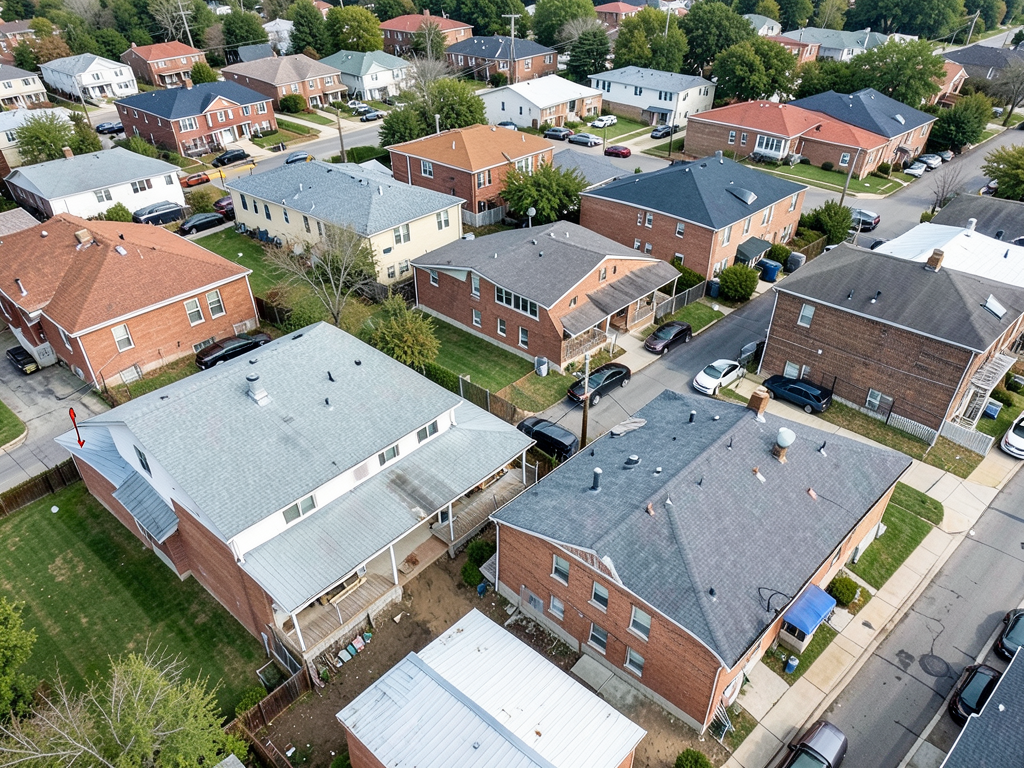
Evergreen Roofing Memphis is strategically located to serve all residential and commercial clients across the entire Memphis metropolitan area and surrounding Mid-South communities. View our central business location on the map to see our service radius, and remember that our dedicated team is always prepared to travel directly to your property to deliver the expert roofing services you need, precisely when you need them.

Address:
Evergreen Roofing Memphis, 333 S Bellevue Blvd, Memphis, TN, 38104

Additional Services We Offer

Our news updates

Latest Articles & News from The Blogs

Emergency Roof Leak Repair in Raleigh TN: Fast Service Without the High Price Tag Roof leaks don’t wait for convenient…

Getting a Fast Roof Leak Patch in Raleigh Without Breaking the Bank

Emergency Roof Leak Repair in Raleigh TN: Fast Service Without the High Price Tag Roof leaks don’t wait for convenient…

Why Your Collierville Home Might Need a Roof Cricket to Stop Water Pooling

Why Your Collierville Home Might Need a Roof Cricket to Stop Water Pooling Water pooling behind your chimney is more…

Checking the Tennessee Contractor License of Your Roofer Before the Work Starts

Checking the Tennessee Contractor License of Your Roofer Before the Work Starts Before you sign a contract with any roofing…

Contact Us

Do not wait for rot to spread into rafter tails and soffit boards. Call Evergreen Roofing Memphis at (901) 669-7399 for a moisture assessment and repair estimate. We diagnose the source, remove compromised wood, and restore your roofline correctly.