menu

TPO vs EPDM Roofing Guide for Memphis – Choose the Right Flat Roof Material for Tennessee's Climate

Compare thermoplastic polyolefin and rubber roofing systems designed for Memphis's extreme heat, heavy rainfall, and seasonal temperature swings to protect your investment for decades.

Slider Image 1
Slider Image 2
Slider Image 3
Slider Image 4
Slider Image 5
Slider Image 7
Slider Image 8
Slider Image 9
Slider Image 10
Slider Image 11

Why the TPO or EPDM Choice Matters More in Memphis's Climate

Memphis's climate punishes flat roofs. You deal with brutal summer heat that turns your roof into a solar oven, thunderstorms that dump inches of water in minutes, and winter freeze-thaw cycles that crack sealants and expand joints. The difference between TPO and EPDM determines whether your flat roof fails in 10 years or protects your building for 30 years.

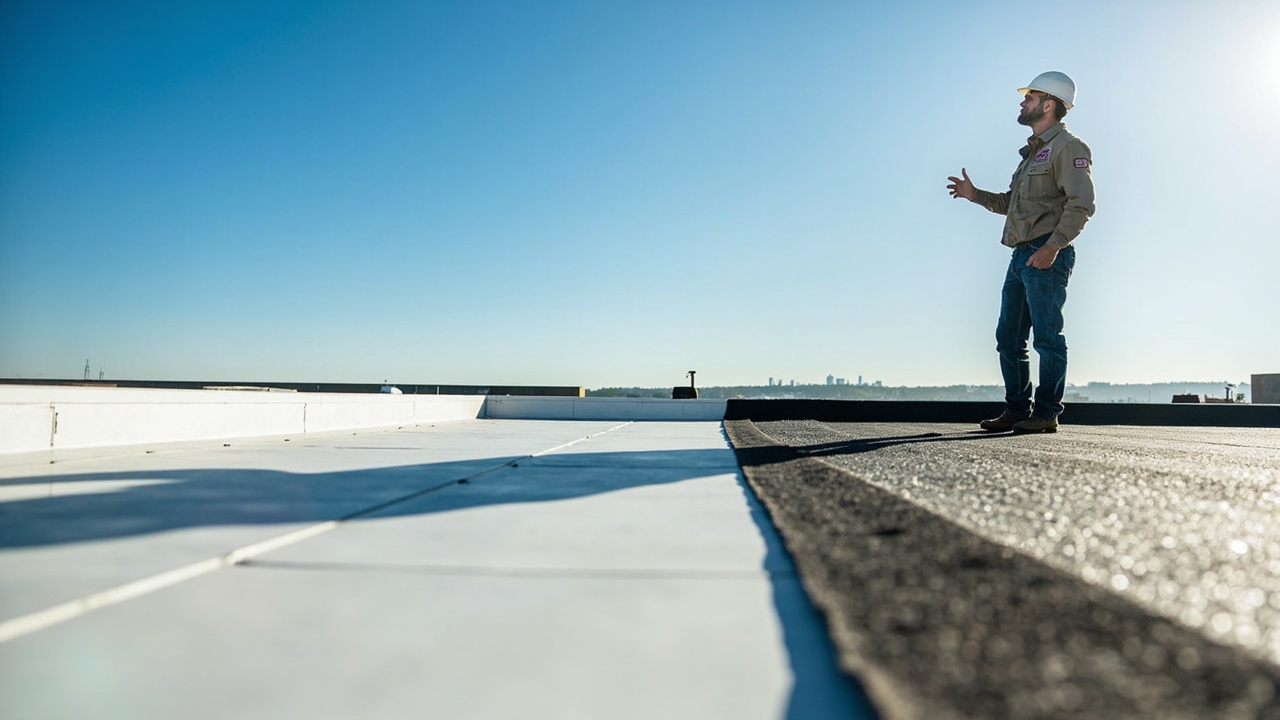
Thermoplastic polyolefin membrane systems reflect UV rays and stay cool in Memphis's 95-degree summers. EPDM rubber roofing absorbs heat but handles ponding water better during our spring deluge season. Your choice depends on your building's specific drainage patterns, sun exposure, and whether you have rooftop HVAC units adding concentrated load points.

The TPO vs EPDM pros and cons shift based on local factors. Memphis's clay soil expands and contracts with moisture changes, causing structural movement that stresses flat roofs. Buildings in Midtown face different challenges than warehouse facilities in Frayser or commercial properties near the Medical District. EPDM's flexibility handles structural movement better, while TPO's heat-welded seams resist the wind uplift forces that hit exposed rooftops in the Bluff City.

The EPDM vs TPO cost comparison looks different here than in other markets. Memphis's humidity accelerates adhesive breakdown in mechanically attached systems. Fully adhered or ballasted installations cost more upfront but survive our weather extremes. You need to factor in Memphis-specific installation requirements, not just national averages, when comparing thermoplastic polyolefin vs rubber roofing for your flat roof project.

Why the TPO or EPDM Choice Matters More in Memphis's Climate
How We Evaluate Which System Works for Your Memphis Building

How We Evaluate Which System Works for Your Memphis Building

We start with a structural load assessment. Your existing deck must support the additional weight of either system, especially if we recommend ballasted EPDM with stone aggregate. We calculate live load capacity, check joist spacing, and measure deflection to determine if your building can handle a heavier rubber membrane or requires the lighter TPO alternative.

Next, we analyze your drainage patterns. Memphis gets 54 inches of rain annually. We map every low spot, measure slope ratios, and identify where water pools after storms. Buildings with minimal slope benefit from EPDM's superior ponding water resistance. Properties with proper drainage and southern exposure perform better with TPO's reflective surface that reduces cooling loads during Memphis's extended summer season.

We inspect penetrations and roof traffic patterns. HVAC platforms, exhaust vents, and parapet walls create detail work that determines membrane choice. TPO's heat-welded seams create watertight flashings around mechanical units. EPDM requires liquid-applied details that work better on complex geometries but demand perfect installation technique in Memphis's humidity.

We review your building use and access needs. Restaurants with rooftop grease exhaust require chemical-resistant TPO. Warehouses with minimal foot traffic benefit from EPDM's lower material costs. Medical facilities needing frequent HVAC maintenance benefit from TPO's puncture resistance under technician foot traffic.

Evergreen Roofing Memphis documents every measurement, creates thermal imaging reports showing heat loss patterns, and provides side-by-side projections showing lifecycle costs for both systems specific to your building's orientation, surrounding structures, and exposure to Memphis weather patterns.

What Happens During Your Flat Roof System Evaluation

TPO vs EPDM Roofing Guide for Memphis – Choose the Right Flat Roof Material for Tennessee's Climate
01

Building Assessment and Testing

We perform a comprehensive roof inspection using infrared cameras to detect trapped moisture in your existing system. We pull core samples to examine substrate condition, measure insulation R-values, and test for asbestos in older buildings. We document every penetration, measure roof dimensions, and photograph drainage issues. This diagnostic phase determines whether you need a complete tearoff or can install a new membrane over your existing deck, which significantly impacts your project timeline and budget.
02

System Selection and Specification

We calculate thermal performance for both TPO and EPDM options based on your building's energy usage patterns. We compare membrane thicknesses, attachment methods, and insulation upgrades. You receive written specifications showing reflectivity ratings, wind uplift classifications, and projected energy savings. We explain membrane thickness options, whether 45-mil, 60-mil, or 80-mil material makes sense for your application, and how attachment method affects warranty coverage. This phase includes detailed cost projections for both systems with no hidden variables.
03

Installation Planning and Coordination

We create a project schedule that minimizes business disruption. We coordinate material delivery to avoid Memphis's summer afternoon thunderstorms that halt installation. We plan around your operational needs, staging work in phases if you cannot close your facility. You receive a detailed timeline showing tearoff duration, substrate prep, membrane installation, and final inspection. We schedule the manufacturer's inspection required for warranty activation and handle all permitting with the City of Memphis Building Code Enforcement Division.

Why Memphis Property Owners Choose Local Flat Roofing Specialists

Memphis's commercial roofing market has unique requirements that national chains miss. We understand that buildings in the Pinch District face different wind exposure than properties near the Wolf River Harbor. We know which membrane manufacturers have local distribution, ensuring quick material delivery when storm damage requires emergency patches. We maintain relationships with the inspectors who enforce Memphis's commercial building codes.

We stock both TPO and EPDM materials locally. When a summer hailstorm damages your roof, you do not wait three weeks for materials shipped from regional warehouses. We keep common membrane sizes, prefabricated flashings, and specialty adhesives designed for Memphis's humidity levels. This matters when your building is leaking and every day of delay costs you revenue.

Our installation crews understand Memphis weather patterns. We schedule tearoffs around forecast models, knowing that afternoon thunderstorms develop rapidly from April through September. We do not leave your building exposed overnight during our rainy season. We use installation techniques proven in Memphis's climate, not generic methods taught in training seminars held in Arizona.

We maintain manufacturer certifications for both GAF and Firestone systems. This gives you access to extended warranties that require certified installers. We handle warranty registration, schedule required inspections, and maintain documentation that protects your investment. When you sell your property, transferable warranties increase building value.

Evergreen Roofing Memphis has installed over 500 flat roofs across Shelby County. We have worked on medical facilities in East Memphis, warehouses in Hickory Hill, and office buildings downtown. We understand the difference between installing TPO on a one-story retail building and a three-story mixed-use property, and we adjust our approach accordingly.

What Your Flat Roof Replacement Project Includes

Project Timeline and Scheduling

Most commercial flat roof replacements take 3-7 days depending on building size and complexity. We schedule around your business operations, working nights or weekends if necessary for occupied facilities. Weather delays extend timelines during Memphis's spring storm season. We provide daily updates and adjust schedules in real time when conditions change. Tearoff and disposal typically require one day. Substrate repair and insulation installation add 1-2 days. Membrane installation requires dry conditions and temperatures above 40 degrees. We do not rush installation to meet arbitrary deadlines when weather conditions compromise quality.

Initial Inspection and Material Selection

We conduct a detailed roof assessment before providing final pricing. This includes core samples to check for wet insulation, infrared scanning to map moisture intrusion, and structural evaluation of deck integrity. We measure exact square footage, document all penetrations, and photograph existing conditions. You receive a written report comparing TPO and EPDM options with projected energy savings calculations. We explain the difference between mechanically attached, fully adhered, and ballasted systems. We provide samples of both membrane types and discuss color options that affect solar reflectance and building aesthetics.

Installation Quality and Building Protection

We protect your interior spaces with tarps and barriers during tearoff. We use equipment mats to prevent damage to parking areas and landscaping. Our crews remove debris daily and maintain a clean job site. TPO installations use hot air welding equipment that creates seams twice as strong as adhesive bonds. EPDM installations use pressure-sensitive adhesives or mechanical fasteners based on your wind zone rating. We install new metal flashings at all penetrations and parapet walls. Every seam receives quality control testing before we leave your site. You receive photo documentation of completed details.

Warranty Coverage and Maintenance Programs

Material warranties range from 15 to 30 years depending on membrane thickness and manufacturer. Installation workmanship warranties cover labor for 10 years minimum. We register your warranty directly with the manufacturer and provide you with all documentation. We offer annual maintenance programs that include biannual inspections, drain cleaning, and minor repairs. Regular maintenance protects your warranty coverage and extends roof lifespan. We document all service visits and maintain digital records of your roof's condition over time. These records prove invaluable when you need warranty claims processed or when selling your property.

Frequently Asked Questions

You Have Questions,
We Have Answers

How Memphis's Humidity and Temperature Swings Affect Flat Roof Membrane Performance

Memphis averages 65 percent relative humidity year-round. This moisture saturates any gaps in membrane seams and accelerates adhesive breakdown in poorly installed systems. EPDM's rubber composition remains flexible in humid conditions but requires meticulous seam tape application. Any wrinkle or air pocket traps moisture that eventually causes seam failure. TPO's heat-welded seams fuse completely, eliminating pathways for moisture intrusion. Memphis's temperature range from 20-degree winter lows to 95-degree summer highs causes membrane expansion and contraction that stresses fasteners and seams. Buildings near the Mississippi River face additional moisture exposure from fog and increased humidity.

Memphis's commercial building codes require specific wind uplift ratings based on building height and exposure category. Properties in downtown's high-rise corridors face stricter requirements than single-story warehouses in suburban areas. We maintain current knowledge of Shelby County building code amendments and work directly with Memphis code officials on permit approval. Our crews attend manufacturer training specific to high-humidity installation techniques. We understand that shortcuts acceptable in drier climates fail quickly in Memphis. Choosing a roofing contractor familiar with Memphis's specific weather challenges protects your investment and ensures your roof system performs as engineered.
Roofing Services in The Memphis Area

Evergreen Roofing Memphis is strategically located to serve all residential and commercial clients across the entire Memphis metropolitan area and surrounding Mid-South communities. View our central business location on the map to see our service radius, and remember that our dedicated team is always prepared to travel directly to your property to deliver the expert roofing services you need, precisely when you need them.

Address:
Evergreen Roofing Memphis, 333 S Bellevue Blvd, Memphis, TN, 38104

Additional Services We Offer

Our news updates

Latest Articles & News from The Blogs

Emergency Roof Leak Repair in Raleigh TN: Fast Service Without the High Price Tag Roof leaks don’t wait for convenient…

Getting a Fast Roof Leak Patch in Raleigh Without Breaking the Bank

Emergency Roof Leak Repair in Raleigh TN: Fast Service Without the High Price Tag Roof leaks don’t wait for convenient…

Why Your Collierville Home Might Need a Roof Cricket to Stop Water Pooling

Why Your Collierville Home Might Need a Roof Cricket to Stop Water Pooling Water pooling behind your chimney is more…

Checking the Tennessee Contractor License of Your Roofer Before the Work Starts

Checking the Tennessee Contractor License of Your Roofer Before the Work Starts Before you sign a contract with any roofing…

Contact Us

Stop guessing which flat roof system works for your building. Call Evergreen Roofing Memphis at (901) 669-7399 for a detailed assessment. We provide side-by-side cost projections, energy savings calculations, and warranty comparisons specific to your property. Schedule your evaluation today.