
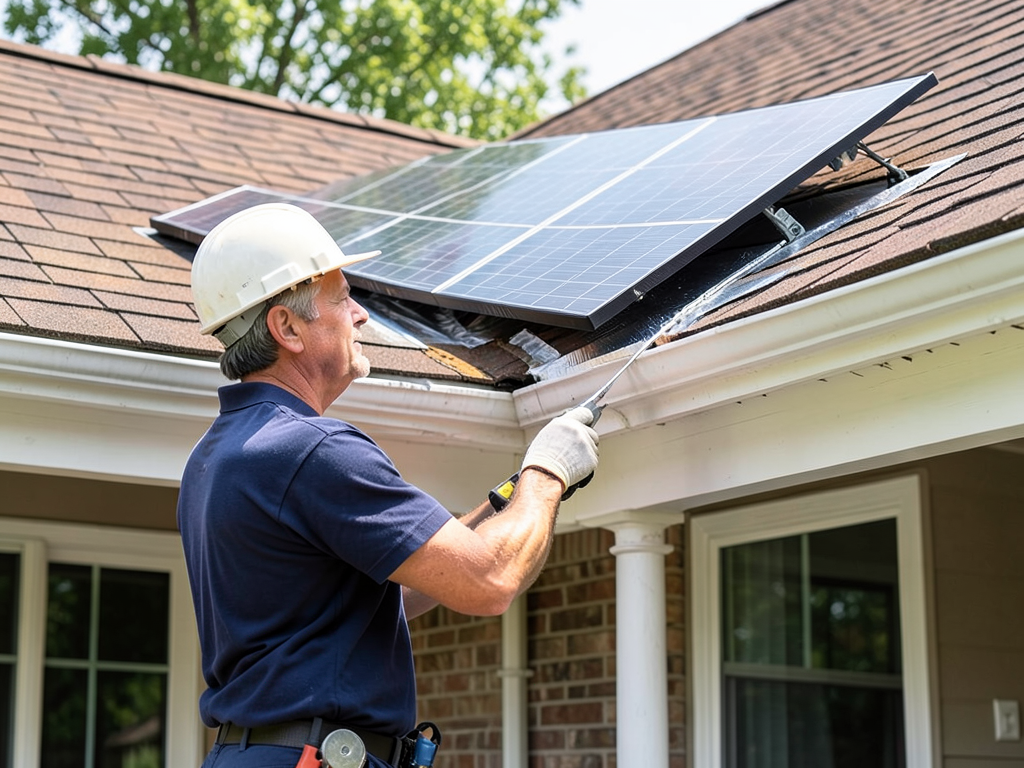
The pros and cons of installing a solar attic fan to vent your hot Cordova attic
Solar attic fans can reduce attic temperatures by up to 40 degrees during Memphis summers while eliminating operating costs. These fans pull superheated air out through roof vents, allowing cooler air to enter through soffit vents. For Cordova homeowners battling extreme heat and high cooling bills, the technology offers both significant advantages and some important limitations that deserve careful consideration.
How solar attic fans work in Memphis’s climate
Solar attic fans use photovoltaic panels to power a DC motor that spins a propeller. When sunlight hits the panel, electricity flows to the motor, creating airflow that exhausts hot attic air through roof-mounted vents. The system operates automatically without wiring or switches.
In Cordova’s humid subtropical climate, these fans face unique challenges. Memphis summers bring 90+ degree days with humidity often exceeding 70 percent. The combination creates attic conditions where temperatures regularly reach 150 degrees or higher. Solar fans must contend with pollen buildup on panels, occasional summer thunderstorms that can affect mounting integrity, and the need for consistent performance during peak cooling season. Storm Damage Roof Inspection and Repair in Bartlett.
The technology works best when paired with proper passive ventilation. Soffit vents allow cool air intake while the solar fan provides active exhaust. This creates continuous airflow that prevents moisture accumulation and reduces thermal stress on roofing materials. Roofing Lakeland.
Key advantages for Cordova homeowners
Energy savings represent the most compelling benefit. Solar fans operate at no cost after installation, unlike electric models that add $10-20 monthly to utility bills. Over a typical Memphis summer, this translates to $50-100 in savings just from fan operation. Slate & Synthetic Slate Roofing.
Reduced HVAC strain provides another significant advantage. When attic temperatures drop from 150 to 110 degrees, your air conditioning system doesn’t work as hard to cool living spaces. This can extend HVAC equipment life by 2-3 years and reduce maintenance costs.
The federal tax credit offers substantial financial incentive. The 30 percent Residential Clean Energy Credit applies to both equipment and installation costs. For a typical $800-1,200 installation, this means $240-360 back at tax time. Residential Roofers Specializing in Historic Homes in Central Gardens.
Installation flexibility makes solar fans attractive for difficult-to-wire spaces. They mount directly to roof shingles without requiring electrical connections, making them ideal for retrofitting older Cordova homes or structures where running power would be costly.
Potential drawbacks to consider
Initial costs exceed traditional ventilation options. While electric fans run $200-400, quality solar units with proper mounting hardware cost $400-800 installed. The payback period typically ranges from 3-5 years depending on energy usage.
Performance varies with sunlight availability. Cloudy days or shaded installations reduce fan speed and airflow. In Cordova’s tree-lined neighborhoods, overhanging branches can significantly impact effectiveness. Morning and evening operation also suffers when sunlight angles are low.
Maintenance requirements differ from passive systems. Solar panels need periodic cleaning to remove pollen, dust, and debris that accumulate during Memphis’s pollen seasons. The brushless motor typically lasts 10-15 years but will eventually require replacement.
Roof penetration creates potential leak points. Each fan requires cutting through shingles and underlayment. Professional installation with proper flashing is essential to prevent water intrusion during Memphis’s frequent thunderstorms.
Comparing solar to other ventilation options
| Ventilation Type | Initial Cost | Operating Cost | Maintenance | Best For |
|---|---|---|---|---|
| Solar Attic Fan | $400-800 | $0 | Annual cleaning | Retrofit projects |
| Electric Attic Fan | $200-400 | $10-20/month | Minimal | New construction |
| Ridge Vent | $3-5/linear ft | $0 | None | New roof installations |
| Gable Vent | $50-150 | $0 | None | Existing gable ends |
Solar fans provide active ventilation while ridge vents offer passive airflow. Electric fans match solar performance but add operating costs. Gable vents work well for simple roof designs but lack the targeted exhaust capability of powered systems.
Installation process and requirements
Professional installation ensures proper sealing and optimal performance. The process begins with attic inspection to determine ventilation needs based on cubic footage. A typical 1,500 square foot attic requires 800-1,200 CFM of exhaust capacity.
Roof assessment follows to identify the best mounting location. South-facing slopes receive maximum sunlight, but installers must avoid areas with heavy tree cover or potential shading from chimneys or other structures.
Flashing installation represents the most critical step. Professional roofers use galvanized steel or aluminum flashing that integrates with existing shingle courses. The flashing extends under upper shingles and over lower ones, creating a water-shedding assembly that prevents leaks.
Sealing completes the process with roofing cement applied around all penetrations. High-quality installations include rubber gaskets and stainless steel fasteners that resist corrosion in Memphis’s humid environment.
Energy savings and ROI calculations
Memphis homeowners typically see 10-15 percent reduction in cooling costs after installing solar attic fans. For a home with $200 monthly summer electric bills, this translates to $20-30 monthly savings during peak cooling season.
The federal tax credit reduces net installation costs by 30 percent. If your fan costs $1,000 installed, you receive $300 back when filing taxes, bringing your net investment to $700.
Payback periods vary based on energy rates and usage patterns. With MLGW’s current rates around 11 cents per kilowatt-hour, most Cordova homeowners recoup their investment in 4-6 years. Higher energy costs or larger homes can shorten this timeline.
Additional savings come from reduced HVAC maintenance. Lower attic temperatures mean your air conditioner runs less frequently, potentially extending equipment life by 2-3 years. This can save $3,000-5,000 in replacement costs.
Maintenance requirements for Memphis conditions
Memphis’s high pollen counts and humidity create specific maintenance needs. Solar panels accumulate pollen, dust, and organic debris that reduce efficiency by up to 25 percent if left uncleaned. Biannual cleaning with mild soap and water maintains optimal performance.
Motor bearings require inspection every 2-3 years. Quality brushless DC motors last 10-15 years but may develop noise or vibration as they age. Early detection prevents complete failure during peak cooling season.
Roof seals need annual inspection, especially after severe weather. Memphis experiences frequent thunderstorms with winds exceeding 30 mph. Checking flashing integrity and sealant condition prevents water intrusion.
Thermostat calibration ensures proper operation. Most solar fans include adjustable thermostats that activate fans at 80-90 degrees. Incorrect settings waste energy or allow attic temperatures to climb too high.
Determining if solar attic fans suit your home
Roof design significantly impacts effectiveness. Simple gable roofs with good ridge-to-soffit airflow benefit most from solar fans. Complex hip roofs or those with multiple valleys may require additional ventilation strategies.
Tree coverage affects performance. Homes in Cordova’s established neighborhoods often have mature trees that provide shade but reduce solar panel efficiency. South-facing roof sections without tree cover offer optimal locations.
Existing ventilation quality matters. Homes with properly sized ridge vents may not need additional powered ventilation. However, many older Cordova homes lack adequate passive ventilation, making solar fans an excellent upgrade.
Energy usage patterns influence value. High electricity users see faster payback due to greater cooling cost reductions. Homes with electric water heaters or pool pumps may benefit more from solar fan installation.
Frequently Asked Questions
How many solar attic fans does my home need?
Most homes require one fan for every 1,500-2,000 square feet of attic space. Calculate your attic’s cubic footage by multiplying length, width, and average height. Divide by 1,000 to determine required CFM. A typical 2,000 square foot home needs 800-1,200 CFM.
Will a solar attic fan work on cloudy days?
Solar fans operate with reduced speed during cloudy conditions. While they won’t match full sunlight performance, they still provide ventilation when ambient light is sufficient. Most fans start operating at light levels around 10,000 lux, which occurs even on overcast days.
Can I install a solar attic fan myself?
DIY installation is possible but not recommended. Proper flashing installation requires roofing experience to prevent leaks. Incorrect mounting can damage shingles and void warranties. Professional installation typically costs $200-400 and includes warranty coverage.
How long do solar attic fans last?
Quality solar attic fans last 10-15 years with proper maintenance. The solar panel typically outlasts the motor, which may need replacement after 8-12 years. Most manufacturers offer 5-year warranties on complete units and 15-25 year warranties on solar panels.
Do solar attic fans qualify for MLGW rebates?
MLGW doesn’t offer specific rebates for solar attic fans, but the federal 30 percent tax credit applies to both equipment and installation costs. Some local solar installers may offer seasonal promotions or package deals with other energy efficiency upgrades.
Making your decision
Solar attic fans offer compelling benefits for Cordova homeowners seeking to reduce cooling costs and extend roof life. The combination of zero operating costs, federal tax incentives, and improved home comfort makes them an attractive option for many properties.
However, the technology works best when properly matched to your home’s specific conditions. Homes with adequate passive ventilation may see limited benefits. Tree-covered properties might experience reduced performance. Initial costs exceed basic ventilation options.
The decision ultimately depends on your energy usage patterns, roof design, and long-term goals. For many Cordova residents dealing with summer heat and high cooling bills, solar attic fans provide an effective solution that pays for itself over time while reducing environmental impact.
Call (901) 669-7399 today to schedule your inspection. Our roofing specialists will evaluate your attic ventilation needs and provide specific recommendations for your Cordova home. Don’t wait until summer heat drives your energy bills through the roof. For more information, visit U.S. Department of Energy solar attic fan guide. For more information, visit IRS Residential Clean Energy Credit information.
{
“@context”: “https://schema.org”,
“@type”: “BlogPosting”,
“headline”: “The pros and cons of installing a solar attic fan to vent your hot Cordova attic”,
“description”: “Discover the benefits and drawbacks of solar attic fans for Cordova homes. Learn how they reduce attic heat, lower energy bills, and qualify for tax credits.”,
“wordCount”: 1585,
“datePublished”: “2026-05-30T07:47:00.000Z”,
“dateModified”: “2026-05-30T07:47:00.000Z”,
“inLanguage”: “en-US”,
“mainEntityOfPage”: {
“@type”: “WebPage”,
“@id”: “https://evergreenroofingmemphis.com”
},
“publisher”: {
“@type”: “LocalBusiness”,
“name”: “Evergreen Roofing Memphis”,
“url”: “https://evergreenroofingmemphis.com”
},
“author”: {
“@type”: “Organization”,
“name”: “Evergreen Roofing Memphis”,
“url”: “https://evergreenroofingmemphis.com”
},
“image”: {
“@type”: “ImageObject”,
“url”: “https://evergreenroofingmemphis.com/wp-content/uploads/2026/03/the-pros-and-cons-of-installing-a-solar-attic-fan-1.png”
}
}
{
“@context”: “https://schema.org”,
“@type”: “RoofingContractor”,
“name”: “Evergreen Roofing Memphis”,
“url”: “https://evergreenroofingmemphis.com”,
“address”: {
“@type”: “PostalAddress”,
“addressLocality”: “Memphis”
},
“areaServed”: {
“@type”: “City”,
“name”: “Memphis”
}
}
{
“@context”: “https://schema.org”,
“@type”: “FAQPage”,
“mainEntity”: [
{
“@type”: “Question”,
“name”: “How many solar attic fans does my home need?”,
“acceptedAnswer”: {
“@type”: “Answer”,
“text”: “Most homes require one fan for every 1,500-2,000 square feet of attic space. Calculate your attic’s cubic footage by multiplying length, width, and average height. Divide by 1,000 to determine required CFM. A typical 2,000 square foot home needs 800-1,200 CFM.”
}
},
{
“@type”: “Question”,
“name”: “Will a solar attic fan work on cloudy days?”,
“acceptedAnswer”: {
“@type”: “Answer”,
“text”: “Solar fans operate with reduced speed during cloudy conditions. While they won’t match full sunlight performance, they still provide ventilation when ambient light is sufficient. Most fans start operating at light levels around 10,000 lux, which occurs even on overcast days.”
}
},
{
“@type”: “Question”,
“name”: “Can I install a solar attic fan myself?”,
“acceptedAnswer”: {
“@type”: “Answer”,
“text”: “DIY installation is possible but not recommended. Proper flashing installation requires roofing experience to prevent leaks. Incorrect mounting can damage shingles and void warranties. Professional installation typically costs $200-400 and includes warranty coverage.”
}
},
{
“@type”: “Question”,
“name”: “How long do solar attic fans last?”,
“acceptedAnswer”: {
“@type”: “Answer”,
“text”: “Quality solar attic fans last 10-15 years with proper maintenance. The solar panel typically outlasts the motor, which may need replacement after 8-12 years. Most manufacturers offer 5-year warranties on complete units and 15-25 year warranties on solar panels.”
}
},
{
“@type”: “Question”,
“name”: “Do solar attic fans qualify for MLGW rebates?”,
“acceptedAnswer”: {
“@type”: “Answer”,
“text”: “MLGW doesn’t offer specific rebates for solar attic fans, but the federal 30 percent tax credit applies to both equipment and installation costs. Some local solar installers may offer seasonal promotions or package deals with other energy efficiency upgrades.”
}
}
]
}
{
“@context”: “https://schema.org”,
“@type”: “BreadcrumbList”,
“itemListElement”: [
{
“@type”: “ListItem”,
“position”: 1,
“name”: “Home”,
“item”: “https://evergreenroofingmemphis.com”
},
{
“@type”: “ListItem”,
“position”: 2,
“name”: “Blog”,
“item”: “https://evergreenroofingmemphis.com/blog”
},
{
“@type”: “ListItem”,
“position”: 3,
“name”: “The pros and cons of installing a solar attic fan to vent your hot Cordova attic”
}
]
}
{
“@context”: “https://schema.org”,
“@type”: “Service”,
“serviceType”: “Roofing”,
“provider”: {
“@type”: “LocalBusiness”,
“name”: “Evergreen Roofing Memphis”,
“url”: “https://evergreenroofingmemphis.com”
},
“areaServed”: {
“@type”: “City”,
“name”: “Memphis”
},
“description”: “Discover the benefits and drawbacks of solar attic fans for Cordova homes. Learn how they reduce attic heat, lower energy bills, and qualify for tax credits.”
}