menu

Commercial Gutter Systems in Memphis – Industrial-Grade Solutions That Keep Your Operations Running

Evergreen Roofing Memphis delivers commercial grade gutters engineered for high-volume water management, built to withstand Memphis's intense rainfall and humidity without disrupting your business operations.

Slider Image 1
Slider Image 2
Slider Image 3
Slider Image 4
Slider Image 5
Slider Image 7
Slider Image 8
Slider Image 9
Slider Image 10
Slider Image 11

Why Memphis's Weather Patterns Demand Industrial-Grade Drainage

Memphis receives approximately 54 inches of annual rainfall, with spring thunderstorms delivering several inches in a single event. Your commercial roof gutters must process thousands of gallons per hour during peak storm activity. The Mississippi River Valley humidity accelerates corrosion on inferior materials, turning cheap industrial guttering into a liability within three to five years.

The flat commercial roofing common throughout Midtown and East Memphis creates ponding risks when drainage fails. Water accumulation adds thousands of pounds of load stress to structural members. A single clogged downspout on a 10,000 square foot roof can overflow 600 gallons per minute during a moderate storm. That water cascades down exterior walls, saturates foundations, and floods loading docks.

Commercial building gutters face additional challenges from HVAC units, satellite equipment, and rooftop traffic that residential systems never encounter. The clay soil throughout Shelby County expands when saturated, creating foundation movement that shifts gutter alignment. Your industrial rain gutters must accommodate this movement without pulling away from fascia boards or developing leaks at seam points.

Manufacturing facilities near the airport district and distribution centers along I-40 cannot afford drainage failures during operating hours. Water intrusion shuts down production lines, damages inventory, and creates slip hazards in employee areas. Your gutter system is not decorative. It is critical infrastructure that protects your revenue stream and limits liability exposure.

Why Memphis's Weather Patterns Demand Industrial-Grade Drainage
How We Engineer Commercial Drainage Systems for Maximum Capacity

How We Engineer Commercial Drainage Systems for Maximum Capacity

We calculate hydraulic capacity based on your specific roof area, local rainfall intensity data, and drainage coefficient requirements. Memphis's 100-year storm event delivers 7.8 inches in 24 hours. We size industrial guttering to handle this volume plus a 20 percent safety margin.

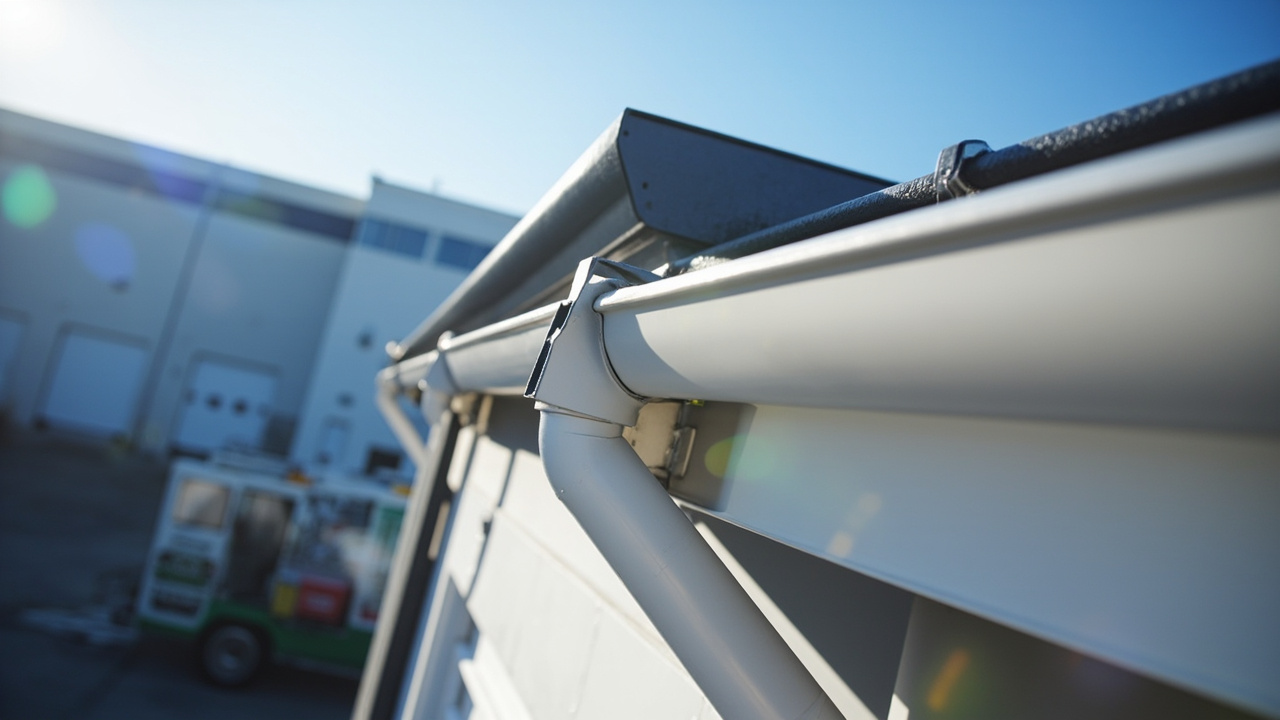
Our commercial roof gutters use .032-inch aluminum or 24-gauge steel, not the .027-inch material common in residential applications. Thicker gauge metal resists denting from hail and maintains structural integrity under thermal expansion cycles. We install box gutters with 6-inch or 8-inch profiles on buildings requiring maximum flow rates, with custom-formed inside and outside miters that eliminate leak-prone seams.

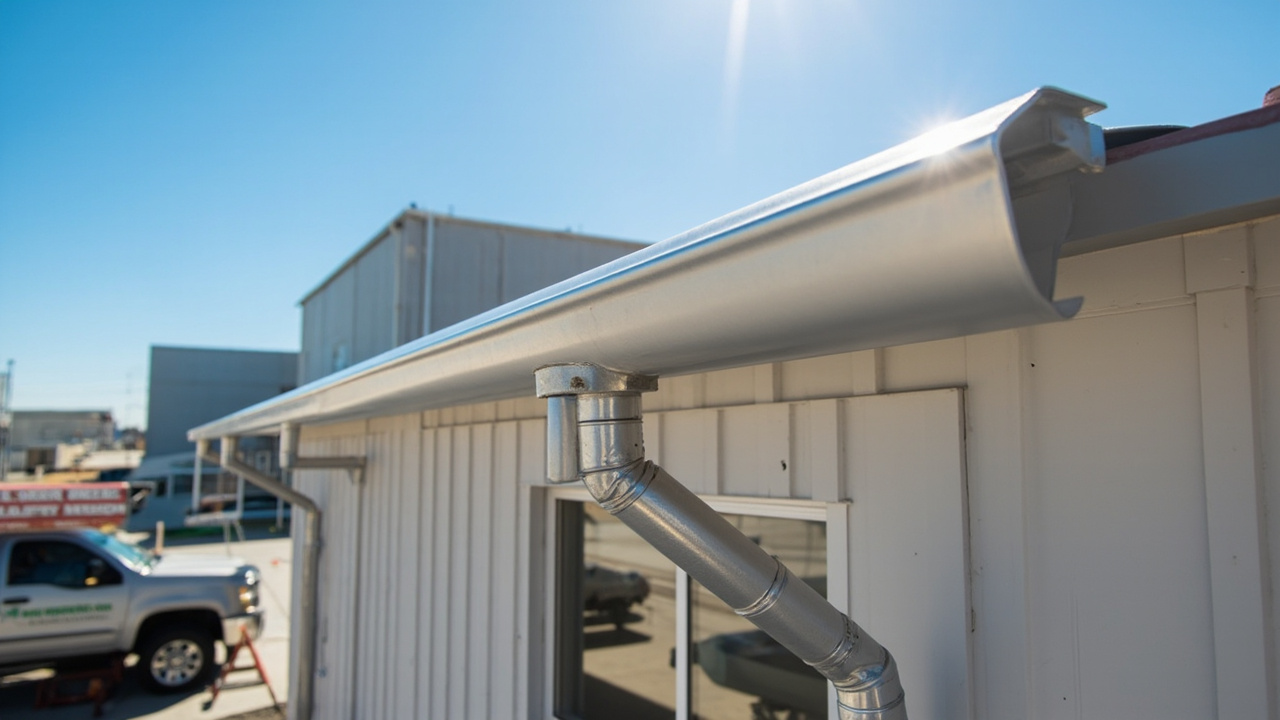
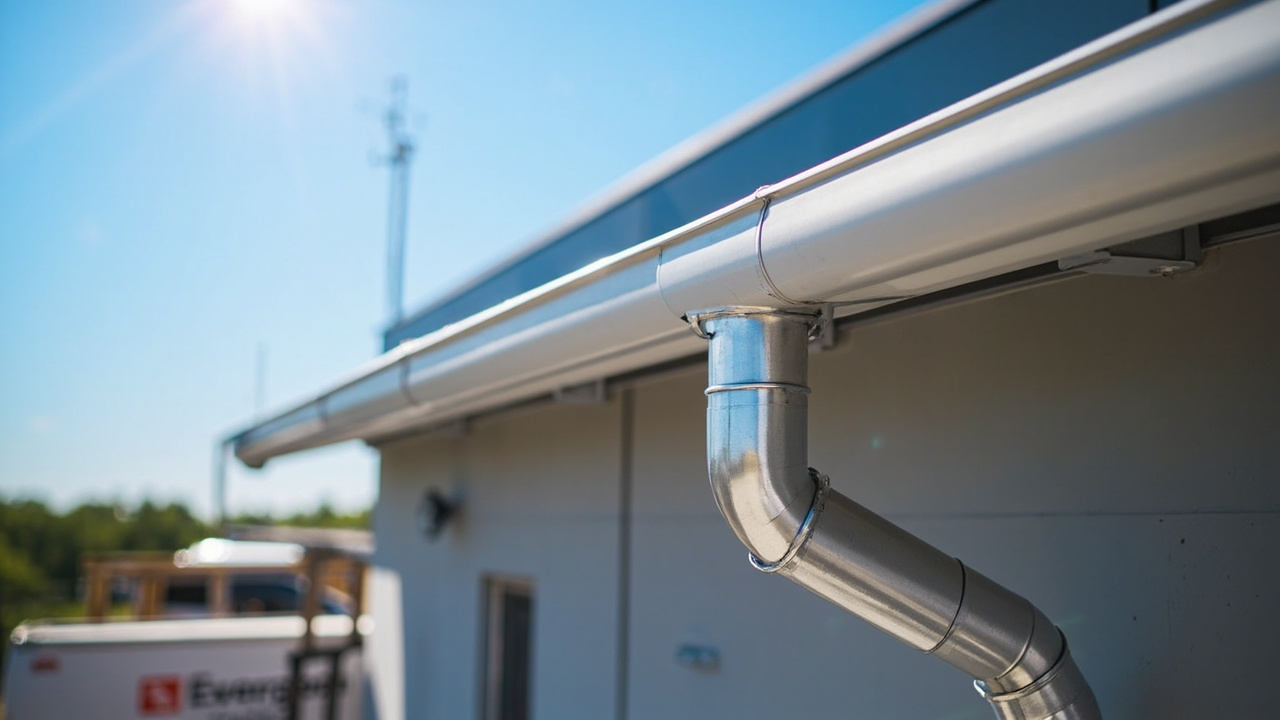
Downspout placement follows the International Building Code requirement of one square inch of downspout area per 100 square feet of roof. We position outlets to discharge away from building foundations, loading areas, and pedestrian zones. Our commercial grade gutters incorporate debris guards and leaf screens sized to prevent blockages without restricting water flow during heavy rainfall.

We anchor fascia brackets every 24 inches on straight runs and 12 inches on corners, double the spacing used in residential work. This prevents sagging under the weight of ice dams that form when daytime melting refreezes overnight during Memphis's occasional winter freezes. Each bracket receives stainless steel fasteners driven into structural members, not decorative trim boards.

Our industrial rain gutters include expansion joints every 40 feet on runs exceeding 60 feet. These joints accommodate thermal movement without creating stress cracks at seam points or pulling fasteners loose from mounting surfaces.

Our Commercial Gutter Installation Workflow

Commercial Gutter Systems in Memphis – Industrial-Grade Solutions That Keep Your Operations Running
01

Roof Assessment and Calculations

We measure your roof area, document existing drainage patterns, and identify problem zones where water currently pools or overflows. Our team calculates required gutter capacity using Memphis rainfall data and your building's specific dimensions. We photograph mounting surfaces, check fascia integrity, and verify that structural members can support the installed system weight plus water load during peak flow conditions.
02

Custom Fabrication and Staging

We fabricate commercial building gutters to your exact measurements, forming corners and outlets to minimize seams. Our shop creates custom flashing pieces that integrate with your existing roof membrane without penetrating the waterproof barrier. We schedule material delivery and equipment staging during your off-hours to avoid disrupting operations. Crews arrive with all components pre-cut and ready for installation, reducing on-site work time by 40 percent compared to field-fabricated systems.
03

Installation and Flow Testing

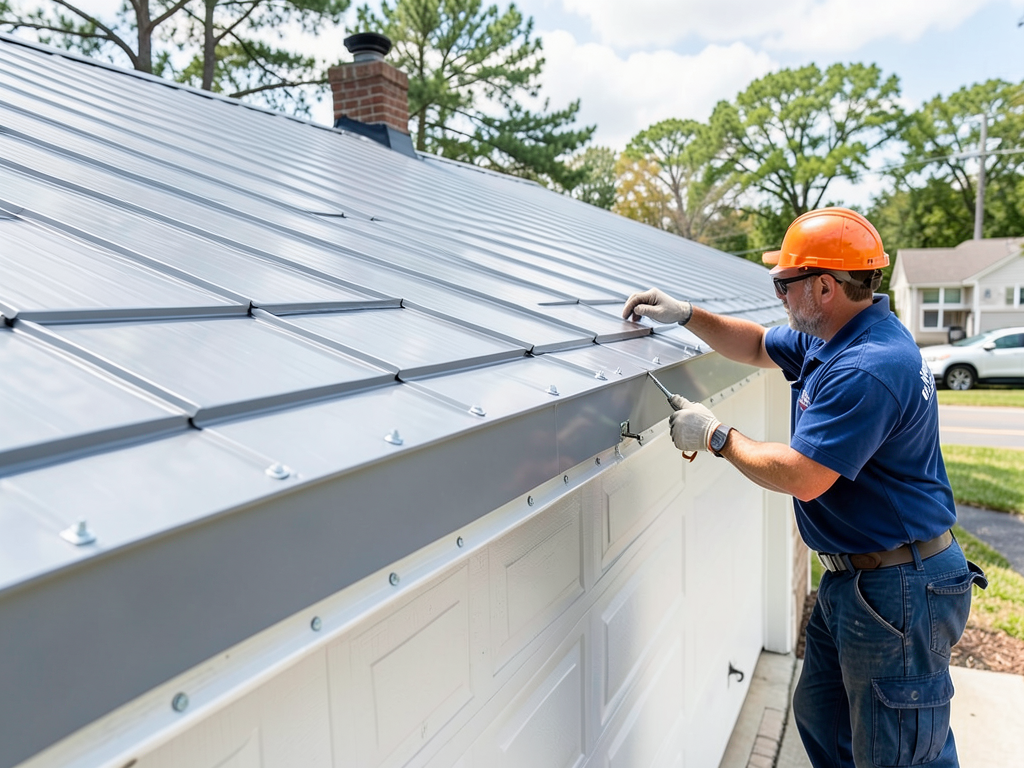
Our installers mount industrial guttering using engineered bracket spacing and structural fasteners. We seal all joints with commercial-grade sealants rated for continuous water immersion. After installation, we conduct flow testing by running water through the system at rates exceeding normal rainfall intensity. This verifies proper pitch, identifies any low spots, and confirms that downspouts discharge away from your foundation. You receive documentation of all work completed and material specifications for your facility records.

Why Memphis Business Owners Choose Local Commercial Roofing Expertise

Memphis commercial properties face drainage challenges that require local knowledge. The combination of intense spring storms, high humidity, and expansive clay soil creates conditions that out-of-town contractors often misjudge. We have installed commercial grade gutters on warehouses in Hickory Hill, office complexes in Germantown, and manufacturing facilities throughout the industrial corridors along Lamar Avenue.

Our familiarity with Memphis and Shelby County building codes ensures your installation meets all requirements for commercial construction. We understand the permitting process, know which inspectors cover different districts, and maintain relationships with local suppliers who can deliver materials quickly when projects require expedited timelines.

The flat-roof construction common in Memphis commercial buildings requires different drainage approaches than pitched residential roofs. We engineer systems that handle the concentrated flow from internal drains and scuppers, preventing the cascading waterfalls that damage facades and create safety hazards in parking areas. Our experience with modified bitumen and TPO roofing membranes ensures we integrate gutters without compromising your roof warranty.

Local service matters when problems develop. A failed gutter during business hours requires immediate response, not a callback from a regional office three states away. Evergreen Roofing Memphis maintains crews throughout the metro area who can reach your facility within hours, not days. We stock common commercial gutter components and fasteners, eliminating the delays that occur when contractors must special-order materials from distant warehouses.

Your building represents significant capital investment. The team you choose for critical infrastructure should understand local conditions and respond when you need them most.

What Your Commercial Gutter Project Includes

Project Timeline and Scheduling

Most commercial gutter installations complete within three to five business days, depending on building size and system complexity. We schedule work during hours that minimize disruption to your operations. Night and weekend installations are available for facilities that cannot accommodate daytime construction activity. Our project managers provide detailed timelines before work begins and communicate any schedule changes immediately. We coordinate with your facility management team to ensure loading docks, entrances, and parking areas remain accessible throughout the installation process.

Site Assessment and Engineering

Our initial evaluation includes roof measurements, structural analysis, and drainage calculations specific to your building. We identify potential issues with fascia condition, roof edge details, and existing drainage patterns that could affect system performance. You receive a detailed proposal that specifies materials, dimensions, and installation methods. We explain why we recommend specific gutter profiles, downspout quantities, and mounting approaches for your situation. Our engineers can provide stamped drawings when required for permitting or insurance documentation.

Quality of Installed System

Your commercial gutters will handle designed water volumes without overflowing, leaking, or sagging. All seams receive commercial sealants that remain flexible through temperature cycles. Downspouts discharge at locations that protect your foundation and prevent erosion. The finished installation maintains proper pitch throughout all runs, with no low spots where water can pool. We clean all debris from your roof and surrounding areas before leaving the site. You receive documentation of all materials used, including gauge specifications and manufacturer information for your facility maintenance records.

Maintenance and Service Plans

Commercial gutters require regular cleaning and inspection to maintain optimal performance. We offer quarterly maintenance contracts that include debris removal, seal inspection, and minor repairs before small issues become major problems. Our technicians check mounting bracket tightness, verify downspout flow, and document system condition after each service visit. Scheduled maintenance prevents the emergency calls that occur when neglected gutters fail during storms. Contract customers receive priority scheduling for repairs and discounted rates on additional services. We maintain detailed service records for each property we manage.

Frequently Asked Questions

You Have Questions,
We Have Answers

What are the different types of commercial gutters? +

Commercial properties in Memphis use four primary gutter types. K-style gutters offer high capacity and complement modern facades. Box gutters integrate into the roofline for architectural clean lines, common on multi-tenant buildings. Half-round gutters suit historic properties in older Memphis districts. Custom fabricated gutters handle unique rooflines or heavy drainage demands. Material choice matters: aluminum resists corrosion in Ohio's humid summers, while galvanized steel provides durability for industrial facilities. Copper delivers longevity for high-end commercial properties. Your selection depends on building height, roof square footage, and local rainfall intensity during spring storms.

How much do commercial gutters cost per foot? +

Providing specific per-foot pricing undermines your ability to negotiate competitive bids. Cost fluctuates based on material selection, gauge thickness, installation complexity, and building access requirements. Aluminum typically costs less than steel or copper. Box gutters require more labor than K-style installations. Buildings exceeding two stories increase labor costs due to equipment needs. Memphis commercial properties face variable pricing based on roof configuration and drainage engineering. Request detailed quotes from multiple contractors. Focus on total lifecycle cost, not just installation price. Proper engineering prevents water intrusion that damages inventory and interrupts operations.

What is the highest rated gutter system? +

No single gutter system holds universal highest ratings for commercial applications. The optimal system depends on your building's specific parameters: roof area, parapet height, drainage requirements, and architectural style. K-style aluminum systems receive strong performance ratings for cost-effectiveness and capacity. Copper systems earn top marks for longevity and corrosion resistance. Box gutters excel in architectural applications requiring concealed drainage. For Memphis commercial properties, evaluate systems based on Ohio's freeze-thaw cycles, spring rainfall intensity, and your building's structural load capacity. Performance ratings mean nothing if the system does not match your facility's engineering requirements.

What gauge are commercial gutters? +

Commercial gutters typically use 24-gauge to 20-gauge metal, significantly heavier than residential 27-gauge or 29-gauge systems. Industrial facilities often specify 20-gauge for maximum durability under heavy debris loads. Office buildings and retail centers commonly use 24-gauge as the minimum acceptable thickness. Lower gauge numbers indicate thicker metal and greater structural strength. Memphis commercial properties benefit from heavier gauge systems that withstand ice accumulation during winter freeze-thaw cycles and resist denting from maintenance equipment. Thicker gauge increases upfront cost but reduces replacement frequency and minimizes liability from gutter failure during severe weather events.

What is the difference between commercial gutters and residential gutters? +

Commercial gutters differ fundamentally in capacity, gauge thickness, and engineering requirements. Residential systems handle 1,500 to 2,500 square feet of roof area. Commercial systems manage 10,000 square feet or more, requiring precise slope calculations and strategically placed downspouts. Commercial installations use heavier gauge metal, stronger hangers rated for greater weight, and engineered overflow protection. Building codes impose stricter requirements for commercial properties due to liability concerns and occupant safety. Memphis commercial facilities face additional complexity from flat or low-slope roofs common in warehouses and retail centers. Proper commercial design prevents water intrusion that interrupts business operations and damages inventory.

Which roofing system is most used for commercial buildings? +

Built-up roofing, single-ply membranes, and modified bitumen dominate commercial roofing in Memphis. Built-up roofing layers waterproof membranes with gravel surfacing, common on older commercial buildings. TPO and EPDM single-ply membranes offer cost-effective solutions for warehouses and retail centers. Modified bitumen provides durability for moderate-traffic roofs. Metal roofing appears on industrial facilities and agricultural buildings throughout Shelby County. Flat and low-slope designs require internal drains or scupper-and-gutter systems. Your roofing type directly impacts gutter design, capacity requirements, and attachment methods. Mismatched systems create liability risks and void warranties.

Are there tax credits for new gutters? +

Federal tax credits do not currently apply to gutter installations. Tax incentives focus on energy-efficiency improvements like cool roofing systems or insulation upgrades. However, commercial property owners can depreciate gutter systems as building improvements under Modified Accelerated Cost Recovery System rules. Consult your tax professional about Section 179 deductions or bonus depreciation if gutters are part of a larger roof replacement project. Some energy-efficient gutter systems that reduce cooling loads might qualify for specialized incentives. Ohio does not offer state-level tax credits for gutter installations. Focus on operational benefits: proper drainage prevents structural damage that creates far larger tax burdens.

How much do gutters cost for a 3,000 sq ft house? +

This question targets residential properties, not commercial applications. A 3,000 square foot house falls outside commercial scope. Commercial gutter pricing operates differently than residential due to engineering requirements, material specifications, and code compliance. If you manage a small commercial building around 3,000 square feet in Memphis, expect costs to exceed residential pricing due to heavier gauge requirements, commercial-grade hangers, and liability insurance mandates. Request site-specific quotes that account for roof configuration, building height, and drainage capacity needs. Focus on lifecycle cost and business continuity protection rather than square footage comparisons to residential properties.

How much is 200 linear feet of gutters? +

Providing specific pricing for 200 linear feet oversimplifies commercial gutter estimation. Total cost depends on material selection, gauge thickness, hanger spacing, downspout quantity and placement, fascia condition, and building access. A single-story retail center costs less per foot than a two-story office building requiring lift equipment. Box gutters require more fabrication labor than K-style systems. Memphis commercial properties vary widely in complexity. A warehouse with simple rooflines differs dramatically from a historic downtown building with architectural details. Request detailed proposals that itemize materials, labor, equipment, and warranty coverage. Cheap installation creates expensive water damage and business interruption.

Is it better to have 5 or 6 inch gutters? +

Commercial properties require engineered capacity calculations, not residential rules of thumb. Five-inch gutters handle approximately 2,500 square feet of roof area. Six-inch gutters manage 4,000 square feet or more. Seven-inch and eight-inch systems serve larger commercial roofs common in Memphis industrial parks and retail centers. Your decision depends on roof square footage, rainfall intensity during spring storm season, roof pitch, and downspout placement. Undersized gutters overflow during heavy rain, causing fascia rot and foundation problems. Oversized gutters waste capital. Professional engineering based on Ohio rainfall data and your specific building parameters eliminates guesswork and prevents costly water damage.

How Memphis's Thunderstorm Patterns Impact Commercial Drainage Requirements

Memphis sits in a convergence zone where Gulf moisture meets continental air masses, creating the intense spring and summer thunderstorms that regularly deliver two to three inches of rain in under an hour. These high-intensity events exceed the capacity of undersized industrial guttering, causing overflow that damages inventory, floods electrical systems, and creates liability hazards in customer areas. The National Weather Service data for Memphis International Airport shows peak rainfall rates of 4.5 inches per hour during severe storms. Your commercial roof gutters must process this volume or you will experience property damage and operational disruption during every major weather event.

Memphis commercial construction spans decades of building codes and roofing practices. Warehouses built in the 1970s use different roof edge details than modern tilt-wall construction. Our crews understand these variations and adapt installation methods to match your building's specific architecture. We work with Memphis-area suppliers who stock the commercial-grade materials required for proper installations. When you choose local expertise for industrial rain gutters, you get teams who have solved drainage problems on hundreds of Memphis commercial properties and understand the building practices, soil conditions, and weather patterns that make this market different from Nashville, Little Rock, or Jackson.
Roofing Services in The Memphis Area

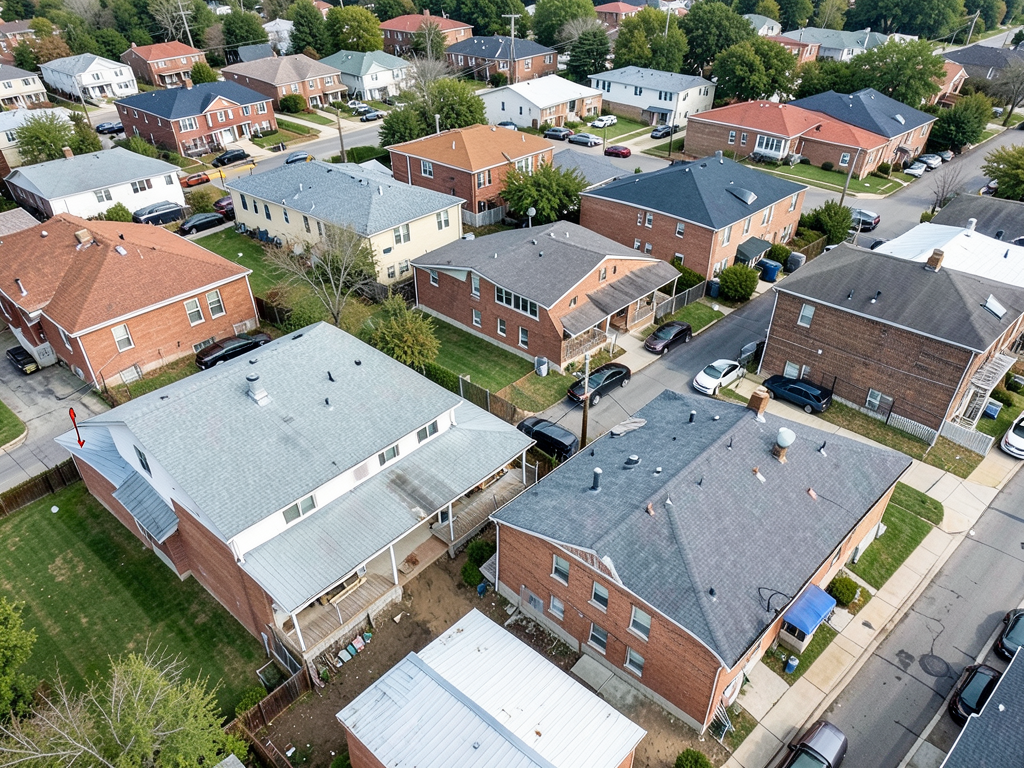
Evergreen Roofing Memphis is strategically located to serve all residential and commercial clients across the entire Memphis metropolitan area and surrounding Mid-South communities. View our central business location on the map to see our service radius, and remember that our dedicated team is always prepared to travel directly to your property to deliver the expert roofing services you need, precisely when you need them.

Address:
Evergreen Roofing Memphis, 333 S Bellevue Blvd, Memphis, TN, 38104

Additional Services We Offer

Our news updates

Latest Articles & News from The Blogs

Lorem ipsum dolor sit amet. Aut expedita quaerat quo eligendi numquam et laudantium perspiciatis qui minima expedita rem consequatur ducimus.…

Test Blog 4

Lorem ipsum dolor sit amet. Aut expedita quaerat quo eligendi numquam et laudantium perspiciatis qui minima expedita rem consequatur ducimus.…

Test Blog 3

Lorem ipsum dolor sit amet. Aut expedita quaerat quo eligendi numquam et laudantium perspiciatis qui minima expedita rem consequatur ducimus.…

Test Blog 2

Lorem ipsum dolor sit amet. Aut expedita quaerat quo eligendi numquam et laudantium perspiciatis qui minima expedita rem consequatur ducimus.…

Contact Us

Water damage costs Memphis businesses thousands in lost productivity and repairs every year. Call Evergreen Roofing Memphis at (901) 669-7399 for a site assessment and capacity analysis. We will calculate the exact commercial gutter system your building requires and provide a detailed proposal within 48 hours.