
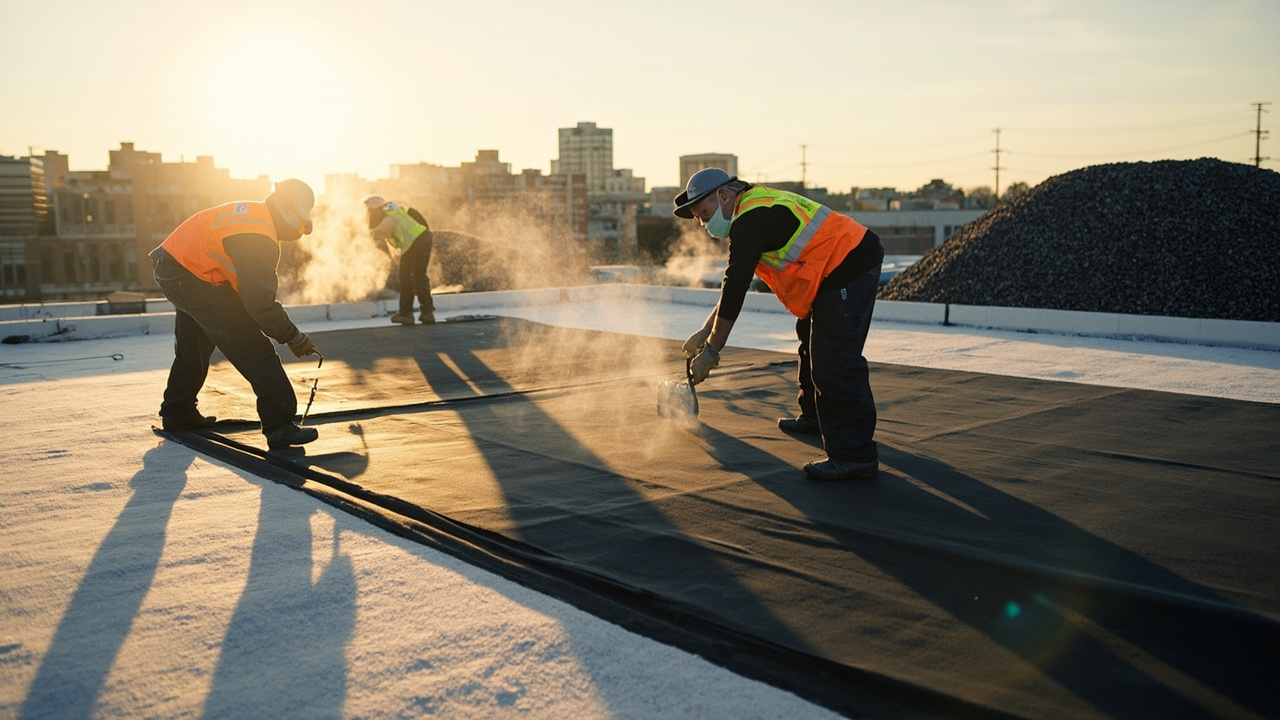
Memphis averages 220 days per year with relative humidity above 70 percent, creating conditions where moisture vapor drives through roof assemblies year-round. During summer, hot humid air pushes moisture into roof systems from above. In winter, heated building interiors drive moisture upward into cold roof decks, causing condensation at the membrane interface. Built-up roofing handles this moisture better than single-ply systems because the multiple bitumen layers create redundant vapor barriers. The permeability of each felt layer is low enough to control moisture migration without requiring separate vapor retarders that add cost and installation complexity.
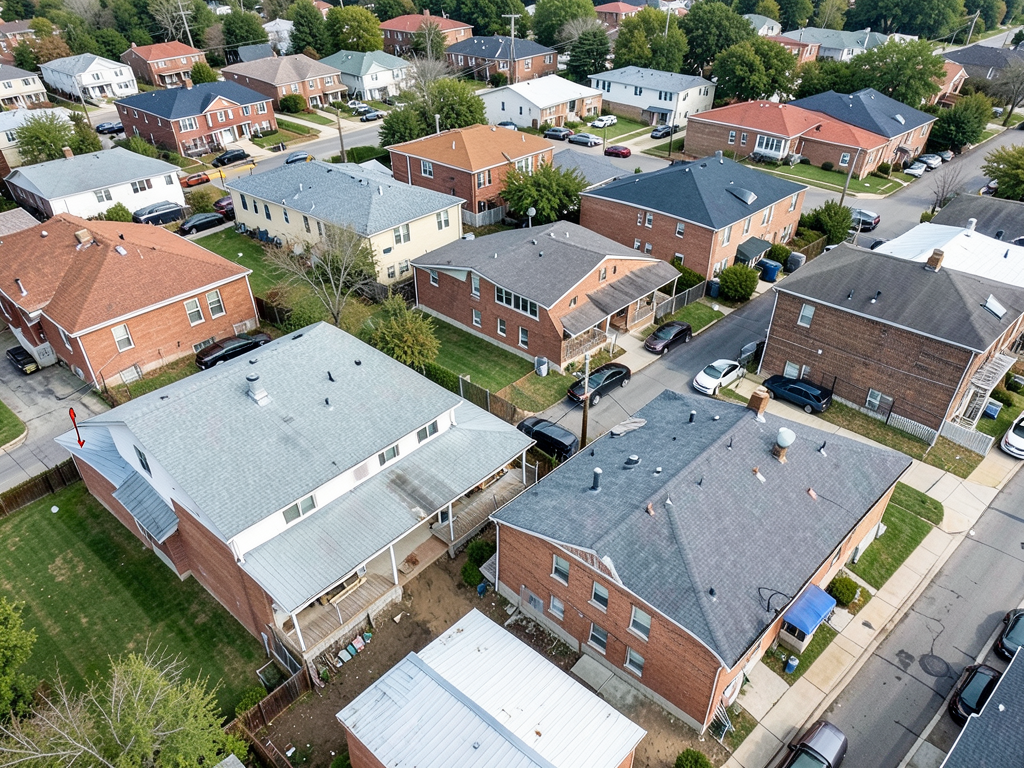
The commercial building stock in Memphis includes warehouses and industrial facilities built during the city's distribution and logistics boom from 1950-1990. These structures typically have flat or low-slope roofs designed for built-up roofing, with structural systems engineered for the weight of multi-ply roofing systems. Facility managers replacing these roofs often discover that switching to lighter single-ply systems does not deliver the expected cost savings, because the buildings lack the substrate required for mechanically attached membranes. Staying with asphalt built-up roofing uses the existing structural capacity and avoids expensive deck modifications.