
Why Modern Homeowners in Downtown Memphis Are Switching to Residential TPO Roofing
Modern homes in Downtown Memphis with flat roof sections are increasingly choosing TPO roofing for its exceptional energy efficiency and durability. Thermoplastic Polyolefin membranes reflect up to 87% of solar heat, cutting cooling costs by 20-30% during Memphis’s brutal summers. Unlike traditional EPDM rubber that absorbs heat, TPO’s white surface keeps attics cooler and reduces strain on air conditioning systems. Cool Roof Rating Council.
Residential TPO installation has evolved beyond commercial buildings. Today’s modern architecture in neighborhoods like South Main and Central Gardens incorporates flat roof designs that benefit from TPO’s seamless heat-welded seams and resistance to Memphis’s high humidity and occasional severe weather. The membrane’s flexibility handles thermal expansion from temperature swings without cracking or splitting. Residential Roofers Specializing in Historic Homes in Central Gardens.
Why TPO Outperforms Traditional Flat Roofing Materials
Comparing TPO to EPDM rubber reveals significant advantages for Memphis homeowners. While EPDM absorbs heat and can reach surface temperatures over 150°F, TPO maintains cooler surface temperatures through its reflective properties. The heat-welded seams in TPO create a monolithic barrier that prevents water infiltration better than EPDM’s adhesive seams, which can separate over time.
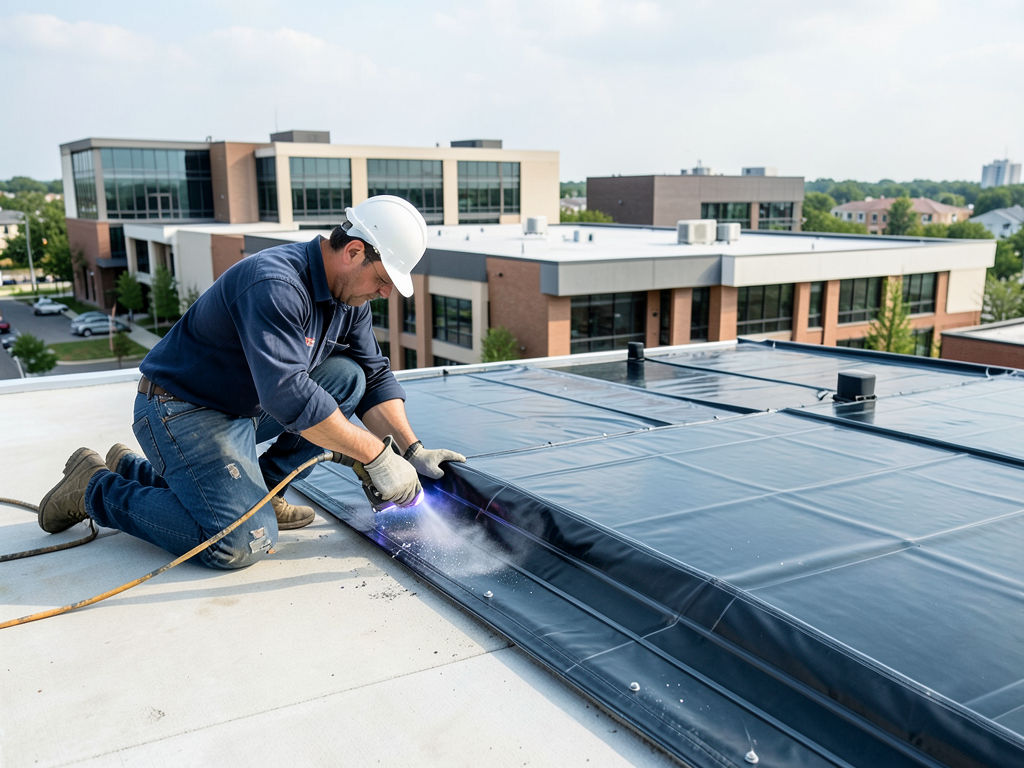
Modified bitumen roofing, another traditional option, requires multiple layers and torch application that creates fire hazards during installation. TPO installs cold using heat guns, eliminating open flame risks. The material also resists mold and algae growth better than asphalt-based products, crucial in Memphis’s humid climate where organic growth can degrade roofing materials. Roofing Lakeland.
Residential TPO typically comes in 45-mil or 60-mil thickness. The 60-mil option provides better puncture resistance for homes with rooftop HVAC equipment or areas where maintenance personnel walk regularly. Both thicknesses meet or exceed Memphis building code requirements for wind uplift resistance, essential for properties near the Mississippi River where wind speeds can intensify.
The Installation Process for Residential TPO Roofing
Professional TPO installation begins with thorough substrate preparation. The existing roof surface must be cleaned of debris, and any damaged decking repaired. A recovery board or insulation layer installs over the existing surface to create proper slope for drainage and improve energy efficiency through added R-value. Get a Fast Quote for Roof Leak Repair in Cordova.
The TPO membrane rolls out across the roof deck, with careful attention to alignment and minimizing seams. Heat welding equipment creates permanent bonds between sheets at 410-430°F. This temperature-controlled process ensures seams stronger than the membrane itself. Technicians use electronic seam testers to verify weld quality before proceeding.
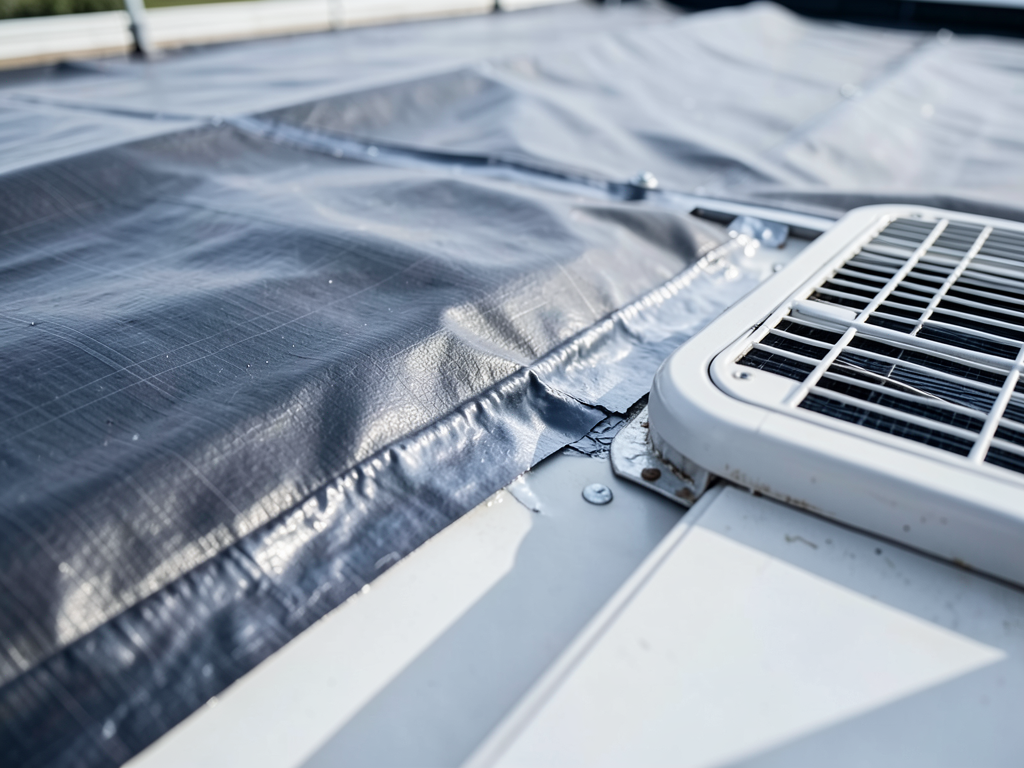
Flashing details around penetrations, walls, and equipment require custom fabrication. TPO’s thermoplastic properties allow heat welding to create watertight transitions that move with the building structure. This flexibility proves critical in Memphis’s clay soil areas where foundation movement can stress roof connections.
Energy Efficiency Benefits for Memphis Homeowners
TPO’s reflective properties translate to measurable energy savings. Memphis summers routinely exceed 90°F with humidity levels above 70%. A white TPO roof can reduce attic temperatures by 20-30°F compared to traditional dark roofing. This temperature reduction means air conditioning systems cycle less frequently, extending equipment life and lowering utility bills.. Read more about How New Attic Insulation Can Actually Make Your Roof Last Longer in the Tennessee Heat.
The Cool Roof Rating Council certifies many TPO products for their solar reflectance and thermal emittance. These ratings directly correlate to energy savings. A typical 2,000-square-foot TPO roof in Memphis can save $300-500 annually on cooling costs, with payback periods of 5-7 years compared to traditional roofing materials.. Read more about Is Your Current Roof Ready for Solar Panel Installation?.
Beyond energy savings, TPO’s heat resistance prevents thermal shock damage to roofing components. Memphis experiences rapid temperature changes during spring and fall, with swings of 30-40°F common within 24 hours. TPO’s flexibility accommodates this movement without the cracking that affects rigid materials. Storm Damage Roof Inspection and Repair in Bartlett.
Memphis Climate Performance and Durability
Memphis’s climate presents unique challenges for roofing materials. High humidity promotes algae and moss growth on traditional roofs, but TPO’s smooth surface resists organic adhesion. The material’s UV resistance prevents the degradation that causes chalking and surface erosion in other single-ply membranes.
Severe thunderstorms bring high winds and occasional hail. TPO’s heat-welded seams create a continuous membrane that wind uplift ratings exceed 60-90 mph when properly installed. The material’s impact resistance handles typical Memphis hail without puncture, though extreme events may cause cosmetic damage without compromising waterproofing.
Freeze-thaw cycles in winter months can damage roofing through expansion and contraction. TPO’s flexibility allows movement without the splitting that affects more rigid materials. The membrane remains flexible to -40°F, far below Memphis’s typical winter lows.
Cost Considerations for Residential TPO Installation
Residential TPO installation costs in Memphis range from $6-10 per square foot, depending on roof complexity and thickness selected. This pricing includes removal of existing roofing if necessary, substrate preparation, and all flashing details. While initial costs exceed some traditional options, the energy savings and extended lifespan provide superior lifetime value.
Simple rectangular roofs with minimal penetrations fall at the lower end of the pricing range. Complex roofs with multiple levels, numerous penetrations, or steep slopes require more labor and custom detailing, increasing costs. The 60-mil thickness adds approximately 15-20% to material costs but provides better long-term performance.
Many homeowners finance TPO installation through home improvement loans or roll costs into mortgage refinancing. The immediate energy savings often offset a significant portion of monthly payments, making the investment cash-flow positive in many cases.
Maintenance Requirements for TPO Roofs
TPO roofs require minimal maintenance compared to traditional roofing. Annual inspections identify potential issues before they become problems. Technicians check seams for separation, examine flashing details, and ensure drainage systems function properly. Memphis’s tree canopy means debris removal may be necessary after storms.
Cleaning TPO surfaces every 2-3 years maintains reflective properties. A simple wash with mild detergent and water removes dirt and organic growth that can reduce energy efficiency. Pressure washing at low settings (under 1,500 PSI) effectively cleans without damaging the membrane surface.
Punctures from falling tree limbs or maintenance activities require prompt repair. TPO patch kits include matching membrane and heat welding equipment for permanent repairs. Most homeowners can perform basic cleaning and debris removal, but seam repairs and flashing adjustments require professional service. Flat Roof Repair & Restoration.
Comparing TPO to Other Modern Roofing Options
Metal roofing offers durability but costs 40-60% more than TPO and can be noisy during rain. Standing seam metal requires more structural support and has different thermal expansion characteristics that may stress building connections in Memphis’s climate.
Synthetic slate provides aesthetic appeal but weighs significantly more than TPO, requiring structural reinforcement in many cases. The material costs 3-4 times more than TPO and doesn’t provide the same energy efficiency benefits for flat roof applications.. Read more about Maintaining the Curb Appeal of Your Germantown Home With Synthetic Cedar Shakes.
Green roof systems offer environmental benefits but require extensive structural support, irrigation systems, and ongoing maintenance. Initial costs exceed TPO by 200-300%, making them impractical for most residential applications despite their sustainability benefits.
Finding Qualified TPO Installers in Memphis
Selecting a qualified installer proves critical for TPO performance. Look for contractors certified by major manufacturers like GAF, Carlisle, or Firestone. These certifications require specific training in heat welding techniques and proper installation procedures that ensure warranty coverage.
Verify contractor licensing through the Tennessee Department of Commerce and Insurance. Ask for proof of workers’ compensation and liability insurance. Request references for similar residential projects and verify their experience with TPO specifically, not just general roofing.
Professional installers provide detailed proposals including material specifications, installation methods, and warranty terms. Avoid contractors who cannot explain the differences between TPO thicknesses or cannot demonstrate proper heat welding techniques.
Frequently Asked Questions
How long does residential TPO roofing last?
Properly installed TPO roofing typically lasts 20-30 years in Memphis’s climate. The material’s UV resistance and flexibility contribute to longevity, with many manufacturers offering 20-year warranties on 45-mil material and 25-year warranties on 60-mil material.
Can I walk on my TPO roof for maintenance?
Yes, TPO roofs support foot traffic when properly installed. Distribute weight across the surface and avoid concentrated loads. Wear soft-soled shoes to prevent abrasion. For regular maintenance access, consider installing walkway pads in high-traffic areas.
Does TPO qualify for energy efficiency tax credits?
TPO roofing with appropriate reflectivity ratings may qualify for federal energy efficiency tax credits. Check current IRS guidelines and Energy Star specifications. Many local utility companies also offer rebates for cool roof installations that reduce energy consumption.
What happens if my TPO roof gets damaged?
Minor damage like punctures or seam separation repairable through heat welding techniques. Professional contractors can assess damage and determine if repair or replacement makes more sense. Most damage from falling debris or maintenance accidents repairable without replacing entire roof sections.
How does TPO handle Memphis’s severe weather?
TPO’s heat-welded seams and flexible membrane handle high winds, heavy rain, and typical hail without failure. The material’s wind uplift ratings exceed most building code requirements. During severe weather events, the continuous membrane prevents the lifting and peeling that affects traditional roofing materials.
Making the Right Choice for Your Home
Residential TPO roofing offers compelling advantages for modern Memphis homes with flat roof sections. The combination of energy efficiency, durability, and reasonable cost makes it an excellent choice for homeowners seeking long-term value. The material’s performance in Memphis’s specific climate conditions, from high humidity to severe storms, demonstrates why it’s gaining popularity among local homeowners.
Before deciding, schedule a professional roof assessment to determine if TPO suits your specific situation. Consider factors like roof accessibility, existing substrate condition, and your energy efficiency goals. A qualified contractor can provide detailed analysis and help you understand the full benefits and costs for your particular home.
The investment in quality TPO installation pays dividends through lower energy bills, reduced maintenance, and peace of mind during severe weather. As more Memphis homeowners discover these benefits, TPO continues to establish itself as the smart choice for modern residential roofing applications.
Call (901) 669-7399 today to schedule your inspection and learn how TPO roofing can benefit your home. Our certified technicians will assess your roof and provide a detailed proposal for upgrading to this energy-efficient, durable roofing solution. For more information, visit Shelby County Building Permits.
{
“@context”: “https://schema.org”,
“@type”: “BlogPosting”,
“headline”: “Why Modern Homeowners in Downtown Memphis Are Switching to Residential TPO Roofing”,
“description”: “Discover why TPO roofing is becoming the top choice for modern Downtown Memphis homes. Learn about energy savings, durability, and expert installation for flat roofs.”,
“wordCount”: 1679,
“datePublished”: “2026-03-10T13:55:00.000Z”,
“dateModified”: “2026-03-10T13:55:00.000Z”,
“inLanguage”: “en-US”,
“mainEntityOfPage”: {
“@type”: “WebPage”,
“@id”: “https://evergreenroofingmemphis.com”
},
“publisher”: {
“@type”: “LocalBusiness”,
“name”: “Evergreen Roofing Memphis”,
“url”: “https://evergreenroofingmemphis.com”
},
“author”: {
“@type”: “Organization”,
“name”: “Evergreen Roofing Memphis”,
“url”: “https://evergreenroofingmemphis.com”
},
“image”: {
“@type”: “ImageObject”,
“url”: “https://evergreenroofingmemphis.com/wp-content/uploads/2026/03/why-modern-homeowners-in-downtown-memphis-are-swit-1.png”
}
}
{
“@context”: “https://schema.org”,
“@type”: “RoofingContractor”,
“name”: “Evergreen Roofing Memphis”,
“url”: “https://evergreenroofingmemphis.com”,
“address”: {
“@type”: “PostalAddress”,
“addressLocality”: “Memphis”
},
“areaServed”: {
“@type”: “City”,
“name”: “Memphis”
}
}
{
“@context”: “https://schema.org”,
“@type”: “FAQPage”,
“mainEntity”: [
{
“@type”: “Question”,
“name”: “How long does residential TPO roofing last?”,
“acceptedAnswer”: {
“@type”: “Answer”,
“text”: “Properly installed TPO roofing typically lasts 20-30 years in Memphis’s climate. The material’s UV resistance and flexibility contribute to longevity, with many manufacturers offering 20-year warranties on 45-mil material and 25-year warranties on 60-mil material.”
}
},
{
“@type”: “Question”,
“name”: “Can I walk on my TPO roof for maintenance?”,
“acceptedAnswer”: {
“@type”: “Answer”,
“text”: “Yes, TPO roofs support foot traffic when properly installed. Distribute weight across the surface and avoid concentrated loads. Wear soft-soled shoes to prevent abrasion. For regular maintenance access, consider installing walkway pads in high-traffic areas.”
}
},
{
“@type”: “Question”,
“name”: “Does TPO qualify for energy efficiency tax credits?”,
“acceptedAnswer”: {
“@type”: “Answer”,
“text”: “TPO roofing with appropriate reflectivity ratings may qualify for federal energy efficiency tax credits. Check current IRS guidelines and Energy Star specifications. Many local utility companies also offer rebates for cool roof installations that reduce energy consumption.”
}
},
{
“@type”: “Question”,
“name”: “What happens if my TPO roof gets damaged?”,
“acceptedAnswer”: {
“@type”: “Answer”,
“text”: “Minor damage like punctures or seam separation repairable through heat welding techniques. Professional contractors can assess damage and determine if repair or replacement makes more sense. Most damage from falling debris or maintenance accidents repairable without replacing entire roof sections.”
}
},
{
“@type”: “Question”,
“name”: “How does TPO handle Memphis’s severe weather?”,
“acceptedAnswer”: {
“@type”: “Answer”,
“text”: “TPO’s heat-welded seams and flexible membrane handle high winds, heavy rain, and typical hail without failure. The material’s wind uplift ratings exceed most building code requirements. During severe weather events, the continuous membrane prevents the lifting and peeling that affects traditional roofing materials.”
}
}
]
}
{
“@context”: “https://schema.org”,
“@type”: “BreadcrumbList”,
“itemListElement”: [
{
“@type”: “ListItem”,
“position”: 1,
“name”: “Home”,
“item”: “https://evergreenroofingmemphis.com”
},
{
“@type”: “ListItem”,
“position”: 2,
“name”: “Blog”,
“item”: “https://evergreenroofingmemphis.com/blog”
},
{
“@type”: “ListItem”,
“position”: 3,
“name”: “Why Modern Homeowners in Downtown Memphis Are Switching to Residential TPO Roofing”
}
]
}
{
“@context”: “https://schema.org”,
“@type”: “Service”,
“serviceType”: “Roofing”,
“provider”: {
“@type”: “LocalBusiness”,
“name”: “Evergreen Roofing Memphis”,
“url”: “https://evergreenroofingmemphis.com”
},
“areaServed”: {
“@type”: “City”,
“name”: “Memphis”
},
“description”: “Discover why TPO roofing is becoming the top choice for modern Downtown Memphis homes. Learn about energy savings, durability, and expert installation for flat roofs.”
}