
Is Your Current Roof Ready for Solar Panel Installation?
Your roof is the foundation for any solar panel system. If it fails before your panels reach their 25+ year lifespan, you’ll face the costly nightmare of removing and reinstalling them just to fix a leak. Memphis homeowners face unique challenges: high humidity, extreme summer heat, and severe thunderstorms that test every roof’s integrity. Before you commit to solar, you need to know if your roof can handle the weight and outlast the panels. Storm Damage Roof Inspection and Repair in Bartlett.
Most homes need a structural assessment before solar installation. The typical PV system adds 2-4 pounds per square foot of dead load. That’s not just the panels themselves—it’s the mounting hardware, racking rails, and all the penetrations required for a secure installation. Your roof deck must be solid, your trusses properly sized, and your underlayment in good condition. One weak spot can compromise the entire system.
Memphis Climate Challenges for Solar-Ready Roofing
The Mid-South climate creates specific demands on roofing materials. Memphis summers regularly hit 95+ degrees with humidity above 70%. This combination causes asphalt shingles to expand and contract dramatically, leading to curling and blistering. The frequent severe thunderstorms bring wind gusts that can exceed 60 mph, testing roof-to-wall connections and flashing integrity. Roofing Lakeland.
High humidity also promotes algae and moss growth on north-facing roof slopes. These organisms retain moisture against the shingle surface, accelerating deterioration. When solar panels shade portions of your roof, they can create microclimates that trap moisture and debris, potentially worsening these issues if the underlying roof is already compromised.
Roof Age Threshold for Solar Installation
Roofing contractors in Memphis typically recommend replacing any roof over 12-15 years old before adding solar panels. Here’s why: the average asphalt shingle roof in our climate lasts 15-20 years. If your roof is already 12 years old, you’re gambling that it will last another 13+ years to match typical solar panel warranties.
The math doesn’t work in your favor. A mid-life roof replacement means paying to remove all panels, racking, and wiring, store them safely, replace the roof, then reinstall everything. This process often costs $3,000-5,000 in labor alone, not including potential damage to panels during removal.
Best Roofing Materials for Solar Panels in Memphis
Not all roofing materials handle solar installations equally well. Here’s how Memphis’s most common options stack up:
| Material | Solar Compatibility | Memphis Climate Performance | Expected Lifespan |
|---|---|---|---|
| Asphalt Shingles | Good with proper flashing | Moderate – susceptible to heat damage | 15-20 years |
| Standing Seam Metal | Excellent – clamp-on mounting | Excellent – reflects heat, resists wind | 40-70 years |
| Concrete Tile | Good – requires special brackets | Excellent – durable, heavy | 30-50 years |
| Synthetic Slate | Good – similar to asphalt mounting | Excellent – impact resistant | 40-50 years |
Standing seam metal roofing emerges as the ideal solar-ready material for Memphis homes. The raised seams allow installers to clamp panels directly to the roof without penetrating the surface. This eliminates hundreds of potential leak points and reduces installation time. Plus, metal roofs reflect solar heat rather than absorbing it, which can actually improve panel efficiency by keeping them cooler.
Memphis Building Codes and Solar Permitting
Shelby County requires specific permits for solar installations that involve structural modifications. The Shelby County Division of Planning and Development enforces the International Building Code with local amendments for wind load requirements. Memphis homes must meet Zone 3 wind requirements, meaning roofs must withstand sustained winds of 130 mph.
The permitting process includes structural engineering calculations showing your roof can support the additional dead load. For homes in the New Madrid Seismic Zone, engineers must also account for lateral forces during seismic events. Most residential solar installations require a building permit, electrical permit, and sometimes a zoning permit depending on your neighborhood’s covenants. Residential Roofers Specializing in Historic Homes in Central Gardens.
MLGW (Memphis Light, Gas and Water) handles the interconnection process for grid-tied systems. They require a completed application, proof of permits, and sometimes a pre-installation site inspection. The utility’s net metering program allows you to earn credits for excess power your panels generate, but the interconnection agreement must be approved before installation begins. MLGW Net Metering.
Structural Load Assessment for Solar Mounting
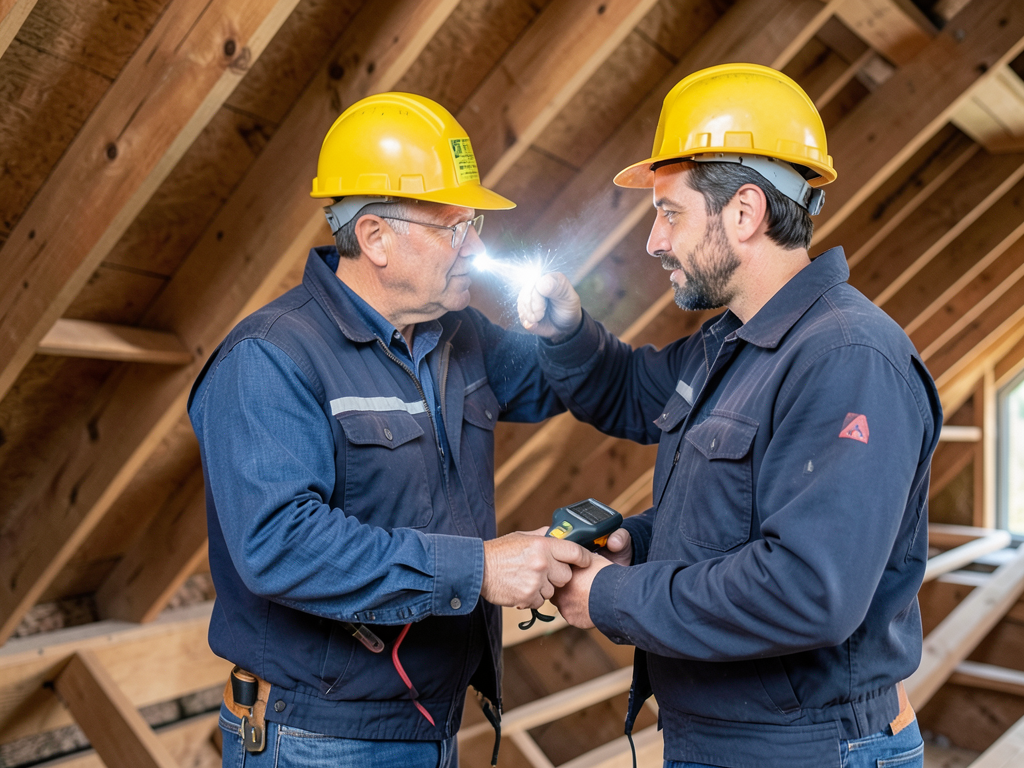
Before any solar contractor installs panels, a qualified roofer should perform a structural load assessment. This involves examining your roof’s framing from the attic, checking for sagging rafters, water damage, or previous repairs that might compromise strength. Get a Fast Quote for Roof Leak Repair in Cordova.
The assessment includes measuring rafter spacing, checking the size and grade of lumber used, and verifying that collar ties or ridge beams are properly installed. In older Memphis homes, especially those built before 1980, framing may not meet current load requirements without reinforcement.
Roofers use a moisture meter to check the roof deck for hidden water damage. A reading above 18% moisture content indicates active leaks that need repair before solar installation. They also inspect pipe boots, vent flashing, and chimney cricket flashing for signs of deterioration.
The Solar-Roofing Warranty Gap
Here’s a critical issue most homeowners don’t consider: your roofing material warranty may be voided by solar installation. When installers penetrate your roof to mount racking systems, they create hundreds of new potential leak points. If those penetrations aren’t properly flashed and sealed, your manufacturer warranty becomes void.
Even worse, if your roofer doesn’t coordinate with your solar installer, you might end up with two separate warranties that don’t cover integrated failures. The solar company’s workmanship warranty covers the electrical system but not roof leaks. Your roofer’s warranty doesn’t cover damage from solar mounting hardware.
The solution is finding contractors who specialize in both roofing and solar installation. They understand how to flash penetrations properly, coordinate warranties, and ensure the entire system works as one integrated unit. This approach protects your investment and simplifies future repairs.
Solar-Ready Roof Preparation Steps
Preparing your roof for solar involves several critical steps that should happen before any panels arrive:
- Comprehensive Roof Inspection
A licensed roofer examines every component: shingles, flashing, underlayment, decking, and structural framing. They look for soft spots, water stains, and signs of previous repairs.
- Structural Reinforcement if Needed
If rafters are undersized or spaced too far apart, additional supports get installed. This might involve adding sister rafters or installing new collar ties.
- Underlayment Replacement
Old felt paper gets replaced with synthetic underlayment that offers better moisture protection and durability. This creates a fresh moisture barrier under your new solar system.
- Flashing and Sealant Upgrade
All existing flashing gets inspected and replaced if deteriorated. Pipe boots, vent stacks, and other penetrations receive new, high-quality seals compatible with solar mounting hardware.
- Final Structural Certification
A structural engineer reviews the reinforcement work and provides certification that your roof meets all load requirements for the planned solar system.
Cost-Benefit Analysis for Memphis Homeowners
Simultaneous roof replacement and solar installation often makes financial sense in Memphis. Here’s why: the average roof replacement costs $8,000-12,000 for a typical home. Solar installation averages $15,000-25,000. Doing both separately means paying for two full project setups, two permit fees, and two rounds of inspections.
When combined, you save on overhead costs, potentially qualify for stacked incentives, and eliminate the risk of mid-life roof replacement. The federal solar tax credit (ITC) covers 30% of solar costs through 2032. Some Tennessee Valley Authority (TVA) programs offer additional rebates through participating installers. TVA Green Connect Program.
Energy savings in Memphis average $1,200-1,800 annually for a typical 6-8 kW system. With our long cooling season, solar panels can offset a significant portion of air conditioning costs. The payback period typically ranges from 6-10 years, depending on your energy usage and roof orientation.
Common Solar Roof Installation Mistakes to Avoid
Many Memphis homeowners learn expensive lessons about solar-ready roofing the hard way. Here are the most common mistakes:
- Installing solar on a roof with less than 10 years of life remaining
- Choosing an installer who doesn’t understand local building codes
- Skipping the structural assessment to save money upfront
- Using asphalt shingles when metal would be more cost-effective long-term
- Failing to coordinate between roofer and solar installer
- Not checking HOA restrictions on solar installations
- Ignoring the impact of tree shade on panel efficiency
Each mistake can cost thousands in repairs or reduced system performance. The cheapest quote often becomes the most expensive option when problems arise.
Memphis Neighborhoods and Solar Considerations
Different Memphis neighborhoods present unique challenges for solar-ready roofing. In East Memphis, mature tree canopy creates significant shade issues that may limit solar effectiveness. Historic districts like Central Gardens have strict guidelines about visible equipment and may require special approvals.
Suburban areas like Germantown and Collierville often have newer homes with better structural framing, but HOA restrictions can limit panel placement options. Downtown Memphis and Midtown have many older homes with balloon framing that may need structural reinforcement before supporting solar loads.
The heavy canopy cover in older Memphis neighborhoods means many homes need tree trimming before solar installation. This adds cost but improves system efficiency. South-facing roofs with minimal shade typically produce the best results in our latitude.
Energy Efficiency Before Solar
Before investing in solar, address your home’s energy efficiency. Memphis’s extreme heat makes cooling the largest energy expense for most homes. Improving attic insulation, sealing ductwork, and upgrading to efficient HVAC systems can reduce your energy needs by 20-30%.
Proper roof ventilation is crucial for both your roof’s longevity and solar panel performance. Hot air trapped under panels can reduce their efficiency by up to 25%. A well-ventilated roof space keeps panels cooler and extends shingle life by preventing heat buildup in the attic.
Consider a cool roof coating if you’re replacing your roof before solar. These reflective coatings can reduce roof temperatures by 50-60 degrees, improving both your home’s comfort and your panels’ efficiency.
Financing Options for Solar-Ready Roofing
Several financing options exist for combining roof replacement with solar installation. Home equity loans often offer the best rates for homeowners with sufficient equity. Solar-specific loans through TVA’s Green Connect program provide competitive terms for qualifying systems.
Some contractors offer package deals that bundle roof replacement, solar installation, and energy efficiency upgrades. These packages can simplify the process and sometimes qualify for additional incentives when all work is done simultaneously.
Power purchase agreements (PPAs) allow you to install solar with little or no upfront cost, but these typically don’t include roof replacement. If your roof needs work, you’ll need to address that separately before a PPA installer will proceed.
Maintenance Considerations for Solar Roofs
Solar panels require minimal maintenance, but your roof still needs regular inspections. The panels themselves should be cleaned annually to remove pollen, dust, and bird droppings that can reduce efficiency by 15-25%. In Memphis, spring pollen season creates the most significant buildup.
Roof inspections should happen every 2-3 years, or after severe storms. The mounting hardware should be checked for loose bolts, and all penetrations should be inspected for signs of water intrusion. Early detection of issues prevents costly damage to both your roof and solar system.
Tree branches that overhang your roof can drop debris on panels and create shade. Regular trimming keeps your system operating at peak efficiency and prevents damage from falling limbs during storms.
Is Your Roof Ready for Solar?
The decision to install solar panels should start with a thorough roof assessment. If your roof is over 12 years old, has any signs of damage, or uses materials nearing the end of their lifespan, replacement before solar installation is usually the smartest financial choice.
Memphis’s climate demands roofing materials that can handle extreme heat, high humidity, and severe storms. Standing seam metal offers the best long-term value for solar installations, but proper installation of any material is crucial for system longevity.
Don’t let a roofing mistake derail your solar investment. A comprehensive assessment from contractors experienced in both roofing and solar installation ensures your system will perform as designed for its entire 25+ year lifespan.
Frequently Asked Questions
How long should my roof last after solar installation?
Your roof should have at least 20 years of remaining life after solar installation. Since solar panels typically last 25-30 years, installing them on a roof with less than 15 years of life remaining means you’ll face removal and reinstallation costs within the system’s warranty period.
Can I install solar panels on a flat roof?
Yes, solar panels can be installed on flat commercial roofs using ballast mounting systems that don’t penetrate the roof surface. However, your roof must be in excellent condition and able to support the additional weight of both the panels and the ballast material. Commercial Flat Roof Specialists for Downtown Memphis Businesses.
Will solar panels void my roof warranty?
Solar panel installation can void your roof warranty if not done properly. Penetrations must be flashed according to manufacturer specifications, and the mounting system must not damage roofing materials. Always use installers who understand both roofing and solar requirements.
How much weight do solar panels add to my roof?
A typical solar panel system adds 2-4 pounds per square foot of dead load. This includes the weight of panels, mounting hardware, racking rails, and all necessary penetrations. Your roof must be structurally rated to handle this additional load.
Take the Next Step
Ready to find out if your roof can handle solar panels? A professional assessment takes just a few hours and could save you thousands in future repairs. Our team specializes in both roofing and solar installation, ensuring your entire system works together seamlessly.
Call (901) 669-7399 today to schedule your solar-ready roof assessment. We’ll examine your roof’s structure, check for any issues that need addressing, and provide honest recommendations about whether replacement makes sense before adding solar panels. Don’t wait until it’s too late to discover your roof isn’t ready for the investment you’re planning.
Pick up the phone and call (901) 669-7399 before the next storm hits. We’re here to help Memphis homeowners make smart decisions about their roofing and solar investments.
{
“@context”: “https://schema.org”,
“@type”: “BlogPosting”,
“headline”: “Is Your Current Roof Ready for Solar Panel Installation?”,
“description”: “Memphis homeowners: Before adding solar panels, ensure your roof can handle the weight and outlast the panels. Learn about structural requirements, building codes, and solar-ready materials.”,
“wordCount”: 2338,
“datePublished”: “2026-03-21T16:50:00.000Z”,
“dateModified”: “2026-03-21T16:50:00.000Z”,
“inLanguage”: “en-US”,
“mainEntityOfPage”: {
“@type”: “WebPage”,
“@id”: “https://evergreenroofingmemphis.com”
},
“publisher”: {
“@type”: “LocalBusiness”,
“name”: “Evergreen Roofing Memphis”,
“url”: “https://evergreenroofingmemphis.com”
},
“author”: {
“@type”: “Organization”,
“name”: “Evergreen Roofing Memphis”,
“url”: “https://evergreenroofingmemphis.com”
},
“image”: {
“@type”: “ImageObject”,
“url”: “https://evergreenroofingmemphis.com/wp-content/uploads/2026/03/is-your-current-roof-ready-for-solar-panel-install-1.png”
}
}
{
“@context”: “https://schema.org”,
“@type”: “RoofingContractor”,
“name”: “Evergreen Roofing Memphis”,
“url”: “https://evergreenroofingmemphis.com”,
“address”: {
“@type”: “PostalAddress”,
“addressLocality”: “Memphis”
},
“areaServed”: {
“@type”: “City”,
“name”: “Memphis”
}
}
{
“@context”: “https://schema.org”,
“@type”: “FAQPage”,
“mainEntity”: [
{
“@type”: “Question”,
“name”: “Is Your Roof Ready for Solar?”,
“acceptedAnswer”: {
“@type”: “Answer”,
“text”: “The decision to install solar panels should start with a thorough roof assessment. If your roof is over 12 years old, has any signs of damage, or uses materials nearing the end of their lifespan, replacement before solar installation is usually the smartest financial choice.”
}
},
{
“@type”: “Question”,
“name”: “How long should my roof last after solar installation?”,
“acceptedAnswer”: {
“@type”: “Answer”,
“text”: “Your roof should have at least 20 years of remaining life after solar installation. Since solar panels typically last 25-30 years, installing them on a roof with less than 15 years of life remaining means you’ll face removal and reinstallation costs within the system’s warranty period.”
}
},
{
“@type”: “Question”,
“name”: “Can I install solar panels on a flat roof?”,
“acceptedAnswer”: {
“@type”: “Answer”,
“text”: “Yes, solar panels can be installed on flat commercial roofs using ballast mounting systems that don’t penetrate the roof surface. However, your roof must be in excellent condition and able to support the additional weight of both the panels and the ballast material. Commercial Flat Roof Specialists for Downtown Memphis Businesses.”
}
},
{
“@type”: “Question”,
“name”: “Will solar panels void my roof warranty?”,
“acceptedAnswer”: {
“@type”: “Answer”,
“text”: “Solar panel installation can void your roof warranty if not done properly. Penetrations must be flashed according to manufacturer specifications, and the mounting system must not damage roofing materials. Always use installers who understand both roofing and solar requirements.”
}
},
{
“@type”: “Question”,
“name”: “How much weight do solar panels add to my roof?”,
“acceptedAnswer”: {
“@type”: “Answer”,
“text”: “A typical solar panel system adds 2-4 pounds per square foot of dead load. This includes the weight of panels, mounting hardware, racking rails, and all necessary penetrations. Your roof must be structurally rated to handle this additional load.”
}
}
]
}
{
“@context”: “https://schema.org”,
“@type”: “HowTo”,
“name”: “Solar-Ready Roof Preparation”,
“step”: [
{
“@type”: “HowToStep”,
“position”: 1,
“name”: “Comprehensive Roof Inspection”,
“text”: “A licensed roofer examines every component: shingles, flashing, underlayment, decking, and structural framing. They look for soft spots, water stains, and signs of previous repairs.”
},
{
“@type”: “HowToStep”,
“position”: 2,
“name”: “Structural Reinforcement if Needed”,
“text”: “If rafters are undersized or spaced too far apart, additional supports get installed. This might involve adding sister rafters or installing new collar ties.”
},
{
“@type”: “HowToStep”,
“position”: 3,
“name”: “Underlayment Replacement”,
“text”: “Old felt paper gets replaced with synthetic underlayment that offers better moisture protection and durability. This creates a fresh moisture barrier under your new solar system.”
},
{
“@type”: “HowToStep”,
“position”: 4,
“name”: “Flashing and Sealant Upgrade”,
“text”: “All existing flashing gets inspected and replaced if deteriorated. Pipe boots, vent stacks, and other penetrations receive new, high-quality seals compatible with solar mounting hardware.”
},
{
“@type”: “HowToStep”,
“position”: 5,
“name”: “Final Structural Certification”,
“text”: “A structural engineer reviews the reinforcement work and provides certification that your roof meets all load requirements for the planned solar system.”
}
],
“image”: “https://evergreenroofingmemphis.com/wp-content/uploads/2026/03/is-your-current-roof-ready-for-solar-panel-install-1.png”
}
{
“@context”: “https://schema.org”,
“@type”: “BreadcrumbList”,
“itemListElement”: [
{
“@type”: “ListItem”,
“position”: 1,
“name”: “Home”,
“item”: “https://evergreenroofingmemphis.com”
},
{
“@type”: “ListItem”,
“position”: 2,
“name”: “Blog”,
“item”: “https://evergreenroofingmemphis.com/blog”
},
{
“@type”: “ListItem”,
“position”: 3,
“name”: “Is Your Current Roof Ready for Solar Panel Installation?”
}
]
}
{
“@context”: “https://schema.org”,
“@type”: “Service”,
“serviceType”: “Roofing”,
“provider”: {
“@type”: “LocalBusiness”,
“name”: “Evergreen Roofing Memphis”,
“url”: “https://evergreenroofingmemphis.com”
},
“areaServed”: {
“@type”: “City”,
“name”: “Memphis”
},
“description”: “Memphis homeowners: Before adding solar panels, ensure your roof can handle the weight and outlast the panels. Learn about structural requirements, building codes, and solar-ready materials.”
}