
Essential Roof Upgrades to Help Your Millington Home Survive Severe Spring Storms
Living in Millington means facing some of the Mid-South’s most unpredictable spring weather. From 60 mph wind gusts to golf-ball-sized hail, your roof takes the brunt of these storms. The good news is that strategic upgrades can dramatically improve your home’s resilience without requiring a full replacement. Storm Damage Roof Inspection and Repair in Bartlett.
Storm-resistant roofing isn’t just about durability—it’s about protecting your family, your belongings, and your peace of mind when severe weather threatens. With the right materials and installation techniques, you can significantly reduce the risk of costly storm damage. Roofing Lakeland.
Why Millington Homes Need Specialized Storm Protection
Millington sits in a unique geographic position where warm Gulf air meets cold fronts from the north, creating volatile spring storm systems. The area experiences approximately 8-10 severe weather events annually, with wind speeds often exceeding 70 mph during peak storm season.
The combination of high winds, heavy rainfall, and occasional hail means standard roofing materials often fail prematurely. Many Millington homes built before 2010 were constructed to older building codes that don’t account for today’s more frequent severe weather patterns.
Local building inspectors report that wind uplift is the primary cause of roof failures in the area, followed by water infiltration through compromised flashing and valleys. Understanding these failure points is the first step toward effective storm protection.
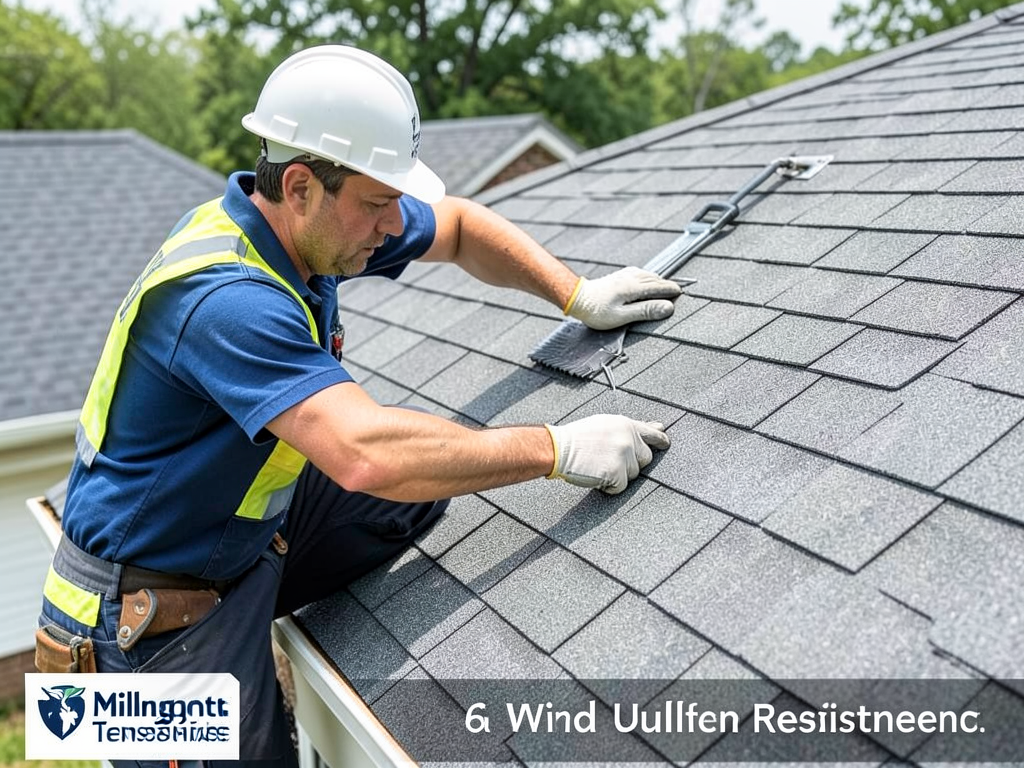
Technician demonstrating wind uplift resistance testing on asphalt shingles using a calibrated pressure chamber
High-Performance Shingle Options for Storm Resistance
Standard architectural shingles offer minimal protection against severe weather. For true storm resistance, you need materials engineered specifically for high-wind and impact-prone areas.
Class 4 impact-resistant shingles represent the highest rating available for residential roofing. These shingles undergo rigorous testing where steel balls are dropped from various heights to simulate hail impact. Only materials that show no cracking or splitting receive the Class 4 designation. Residential Roofers Specializing in Historic Homes in Central Gardens.
GAF’s Timberline AS II and Owens Corning’s Duration Storm series both offer Class 4 impact resistance with enhanced wind ratings of up to 130 mph when installed with the manufacturer’s high-wind application methods.
Material Comparison for Storm-Prone Areas
| Material Type | Wind Rating | Impact Resistance | Lifespan | Best For |
|---|---|---|---|---|
| Standard Architectural | 60-80 mph | Class 2 | 15-20 years | Moderate climates |
| Class 4 Impact Resistant | 110-130 mph | Class 4 | 25-30 years | Storm-prone areas |
| Standing Seam Metal | 140+ mph | Class 4 | 40-50 years | Highest protection needs |
Critical Installation Techniques for Maximum Storm Resistance
Even the best materials fail if not installed correctly. High-wind installation requires specific techniques that go beyond standard practices.
The six-nail pattern instead of the standard four-nail pattern provides significantly better wind uplift resistance. Each additional nail increases the holding power by approximately 15-20 pounds per shingle.
Roof deck reinforcement is equally important. Installing a secondary water barrier like synthetic underlayment creates a backup defense if shingles are damaged or blown off during a storm.. Read more about Why the Underlayment You Choose Is Actually the Most Important Part of Your New Roof.
Proper flashing installation around chimneys, vents, and valleys prevents water infiltration—the second leading cause of storm damage. Step flashing should extend at least 4 inches up the vertical surface and 4 inches onto the roof deck.. Read more about How to Spot High Wind Damage Even When You Don’t See Missing Shingles.
Close-up of six-nail installation pattern showing proper nail placement and sealing technique
Metal Roofing: The Ultimate Storm Defense
Standing seam metal roofing offers unmatched protection for Millington homeowners willing to invest in premium materials. These systems can withstand wind speeds exceeding 140 mph and provide excellent hail resistance.
The interlocking panel design eliminates the exposed fasteners that create weak points in traditional roofing systems. This design also allows for thermal movement without compromising the weather seal.
Metal roofing reflects up to 70% of solar heat, reducing cooling costs during Millington’s hot summers. The material is also fire-resistant and can be installed over existing shingles, reducing tear-off costs.
While the upfront cost is higher—typically 2-3 times that of asphalt shingles—the 40-50 year lifespan and minimal maintenance requirements often make it cost-effective over time.
Local Building Codes and Insurance Considerations
Shelby County building codes require specific wind uplift ratings for roofing in different zones. Millington falls within the 110 mph wind zone, meaning roofs must be designed to withstand sustained winds of at least that speed.
The International Building Code (IBC) Section 1504.1.11 mandates specific fastening requirements for asphalt shingles in high-wind areas. This includes the six-nail pattern and enhanced starter strip installation.
Insurance companies often provide premium discounts for homes with Class 4 impact-resistant roofing. In Tennessee, these discounts typically range from 5-15% of your annual premium, potentially saving hundreds of dollars per year. Insurance Institute for Business & Home Safety.
Documenting your storm-resistant upgrades with photos and receipts can streamline the insurance claims process if damage does occur. Many insurers now require proof of impact-resistant materials for hail damage claims.
Secondary Protection Systems
Beyond the primary roofing material, several secondary systems enhance storm resistance. Hurricane straps connect the roof structure to the walls, preventing uplift during extreme wind events.
Proper attic ventilation prevents pressure buildup that can literally blow roofs off during severe storms. Ridge vents, soffit vents, and gable vents work together to equalize pressure and reduce wind-induced uplift.
Gutter systems play a crucial role in storm protection. Oversized gutters with adequate downspouts handle heavy rainfall without backing up under shingles. Gutter guards prevent debris from clogging the system during storms.
Roof edge metal—the metal flashing along eaves and rakes—provides critical protection against wind-driven rain. This component often fails first during severe storms, allowing water to penetrate under shingles.
Cost-Benefit Analysis of Storm Upgrades
Investing in storm-resistant roofing requires balancing upfront costs against long-term benefits. Here’s what Millington homeowners typically invest in various upgrade levels:
| Upgrade Level | Estimated Cost | Expected Lifespan | Insurance Savings | Break-even Point |
|---|---|---|---|---|
| Standard Replacement | $5,000-8,000 | 15-20 years | $0 | N/A |
| Class 4 Shingles | $7,000-10,000 | 25-30 years | $100-300/year | 8-12 years |
| Metal Roofing | $15,000-25,000 | 40-50 years | $200-400/year | 15-20 years |
These figures assume average Millington home sizes (1,800-2,500 square feet) and current 2026 material pricing. Actual costs vary based on roof complexity and specific material choices.
Maintenance Requirements for Storm-Resistant Roofs
Even the most durable roofing systems require regular maintenance to maintain storm resistance. Annual inspections should check for loose fasteners, damaged flashing, and granule loss on shingles.
Clean gutters and downspouts at least twice yearly, preferably before and after storm season. Clogged drainage systems can cause water to back up under shingles during heavy rainfall.
Trim tree branches that overhang your roof. During storms, these branches can scrape and damage roofing materials or even fall and cause significant damage.
Check attic ventilation regularly. Proper airflow prevents moisture buildup that can compromise decking and reduce the effectiveness of your storm-resistant materials.
Emergency Preparedness for Storm Season
Even with the best upgrades, severe storms can still cause damage. Having an emergency plan protects your home and family.
Keep tarps, buckets, and basic tools accessible for temporary repairs if damage occurs. Know where your main water shut-off valve is located in case of pipe damage. Get a Fast Quote for Roof Leak Repair in Cordova.
Document your roof’s condition with photos before storm season. This documentation helps with insurance claims if damage occurs.
Have contact information for reputable roofing contractors who offer emergency services. Avoid storm chasers who appear after major weather events offering suspiciously low prices.
Consider installing a whole-house surge protector to protect against lightning strikes that often accompany severe storms.
Financing Options for Storm Upgrades
Many homeowners delay storm upgrades due to cost concerns. Several financing options make these improvements more accessible.
Home equity loans and lines of credit often offer lower interest rates than credit cards. Some lenders offer specific home improvement loans with terms up to 15 years.
Energy-efficient mortgages can help finance metal roofing upgrades, as these materials often qualify for energy efficiency credits.
Insurance premium discounts can offset upgrade costs over time. Calculate your potential savings when evaluating financing options.
Some contractors offer in-house financing with competitive terms, though it’s important to compare these offers with traditional lending options.
Making the Right Choice for Your Home
Selecting the right storm-resistant upgrades depends on your specific situation. Consider your home’s age, current roof condition, and your long-term plans for the property.
If your roof is approaching the end of its lifespan, investing in Class 4 shingles or metal roofing during replacement makes financial sense. The incremental cost is often minimal compared to the benefits.
For newer roofs in good condition, targeted upgrades like enhanced flashing, improved ventilation, and proper maintenance may provide adequate protection without full replacement.
Consider your neighborhood’s storm history. Homes in areas frequently hit by severe weather benefit more from premium upgrades than those in relatively protected locations.
Consult with local roofing professionals who understand Millington’s specific weather patterns and building requirements. They can recommend solutions tailored to your home’s unique needs.
Frequently Asked Questions
How much do storm-resistant upgrades typically cost?
Costs vary widely based on the scope of work. Class 4 impact-resistant shingles typically cost $1,500-3,000 more than standard architectural shingles for an average home. Complete metal roofing systems range from $15,000-25,000 installed.
Will insurance cover the cost of storm-resistant upgrades?
Insurance typically doesn’t cover preventative upgrades, but many companies offer premium discounts for impact-resistant materials. These discounts can offset upgrade costs over time. Some policies may cover upgrades if they’re part of a required repair after storm damage. Flat Roof Repair & Restoration.
How long does installation take for storm-resistant roofing?
Most residential installations take 2-3 days for asphalt shingles and 4-5 days for metal roofing. Weather conditions and roof complexity can extend these timelines. Professional contractors can provide more accurate estimates after inspecting your specific roof.
Are metal roofs noisier during storms?
Modern metal roofing installed over solid decking with proper underlayment is no noisier than other roofing materials during rain or hail. The misconception about noise comes from older installations over open framing.
What’s the best time of year for storm-resistant upgrades?
Late winter and early spring are ideal, as you’ll have your upgraded roof ready before peak storm season. Fall is also good for preparation, though contractors may be busier with repairs from summer storms.
Protect Your Millington Home Today
Don’t wait for the next severe storm to test your roof’s limits. Proactive upgrades can save you thousands in potential damage and give you peace of mind during Memphis’s unpredictable spring weather. Memphis National Weather Service.
Every day you delay is another day your home remains vulnerable to high winds, hail, and heavy rainfall. The cost of prevention is almost always less than the cost of emergency repairs after storm damage occurs.
Ready to strengthen your home against severe weather? Call (901) 669-7399 today to schedule your free storm-resistant roofing consultation. Our local experts understand Millington’s unique weather challenges and can recommend the perfect upgrade solution for your home and budget.
Pick up the phone and call (901) 669-7399 before the next storm hits. Your family’s safety and your home’s protection are worth the investment.
Don’t let another spring storm season pass without proper protection. Contact us now to learn how affordable storm-resistant roofing upgrades can be for your Millington home. For more information, visit FEMA guidelines.
You may also find this helpful. The Most Common Places Memphis Roofs Fail and How to Spot Them Early.
{
“@context”: “https://schema.org”,
“@type”: “BlogPosting”,
“headline”: “Essential Roof Upgrades to Help Your Millington Home Survive Severe Spring Storms”,
“description”: “Protect your Millington home from severe spring storms with impact-resistant shingles, metal roofing, and expert installation. Call (901) 669-7399 for a free consultation.”,
“wordCount”: 1864,
“datePublished”: “2026-03-12T13:59:00.000Z”,
“dateModified”: “2026-03-12T13:59:00.000Z”,
“inLanguage”: “en-US”,
“mainEntityOfPage”: {
“@type”: “WebPage”,
“@id”: “https://evergreenroofingmemphis.com”
},
“publisher”: {
“@type”: “LocalBusiness”,
“name”: “Evergreen Roofing Memphis”,
“url”: “https://evergreenroofingmemphis.com”
},
“author”: {
“@type”: “Organization”,
“name”: “Evergreen Roofing Memphis”,
“url”: “https://evergreenroofingmemphis.com”
},
“image”: {
“@type”: “ImageObject”,
“url”: “https://evergreenroofingmemphis.com/wp-content/uploads/2026/03/essential-roof-upgrades-to-help-your-millington-ho-1.png”
}
}
{
“@context”: “https://schema.org”,
“@type”: “RoofingContractor”,
“name”: “Evergreen Roofing Memphis”,
“url”: “https://evergreenroofingmemphis.com”,
“address”: {
“@type”: “PostalAddress”,
“addressLocality”: “Memphis”
},
“areaServed”: {
“@type”: “City”,
“name”: “Memphis”
}
}
{
“@context”: “https://schema.org”,
“@type”: “FAQPage”,
“mainEntity”: [
{
“@type”: “Question”,
“name”: “How much do storm-resistant upgrades typically cost?”,
“acceptedAnswer”: {
“@type”: “Answer”,
“text”: “Costs vary widely based on the scope of work. Class 4 impact-resistant shingles typically cost $1,500-3,000 more than standard architectural shingles for an average home. Complete metal roofing systems range from $15,000-25,000 installed.”
}
},
{
“@type”: “Question”,
“name”: “Will insurance cover the cost of storm-resistant upgrades?”,
“acceptedAnswer”: {
“@type”: “Answer”,
“text”: “Insurance typically doesn’t cover preventative upgrades, but many companies offer premium discounts for impact-resistant materials. These discounts can offset upgrade costs over time. Some policies may cover upgrades if they’re part of a required repair after storm damage. Flat Roof Repair & Restoration.”
}
},
{
“@type”: “Question”,
“name”: “How long does installation take for storm-resistant roofing?”,
“acceptedAnswer”: {
“@type”: “Answer”,
“text”: “Most residential installations take 2-3 days for asphalt shingles and 4-5 days for metal roofing. Weather conditions and roof complexity can extend these timelines. Professional contractors can provide more accurate estimates after inspecting your specific roof.”
}
},
{
“@type”: “Question”,
“name”: “Are metal roofs noisier during storms?”,
“acceptedAnswer”: {
“@type”: “Answer”,
“text”: “Modern metal roofing installed over solid decking with proper underlayment is no noisier than other roofing materials during rain or hail. The misconception about noise comes from older installations over open framing.”
}
},
{
“@type”: “Question”,
“name”: “What’s the best time of year for storm-resistant upgrades?”,
“acceptedAnswer”: {
“@type”: “Answer”,
“text”: “Late winter and early spring are ideal, as you’ll have your upgraded roof ready before peak storm season. Fall is also good for preparation, though contractors may be busier with repairs from summer storms.”
}
}
]
}
{
“@context”: “https://schema.org”,
“@type”: “BreadcrumbList”,
“itemListElement”: [
{
“@type”: “ListItem”,
“position”: 1,
“name”: “Home”,
“item”: “https://evergreenroofingmemphis.com”
},
{
“@type”: “ListItem”,
“position”: 2,
“name”: “Blog”,
“item”: “https://evergreenroofingmemphis.com/blog”
},
{
“@type”: “ListItem”,
“position”: 3,
“name”: “Essential Roof Upgrades to Help Your Millington Home Survive Severe Spring Storms”
}
]
}
{
“@context”: “https://schema.org”,
“@type”: “Service”,
“serviceType”: “Roofing”,
“provider”: {
“@type”: “LocalBusiness”,
“name”: “Evergreen Roofing Memphis”,
“url”: “https://evergreenroofingmemphis.com”
},
“areaServed”: {
“@type”: “City”,
“name”: “Memphis”
},
“description”: “Protect your Millington home from severe spring storms with impact-resistant shingles, metal roofing, and expert installation. Call (901) 669-7399 for a free consultation.”
}