
How to Spot High Wind Damage Even When You Don’t See Missing Shingles
Memphis homeowners often discover wind damage only after water leaks through their ceiling. High winds can cause serious roof damage without removing a single shingle. Understanding these hidden warning signs can save you thousands in repair costs and prevent extensive interior damage. Get a Fast Quote for Roof Leak Repair in Cordova.
Wind speeds above 45 mph create uplift pressure on your roof. This pressure doesn’t always tear shingles off completely. Instead, it can break the adhesive seals between shingles, lift edges slightly, or crease the shingle surface. These subtle changes allow water infiltration during the next rain event.
The Shelby County area experiences frequent straight-line wind events, particularly in spring and fall. These winds can exceed 70 mph and create damage patterns different from hurricane-force winds. Learning to identify these specific damage signatures is crucial for Memphis property owners. Storm Damage Roof Inspection and Repair in Bartlett.
Common Hidden Wind Damage Signs Memphis Homeowners Miss

Missing shingles grab attention, but the real damage often hides in plain sight. Here are the warning signs that indicate wind damage requiring immediate professional inspection.
Seal Failure Between Shingles
Wind creates a lifting effect on shingle edges. When this happens repeatedly, the adhesive strip between shingles breaks down. You might notice shingle tabs that feel loose when gently lifted. This seal failure creates entry points for wind-driven rain.
During our inspections, we use a simple diagnostic test. We lift shingle edges approximately one inch. If the seal releases easily without tearing the shingle mat, the adhesive has failed. This test requires careful technique to avoid causing additional damage.
Creased or Bent Shingles
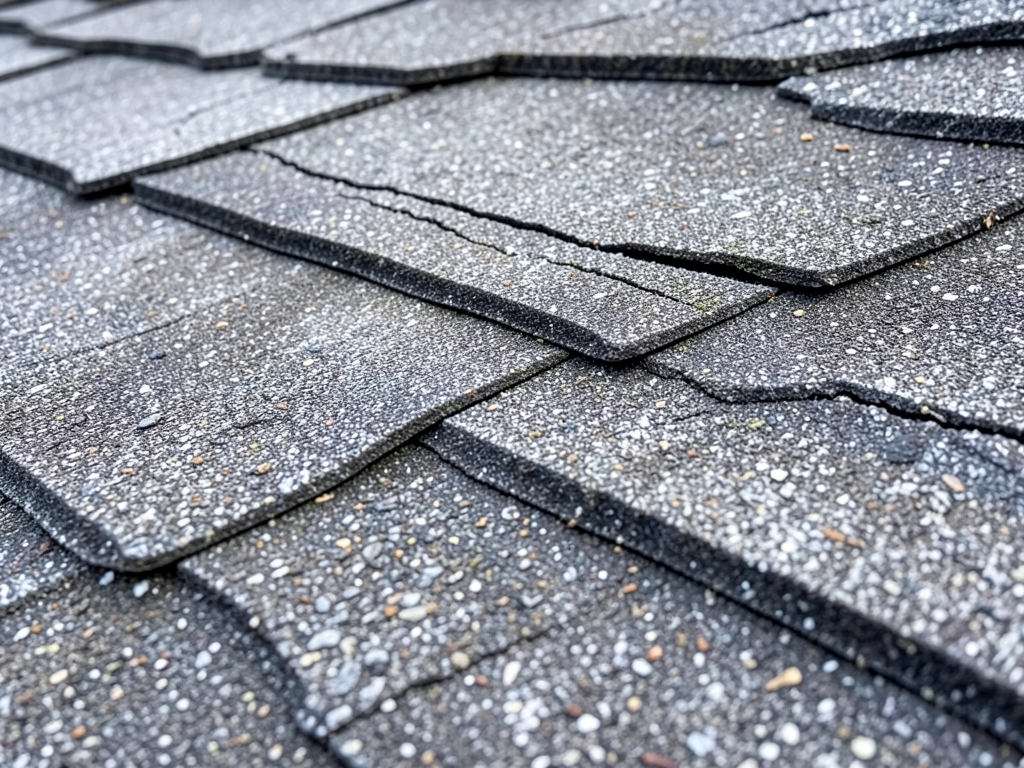
High winds can bend shingles back and forth until they crease. These creases often appear as dark lines across the shingle surface. The crease weakens the shingle structure and creates a channel for water to flow underneath.
Creases typically form on the windward side of the roof where wind pressure is highest. They appear most frequently on ridge caps and along roof edges. A creased shingle loses 50-70% of its remaining lifespan.
Lifted or Warped Flashing
Roof flashing around chimneys, vents, and valleys takes the brunt of wind pressure. High winds can lift flashing away from the roof deck, breaking the sealant bond. This creates gaps where water can penetrate.
We check flashing by gently pressing along its edges. If the flashing moves or you hear a crackling sound, the sealant has failed. This damage often goes unnoticed until the next heavy rain reveals the leak inside your home.
Granule Loss Patterns
Wind-driven rain can strip granules from shingle surfaces in specific patterns. Unlike hail damage which creates circular impact marks, wind damage often shows linear granule loss along roof slopes.. Read more about Saving on Home Insurance with Impact Resistant Shingles in River Oaks.
Check your gutters and downspouts for excessive granule accumulation after wind events. A thin layer is normal, but piles of granules indicate significant surface damage. This granule loss exposes the asphalt mat to UV radiation, accelerating deterioration.
Memphis-Specific Wind Damage Patterns
Memphis experiences unique wind patterns due to its location in the Mississippi River valley. Understanding these patterns helps identify damage specific to our region.
Straight-Line Wind Events
Unlike tornadoes that create rotational damage, straight-line winds push uniformly across roof surfaces. This creates damage patterns that follow the wind direction. Shingles on the windward side often show the most severe damage.
The National Weather Service Memphis office tracks these events. In 2025, the region experienced 47 straight-line wind events exceeding 60 mph. These winds commonly affect neighborhoods in East Memphis, Cordova, and Bartlett. National Weather Service Memphis.
Tree Impact Damage
Memphis’s mature tree canopy creates additional wind damage risks. During high wind events, tree limbs can strike roofs without breaking through. These impacts may not cause visible holes but can damage shingle seals and flashing.
We frequently find impact damage on homes near Shelby Farms Park and in the Hein Park area where large trees overhang many roofs. The damage often appears as localized granule loss or creased shingles directly below tree branches.
Humidity-Related Complications
Memphis’s high humidity levels compound wind damage effects. When wind damages shingle seals, the humid environment accelerates moisture infiltration. This combination can lead to mold growth under shingles within 48-72 hours.
The Tennessee Department of Commerce and Insurance recognizes this climate-specific risk. Their guidelines require more frequent inspections for roofs in humid regions compared to arid climates. Tennessee Department of Commerce and Insurance.
Emergency Steps After Wind Events
Taking immediate action after high wind events can prevent thousands in water damage. Follow these steps to protect your home.
Initial Ground Inspection
Wait until winds subside completely before inspecting your property. Look for these signs from the ground:
- Shingle pieces in your yard or driveway
- Loose items on your roof like tree branches or trash
- Damaged gutters hanging away from the fascia
- Cracked or missing vent caps
These visible signs often indicate more extensive hidden damage above.
Interior Water Damage Check
Inspect your attic and ceilings within 24 hours after wind events. Look for:
- Water stains on ceiling drywall
- Damp insulation in attic spaces
- Musty odors indicating moisture presence
- Peeling paint around ceiling fixtures
Water damage often appears in unexpected locations. Check corners and areas near exterior walls where wind-driven rain typically enters.
Professional Inspection Timing
Schedule a professional inspection within 3-5 days after significant wind events. This timing allows for:
- Complete drying of any moisture infiltration
- Clear identification of damage patterns
- Documentation before weather changes obscure evidence
- Prompt insurance claim filing if needed
Delaying inspection beyond one week can complicate insurance claims as weather can alter damage evidence.
Insurance Claim Considerations for Memphis Homeowners
Understanding the insurance claim process helps maximize your recovery after wind damage. Tennessee insurance regulations provide specific protections for homeowners.
Documentation Requirements
Tennessee insurance companies require specific documentation for wind damage claims. Prepare these items before contacting your adjuster:
- Photos of visible damage from ground level
- Documentation of the wind event from local news or weather service
- Receipts for any emergency repairs or tarping
- Records of previous roof maintenance
The Shelby County Division of Planning and Development requires permits for most roof repairs exceeding $1,000. Your insurance claim should include permit fees. Flat Roof Repair & Restoration.
Common Insurance Company Tactics
Insurance adjusters often minimize wind damage claims by focusing on missing shingles rather than seal failure. They may argue that creased shingles or lifted flashing don’t constitute damage requiring replacement.
Understanding Tennessee insurance law helps counter these arguments. The Tennessee Department of Commerce and Insurance mandates that adjusters consider the cumulative effect of wind damage on roof integrity, not just visible shingle loss.
Claim Timeline Expectations
Insurance claim processing in Memphis typically follows this timeline:
- Initial inspection: 1-3 days after claim filing
- Adjuster report: 3-7 days after inspection
- Claim decision: 7-14 days after report submission
- Payment processing: 2-4 weeks after approval
Delays often occur during peak storm season when multiple claims flood insurance companies. Having professional documentation speeds this process significantly.
Professional Wind Damage Assessment Process
Professional roofers use specific diagnostic techniques to identify wind damage that homeowners miss. Understanding this process helps you evaluate inspection quality. Residential Roofers Specializing in Historic Homes in Central Gardens.
Comprehensive Inspection Protocol
A thorough wind damage inspection includes these steps:
- Exterior perimeter inspection from ground level
- Roof surface examination using proper safety equipment
- Attic space inspection for moisture indicators
- Flashing and penetration point assessment
- Documentation with photos and measurements
Each step builds evidence for the complete damage assessment. Missing any step can result in overlooked damage.
Advanced Diagnostic Tools
Professional roofers use specialized tools to detect hidden wind damage:
- Moisture meters to detect water infiltration in decking
- Infrared cameras to identify temperature variations indicating moisture
- Binoculars with rangefinders for detailed high-slope inspection
- Drones for safe inspection of steep or complex roof designs
These tools reveal damage patterns invisible to the naked eye, particularly seal failures and moisture intrusion points.
Damage Classification Standards
Roofing professionals classify wind damage using industry standards from the National Roofing Contractors Association. These classifications determine repair vs. replacement recommendations: Roofing Lakeland.
- Class 1: Minor damage affecting less than 5% of roof area
- Class 2: Moderate damage affecting 5-15% of roof area
- Class 3: Major damage affecting 15-30% of roof area
- Class 4: Severe damage affecting over 30% of roof area
Class 3 and 4 damage typically requires full roof replacement rather than spot repairs.
Prevention and Protection Strategies
While you cannot prevent high winds, you can minimize wind damage through proactive measures. These strategies protect your investment and extend roof lifespan.
Wind-Resistant Roofing Materials
Modern roofing materials offer enhanced wind resistance. When replacing your roof, consider:
- Class H shingles rated for winds up to 150 mph
- Enhanced nailing patterns with six nails per shingle instead of four
- Roofing cement application on shingle tabs in high-wind areas
- Upgraded underlayment systems for additional moisture protection
These upgrades typically add 15-20% to roof replacement costs but can prevent thousands in damage during wind events.
Regular Maintenance Schedule
Establish a maintenance schedule that includes:
- Biannual roof inspections each spring and fall
- Immediate repair of damaged or missing shingles
- Cleaning of gutters and downspouts to prevent water backup
- Tree trimming to maintain safe distances from roof surfaces
Regular maintenance identifies minor issues before they become major problems during wind events.
Emergency Preparedness Kit
Prepare for wind events with these supplies:
- Heavy-duty tarps and appropriate fasteners
- Roofing cement and caulk for temporary repairs
- Contact information for emergency roofing services
- Insurance policy documentation and claim contact numbers
Having these supplies ready can prevent extensive damage while waiting for professional repairs.
Frequently Asked Questions
How soon after a wind storm should I inspect my roof?
Wait until winds completely subside, then inspect within 24 hours. Early inspection helps identify damage before weather changes obscure evidence. However, never walk on a wet or damaged roof yourself.
Can I file an insurance claim for wind damage if I don’t see missing shingles?
Yes. Tennessee insurance law covers all wind damage affecting roof integrity, not just missing shingles. Seal failure, creased shingles, and lifted flashing all qualify for coverage under most policies.
How long do I have to file a wind damage claim in Tennessee?
Most Tennessee insurance policies require claims filing within one year of damage occurrence. However, prompt filing within 30-60 days provides the strongest claim position and prevents evidence deterioration.
What’s the difference between wind damage and normal roof wear?
Wind damage typically shows sudden, localized patterns following wind direction. Normal wear occurs gradually across the entire roof surface. Wind damage often includes seal failures and creased shingles rather than uniform granule loss.
Should I pay for a roof inspection after wind damage?
Professional inspections typically cost $150-300 but can identify damage worth thousands in insurance claims. Many reputable roofers offer free inspections if you’re considering repairs or replacement through their company.
Take Action Before the Next Storm
Wind damage doesn’t wait for convenient timing. When the next storm hits Memphis, you need to know your roof can withstand the pressure. Hidden damage today becomes major leaks tomorrow.
Don’t wait until water drips through your ceiling. Call (901) 669-7399 today to schedule your comprehensive wind damage inspection. Our experienced technicians use advanced diagnostic tools to identify every issue, from seal failures to moisture intrusion points.
Memphis’s weather patterns make wind damage inevitable. Your response makes the difference between a quick repair and a major renovation. Pick up the phone and call (901) 669-7399 before the next storm hits. Your home deserves professional protection.
Remember: What you don’t see can hurt you most. Trust the local experts who understand Memphis’s unique wind challenges. Call (901) 669-7399 now for peace of mind tomorrow.
{
“@context”: “https://schema.org”,
“@type”: “BlogPosting”,
“headline”: “How to Spot High Wind Damage Even When You Don’t See Missing Shingles”,
“description”: “Memphis homeowners: learn to identify hidden wind damage like seal failure, lifted flashing, and creased shingles before costly leaks develop. Call (901) 669-7399.”,
“wordCount”: 1954,
“datePublished”: “2026-04-03T13:14:00.000Z”,
“dateModified”: “2026-04-03T13:14:00.000Z”,
“inLanguage”: “en-US”,
“mainEntityOfPage”: {
“@type”: “WebPage”,
“@id”: “https://evergreenroofingmemphis.com”
},
“publisher”: {
“@type”: “LocalBusiness”,
“name”: “Evergreen Roofing Memphis”,
“url”: “https://evergreenroofingmemphis.com”
},
“author”: {
“@type”: “Organization”,
“name”: “Evergreen Roofing Memphis”,
“url”: “https://evergreenroofingmemphis.com”
},
“image”: {
“@type”: “ImageObject”,
“url”: “https://evergreenroofingmemphis.com/wp-content/uploads/2026/03/how-to-spot-high-wind-damage-even-when-you-don-t-s-1.png”
}
}
{
“@context”: “https://schema.org”,
“@type”: “RoofingContractor”,
“name”: “Evergreen Roofing Memphis”,
“url”: “https://evergreenroofingmemphis.com”,
“address”: {
“@type”: “PostalAddress”,
“addressLocality”: “Memphis”
},
“areaServed”: {
“@type”: “City”,
“name”: “Memphis”
}
}
{
“@context”: “https://schema.org”,
“@type”: “FAQPage”,
“mainEntity”: [
{
“@type”: “Question”,
“name”: “How soon after a wind storm should I inspect my roof?”,
“acceptedAnswer”: {
“@type”: “Answer”,
“text”: “Wait until winds completely subside, then inspect within 24 hours. Early inspection helps identify damage before weather changes obscure evidence. However, never walk on a wet or damaged roof yourself.”
}
},
{
“@type”: “Question”,
“name”: “Can I file an insurance claim for wind damage if I don’t see missing shingles?”,
“acceptedAnswer”: {
“@type”: “Answer”,
“text”: “Yes. Tennessee insurance law covers all wind damage affecting roof integrity, not just missing shingles. Seal failure, creased shingles, and lifted flashing all qualify for coverage under most policies.”
}
},
{
“@type”: “Question”,
“name”: “How long do I have to file a wind damage claim in Tennessee?”,
“acceptedAnswer”: {
“@type”: “Answer”,
“text”: “Most Tennessee insurance policies require claims filing within one year of damage occurrence. However, prompt filing within 30-60 days provides the strongest claim position and prevents evidence deterioration.”
}
},
{
“@type”: “Question”,
“name”: “What’s the difference between wind damage and normal roof wear?”,
“acceptedAnswer”: {
“@type”: “Answer”,
“text”: “Wind damage typically shows sudden, localized patterns following wind direction. Normal wear occurs gradually across the entire roof surface. Wind damage often includes seal failures and creased shingles rather than uniform granule loss.”
}
},
{
“@type”: “Question”,
“name”: “Should I pay for a roof inspection after wind damage?”,
“acceptedAnswer”: {
“@type”: “Answer”,
“text”: “Professional inspections typically cost $150-300 but can identify damage worth thousands in insurance claims. Many reputable roofers offer free inspections if you’re considering repairs or replacement through their company.”
}
}
]
}
{
“@context”: “https://schema.org”,
“@type”: “BreadcrumbList”,
“itemListElement”: [
{
“@type”: “ListItem”,
“position”: 1,
“name”: “Home”,
“item”: “https://evergreenroofingmemphis.com”
},
{
“@type”: “ListItem”,
“position”: 2,
“name”: “Blog”,
“item”: “https://evergreenroofingmemphis.com/blog”
},
{
“@type”: “ListItem”,
“position”: 3,
“name”: “How to Spot High Wind Damage Even When You Don’t See Missing Shingles”
}
]
}
{
“@context”: “https://schema.org”,
“@type”: “Service”,
“serviceType”: “Roofing”,
“provider”: {
“@type”: “LocalBusiness”,
“name”: “Evergreen Roofing Memphis”,
“url”: “https://evergreenroofingmemphis.com”
},
“areaServed”: {
“@type”: “City”,
“name”: “Memphis”
},
“description”: “Memphis homeowners: learn to identify hidden wind damage like seal failure, lifted flashing, and creased shingles before costly leaks develop. Call (901) 669-7399.”
}