menu

Attic Ventilation Systems in Memphis – Expert Installation for Extreme Heat and Humidity Protection

Evergreen Roofing Memphis specializes in designing and installing attic ventilation systems engineered for Memphis's brutal summer heat and year-round humidity, protecting your roof deck, insulation, and lowering cooling costs.

Slider Image 1
Slider Image 2
Slider Image 3
Slider Image 4
Slider Image 5
Slider Image 7
Slider Image 8
Slider Image 9
Slider Image 10
Slider Image 11

Why Memphis Attics Fail Without Proper Ventilation

Memphis sits in a climate zone where summer attic temperatures routinely exceed 150 degrees. Add in the oppressive humidity that rolls off the Mississippi River, and you have a perfect storm for roof deck rot, mold growth, and premature shingle failure. Most homes in Memphis were built before modern ventilation standards became code, meaning thousands of properties across Midtown, Cooper-Young, and East Memphis are operating with inadequate attic airflow systems.

When your attic cannot exhale hot, moisture-laden air, that heat radiates down into your living space. Your air conditioner runs longer cycles. Your energy bills spike. The roof decking absorbs moisture, weakening structural integrity. Shingles bake from underneath, curling years before their rated lifespan. Ice damming becomes a risk during Memphis's occasional winter freezes when warm attic air melts snow unevenly.

Proper roof venting systems balance intake vents at the soffits with exhaust vents at the ridge or gable ends. This creates continuous airflow that removes heat and moisture before damage occurs. Homes near Overton Park or along the Wolf River often have unique rooflines that require custom attic exhaust systems to achieve code-compliant ventilation ratios. Generic solutions fail in these applications.

You cannot see attic ventilation working, which is why most homeowners ignore it until the damage is visible. By then, you are replacing decking, not just adding vents. Memphis's climate does not forgive poor attic venting.

Why Memphis Attics Fail Without Proper Ventilation
How We Engineer Attic Airflow for Memphis Conditions

How We Engineer Attic Airflow for Memphis Conditions

Evergreen Roofing Memphis does not install generic vent kits. We calculate your net free ventilation area based on attic square footage, roof pitch, and existing intake capacity. Memphis building code requires a minimum 1:150 ventilation ratio, but we often exceed that standard in homes with complex rooflines or limited soffit access.

We start by measuring your attic space and mapping existing ventilation points. Many older Memphis homes have blocked soffit vents from blown-in insulation or insufficient intake area altogether. We address intake deficiencies first because exhaust vents are useless without balanced airflow. Ridge vents provide the most effective continuous exhaust for standard gable roofs. Hip roofs require a combination approach using ridge vents and supplemental box vents or power attic ventilators.

For homes in historic districts like Victorian Village or Central Gardens, we respect architectural aesthetics while meeting performance requirements. That may mean using low-profile vents, concealed soffit intake systems, or gable-mounted exhaust fans that blend with period details. We coordinate vent placement to avoid disrupting rooflines visible from the street.

Roof airflow systems must account for Memphis's intense solar gain. We position exhaust vents to maximize thermal draw, using the stack effect to pull hot air out naturally. Powered attic fans work in specific applications where passive ventilation cannot achieve adequate air changes per hour, particularly in low-slope or complex roof geometries common in newer construction around Germantown and Collierville.

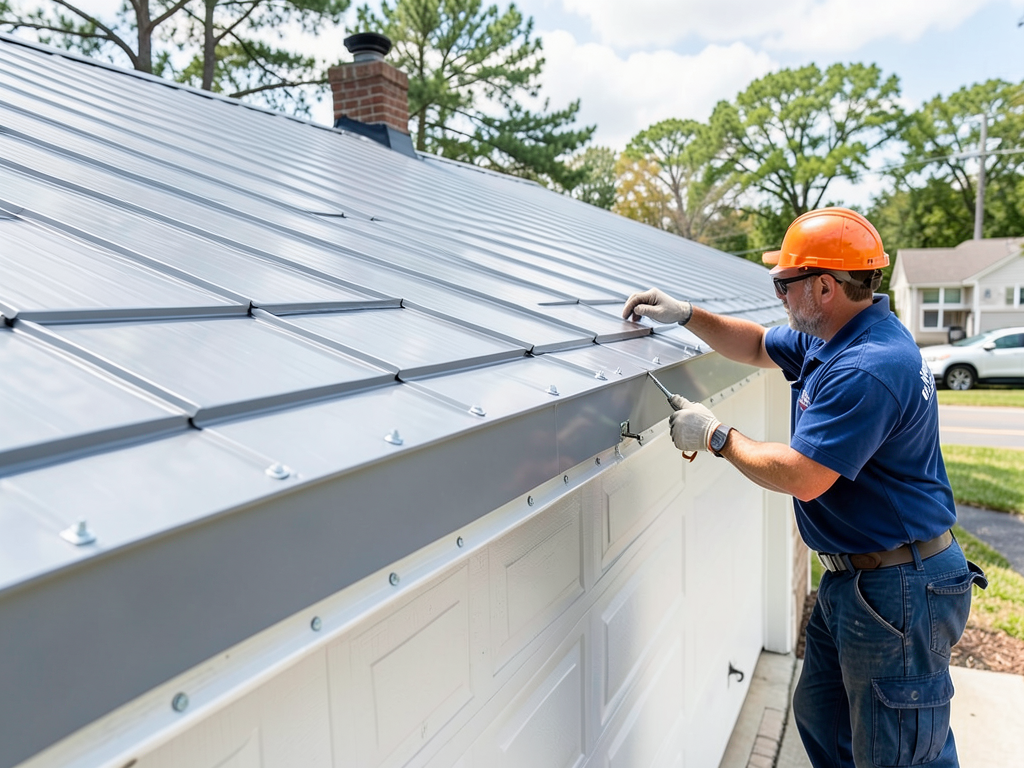
We integrate new attic venting with your existing roofing material, maintaining waterproof integrity at every penetration point. Flashing details matter. Poor installation creates leak points that defeat the entire purpose of moisture control.

What Happens During Your Attic Ventilation Installation

Attic Ventilation Systems in Memphis – Expert Installation for Extreme Heat and Humidity Protection
01

Attic Inspection and Calculation

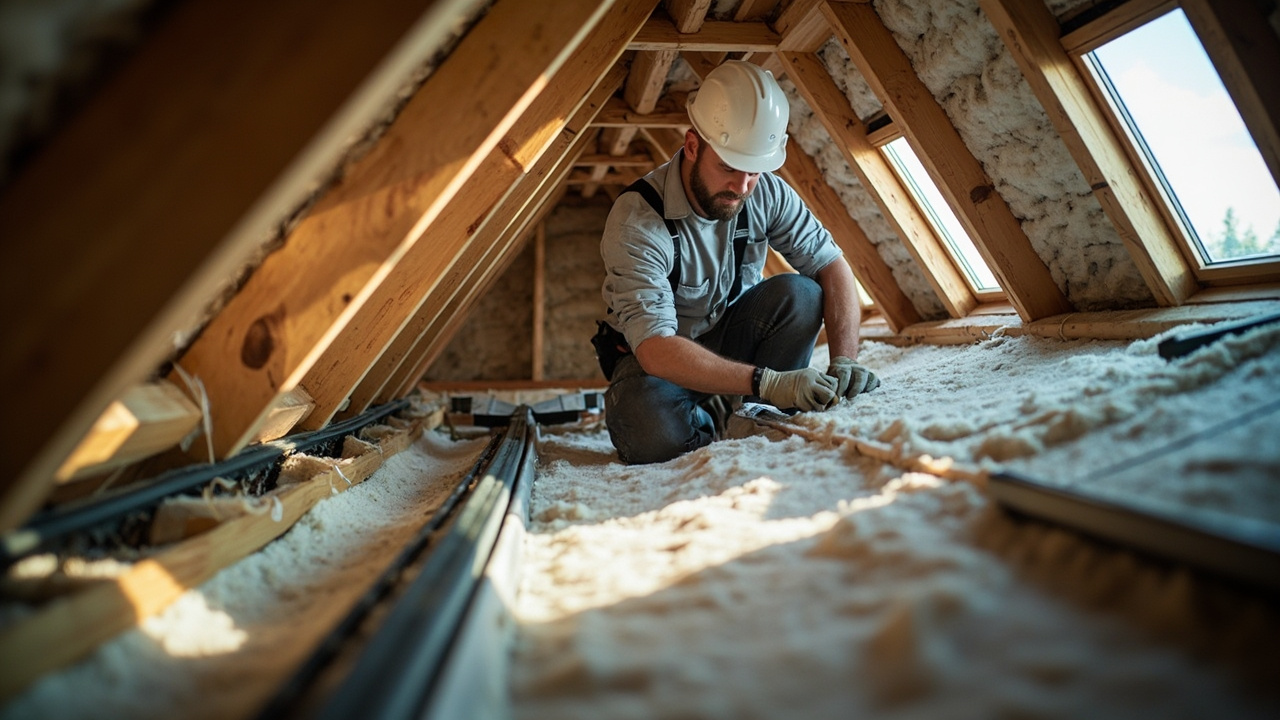
We access your attic to measure square footage, inspect existing vents, and document blocked intake areas. We calculate required net free area based on roof pitch and attic volume. You receive a detailed ventilation map showing current deficiencies and our proposed solution. We identify any moisture damage or mold growth that resulted from inadequate airflow. This inspection takes 45 to 90 minutes depending on attic accessibility and complexity.
02

Custom System Design

We design your roof venting system based on your specific roof type, existing soffit conditions, and architectural constraints. Ridge vents, box vents, turbine vents, or powered fans get specified based on performance requirements. We determine intake improvements needed, whether that means adding soffit vents, installing baffles, or creating alternative intake paths. You approve the design before we order materials. We coordinate color matching for visible vents to blend with your roof.
03

Installation and Airflow Testing

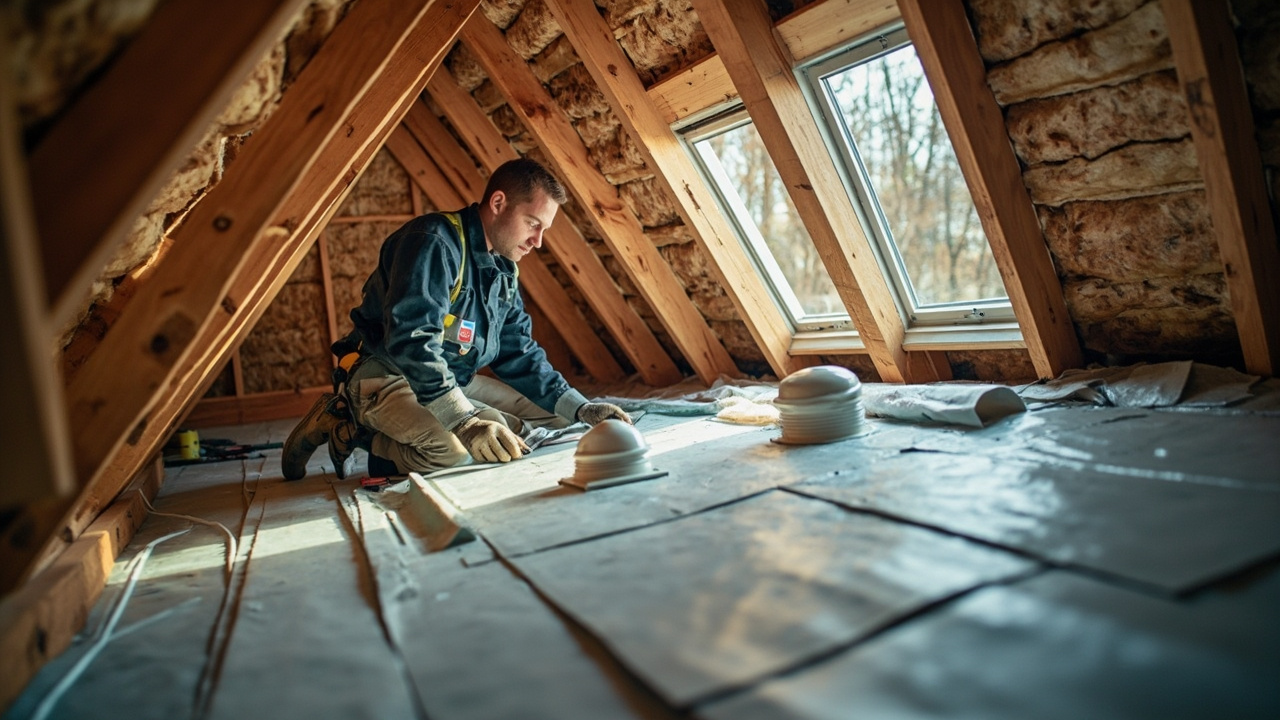
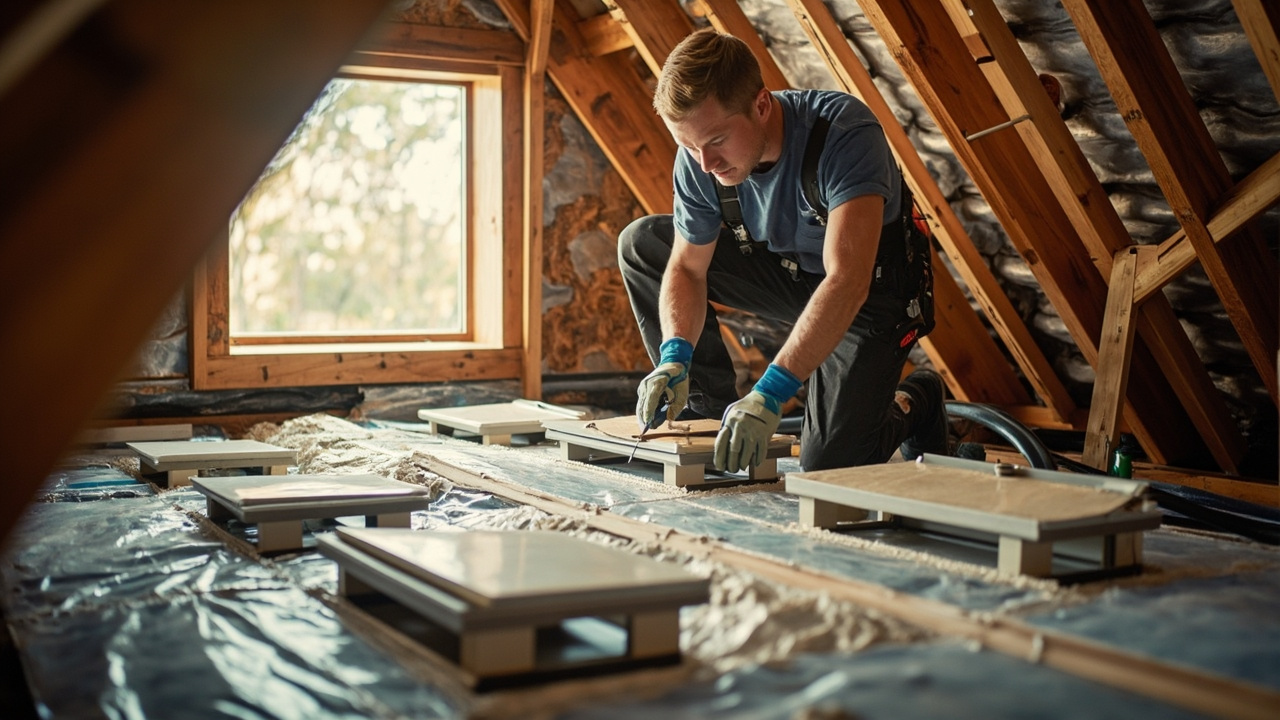
Our crews cut vent openings, install flashing, and secure exhaust vents according to manufacturer specifications and Memphis building code. Soffit intake vents get installed or cleared of obstructions. We verify airflow using temperature measurements and visual smoke tests where appropriate. You receive documentation of the installed system, including net free area calculations and maintenance recommendations. Most installations complete in one day. Your attic now exhausts heat and moisture effectively, protecting your roof investment.

Why Memphis Homeowners Trust Evergreen Roofing for Ventilation Solutions

Memphis's housing stock ranges from 1920s bungalows in Cooper-Young to modern builds in Cordova. Each era has different ventilation challenges. Evergreen Roofing Memphis has worked on every residential roof type in Shelby County. We understand how balloon framing in older homes affects attic access. We know which subdivisions used inadequate builder-grade vents that need upgrading. We have solved ventilation problems on historic properties where preservation guidelines limit exterior modifications.

Local building inspectors know our work. When we submit plans for ventilation upgrades that require permits, they clear quickly because we consistently meet or exceed code requirements. That matters when you are trying to close on a home sale or satisfy an insurance inspection requirement. Out-of-town contractors often miss Memphis-specific code provisions or fail to account for our climate's unique demands.

We stock ventilation components sized for Memphis applications. When a summer storm damages your roof and creates an urgent need for re-ventilation during repairs, we have materials on hand. You do not wait weeks for special orders. We also maintain relationships with local suppliers, which means better pricing and faster project turnaround than national chains can offer.

Attic ventilation directly impacts your roof's lifespan. Shingles that should last 25 years fail in 15 when attics overheat. We have replaced thousands of roofs in Memphis, and we see the pattern clearly. Homes with proper attic venting get maximum life from their roofing investment. Homes without it pay twice. We would rather install ventilation correctly the first time than return in ten years to replace a prematurely failed roof. That approach has built our reputation across Memphis.

What to Expect from Your Ventilation Upgrade

Project Timeline and Scheduling

Most attic ventilation installations complete in one day once materials arrive. Complex projects involving extensive soffit work or multiple roof planes may require two days. We schedule around Memphis weather, avoiding installation during rain events. You receive a confirmed installation date after we complete the initial inspection and design phase. We typically book projects within two to three weeks during spring and fall. Summer and post-storm periods may extend that timeline. Emergency ventilation repairs related to storm damage receive priority scheduling. We communicate any delays immediately and provide updated timelines.

Initial Assessment Process

Your assessment begins with attic access and measurement. We document existing ventilation using photos and diagrams. You learn exactly why your current system underperforms and what improvements will achieve. We explain the calculations behind our recommendations so you understand the engineering, not just the price. If your attic shows moisture damage or inadequate insulation, we identify those issues as well. The assessment includes a written proposal with material specifications and labor breakdown. You receive this documentation within 48 hours of the inspection. We answer questions about vent types, placement, and performance expectations before you commit.

Installation Quality Standards

We cut roof penetrations using templates sized to manufacturer specifications. Flashing gets installed in layers to ensure water runoff away from the opening. Fasteners go through solid decking, not just shingle layers. Ridge vents get continuous baffles installed underneath to prevent weather infiltration while maintaining airflow. Soffit vents receive baffles in the attic to prevent insulation from blocking intake area. We clean up all debris, including old vent materials and packaging. You walk the property with our crew chief to verify completed work. We leave your attic cleaner than we found it, with clear pathways to new vents for future maintenance access.

Maintenance and Longevity

Properly installed attic ventilation requires minimal maintenance. You should inspect soffit vents annually to ensure screens remain clear of debris, wasp nests, or insulation blockage. Ridge vents and roof-mounted exhaust vents need no regular maintenance beyond periodic visual inspection during roof cleaning. We provide a maintenance guide specific to your installed system. Most ventilation components carry manufacturer warranties ranging from ten years to lifetime, depending on the product. We document all materials used so you have warranty information for future reference. If you experience ventilation performance issues after installation, we return to diagnose and correct the problem at no charge.

Frequently Asked Questions

You Have Questions,
We Have Answers

What is the best ventilation for an attic? +

The best attic ventilation combines intake vents at the soffits with exhaust vents at the ridge. Ridge vents paired with continuous soffit vents create balanced airflow that pulls fresh air from below and exhausts hot air at the peak. In Memphis, OH, this system handles our humid summers and cold winters by preventing moisture buildup and ice dams. Avoid mixing exhaust vent types, as this disrupts airflow balance. Proper ventilation extends shingle life, reduces cooling costs, and prevents mold growth in your attic space. A balanced system outperforms any single vent type alone.

Why don't people use attic fans anymore? +

Powered attic fans fell out of favor because they create more problems than they solve. They can depressurize your attic, pulling conditioned air from living spaces through ceiling gaps and driving up energy bills. Fans also require maintenance, eventually fail, and can pull moisture into your attic through soffit vents. In Memphis, OH, where humidity runs high, this moisture infiltration leads to mold and wood rot. Ridge vents with proper soffit intake provide passive, maintenance-free airflow without the backdraft risks or electrical costs that powered fans bring.

What is the 1:300 rule for attic ventilation? +

The 1:300 rule states you need one square foot of net free ventilation area for every 300 square feet of attic floor space. This applies when ventilation is balanced between intake and exhaust vents. For example, a 1,500 square foot attic needs five square feet of total ventilation. Memphis, OH homes built to code follow this standard, but many older homes fall short. You can reduce this ratio to 1:150 if you lack balanced ventilation. Proper calculation prevents moisture damage and heat buildup in your attic year-round.

How much does it cost to properly ventilate an attic? +

Attic ventilation costs vary based on your home size, existing ventilation, and vent type. Installing ridge vents typically runs less than powered fans because no electrical work is required. Soffit vent installation requires cutting openings and may involve fascia work. Memphis, OH homes with older construction may need additional blocking removal or insulation baffles. Most ventilation upgrades pay for themselves through lower cooling costs and extended roof life. A professional inspection identifies your specific needs and prevents over-ventilation or improper balance between intake and exhaust points.

What is the 7 and 7 rule for attics? +

The 7 and 7 rule requires seven inches of clearance above insulation and seven inches of depth for proper attic ventilation. This space allows air to flow freely from soffit vents to ridge vents without insulation blocking the path. In Memphis, OH, where attic insulation often reaches R-38 or higher, maintaining this clearance prevents compressed insulation at the eaves. Use insulation baffles or rafter vents to create channels that preserve airflow. Proper clearance stops moisture accumulation, prevents ice dams, and maintains insulation effectiveness throughout the year.

What is the rule of thumb for attic ventilation? +

The standard rule of thumb requires equal intake and exhaust ventilation, with half at soffits and half at the ridge or gable. You need one square foot of net free area per 150 square feet of attic space without a vapor barrier, or one per 300 square feet with proper vapor barriers. Memphis, OH building codes enforce these ratios to combat our humid climate and temperature swings. Never mix different exhaust vent types, as this short-circuits airflow. Balanced ventilation prevents hot spots, moisture damage, and premature shingle failure.

Why did roofers turn to ridge vents instead of attic fans? +

Roofers switched to ridge vents because they provide superior, passive airflow without mechanical failure risks. Ridge vents run the entire roof peak, creating maximum exhaust capacity while remaining invisible from the ground. They eliminate the depressurization problems that attic fans cause and require zero maintenance. In Memphis, OH, ridge vents handle our variable weather without pulling conditioned air from living spaces. They work continuously without electricity, never break down, and integrate seamlessly with architectural shingles. The balanced airflow they create with soffit vents outperforms any powered system.

What is better than an attic fan? +

Ridge vents paired with continuous soffit vents outperform attic fans in every measurable way. This passive system creates natural convection that pulls cool air through soffits and exhausts hot air at the peak without electricity or moving parts. You avoid the depressurization that fans create, eliminate maintenance costs, and get better moisture control. In Memphis, OH, where humidity threatens attic spaces, passive ventilation prevents the backdraft issues that fans cause. Ridge vents never fail, work 24/7, and reduce cooling costs without drawing conditioned air from your home.

What are the downsides of attic fans? +

Attic fans depressurize your attic space, pulling conditioned air from living areas through gaps in ceilings and walls. This drives up cooling costs and wastes energy. Fans also require electrical work, eventual motor replacement, and can pull humid outdoor air through soffit vents faster than it can escape. In Memphis, OH, this accelerated moisture intake promotes mold growth and wood rot. Powered fans create noise, increase fire risk from electrical components, and often short-circuit natural ventilation patterns. Most energy audits show attic fans cost more to operate than they save.

Can you have too much venting in your attic? +

Yes, excessive attic ventilation can cause problems. Too much exhaust ventilation without adequate intake creates negative pressure that pulls air through unintended openings, bringing dust and moisture into your attic. Over-ventilation during Memphis, OH winters can drive snow infiltration through roof vents or pull warm air through ceiling penetrations. The key is balanced ventilation with equal intake and exhaust areas. More is not better. Properly calculated ventilation based on attic square footage prevents moisture issues, maintains insulation effectiveness, and extends roof life without creating air pressure imbalances.

How Memphis Humidity and Heat Stress Attic Ventilation Systems

Memphis averages 54 inches of annual rainfall with relative humidity above 70 percent most of the year. Your attic acts as a moisture trap when ventilation cannot exhaust humid air fast enough. That moisture condenses on roof decking during temperature swings, creating ideal conditions for mold and wood rot. Summer attic temperatures exceed 150 degrees, baking shingles from underneath and shortening their lifespan. Memphis's climate demands higher ventilation capacity than drier regions. Homes near the Mississippi River or Wolf River corridors face even greater moisture challenges. Ridge vents and continuous soffit intake provide the best defense against Memphis's combination of heat and humidity.

Memphis building code requires attic ventilation to meet specific ratios, but many older homes predate modern standards. Evergreen Roofing Memphis has upgraded ventilation systems across every Memphis neighborhood, from historic properties in Harbor Town to newer construction in Eads. We know which subdivisions used inadequate builder vents and which architectural styles create ventilation challenges. Local inspectors recognize our work because we consistently exceed minimum code requirements. When you choose a Memphis-based roofing company for attic venting, you get someone who understands local conditions and builds relationships with suppliers and inspectors. That local knowledge translates to better system design and faster project approvals.
Roofing Services in The Memphis Area

Evergreen Roofing Memphis is strategically located to serve all residential and commercial clients across the entire Memphis metropolitan area and surrounding Mid-South communities. View our central business location on the map to see our service radius, and remember that our dedicated team is always prepared to travel directly to your property to deliver the expert roofing services you need, precisely when you need them.

Address:
Evergreen Roofing Memphis, 333 S Bellevue Blvd, Memphis, TN, 38104

Additional Services We Offer

Our news updates

Latest Articles & News from The Blogs

Fixing Damaged Pipe Boots and Shingle Cracks in Your Berclair Home Berclair’s post-war cottages and ranch-style homes built in the…

Fixing Damaged Pipe Boots and Shingle Cracks in Your Berclair Home

Fixing Damaged Pipe Boots and Shingle Cracks in Your Berclair Home Berclair’s post-war cottages and ranch-style homes built in the…

Getting a Fast Roof Leak Patch in Raleigh Without Breaking the Bank

Emergency Roof Leak Repair in Raleigh TN: Fast Service Without the High Price Tag Roof leaks don’t wait for convenient…

Why Your Collierville Home Might Need a Roof Cricket to Stop Water Pooling

Why Your Collierville Home Might Need a Roof Cricket to Stop Water Pooling Water pooling behind your chimney is more…

Contact Us

Your roof depends on proper airflow. Evergreen Roofing Memphis provides expert attic ventilation system design and installation across Memphis and Shelby County. Call (901) 669-7399 now to schedule your attic inspection and receive a detailed ventilation assessment.