
What homeowners in the Pinch District need to know about rooftop deck waterproof membranes
Memphis rooftop decks face unique challenges from the Mid-South climate. High humidity levels, heavy spring rainfall, and intense summer UV exposure can quickly degrade standard waterproofing systems. For Pinch District homeowners, understanding these environmental factors is the first step toward protecting your investment. Roofing Lakeland.
Rooftop decks in the downtown area sit directly over living spaces, making proper waterproofing critical. A failed membrane can lead to water intrusion, mold growth, and costly interior damage. The Pinch District’s mix of historic and modern buildings requires specialized knowledge of both architectural styles and local building requirements. Storm Damage Roof Inspection and Repair in Bartlett.
Memphis building codes require specific slope gradients for rooftop decks to ensure proper drainage. The International Building Code mandates a minimum 1/4 inch per foot slope for flat surfaces. In the Pinch District, this translates to careful substrate preparation and strategic placement of scuppers or internal drains.
Common membrane failures in Memphis include UV degradation from intense summer sun, ponding water from inadequate slope, and membrane separation due to thermal expansion. These issues are magnified in the downtown area where buildings experience concentrated heat reflection from surrounding structures.
Types of waterproof membranes for Memphis rooftop decks
Selecting the right membrane depends on your deck’s use, substrate type, and exposure conditions. Memphis’s climate demands materials with high UV resistance and thermal stability.
PMMA liquid-applied membranes
PMMA (polymethyl methacrylate) systems cure rapidly even in high humidity, making them ideal for Memphis’s unpredictable weather patterns. These membranes form a seamless, fully adhered layer that resists ponding water and UV damage.
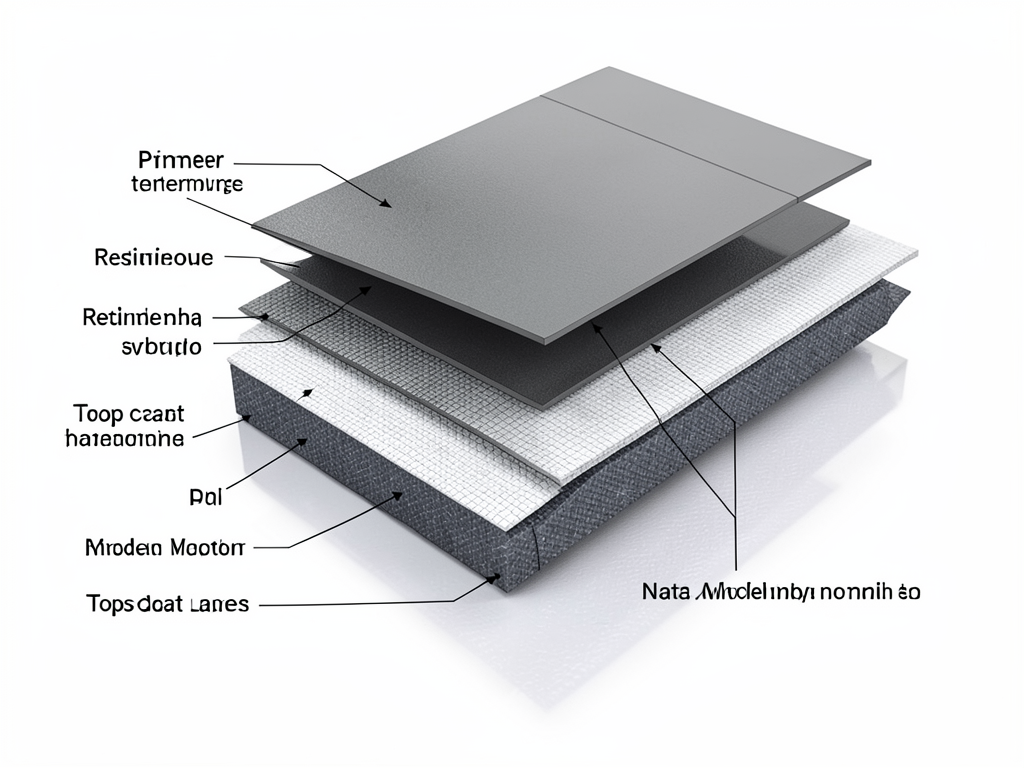
Application requires careful substrate preparation. The concrete or plywood must be clean, dry, and free of contaminants. PMMA systems typically include a primer coat, reinforcement fabric, and multiple topcoats for durability.
TPO sheet membranes
TPO (thermoplastic polyolefin) sheets offer excellent heat reflectivity and are available in white or light colors that help reduce cooling costs in Memphis summers. These membranes are heat-welded at seams, creating a monolithic barrier.
Sheet membranes require precise installation to avoid wrinkles or gaps. Memphis’s thermal cycling can cause expansion and contraction, so proper fastening patterns are essential for long-term performance.
EPDM rubber membranes
EPDM (ethylene propylene diene monomer) provides good flexibility and resistance to ozone and UV radiation. This black membrane absorbs heat but offers superior puncture resistance compared to some alternatives.
Installation involves adhesive bonding or mechanical fastening. EPDM’s flexibility makes it suitable for rooftop decks with irregular shapes or multiple penetrations.
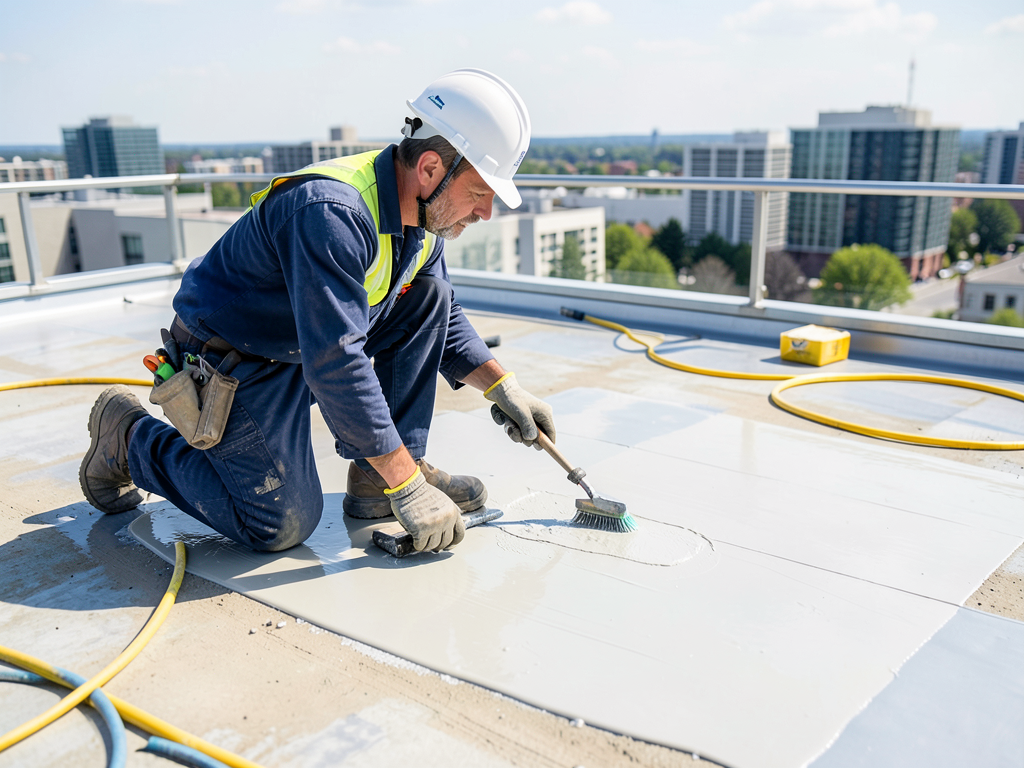
Diagram showing membrane layer assembly with substrate, primer, reinforcement, and topcoat layers.
Substrate preparation and drainage requirements
Proper substrate preparation determines membrane longevity. In the Pinch District, many buildings have concrete substrates that require specific treatments before membrane application.
Concrete surfaces need mechanical scarification to remove laitance and create a profile for adhesion. Moisture testing is critical since Memphis’s high water table can cause vapor drive through concrete slabs.
Plywood substrates require different preparation. The wood must be structurally sound, properly fastened, and free of delamination. A vapor barrier may be necessary to prevent moisture migration from below.
Drainage design impacts membrane performance. Memphis receives an average of 54 inches of rain annually, concentrated in spring and winter months. Proper slope and drainage prevent water accumulation that can overwhelm even the best membranes.
Scuppers provide edge drainage for rooftop decks. These through-wall openings must be sized correctly based on anticipated flow rates. Undersized scuppers lead to overflow and membrane stress.
Internal drains offer an alternative but require careful integration with the waterproofing system. The drain assembly must be flashed and sealed to prevent water migration along the pipe.
Installation process and quality control
Membrane installation follows specific steps that cannot be rushed. Temperature and humidity affect cure times and material handling characteristics.
Surface preparation includes cleaning, repairing cracks or spalls, and applying primer. The primer creates a chemical bond between the substrate and membrane material. Get a Fast Quote for Roof Leak Repair in Cordova.
Reinforcement fabric adds tensile strength to liquid-applied systems. This polyester or fiberglass mesh prevents crack propagation and provides dimensional stability.
Application requires attention to detail around penetrations, corners, and transitions. These areas experience the most stress and are common failure points if not properly detailed.
Cure monitoring ensures the membrane achieves full strength before traffic is allowed. PMMA systems can cure in as little as 30 minutes but may require longer in cooler or more humid conditions.
Quality control includes mil thickness verification, seam testing, and flood testing when appropriate. These steps verify the membrane will perform as designed.
Close-up of membrane seam welding showing proper heat application and overlap dimensions.
Memphis climate impacts on membrane performance
Memphis’s climate creates specific challenges for rooftop deck waterproofing. High humidity levels affect cure times and material handling. Summer temperatures can exceed 95 degrees Fahrenheit, causing thermal expansion in membrane materials.
Humidity impacts cure chemistry. Some membranes cure through moisture reaction, while others require dry conditions. Understanding these requirements prevents installation failures.
UV exposure degrades many membrane materials over time. Memphis receives approximately 3,000 hours of sunshine annually. UV-resistant topcoats or inherently UV-stable materials are essential for longevity.
Thermal cycling causes expansion and contraction. Memphis experiences temperature swings of 30 degrees or more between day and night. Materials must accommodate this movement without debonding or cracking.
Freeze-thaw cycles, though less common than in northern climates, still occur. Water trapped in membrane imperfections can freeze and expand, causing damage over time.
Maintenance and inspection guidelines
Regular maintenance extends membrane life and prevents costly repairs. Memphis’s climate requires specific maintenance practices to address local conditions.
Annual inspections should check for membrane damage, ponding water, and drainage blockages. Early detection prevents minor issues from becoming major problems.
Gutter and scupper cleaning prevents overflow during Memphis’s heavy rainfall events. Debris accumulation can block drainage paths and cause water backup.
Sealant joints around penetrations require periodic inspection and replacement. Memphis’s thermal cycling causes expansion and contraction that can compromise sealant adhesion over time.
Recoating schedules depend on membrane type and exposure conditions. Some systems benefit from maintenance coats every 5-7 years to restore UV protection and waterproofing properties.
Memphis building code requires documentation of waterproofing systems for commercial properties. This documentation should include installation details, material specifications, and maintenance history. Commercial Flat Roof Specialists for Downtown Memphis Businesses.
Cost considerations for Pinch District homeowners
Membrane waterproofing costs vary based on material selection, deck size, and substrate condition. Pinch District properties may face additional costs due to building access limitations or historic preservation requirements.
Labor costs in downtown Memphis reflect the complexity of working in urban environments. Equipment setup, material transport, and job site logistics all impact final pricing.. Read more about How the Urban Heat Island effect in Downtown Memphis shortens the life of your flat roof.
Material costs differ significantly between membrane types. PMMA systems typically cost more per square foot than EPDM but offer faster installation and superior chemical resistance.
Substrate preparation can add substantial costs if repairs are needed. Concrete spalling, wood rot, or inadequate slope all require correction before membrane installation.
Warranty options affect long-term costs. Manufacturer warranties may cover material defects, while contractor warranties address installation quality. Understanding these differences helps homeowners make informed decisions.
Building code compliance in Memphis
Memphis and Shelby County enforce specific requirements for rooftop deck waterproofing. The Shelby County Division of Planning and Development oversees permitting and inspections. Shelby County Division of Planning and Development.
International Building Code Chapter 15 governs membrane waterproofing. Section 1507 addresses roof assemblies, including walkable surfaces. Compliance requires specific documentation and inspection sign-offs.
Fire ratings may apply depending on building height and use. Many downtown buildings require Class A fire-rated assemblies, which limits material choices for certain applications.
Energy codes affect membrane selection. Cool roof requirements may mandate specific solar reflectance values for new installations in the downtown area.
Historic district regulations in the Pinch District can restrict visible modifications. This may require using materials or installation methods that maintain the building’s historic character.
Permitting typically requires detailed drawings showing membrane layout, drainage design, and material specifications. The review process ensures compliance with all applicable codes and standards.
Photo of completed rooftop deck showing proper drainage and membrane integration with surrounding architecture.
Choosing a qualified contractor
Membrane waterproofing requires specialized skills and experience. Not all roofing contractors have expertise in walkable surface applications.
Manufacturer certification indicates proper training and access to technical support. Certified contractors understand specific product requirements and installation procedures.
Insurance coverage protects homeowners from liability during installation. General liability and workers’ compensation insurance are minimum requirements for any contractor.
Portfolio review reveals contractor experience with similar projects. Ask to see completed rooftop deck installations, particularly those in the downtown area or historic districts.
References provide insight into contractor reliability and work quality. Contact previous clients to discuss their experience with both the installation process and long-term performance.
Local knowledge matters in Memphis. Contractors familiar with downtown building characteristics, historic district requirements, and local weather patterns can anticipate and prevent common issues.
Frequently Asked Questions
How long do rooftop deck membranes last in Memphis?
Quality installations typically last 15-20 years with proper maintenance. Memphis’s climate can reduce lifespan if UV protection is inadequate or drainage issues persist. Regular inspections and timely repairs extend membrane life significantly.
Can I install a rooftop deck membrane myself?
DIY installation is possible for small, simple decks but carries significant risks. Professional installation ensures proper substrate preparation, material handling, and detail work around penetrations. Mistakes can lead to costly water damage that far exceeds any initial savings.
What maintenance does a rooftop deck membrane need?
Annual inspections, gutter cleaning, and prompt repair of any damage are essential. Memphis’s high humidity and rainfall require checking drainage systems seasonally. Some membranes benefit from maintenance coats every 5-7 years to restore protective properties.
How much does rooftop deck waterproofing cost in Memphis?
Costs range from $8-15 per square foot for basic systems, with premium materials and complex installations reaching $20-25 per square foot. Pinch District properties may incur additional costs due to building access or historic requirements. Most homeowners invest $5,000-15,000 for typical residential decks. Residential Roofers Specializing in Historic Homes in Central Gardens.
Do I need a permit for rooftop deck waterproofing in Memphis?
Yes, permits are required for most membrane waterproofing projects. The Shelby County Division of Planning and Development reviews plans to ensure code compliance. Historic district properties may face additional review requirements. Your contractor should handle permitting as part of the project scope.
Protect your investment with professional waterproofing
Rooftop decks add valuable living space but require proper waterproofing to prevent costly damage. Memphis’s unique climate and building environment demand specialized knowledge and quality materials.
The Pinch District’s mix of historic and modern buildings presents specific challenges that experienced contractors understand. From substrate preparation to final inspection, every step impacts long-term performance.
Don’t wait for water damage to appear inside your home. Professional inspection can identify potential issues before they cause expensive repairs. Modern membrane systems offer superior protection compared to older methods.
Call (901) 669-7399 today to schedule your rooftop deck inspection. Our Memphis-based team understands the unique challenges of downtown waterproofing and can recommend the best solution for your specific situation. Protect your investment before the next heavy rain hits Memphis. For more information, visit 2018 International Building Code Chapter 15.
{
“@context”: “https://schema.org”,
“@type”: “BlogPosting”,
“headline”: “What homeowners in the Pinch District need to know about rooftop deck waterproof membranes”,
“description”: “Protect your rooftop deck from Memphis rain and humidity. Learn about PMMA, TPO membranes, drainage, and local building codes for the Pinch District.”,
“wordCount”: 1882,
“datePublished”: “2026-06-03T13:18:00.000Z”,
“dateModified”: “2026-06-03T13:18:00.000Z”,
“inLanguage”: “en-US”,
“mainEntityOfPage”: {
“@type”: “WebPage”,
“@id”: “https://evergreenroofingmemphis.com”
},
“publisher”: {
“@type”: “LocalBusiness”,
“name”: “Evergreen Roofing Memphis”,
“url”: “https://evergreenroofingmemphis.com”
},
“author”: {
“@type”: “Organization”,
“name”: “Evergreen Roofing Memphis”,
“url”: “https://evergreenroofingmemphis.com”
},
“image”: {
“@type”: “ImageObject”,
“url”: “https://evergreenroofingmemphis.com/wp-content/uploads/2026/03/what-homeowners-in-the-pinch-district-need-to-know-1.png”
}
}
{
“@context”: “https://schema.org”,
“@type”: “RoofingContractor”,
“name”: “Evergreen Roofing Memphis”,
“url”: “https://evergreenroofingmemphis.com”,
“address”: {
“@type”: “PostalAddress”,
“addressLocality”: “Memphis”
},
“areaServed”: {
“@type”: “City”,
“name”: “Memphis”
}
}
{
“@context”: “https://schema.org”,
“@type”: “FAQPage”,
“mainEntity”: [
{
“@type”: “Question”,
“name”: “How long do rooftop deck membranes last in Memphis?”,
“acceptedAnswer”: {
“@type”: “Answer”,
“text”: “Quality installations typically last 15-20 years with proper maintenance. Memphis’s climate can reduce lifespan if UV protection is inadequate or drainage issues persist. Regular inspections and timely repairs extend membrane life significantly.”
}
},
{
“@type”: “Question”,
“name”: “Can I install a rooftop deck membrane myself?”,
“acceptedAnswer”: {
“@type”: “Answer”,
“text”: “DIY installation is possible for small, simple decks but carries significant risks. Professional installation ensures proper substrate preparation, material handling, and detail work around penetrations. Mistakes can lead to costly water damage that far exceeds any initial savings.”
}
},
{
“@type”: “Question”,
“name”: “What maintenance does a rooftop deck membrane need?”,
“acceptedAnswer”: {
“@type”: “Answer”,
“text”: “Annual inspections, gutter cleaning, and prompt repair of any damage are essential. Memphis’s high humidity and rainfall require checking drainage systems seasonally. Some membranes benefit from maintenance coats every 5-7 years to restore protective properties.”
}
},
{
“@type”: “Question”,
“name”: “How much does rooftop deck waterproofing cost in Memphis?”,
“acceptedAnswer”: {
“@type”: “Answer”,
“text”: “Costs range from $8-15 per square foot for basic systems, with premium materials and complex installations reaching $20-25 per square foot. Pinch District properties may incur additional costs due to building access or historic requirements. Most homeowners invest $5,000-15,000 for typical residential decks. Residential Roofers Specializing in Historic Homes in Central Gardens.”
}
},
{
“@type”: “Question”,
“name”: “Do I need a permit for rooftop deck waterproofing in Memphis?”,
“acceptedAnswer”: {
“@type”: “Answer”,
“text”: “Yes, permits are required for most membrane waterproofing projects. The Shelby County Division of Planning and Development reviews plans to ensure code compliance. Historic district properties may face additional review requirements. Your contractor should handle permitting as part of the project scope.”
}
}
]
}
{
“@context”: “https://schema.org”,
“@type”: “BreadcrumbList”,
“itemListElement”: [
{
“@type”: “ListItem”,
“position”: 1,
“name”: “Home”,
“item”: “https://evergreenroofingmemphis.com”
},
{
“@type”: “ListItem”,
“position”: 2,
“name”: “Blog”,
“item”: “https://evergreenroofingmemphis.com/blog”
},
{
“@type”: “ListItem”,
“position”: 3,
“name”: “What homeowners in the Pinch District need to know about rooftop deck waterproof membranes”
}
]
}
{
“@context”: “https://schema.org”,
“@type”: “Service”,
“serviceType”: “Roofing”,
“provider”: {
“@type”: “LocalBusiness”,
“name”: “Evergreen Roofing Memphis”,
“url”: “https://evergreenroofingmemphis.com”
},
“areaServed”: {
“@type”: “City”,
“name”: “Memphis”
},
“description”: “Protect your rooftop deck from Memphis rain and humidity. Learn about PMMA, TPO membranes, drainage, and local building codes for the Pinch District.”
}