
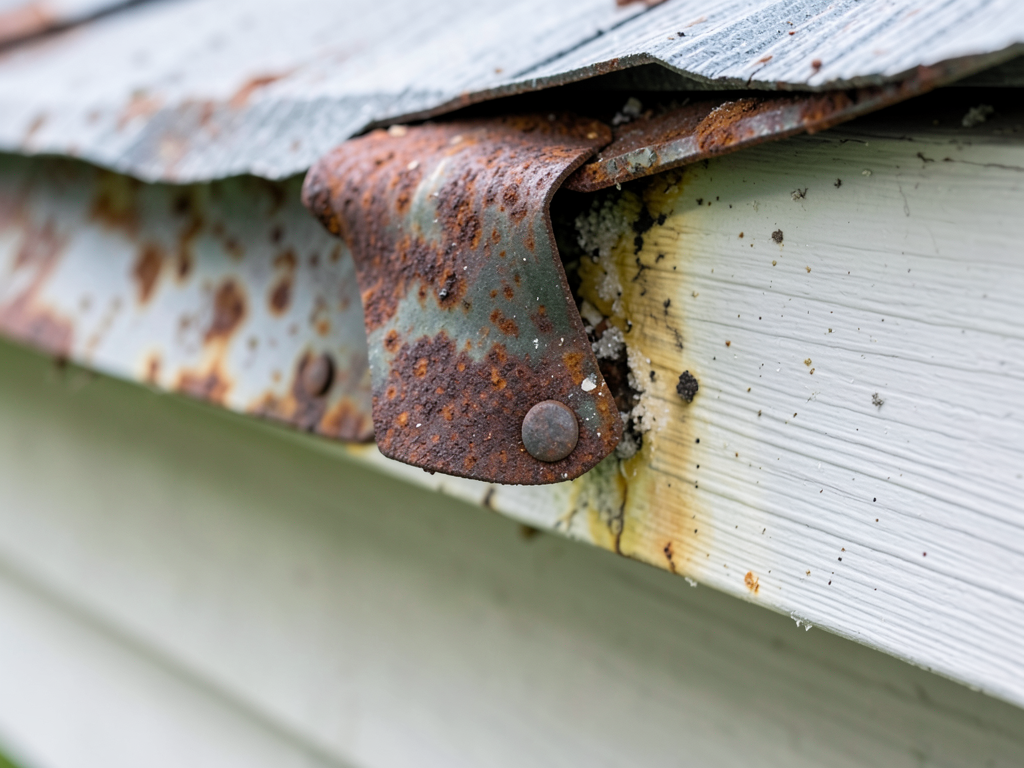
Why the Drip Edge Is the Most Overlooked Part of Lakeland Roofing Projects
Water finds the smallest gap and works its way into your home’s structure. In Lakeland’s humid climate where seasonal storms dump inches of rain in hours, that gap often exists where your roof meets the fascia board. The drip edge—a simple L-shaped metal flashing—prevents this water intrusion but gets skipped on too many roofing jobs. This $2.00 per foot component protects against $5,000+ in fascia and soffit damage while extending your roof’s lifespan by years. Storm Damage Roof Inspection and Repair in Bartlett.
What is a Drip Edge and Is It Required in Tennessee?
The drip edge is a metal flashing installed along the edges of your roof deck before shingles go on. It extends beyond the roof deck and directs water away from the fascia board and into the gutter system. In Tennessee, the International Residential Code adopted in 2018 requires drip edge installation on all new roofs and replacements under Section R905.2.8.5. The code mandates that drip edge be installed along eaves and rake edges with specific dimensions and placement requirements. International Residential Code Section R905.2.8.5.
5 Reasons Your Lakeland Roof Needs a Drip Edge
- Water Diversion from Fascia – Prevents water from wicking back under shingles and rotting the fascia board
- Wind-Driven Rain Protection – Stops rain from being pushed under shingles during Lakeland’s frequent high-wind storms
- Pest Deterrent – Seals the gap between roof deck and fascia, blocking entry points for termites and carpenter ants
- Extended Shingle Life – Prevents water from backing up under shingles at the edges where deterioration starts
- Roof Deck Protection – Directs water away from the roof deck edge, preventing rot and structural damage
Lakeland Weather & Wood Rot: A Dangerous Combination
Lakeland’s location in the Mid-South creates perfect conditions for wood rot when drip edges are missing. The area receives over 50 inches of rain annually, with summer thunderstorms bringing sudden downpours. Combine this with humidity levels that often exceed 70% and temperatures that regularly hit 90°F, and you have an environment where wood stays damp enough for fungi to thrive. Without a drip edge, water seeps into the gap between the roof deck and fascia, creating the perfect breeding ground for rot that can spread to the roof deck and rafters. Roofing Lakeland.
Types of Drip Edges (Hemmed vs. L-Style vs. T-Style)
| Type | Profile | Best For | Memphis Application |
|---|---|---|---|
| Hemmed Drip Edge | L-shaped with folded edge | Standard residential roofs | Most common in Lakeland due to cost-effectiveness |
| L-Style Drip Edge | Standard L-shape | Steep-pitched roofs | Good for Tudor-style homes in older Lakeland neighborhoods |
| T-Style Drip Edge | Three-sided profile | High-wind areas | Recommended for homes near open fields or golf courses |
Cost vs. Benefit: The ROI of a $2.00 per foot Investment
The math is simple. A typical Lakeland home needs about 200 linear feet of drip edge at $2.00 per foot, totaling $400. Compare this to fascia board replacement costs: $15-25 per linear foot for materials plus labor. If rot affects 50 feet of fascia, you’re looking at $1,250-2,000 in repairs. The drip edge pays for itself the first time it prevents water damage. Plus, most roofing warranties require drip edge installation—skipping it could void your warranty if damage occurs. Get a Fast Quote for Roof Leak Repair in Cordova.
How to Spot Missing or Damaged Drip Edge
Walk around your home during a light rain and watch the roof edges. If you see water running down the fascia board instead of into the gutters, your drip edge is missing or damaged. From the ground, look for gaps where the roof deck meets the fascia. Another sign is peeling paint or staining on fascia boards, indicating water is reaching the wood. In older Lakeland homes, especially those built before 2000, drip edge may have never been installed or may be rusted through.. Read more about Why a Missing Chimney Cap Is Probably Causing Your Ceiling Stains in Annesdale.
Installation Best Practices for Memphis Climate
Proper drip edge installation in Lakeland requires specific techniques for our climate. The drip edge should extend 1/4 to 3/4 inch beyond the roof deck edge. Underlayment should overlap the roof edge by at least 1/2 inch before the drip edge is installed. For homes in areas prone to ice damming, a secondary waterproof membrane should extend up the roof from the drip edge. The metal should be at least .019 gauge aluminum or galvanized steel to withstand our temperature extremes without warping or rusting prematurely.
Common Mistakes That Cost Homeowners Thousands
The most expensive mistake is skipping drip edge entirely to save on upfront costs. Another common error is installing drip edge after shingles are already on—this creates gaps and improper water flow. Using the wrong gauge metal leads to premature failure, especially in our humid climate where corrosion accelerates. Some contractors install drip edge only on the eaves but skip the rakes, leaving one side of the roof vulnerable. Finally, failing to properly seal the joints between drip edge sections allows water to penetrate at these weak points.
The Hidden Cost of Skipping Drip Edge: Insurance Implications
Many Lakeland homeowners don’t realize that missing drip edge can affect insurance claims. When water damage occurs due to missing flashing, insurance companies may deny the claim, arguing that the damage resulted from poor maintenance or code violations. Tennessee insurance policies increasingly scrutinize roofing installations, and documentation showing proper code compliance—including drip edge installation—can make the difference between a paid claim and an out-of-pocket repair bill that runs into thousands of dollars. Flat Roof Repair & Restoration.
Call (901) 669-7399 for Your Lakeland Roof Inspection
Don’t wait for the next Memphis thunderstorm to discover your roof lacks proper protection. Our team provides comprehensive roof inspections that include checking drip edge installation and condition. We’ll identify any vulnerabilities and provide a clear plan to protect your home from water damage. Call (901) 669-7399 today to schedule your inspection before the next storm hits. Your fascia boards—and your wallet—will thank you.
Frequently Asked Questions
Can I install drip edge myself?
While DIY installation is possible, proper drip edge installation requires precise measurements, proper underlayment integration, and knowledge of local building codes. Mistakes can lead to worse water problems than you started with. Professional installation ensures your roof meets Tennessee code requirements and protects your home effectively. Professional installation guidelines.
How long does drip edge last in Memphis weather?
Quality aluminum drip edge typically lasts 20-25 years in our climate, while galvanized steel may need replacement after 15-20 years due to accelerated corrosion from humidity. Copper drip edge can last 50+ years but costs significantly more. The lifespan depends on material quality, installation quality, and exposure to salt air if you’re near industrial areas.
Does drip edge prevent ice dams?
Drip edge alone doesn’t prevent ice dams, but it’s a critical component of a complete ice dam prevention system. When combined with proper attic ventilation and ice and water shield underlayment, drip edge helps direct melting ice water off the roof instead of letting it back up under shingles. In Lakeland’s rare freezing events, this protection is valuable.
What’s the difference between drip edge and gutter apron?
Drip edge is installed under the underlayment and extends over the fascia, while gutter apron is installed over the underlayment and extends into the gutter. Both serve similar purposes, but drip edge provides better protection against water infiltration. Most Tennessee building codes now require drip edge specifically, making gutter apron insufficient for code compliance.
Should I replace drip edge when getting a new roof?
Yes, absolutely. When you replace your roof, you should replace the drip edge at the same time. The existing drip edge is likely the same age as your old shingles and may be rusted or damaged. New drip edge ensures your entire roofing system meets current code requirements and provides maximum protection for your investment.
{
“@context”: “https://schema.org”,
“@type”: “BlogPosting”,
“headline”: “Why the Drip Edge Is the Most Overlooked Part of Lakeland Roofing Projects”,
“description”: “Protect your Lakeland home from water damage with proper drip edge installation. Learn why this $2.00 per foot component saves thousands in repairs.”,
“wordCount”: 1306,
“datePublished”: “2026-04-10T14:02:00.000Z”,
“dateModified”: “2026-04-10T14:02:00.000Z”,
“inLanguage”: “en-US”,
“mainEntityOfPage”: {
“@type”: “WebPage”,
“@id”: “https://evergreenroofingmemphis.com”
},
“publisher”: {
“@type”: “LocalBusiness”,
“name”: “Evergreen Roofing Memphis”,
“url”: “https://evergreenroofingmemphis.com”
},
“author”: {
“@type”: “Organization”,
“name”: “Evergreen Roofing Memphis”,
“url”: “https://evergreenroofingmemphis.com”
},
“image”: {
“@type”: “ImageObject”,
“url”: “https://evergreenroofingmemphis.com/wp-content/uploads/2026/03/why-the-drip-edge-is-the-most-overlooked-part-of-l-1.png”
}
}
{
“@context”: “https://schema.org”,
“@type”: “RoofingContractor”,
“name”: “Evergreen Roofing Memphis”,
“url”: “https://evergreenroofingmemphis.com”,
“address”: {
“@type”: “PostalAddress”,
“addressLocality”: “Memphis”
},
“areaServed”: {
“@type”: “City”,
“name”: “Memphis”
}
}
{
“@context”: “https://schema.org”,
“@type”: “FAQPage”,
“mainEntity”: [
{
“@type”: “Question”,
“name”: “What is a Drip Edge and Is It Required in Tennessee?”,
“acceptedAnswer”: {
“@type”: “Answer”,
“text”: “The drip edge is a metal flashing installed along the edges of your roof deck before shingles go on. It extends beyond the roof deck and directs water away from the fascia board and into the gutter system. In Tennessee, the International Residential Code adopted in 2018 requires drip edge installation on all new roofs and replacements under Section R905.2.8.5. The code mandates that drip edge be installed along eaves and rake edges with specific dimensions and placement requirements. International Residential Code Section R905.2.8.5.”
}
},
{
“@type”: “Question”,
“name”: “Can I install drip edge myself?”,
“acceptedAnswer”: {
“@type”: “Answer”,
“text”: “While DIY installation is possible, proper drip edge installation requires precise measurements, proper underlayment integration, and knowledge of local building codes. Mistakes can lead to worse water problems than you started with. Professional installation ensures your roof meets Tennessee code requirements and protects your home effectively. Professional installation guidelines.”
}
},
{
“@type”: “Question”,
“name”: “How long does drip edge last in Memphis weather?”,
“acceptedAnswer”: {
“@type”: “Answer”,
“text”: “Quality aluminum drip edge typically lasts 20-25 years in our climate, while galvanized steel may need replacement after 15-20 years due to accelerated corrosion from humidity. Copper drip edge can last 50+ years but costs significantly more. The lifespan depends on material quality, installation quality, and exposure to salt air if you’re near industrial areas.”
}
},
{
“@type”: “Question”,
“name”: “Does drip edge prevent ice dams?”,
“acceptedAnswer”: {
“@type”: “Answer”,
“text”: “Drip edge alone doesn’t prevent ice dams, but it’s a critical component of a complete ice dam prevention system. When combined with proper attic ventilation and ice and water shield underlayment, drip edge helps direct melting ice water off the roof instead of letting it back up under shingles. In Lakeland’s rare freezing events, this protection is valuable.”
}
},
{
“@type”: “Question”,
“name”: “What’s the difference between drip edge and gutter apron?”,
“acceptedAnswer”: {
“@type”: “Answer”,
“text”: “Drip edge is installed under the underlayment and extends over the fascia, while gutter apron is installed over the underlayment and extends into the gutter. Both serve similar purposes, but drip edge provides better protection against water infiltration. Most Tennessee building codes now require drip edge specifically, making gutter apron insufficient for code compliance.”
}
},
{
“@type”: “Question”,
“name”: “Should I replace drip edge when getting a new roof?”,
“acceptedAnswer”: {
“@type”: “Answer”,
“text”: “Yes, absolutely. When you replace your roof, you should replace the drip edge at the same time. The existing drip edge is likely the same age as your old shingles and may be rusted or damaged. New drip edge ensures your entire roofing system meets current code requirements and provides maximum protection for your investment.”
}
}
]
}
{
“@context”: “https://schema.org”,
“@type”: “BreadcrumbList”,
“itemListElement”: [
{
“@type”: “ListItem”,
“position”: 1,
“name”: “Home”,
“item”: “https://evergreenroofingmemphis.com”
},
{
“@type”: “ListItem”,
“position”: 2,
“name”: “Blog”,
“item”: “https://evergreenroofingmemphis.com/blog”
},
{
“@type”: “ListItem”,
“position”: 3,
“name”: “Why the Drip Edge Is the Most Overlooked Part of Lakeland Roofing Projects”
}
]
}
{
“@context”: “https://schema.org”,
“@type”: “Service”,
“serviceType”: “Roofing”,
“provider”: {
“@type”: “LocalBusiness”,
“name”: “Evergreen Roofing Memphis”,
“url”: “https://evergreenroofingmemphis.com”
},
“areaServed”: {
“@type”: “City”,
“name”: “Memphis”
},
“description”: “Protect your Lakeland home from water damage with proper drip edge installation. Learn why this $2.00 per foot component saves thousands in repairs.”
}