
The Best Ventilation Strategies for Finished Third Floor Attics in Midtown
Finished third floor attics in Midtown Memphis’s historic homes face unique ventilation challenges. The combination of high humidity, old-growth timber framing, and preservation requirements creates a perfect storm for moisture problems. Without proper airflow, these spaces trap heat in summer and condensation in winter, leading to wood rot, mold growth, and structural damage. Storm Damage Roof Inspection and Repair in Bartlett.
Effective ventilation for these spaces requires balancing modern building science with historic preservation standards. The solution isn’t simply adding more vents—it’s understanding how air moves through these old structures and implementing systems that work with the home’s existing architecture.
Understanding Midtown’s Historic Attic Construction
Most Midtown homes built before 1940 used balloon framing or platform framing with large-dimension lumber. These structures were designed to breathe, allowing moisture to escape through walls and roof assemblies. When you finish a third floor attic, you trap that moisture inside unless you provide alternative escape routes.
The problem compounds in Memphis’s climate. Our average relative humidity exceeds 70% year-round, and summer temperatures regularly hit 95°F. This combination creates conditions where moisture migrates from the humid exterior through the roof assembly, then condenses on cooler interior surfaces when temperatures drop at night.
Traditional ventilation methods often fail in these situations. Standard soffit-and-ridge systems assume continuous eave overhangs, but many historic homes have complex rooflines with minimal eaves. Gable vents alone can’t provide adequate airflow for the cubic volume of a third floor space.
Diagnostic Testing: Finding the Moisture Source
Before recommending any ventilation strategy, we conduct moisture mapping using infrared cameras and moisture meters. This diagnostic process reveals temperature differentials that indicate air leaks, moisture intrusion points, and inadequate insulation areas.
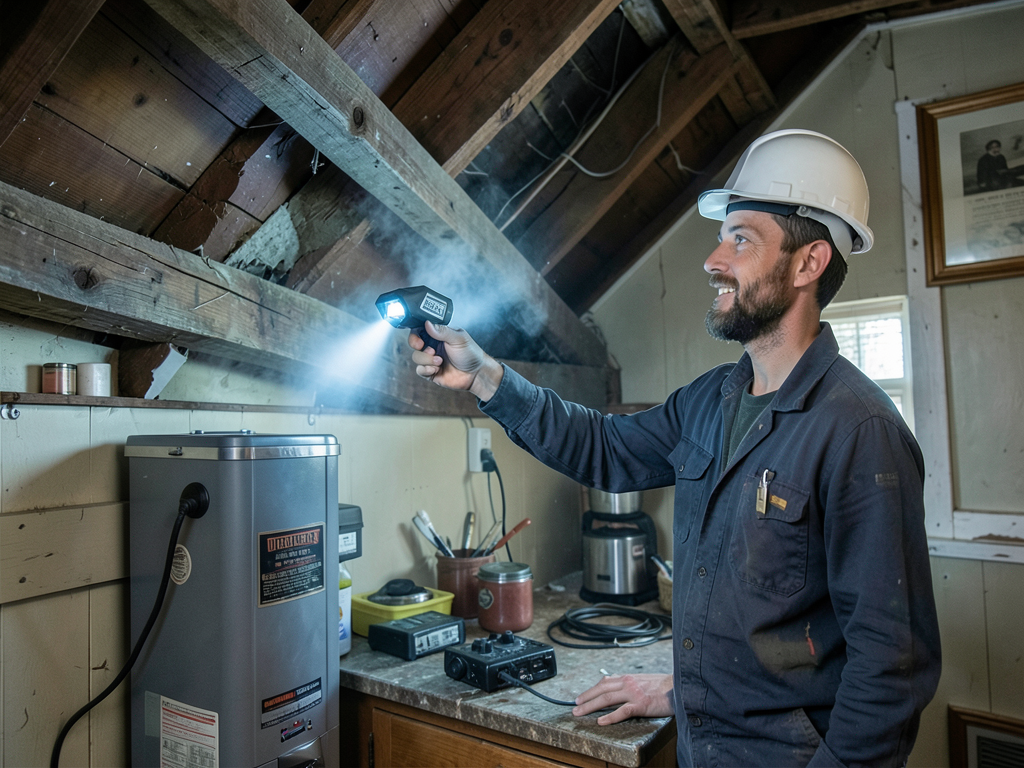
We also perform smoke tests to visualize air movement patterns. This shows us where conditioned air escapes and where outside air infiltrates. In many historic attics, we discover that bathroom exhaust fans terminate in the attic space rather than outside—a major contributor to moisture problems.
The most telling diagnostic tool is the wood moisture content meter. Readings above 20% indicate active moisture problems that ventilation alone won’t solve. We need to address the source before implementing airflow solutions.
Preservation-Friendly Ventilation Solutions
For historic Midtown homes, we prioritize ventilation strategies that maintain architectural integrity. This means avoiding obvious modern intrusions like large turbine vents or solar-powered fans that would be visible from the street.
Low-profile ridge vents designed for slate or tile roofs offer excellent airflow while preserving the roofline. These vents sit flush with the roof surface and can be color-matched to existing materials. When installed properly, they’re nearly invisible from ground level. Slate & Synthetic Slate Roofing.
Gable-end ventilation provides another discreet option. By integrating vents into existing gable trim or using louvered designs that match historic patterns, we can add significant airflow without altering the home’s character.
For homes with slate or tile roofing, we use specialized underlayment systems that create ventilation channels beneath the roofing material. This allows air to circulate even when traditional ridge vents aren’t feasible. Roofing Lakeland.
Active vs. Passive Ventilation Systems
Passive ventilation relies on natural convection—hot air rising and creating negative pressure that draws in cooler air. This works well in theory but often proves insufficient for the large volumes of third floor attics.
Active systems use powered fans to move air consistently regardless of temperature differentials. Solar-powered attic fans have become popular because they don’t require electrical wiring and operate hardest when conditions are worst—on hot, sunny days.
The key is matching the system to the specific building characteristics. Homes with good natural airflow might only need a small booster fan, while poorly configured attics might require multiple active vents to achieve adequate air changes per hour.
Memphis Landmarks Commission Requirements
Any ventilation work in Midtown’s historic districts must comply with Memphis Landmarks Commission guidelines. These regulations prioritize preserving the visual character of historic structures while allowing necessary modern improvements.
The commission typically approves ventilation improvements that aren’t visible from public rights-of-way. This means ridge vents must be low-profile, and any roof penetrations need careful placement to avoid disrupting the roofline.
Before starting work, we submit detailed drawings showing vent locations, materials, and how the installation maintains the home’s historic character. The commission reviews these for compliance with Secretary of the Interior’s Standards for Rehabilitation. Secretary of the Interior’s Standards for Rehabilitation.
The 1/150 vs. 1/300 Ventilation Rule
Building codes require specific Net Free Ventilating Area (NFVA) ratios. The standard 1/150 rule requires 1 square foot of vent area for every 150 square feet of attic floor space. However, homes with vapor barriers can use the 1/300 ratio, requiring half the ventilation area.
For historic attics, we often exceed these minimums because older homes have more air leaks and moisture sources. We calculate ventilation needs based on cubic volume rather than just floor area, since third floor spaces have significant height.
Proper ventilation requires balanced intake and exhaust. We aim for a 50/50 split between soffit/eave vents and ridge/gable vents. When eave vents aren’t possible, we compensate with additional high vents to maintain airflow.
Moisture Management in Historic Structures
Ventilation alone won’t solve moisture problems if the source isn’t addressed. In many Midtown homes, we discover that finished attics lack proper vapor barriers, allowing moisture to migrate from living spaces into the attic.
We recommend installing vapor retarders on the warm side of insulation—typically the attic floor in finished spaces. This prevents moisture from rising into the attic where it can condense on cooler surfaces.. Read more about The Best Materials to Prevent Squirrels from Chewing Through Your Roof Vents.
Proper insulation is equally important. Many historic homes have minimal or degraded insulation in attic spaces. Adding insulation without addressing ventilation can trap moisture, leading to rot and mold growth.
Case Study: Central Gardens Victorian
A 1905 Victorian in Central Gardens had severe moisture problems in its finished third floor. The homeowner experienced peeling wallpaper, musty odors, and visible mold growth in corners.
Our inspection revealed multiple issues: bathroom fans vented into the attic, minimal existing ventilation, and no vapor barrier. The slate roof had been installed over original wood shakes, creating multiple moisture traps.
We implemented a comprehensive solution: rerouted bathroom exhaust to the exterior, installed low-profile ridge vents along the slate roof, added gable-end vents, and installed a vapor barrier beneath new insulation. The result was a 60% reduction in humidity levels and elimination of all visible moisture problems.
Material Selection for Historic Preservation
When adding ventilation to historic homes, material selection matters as much as placement. We use copper or powder-coated aluminum vents that won’t rust and can be painted to match existing trim.
For slate roofs, we use copper flashing and fasteners to prevent galvanic corrosion. The vents themselves are designed to work with slate’s weight and installation requirements.
In areas where vents must be visible, we choose designs that complement the home’s architectural style. Victorian homes might get decorative louvers, while Craftsman homes get simple, geometric patterns.
Cost Considerations and ROI
Ventilation improvements for historic attics typically range from $3,000 to $8,000 depending on complexity. While this seems significant, the cost of ignoring moisture problems is far higher.
Wood rot repair in structural members can cost $10,000 to $30,000. Mold remediation often exceeds $5,000. These problems compound over time, making early intervention more cost-effective. EPA Ventilation Guidelines.
Beyond preventing damage, proper ventilation improves energy efficiency. Homes with adequate attic ventilation can see 15-20% reductions in cooling costs during Memphis’s long summer season.
Maintenance and Monitoring
Even the best ventilation system requires periodic maintenance. We recommend annual inspections to check for blocked vents, damaged screens, or animal nests that can impede airflow.
Moisture monitoring should continue after installation. If humidity levels remain high, it indicates either inadequate ventilation or unresolved moisture sources elsewhere in the home.
For homes with active ventilation systems, we check fan operation, clean debris from intake screens, and verify that powered vents are working efficiently.
Common Mistakes to Avoid
One frequent error is adding insulation without addressing ventilation. This traps moisture and can actually worsen problems by reducing the attic’s ability to dry out.
Another mistake is using standard ridge vents on slate or tile roofs. These materials require specialized vents designed to work with their specific installation methods and weight.
Homeowners sometimes try to solve moisture problems by sealing the attic completely. While this might seem logical, it actually traps moisture and can lead to condensation on the underside of the roof deck.
Future-Proofing Your Historic Attic
As building codes evolve and energy efficiency standards increase, historic homes need ventilation systems that can adapt. We design our solutions with future modifications in mind.
This might mean installing wiring for potential future fans, using adjustable vent systems that can be modified as needs change, or selecting materials that will remain available for future repairs. Get a Fast Quote for Roof Leak Repair in Cordova.
The goal is creating a ventilation system that protects your home for decades while maintaining its historic character and architectural integrity.
Frequently Asked Questions
Will adding ventilation vents damage my historic roof?
When properly installed by experienced contractors, ventilation improvements won’t damage historic roofing materials. We use specialized techniques for slate, tile, and other delicate materials to ensure the roof’s integrity remains intact.. Read more about Common Roofing Challenges When Renovating an Older Binghampton Bungalow.
How long does a ventilation improvement project take?
Most ventilation projects in historic homes take 2-3 days. This includes diagnostic testing, installation, and cleanup. More complex projects involving multiple systems might take up to a week.
Will my electric bill increase with powered ventilation?
Solar-powered fans operate at no cost, while hardwired systems typically add less than $5-10 per month to electric bills. The energy savings from improved cooling efficiency usually offset this cost.
Next Steps for Your Historic Home
Don’t let moisture problems destroy your historic Midtown home’s beauty and structural integrity. The right ventilation strategy can solve existing issues while preserving your home’s character for future generations.
Call (901) 669-7399 today to schedule a comprehensive attic inspection. We’ll identify moisture sources, test existing airflow patterns, and recommend preservation-friendly solutions tailored to your specific home.
Pick up the phone and call (901) 669-7399 before the next Memphis heat wave hits. Your historic home deserves expert care that balances modern building science with preservation requirements.
You may also find this helpful. Why a Missing Chimney Cap Is Probably Causing Your Ceiling Stains in Annesdale.
{
“@context”: “https://schema.org”,
“@type”: “BlogPosting”,
“headline”: “The Best Ventilation Strategies for Finished Third Floor Attics in Midtown”,
“description”: “Struggling with heat and moisture in your historic Midtown Memphis attic? Learn expert ventilation strategies that preserve your home’s character while solving humidity problems.”,
“wordCount”: 1708,
“datePublished”: “2026-04-29T11:32:00.000Z”,
“dateModified”: “2026-04-29T11:32:00.000Z”,
“inLanguage”: “en-US”,
“mainEntityOfPage”: {
“@type”: “WebPage”,
“@id”: “https://evergreenroofingmemphis.com”
},
“publisher”: {
“@type”: “LocalBusiness”,
“name”: “Evergreen Roofing Memphis”,
“url”: “https://evergreenroofingmemphis.com”
},
“author”: {
“@type”: “Organization”,
“name”: “Evergreen Roofing Memphis”,
“url”: “https://evergreenroofingmemphis.com”
},
“image”: {
“@type”: “ImageObject”,
“url”: “https://evergreenroofingmemphis.com/wp-content/uploads/2026/03/the-best-ventilation-strategies-for-finished-third-1.png”
}
}
{
“@context”: “https://schema.org”,
“@type”: “RoofingContractor”,
“name”: “Evergreen Roofing Memphis”,
“url”: “https://evergreenroofingmemphis.com”,
“address”: {
“@type”: “PostalAddress”,
“addressLocality”: “Memphis”
},
“areaServed”: {
“@type”: “City”,
“name”: “Memphis”
}
}
{
“@context”: “https://schema.org”,
“@type”: “FAQPage”,
“mainEntity”: [
{
“@type”: “Question”,
“name”: “Will adding ventilation vents damage my historic roof?”,
“acceptedAnswer”: {
“@type”: “Answer”,
“text”: “When properly installed by experienced contractors, ventilation improvements won’t damage historic roofing materials. We use specialized techniques for slate, tile, and other delicate materials to ensure the roof’s integrity remains intact.”
}
},
{
“@type”: “Question”,
“name”: “How long does a ventilation improvement project take?”,
“acceptedAnswer”: {
“@type”: “Answer”,
“text”: “Most ventilation projects in historic homes take 2-3 days. This includes diagnostic testing, installation, and cleanup. More complex projects involving multiple systems might take up to a week.”
}
},
{
“@type”: “Question”,
“name”: “Will my electric bill increase with powered ventilation?”,
“acceptedAnswer”: {
“@type”: “Answer”,
“text”: “Solar-powered fans operate at no cost, while hardwired systems typically add less than $5-10 per month to electric bills. The energy savings from improved cooling efficiency usually offset this cost.”
}
}
]
}
{
“@context”: “https://schema.org”,
“@type”: “BreadcrumbList”,
“itemListElement”: [
{
“@type”: “ListItem”,
“position”: 1,
“name”: “Home”,
“item”: “https://evergreenroofingmemphis.com”
},
{
“@type”: “ListItem”,
“position”: 2,
“name”: “Blog”,
“item”: “https://evergreenroofingmemphis.com/blog”
},
{
“@type”: “ListItem”,
“position”: 3,
“name”: “The Best Ventilation Strategies for Finished Third Floor Attics in Midtown”
}
]
}
{
“@context”: “https://schema.org”,
“@type”: “Service”,
“serviceType”: “Roofing”,
“provider”: {
“@type”: “LocalBusiness”,
“name”: “Evergreen Roofing Memphis”,
“url”: “https://evergreenroofingmemphis.com”
},
“areaServed”: {
“@type”: “City”,
“name”: “Memphis”
},
“description”: “Struggling with heat and moisture in your historic Midtown Memphis attic? Learn expert ventilation strategies that preserve your home’s character while solving humidity problems.”
}