
Low Maintenance Roofing Solutions for Rental Property Owners in the University District
Managing rental properties near the University of Memphis requires roofing systems that can withstand heavy foot traffic, student turnover, and Memphis’s severe weather patterns. Property owners need materials that minimize maintenance calls, protect against liability claims, and provide long-term ROI without constant tenant disruptions. Roofing Lakeland.
The University District’s mix of historic bungalows, mid-century ranch homes, and multi-unit student housing creates unique roofing challenges. From the tree-lined streets of Harbert Avenue to the dense housing along Southern Avenue, landlords face constant pressure to keep properties occupied while controlling maintenance costs.
This guide covers the most durable roofing materials for rental properties, tenant coordination strategies, and ROI calculations that help Memphis investors make informed decisions about their roofing investments.. Read more about Choosing the Right Flat Roof Material for Your New Sunroom or Addition in Joffre.
Why Standard Roofing Materials Fail in Rental Properties
Traditional asphalt shingles often last only 12-15 years in Memphis’s climate, but rental properties see accelerated wear from multiple factors. Student tenants frequently use roof access for satellite dishes, holiday decorations, or unauthorized rooftop gatherings. The constant movement creates stress points around flashing and vent pipes.
Memphis’s high humidity and frequent thunderstorms compound these issues. Algae growth on north-facing slopes creates slippery surfaces that increase liability risks. When severe weather hits, loose shingles become dangerous projectiles that can damage neighboring properties. Storm Damage Roof Inspection and Repair in Bartlett.
The University District’s older housing stock presents additional challenges. Many properties built before 1980 lack proper attic ventilation, causing premature shingle deterioration. Balloon-frame construction common in historic Midtown homes allows moisture to travel between walls, creating hidden damage that manifests as ceiling stains during heavy rains.
Durable Roofing Materials That Minimize Maintenance Calls
Metal roofing systems offer the best long-term value for rental properties, with lifespans of 40-70 years compared to 12-20 years for traditional shingles. Standing seam metal panels lock together without exposed fasteners, eliminating leak points around screws that commonly fail in asphalt systems.
Architectural dimensional shingles provide a middle-ground solution. These multi-layer shingles resist wind uplift better than standard three-tab products and come with 30-50 year warranties. The textured surface hides minor damage and reduces the appearance of algae streaks.
Synthetic slate offers premium durability without the weight concerns of natural stone. Made from recycled rubber and plastic, these materials mimic the appearance of traditional slate while providing Class 4 impact resistance against hail damage. The lightweight design works well on older structures that cannot support heavy materials. Slate & Synthetic Slate Roofing.
Modified bitumen flat roofs excel for multi-unit buildings and commercial-style properties common in the area. The torch-down installation creates seamless membranes that resist ponding water, while the granulated surface provides slip resistance for maintenance personnel.
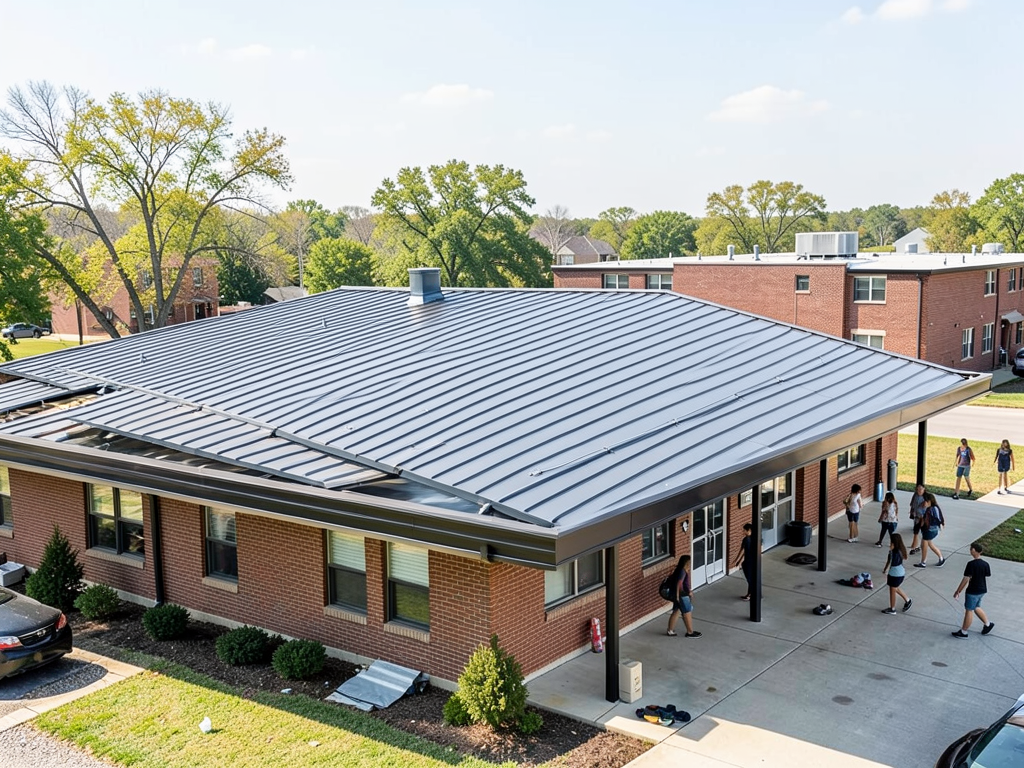
Diagram comparing lifecycle costs of roofing materials over 30 years
Tenant Coordination Strategies That Prevent Liability Issues
Successful rental property management requires clear communication protocols before roofing work begins. Provide tenants with 48-hour written notice for all exterior maintenance, including specific timeframes for noise levels and access restrictions. Include a clause in lease agreements addressing roofing access and liability waivers.
Install permanent roof anchors during initial installation to prevent future damage from temporary tie-offs. These anchors allow maintenance personnel to safely access the roof without creating new puncture points in the roofing membrane.
Choose light-colored roofing materials to reduce heat absorption in attic spaces. This prevents excessive cooling costs that tenants might dispute on utility bills. Cool roof technology can reduce attic temperatures by 20-30 degrees, extending the life of HVAC equipment.
Implement a preventive maintenance schedule that includes annual inspections and gutter cleaning. Document all maintenance activities with photos to establish a history of proper care, which proves valuable during insurance claims or tenant disputes.
ROI Analysis for University District Rental Properties
Investing in premium roofing materials typically increases property values by $15,000-$25,000 while reducing annual maintenance costs by $800-$1,200. The improved energy efficiency can lower tenant utility costs by 15-20%, making properties more attractive in a competitive rental market.
Properties with newer roofs command 5-8% higher rents compared to similar units with aging roofing systems. This premium often covers the additional monthly cost of premium materials within three to five years.
Insurance companies frequently offer 10-15% premium discounts for properties with impact-resistant roofing materials. In Memphis’s hail-prone climate, this discount can offset 30-40% of the premium material costs over the roof’s lifetime.
Consider the opportunity cost of tenant vacancies during repairs. A single month of vacancy on a $1,200 monthly rental equals $1,200 in lost income. Premium roofing materials that prevent emergency repairs can pay for themselves through avoided vacancy costs. EPA Lead-Safe Renovation Practices.
Storm Damage Protection for Memphis Rental Properties
Memphis experiences an average of 50-60 severe thunderstorm days annually, with wind gusts exceeding 60 mph during peak season. Hail damage affects approximately 15% of properties each spring, making storm-resistant materials essential for rental portfolios.
Class 4 impact-resistant shingles provide the best protection against hail damage. These materials undergo rigorous testing with steel balls dropped from specific heights to simulate hail impact. The reinforced fiberglass backing prevents cracking and splitting that leads to leaks.
Install secondary water barriers in valleys and around penetrations where leaks commonly occur. Self-adhering underlayment creates a waterproof seal that protects the roof deck even if primary materials fail during severe weather.
Maintain trees near rental properties to prevent limb damage during storms. Memphis’s mature canopy creates beautiful streetscapes but poses risks to roofing systems. Regular pruning reduces the likelihood of storm-related damage by 60-70%.

Photo showing impact-resistant shingles after simulated hail testing
Memphis Building Code Compliance for Rental Properties
Shelby County requires roofing permits for all replacement projects, with specific requirements for multi-family dwellings and student housing. The International Building Code mandates Class A fire ratings for all residential roofing materials, with additional wind uplift requirements for properties in designated high-velocity zones. Shelby County Building Permits.
Memphis Municipal Code Section 10-10-103 requires landlords to maintain weatherproofing for all rental units. Failure to address active leaks within 72 hours of tenant notification can result in fines up to $500 per day.
Properties built before 1978 must comply with EPA lead-safe renovation practices when disturbing more than six square feet of painted surfaces. This includes specific containment procedures and certified renovator requirements.
Multi-unit buildings require additional fire-rated assemblies between units, affecting roofing material choices near property lines. Consult the Shelby County Fire Marshal’s office before selecting materials for attached structures.
Maintenance Scheduling That Minimizes Tenant Disruption
Schedule roofing work during academic breaks when student occupancy is lowest. The University of Memphis calendar typically provides windows in December, May, and August when major repairs can proceed without tenant complaints about noise or parking restrictions. Flat Roof Repair & Restoration.
Develop relationships with local property management companies to coordinate maintenance across multiple properties. Group similar repairs together to achieve volume pricing and reduce mobilization costs.
Install temporary fencing and warning signs to prevent tenant access during roofing work. Liability exposure increases significantly when tenants walk near active work zones or through debris areas.
Provide alternative parking arrangements for tenants during tear-off and installation phases. Street parking restrictions often apply during roofing work, and failure to communicate these changes leads to tenant frustration and potential lease violations.
Insurance Claim Assistance for Out-of-State Investors
Many University District rental properties are owned by out-of-state investors who cannot be present for damage assessments. Document existing conditions with dated photos before severe weather seasons to establish baselines for insurance claims.
Work with roofing contractors who provide detailed damage assessments with measurements and photos. Insurance companies require specific documentation showing the extent and location of damage to process claims efficiently.
Request written estimates that itemize materials, labor, and permit costs separately. This transparency helps investors understand the claim value and identify potential areas for negotiation with insurance adjusters.
Consider hiring a public adjuster for properties with significant damage. These professionals work on contingency fees but often secure 20-30% higher settlements than property owners can achieve independently.
Tax Benefits and Depreciation for Roofing Investments
The IRS allows residential rental property owners to depreciate roofing improvements over 27.5 years. This non-cash expense reduces taxable income while the property appreciates in value. Residential Roofers Specializing in Historic Homes in Central Gardens.
Energy-efficient roofing materials may qualify for federal tax credits under the Energy Policy Act. While residential credits are limited, commercial rental properties can claim up to $1.80 per square foot for qualifying improvements.
Document all roofing expenses meticulously to support depreciation claims. Keep receipts, contracts, and before/after photos in a digital portfolio accessible to tax professionals.
Consider cost segregation studies for larger rental portfolios. These analyses identify components that qualify for accelerated depreciation, potentially increasing first-year tax benefits by 15-25%.
Emergency Response Protocols for Tenant Safety
Establish clear procedures for tenant notification during roofing emergencies. Create a phone tree or group messaging system to alert tenants of active leaks, fallen trees, or other urgent situations requiring immediate attention.
Maintain an emergency repair fund of $2,000-$5,000 to address urgent issues without delay. Quick response prevents secondary damage from water intrusion and demonstrates responsible property management.
Document all emergency repairs with photos and written reports. This documentation proves valuable during insurance claims and establishes a maintenance history that supports future property valuations.
Train property managers on basic roof assessment techniques. Simple skills like identifying active leaks, assessing shingle damage, and recognizing signs of structural issues can prevent minor problems from becoming major emergencies.
Photo showing proper roof anchor installation for maintenance access
Frequently Asked Questions
What is the best roofing material for rental properties in Memphis?
Metal roofing provides the best long-term value with 40-70 year lifespans and minimal maintenance requirements. For budget-conscious investors, architectural dimensional shingles offer good durability with 30-50 year warranties.
How often should rental property roofs be inspected?
Schedule professional inspections annually and after severe weather events. Document all inspections with dated photos to establish maintenance history and support insurance claims.
Can I require tenants to maintain the roof?
Lease agreements should include clauses requiring tenants to report roof issues promptly, but actual maintenance and repairs remain the landlord’s responsibility under Tennessee landlord-tenant law.
What permits are required for roofing in Memphis?
Shelby County requires permits for all roofing replacements. Multi-family and commercial properties may need additional approvals from the fire marshal and building inspection departments.
Ready to Protect Your Rental Investment?
Investing in durable roofing materials now prevents costly emergency repairs later. Our team specializes in rental property roofing solutions that minimize tenant disruption while maximizing your return on investment.
Call (901) 669-7399 today to schedule your free rental property roof assessment. We’ll evaluate your current system, discuss material options, and provide a detailed ROI analysis for your specific property type.
Don’t wait for the next storm to damage your investment. Pick up the phone and call (901) 669-7399 before minor issues become major expenses. Our emergency response team is available 24/7 for urgent rental property repairs.
Visit our commercial roofing page to learn about flat roof solutions for multi-unit buildings and apartment complexes.
Check out our emergency repair services if you need immediate assistance with active leaks or storm damage.
Learn more about roof replacement costs to budget for your next investment property improvement.
{
“@context”: “https://schema.org”,
“@type”: “BlogPosting”,
“headline”: “Low Maintenance Roofing Solutions for Rental Property Owners in the University District”,
“description”: “Discover durable roofing options for Memphis rental properties near U of M. Learn how to maximize ROI, minimize tenant disruptions, and protect your investment from storm damage.”,
“wordCount”: 1870,
“datePublished”: “2026-04-08T07:50:00.000Z”,
“dateModified”: “2026-04-08T07:50:00.000Z”,
“inLanguage”: “en-US”,
“mainEntityOfPage”: {
“@type”: “WebPage”,
“@id”: “https://evergreenroofingmemphis.com”
},
“publisher”: {
“@type”: “LocalBusiness”,
“name”: “Evergreen Roofing Memphis”,
“url”: “https://evergreenroofingmemphis.com”
},
“author”: {
“@type”: “Organization”,
“name”: “Evergreen Roofing Memphis”,
“url”: “https://evergreenroofingmemphis.com”
},
“image”: {
“@type”: “ImageObject”,
“url”: “https://evergreenroofingmemphis.com/wp-content/uploads/2026/03/low-maintenance-roofing-solutions-for-rental-prope-1.png”
}
}
{
“@context”: “https://schema.org”,
“@type”: “RoofingContractor”,
“name”: “Evergreen Roofing Memphis”,
“url”: “https://evergreenroofingmemphis.com”,
“address”: {
“@type”: “PostalAddress”,
“addressLocality”: “Memphis”
},
“areaServed”: {
“@type”: “City”,
“name”: “Memphis”
}
}
{
“@context”: “https://schema.org”,
“@type”: “FAQPage”,
“mainEntity”: [
{
“@type”: “Question”,
“name”: “What is the best roofing material for rental properties in Memphis?”,
“acceptedAnswer”: {
“@type”: “Answer”,
“text”: “Metal roofing provides the best long-term value with 40-70 year lifespans and minimal maintenance requirements. For budget-conscious investors, architectural dimensional shingles offer good durability with 30-50 year warranties.”
}
},
{
“@type”: “Question”,
“name”: “How often should rental property roofs be inspected?”,
“acceptedAnswer”: {
“@type”: “Answer”,
“text”: “Schedule professional inspections annually and after severe weather events. Document all inspections with dated photos to establish maintenance history and support insurance claims.”
}
},
{
“@type”: “Question”,
“name”: “Can I require tenants to maintain the roof?”,
“acceptedAnswer”: {
“@type”: “Answer”,
“text”: “Lease agreements should include clauses requiring tenants to report roof issues promptly, but actual maintenance and repairs remain the landlord’s responsibility under Tennessee landlord-tenant law.”
}
},
{
“@type”: “Question”,
“name”: “What permits are required for roofing in Memphis?”,
“acceptedAnswer”: {
“@type”: “Answer”,
“text”: “Shelby County requires permits for all roofing replacements. Multi-family and commercial properties may need additional approvals from the fire marshal and building inspection departments.”
}
},
{
“@type”: “Question”,
“name”: “Ready to Protect Your Rental Investment?”,
“acceptedAnswer”: {
“@type”: “Answer”,
“text”: “Investing in durable roofing materials now prevents costly emergency repairs later. Our team specializes in rental property roofing solutions that minimize tenant disruption while maximizing your return on investment.”
}
}
]
}
{
“@context”: “https://schema.org”,
“@type”: “BreadcrumbList”,
“itemListElement”: [
{
“@type”: “ListItem”,
“position”: 1,
“name”: “Home”,
“item”: “https://evergreenroofingmemphis.com”
},
{
“@type”: “ListItem”,
“position”: 2,
“name”: “Blog”,
“item”: “https://evergreenroofingmemphis.com/blog”
},
{
“@type”: “ListItem”,
“position”: 3,
“name”: “Low Maintenance Roofing Solutions for Rental Property Owners in the University District”
}
]
}
{
“@context”: “https://schema.org”,
“@type”: “Service”,
“serviceType”: “Roofing”,
“provider”: {
“@type”: “LocalBusiness”,
“name”: “Evergreen Roofing Memphis”,
“url”: “https://evergreenroofingmemphis.com”
},
“areaServed”: {
“@type”: “City”,
“name”: “Memphis”
},
“description”: “Discover durable roofing options for Memphis rental properties near U of M. Learn how to maximize ROI, minimize tenant disruptions, and protect your investment from storm damage.”
}