
How to Fix Poor Attic Ventilation That Is Cooking Your Roof From the Inside Out
Memphis summers push attic temperatures above 150°F when ventilation fails. This extreme heat bakes shingles from below, causing premature aging, blistering, and costly energy bills. Poor attic airflow traps humidity against roof decking, creating perfect conditions for mold growth and wood rot. The Tennessee Valley Authority reports that homes with inadequate ventilation can see cooling costs spike by up to 25 percent during peak summer months.. Read more about How to Tell If Your Roof is Just Aging Naturally or Damaged by Memphis Weather.
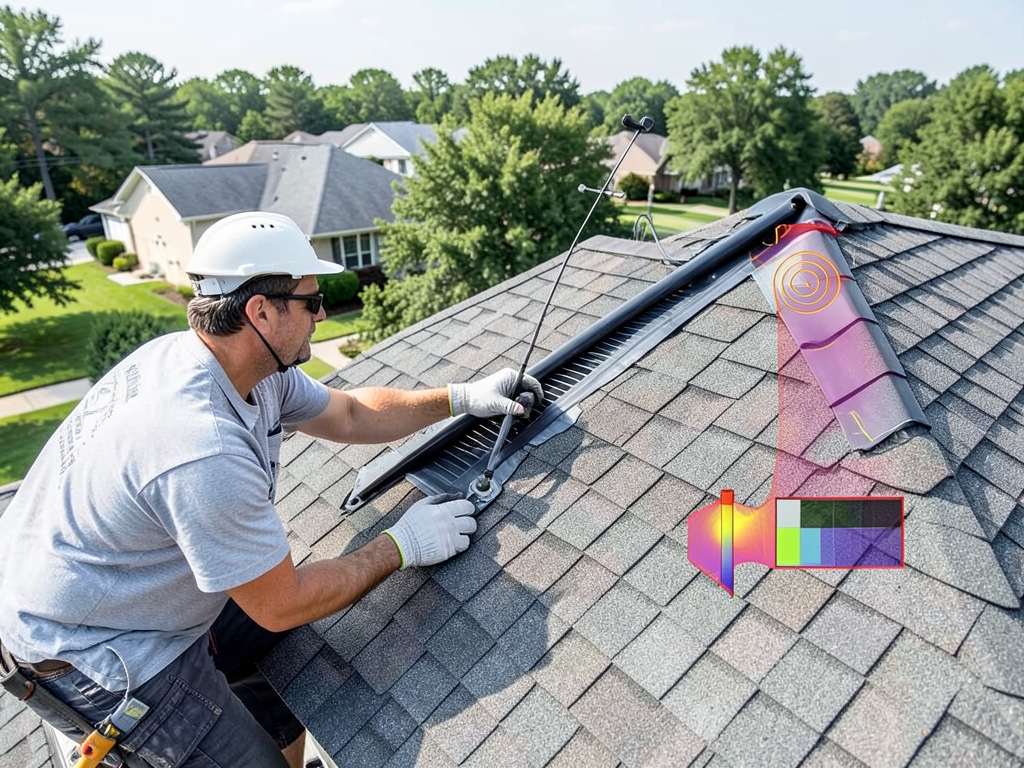
Evergreen Roofing has diagnosed ventilation failures across Lakeland, Oakland, and Munford neighborhoods where clay-heavy soil and dense tree canopy create unique airflow challenges. Our technicians use thermal imaging to identify hot spots and calculate Net Free Area requirements based on International Residential Code standards. The 1/300 rule mandates one square foot of ventilation for every 300 square feet of attic floor space to maintain proper airflow. National Fire Protection Association.
Why Memphis Homes Require Specific Ventilation Strategies
Memphis’s humid subtropical climate creates ventilation demands unlike other regions. High humidity levels above 70 percent year-round mean moisture constantly rises through ceiling penetrations into attic spaces. When this moist air cannot escape, condensation forms on roof decking and rafters during cooler nights.. Read more about Why Most Roof Warranties in Memphis Don’t Actually Cover What You Think They Do.
Historic Midtown bungalows built before 1970 often lack proper soffit vents due to balloon framing construction. These homes trap heat in attic cavities where temperatures can exceed outdoor readings by 40 to 50 degrees Fahrenheit. Modern homes in Lakeland and Oakland face different challenges with complex roof lines that create dead air spaces where ventilation cannot reach. Roofing Lakeland.
MLGW data shows that homes with proper ventilation systems maintain attic temperatures within 10 to 15 degrees of outdoor ambient temperatures. Without adequate airflow, attic heat radiates downward through insulation, forcing HVAC systems to work harder and shortening equipment lifespan by up to 30 percent.. Read more about How New Attic Insulation Can Actually Make Your Roof Last Longer in the Tennessee Heat.
The Benefits of a Properly Ventilated Attic
Proper ventilation extends asphalt shingle life by preventing heat buildup that causes granule loss and warping. The Asphalt Roofing Manufacturers Association states that shingles installed over poorly ventilated decks can fail 40 percent faster than those in properly vented attics. Asphalt Roofing Manufacturers Association.
Energy savings become immediate once ventilation corrects temperature imbalances. Homeowners report 15 to 20 percent reductions in cooling costs after installing balanced intake and exhaust systems. The reduction in HVAC runtime also decreases maintenance needs and extends equipment life.
Mold prevention represents another critical benefit in Memphis’s climate. When attic temperatures stay below 120°F and humidity remains under 60 percent, conditions become inhospitable for mold spores. This protects roof decking, insulation, and prevents musty odors from permeating living spaces.
Types of Ventilation Systems We Install
Ridge vents provide continuous exhaust along roof peaks where hot air naturally accumulates. These low-profile systems work silently and require no electricity. Installation involves cutting a slot along the ridge and covering it with specialized venting material that blocks rain while allowing airflow.
Soffit vents serve as intake points where cool air enters the attic. Proper installation requires baffles to prevent insulation from blocking airflow. Without baffles, even installed vents become ineffective as insulation blocks the path for incoming air.
Gable vents mount on exterior walls at attic ends. While simpler to install than ridge systems, they create less efficient airflow patterns. Air moves in straight lines between opposing vents rather than creating the circular patterns that maximize cooling efficiency.
Solar-powered attic fans actively exhaust hot air using photovoltaic panels. These systems prove especially effective in Memphis where summer sun provides consistent power. Fans can move 800 to 1,500 cubic feet of air per minute, significantly improving ventilation in challenging attic configurations.
Our Memphis Attic Inspection Process
Evergreen Roofing follows a systematic inspection protocol developed for Shelby County homes. Our process begins with thermal imaging scans that reveal temperature variations across roof decking. Hot spots indicate areas where ventilation fails to reach.
We calculate Net Free Area requirements using the 1/300 rule plus adjustments for roof pitch and local climate. Memphis’s high humidity requires 10 to 15 percent more ventilation than the minimum code standard. We measure existing vent openings and compare them against calculated needs.
Moisture meter readings at multiple depths help identify water intrusion or condensation problems. Readings above 18 percent moisture content indicate active problems requiring immediate attention. We also inspect insulation for signs of moisture damage, as wet insulation loses up to 40 percent of its R-value. Storm Damage Roof Inspection and Repair in Bartlett.
Our inspection includes checking for proper vent clearance from combustible materials. The National Fire Protection Association requires six inches of clearance between vents and attic insulation in all installations. We verify baffle installation and check for obstructions that could block airflow.
Signs Your Memphis Home Has Poor Ventilation
Hot ceilings indicate trapped attic heat radiating downward. When ceiling surfaces feel warm to touch during sunny days, ventilation systems fail to remove accumulating heat. This problem worsens in homes with cathedral ceilings where airflow becomes restricted.
Peeling exterior paint on eaves and fascia boards signals moisture problems. When humidity cannot escape through proper vents, it finds exit points through exterior surfaces. Paint blistering and wood deterioration follow as moisture breaks down protective coatings.
Ice dam formation during rare Memphis freezes demonstrates ventilation failure. When attic heat melts snow on roof surfaces, water runs to eaves and refreezes. Proper ventilation keeps roof temperatures uniform, preventing the freeze-thaw cycles that damage shingles and create leaks.
High indoor humidity readings above 60 percent often trace back to attic ventilation problems. Moisture from bathrooms, kitchens, and laundry rooms rises into attics. Without proper exhaust, this moisture equalizes throughout the home, making air conditioning work harder and creating uncomfortable living conditions.
Passive vs. Active Ventilation Systems
Passive ventilation relies on natural convection where hot air rises and exits through upper vents while cool air enters through lower openings. This system works effectively when properly designed but depends on consistent temperature differentials to create airflow.
Active ventilation uses mechanical fans to force air movement regardless of temperature differences. These systems provide more reliable performance in challenging attic configurations but require electricity and periodic maintenance. Solar-powered options eliminate operating costs while providing active ventilation benefits.
Combination systems pair passive ridge vents with active fans for maximum effectiveness. Fans activate only when temperatures exceed set points, providing supplemental airflow during extreme conditions while maintaining passive operation during mild weather.
Memphis’s climate favors active ventilation due to high humidity levels that passive systems struggle to overcome. The combination of heat and moisture creates conditions where mechanical assistance becomes necessary for adequate airflow.
Impact on Roof Warranty and Shingle Longevity
Major shingle manufacturers including GAF and Owens Corning void warranties when ventilation fails to meet their specifications. These requirements typically mandate minimum Net Free Area calculations plus specific vent placement guidelines. Improper ventilation can void warranties worth thousands of dollars.
Asphalt shingles exposed to excessive heat lose flexibility and become brittle. Heat accelerates oxidation of asphalt compounds, causing cracking and curling. Shingles in poorly ventilated attics may show signs of aging after just five to seven years instead of the expected twenty to thirty years.
Thermal cycling from daily temperature swings causes expansion and contraction stress. Poor ventilation allows attic temperatures to fluctuate more dramatically, increasing stress on roofing materials. This leads to fastener backout, sealant failure, and eventual leaks.
Proper ventilation maintains more consistent temperatures throughout roof assemblies. This reduces thermal stress on all components from decking to shingles, preserving the integrity of the entire roofing system.
Attic Fans and Solar-Powered Venting Options
Solar attic fans operate without grid electricity, making them ideal for homes where running electrical lines proves difficult or expensive. Modern units include thermostatic controls that activate fans only when temperatures exceed 95°F, maximizing efficiency.
Electric-powered fans provide more consistent airflow but require professional installation of electrical circuits. These systems often include humidistats that activate fans when humidity levels rise above set points, addressing Memphis’s moisture challenges.
Variable speed fans adjust airflow based on temperature and humidity readings. This prevents over-ventilation during mild conditions while providing maximum airflow during extreme heat. Smart controls can integrate with home automation systems for remote monitoring and control.
Installation locations matter significantly for fan effectiveness. Fans mounted near roof peaks capture hottest air, while those near eaves pull in cooler outside air. Strategic placement creates optimal airflow patterns throughout attic spaces.
Memphis Heat Index and Attic Temperatures
Memphis experiences heat index readings above 100°F for extended periods during July and August. These conditions push attic temperatures to dangerous levels when ventilation fails. Surface temperatures on dark shingles can exceed 170°F, transferring heat through decking into living spaces.
Relative humidity levels above 70 percent reduce the body’s ability to cool through perspiration. This same principle applies to attics where moisture-laden air holds more heat energy than dry air. Ventilation must address both temperature and humidity to be effective.
Nighttime cooling provides limited relief when ventilation systems cannot remove accumulated heat. Attics may stay above 100°F well past midnight, continuing to radiate heat into living spaces and preventing comfortable sleeping conditions.
Climate data from the National Weather Service shows Memphis averages 54 days per year above 90°F. These extreme conditions demand ventilation systems capable of handling sustained high temperatures and humidity levels.
Mold and Mildew Prevention in High-Humidity Climates
Mold requires three conditions to grow: moisture, organic material, and temperatures between 40°F and 100°F. Memphis attics often provide all three, making mold prevention through ventilation critical for home health.
Relative humidity above 60 percent allows mold spores to germinate and grow. Proper ventilation maintains humidity levels below this threshold, preventing mold establishment even when moisture enters through minor roof leaks or ceiling penetrations.
Black mold commonly appears on north-facing roof decking where sunlight never reaches. This creates ideal dark, moist conditions for mold growth. Ventilation that circulates air across all roof surfaces prevents these stagnant areas where mold thrives.
Professional remediation becomes necessary once mold establishes in attic spaces. Removal costs often exceed $3,000 for moderate infestations, making prevention through proper ventilation far more cost-effective than treatment after problems develop.
Seasonal Breakdown of Ventilation Performance
Summer demands maximum ventilation capacity as temperatures and humidity peak. Systems must move enough air to keep attic temperatures within 15 degrees of outdoor ambient temperatures. This prevents heat buildup that radiates into living spaces and stresses roofing materials.
Fall brings falling leaves that can block roof vents and reduce airflow. Regular maintenance includes clearing debris from all ventilation openings. This season often reveals ventilation problems as outdoor temperatures moderate and deficiencies become more apparent.
Winter requires different ventilation strategies as moisture control becomes the primary concern. Warm, moist air from living spaces rises into cold attics where it condenses on cold surfaces. Proper ventilation prevents this condensation from causing wood rot and insulation damage.
Spring thunderstorms test ventilation systems as rapid temperature changes and high humidity create challenging conditions. Systems must handle sudden moisture influxes while maintaining adequate airflow to prevent heat buildup as outdoor temperatures rise.
Cost Factors for Attic Ventilation Improvements
Ventilation improvements range from simple DIY projects under $200 to comprehensive professional installations exceeding $3,000. Simple additions like extra roof vents cost $75 to $150 each installed, while complete ridge vent systems run $1,500 to $2,500 for average homes.
Solar-powered fans cost $300 to $600 for quality units, with installation adding $200 to $400. These systems eliminate operating costs while providing reliable ventilation. Electric-powered options cost less upfront but add to monthly utility bills.
Historic homes in Central Gardens often require custom solutions due to unique architectural features. These projects may involve specialized venting techniques or modifications to preserve historic character while improving ventilation. Costs typically run 20 to 30 percent higher than standard installations.
Energy savings from improved ventilation typically offset installation costs within three to five years through reduced cooling costs and extended HVAC equipment life. Many utility companies offer rebates for energy efficiency improvements that include ventilation upgrades.
Building Code Compliance for Memphis Attics
The International Residential Code requires minimum ventilation ratios that local jurisdictions enforce. Shelby County adopts these standards with additional requirements for high-wind zones and specific roof configurations common in the area. Residential Roofers Specializing in Historic Homes in Central Gardens.
Net Free Area calculations must account for both intake and exhaust vents. The code mandates balanced systems where intake area equals or exceeds exhaust area by at least 50 percent. This prevents negative pressure that can draw conditioned air from living spaces into attics.
Fire safety requirements affect vent placement and materials. Vents must meet flame spread ratings and maintain proper clearance from combustible materials. Some historic districts impose additional restrictions on visible vent modifications to preserve architectural character.
Permit requirements vary by jurisdiction within the Memphis metro area. Memphis proper requires permits for all ventilation modifications, while unincorporated Shelby County has different requirements based on project scope and home value.
DIY vs Professional Ventilation Installation
Simple vent additions like installing roof vents or adding gable vents work as DIY projects for experienced homeowners. These tasks require basic carpentry skills and comfort working on roofs. Safety concerns include ladder work and roof navigation.
Complex projects involving ridge vents, soffit modifications, or electrical work for powered fans require professional installation. These tasks involve cutting into roof structures, working with electrical systems, and ensuring proper sealing to prevent water intrusion.
Professional installation guarantees code compliance and manufacturer warranty preservation. Contractors understand local building requirements and can identify ventilation problems that DIYers might miss. Professional work also includes proper sealing and flashing that prevents future leaks.
Cost differences between DIY and professional work often narrow when factoring in tool purchases, material waste, and potential repair costs from installation errors. Professional installation typically costs 30 to 50 percent more than DIY but includes warranties and guarantees. Get a Fast Quote for Roof Leak Repair in Cordova.
Maintenance Requirements for Ventilation Systems
Regular maintenance ensures ventilation systems operate at peak efficiency. Annual inspections should check for debris blocking vents, damaged components, and proper fan operation in powered systems. Spring and fall provide ideal times for maintenance before extreme weather seasons.
Roof vents require clearing of leaves, twigs, and other debris that accumulate throughout the year. Even small obstructions can reduce airflow by 30 percent or more. Soffit vents often become blocked by insulation migration, requiring baffle inspection and repair.
Solar-powered fans need panel cleaning to maintain charging efficiency. Dust and pollen accumulation can reduce power output by 20 to 30 percent. Fan bearings require occasional lubrication, and thermostat calibration ensures proper operation.
Inspection of all seals and flashings prevents water intrusion that could damage attic structures. Small gaps around vents allow wind-driven rain to enter, causing rot and mold growth that ventilation systems should prevent.
Case Studies: Ventilation Success Stories
A 1960s ranch home in Lakeland suffered from extreme summer heat and high cooling bills. Thermal imaging revealed attic temperatures exceeding 160°F. Installation of ridge vents and improved soffit ventilation reduced peak temperatures to 125°F, cutting cooling costs by 18 percent within the first month.
A historic home in Central Gardens could not accommodate modern ridge vents due to architectural restrictions. Custom low-profile vents installed along rear roof slopes provided adequate ventilation while maintaining historic appearance. The solution preserved the home’s character while solving chronic heat problems.
A new construction home in Oakland experienced condensation problems during its first winter. Investigation revealed inadequate soffit venting due to insulation blockage. Adding baffles and supplemental vents eliminated condensation, preventing potential structural damage and mold growth.
A commercial building in Downtown Memphis reduced HVAC costs by 22 percent after comprehensive ventilation upgrades. The project included both passive and active systems designed for the building’s unique roof configuration and usage patterns. Commercial Flat Roof Specialists for Downtown Memphis Businesses.
Frequently Asked Questions
How do I know if my attic has adequate ventilation?
Check for temperature differences between attic and outdoor air. If your attic feels 20 degrees hotter than outside, ventilation needs improvement. Look for signs like peeling paint on eaves, ice dams in winter, or hot ceilings during summer afternoons.
What is the ideal attic temperature during summer?
Attic temperatures should stay within 10 to 15 degrees of outdoor ambient temperatures. This means if it’s 90°F outside, your attic should read between 100°F and 105°F. Higher temperatures indicate ventilation problems requiring attention.
Can I add too much ventilation to my attic?
Yes, excessive ventilation can create negative pressure that draws conditioned air from living spaces into attics. This wastes energy and can cause moisture problems. Follow the 1/300 rule and maintain balanced intake and exhaust for optimal performance.
How long does attic ventilation installation take?
Simple vent additions take 2 to 4 hours. Complete ventilation system installations typically require one to two days depending on roof complexity and weather conditions. Professional installations include proper sealing and flashing that prevents future leaks.
Will improving attic ventilation void my roof warranty?
Proper ventilation installation according to manufacturer specifications preserves roof warranties. Many shingle manufacturers require specific ventilation standards as warranty conditions. Improper ventilation can actually void warranties, making professional installation important for warranty protection.
Take Control of Your Attic Temperature Today
Don’t let poor ventilation continue cooking your roof from the inside out. High attic temperatures damage shingles, increase energy costs, and create perfect conditions for mold growth. The Memphis climate demands ventilation systems designed specifically for our humidity and heat challenges.
Evergreen Roofing provides comprehensive attic ventilation inspections using thermal imaging and moisture detection technology. We calculate exact ventilation requirements based on your home’s size, roof configuration, and local building codes. Our solutions include both passive and active systems customized for your specific needs.
Call (901) 669-7399 today to schedule your attic ventilation inspection. Our experienced technicians will identify problems, recommend solutions, and provide clear pricing with no hidden costs. Stop wasting money on high cooling bills and prevent costly roof damage before it starts.
Pick up the phone and call (901) 669-7399 before the next heat wave hits. Your roof, your wallet, and your family’s comfort depend on proper attic ventilation. Let Evergreen Roofing solve your ventilation problems with proven solutions that work in Memphis’s challenging climate.
- Schedule Professional Inspection
Call (901) 669-7399 to arrange a comprehensive attic ventilation assessment using thermal imaging and moisture detection technology.
- Calculate Ventilation Requirements
Our technicians measure your attic space and calculate Net Free Area needs based on the 1/300 rule plus adjustments for Memphis’s high humidity climate.
- Select Appropriate Ventilation System
Choose from passive options like ridge vents, active systems like solar-powered fans, or combination systems based on your home’s specific needs and configuration.
- Professional Installation
Trust our experienced team to install your ventilation system with proper sealing, flashing, and code compliance to prevent future problems.
- Enjoy Immediate Benefits
Experience lower cooling costs, extended roof life, and improved indoor comfort as your new ventilation system eliminates heat buildup and moisture problems.
{
“@context”: “https://schema.org”,
“@type”: “BlogPosting”,
“headline”: “How to Fix Poor Attic Ventilation That Is Cooking Your Roof From the Inside Out”,
“description”: “Learn how Memphis’s extreme humidity and heat trap attic temperatures above 150°F, causing shingle blistering and mold. Find expert ventilation solutions from Evergreen Roofing.”,
“wordCount”: 3150,
“datePublished”: “2026-03-06T08:40:00.000Z”,
“dateModified”: “2026-03-06T08:40:00.000Z”,
“inLanguage”: “en-US”,
“mainEntityOfPage”: {
“@type”: “WebPage”,
“@id”: “https://evergreenroofingmemphis.com”
},
“publisher”: {
“@type”: “LocalBusiness”,
“name”: “Evergreen Roofing Memphis”,
“url”: “https://evergreenroofingmemphis.com”
},
“author”: {
“@type”: “Organization”,
“name”: “Evergreen Roofing Memphis”,
“url”: “https://evergreenroofingmemphis.com”
},
“image”: {
“@type”: “ImageObject”,
“url”: “https://evergreenroofingmemphis.com/wp-content/uploads/2026/03/how-to-fix-poor-attic-ventilation-that-is-cooking-1.png”
}
}
{
“@context”: “https://schema.org”,
“@type”: “RoofingContractor”,
“name”: “Evergreen Roofing Memphis”,
“url”: “https://evergreenroofingmemphis.com”,
“address”: {
“@type”: “PostalAddress”,
“addressLocality”: “Memphis”
},
“areaServed”: {
“@type”: “City”,
“name”: “Memphis”
}
}
{
“@context”: “https://schema.org”,
“@type”: “FAQPage”,
“mainEntity”: [
{
“@type”: “Question”,
“name”: “How do I know if my attic has adequate ventilation?”,
“acceptedAnswer”: {
“@type”: “Answer”,
“text”: “Check for temperature differences between attic and outdoor air. If your attic feels 20 degrees hotter than outside, ventilation needs improvement. Look for signs like peeling paint on eaves, ice dams in winter, or hot ceilings during summer afternoons.”
}
},
{
“@type”: “Question”,
“name”: “What is the ideal attic temperature during summer?”,
“acceptedAnswer”: {
“@type”: “Answer”,
“text”: “Attic temperatures should stay within 10 to 15 degrees of outdoor ambient temperatures. This means if it’s 90°F outside, your attic should read between 100°F and 105°F. Higher temperatures indicate ventilation problems requiring attention.”
}
},
{
“@type”: “Question”,
“name”: “Can I add too much ventilation to my attic?”,
“acceptedAnswer”: {
“@type”: “Answer”,
“text”: “Yes, excessive ventilation can create negative pressure that draws conditioned air from living spaces into attics. This wastes energy and can cause moisture problems. Follow the 1/300 rule and maintain balanced intake and exhaust for optimal performance.”
}
},
{
“@type”: “Question”,
“name”: “How long does attic ventilation installation take?”,
“acceptedAnswer”: {
“@type”: “Answer”,
“text”: “Simple vent additions take 2 to 4 hours. Complete ventilation system installations typically require one to two days depending on roof complexity and weather conditions. Professional installations include proper sealing and flashing that prevents future leaks.”
}
},
{
“@type”: “Question”,
“name”: “Will improving attic ventilation void my roof warranty?”,
“acceptedAnswer”: {
“@type”: “Answer”,
“text”: “Proper ventilation installation according to manufacturer specifications preserves roof warranties. Many shingle manufacturers require specific ventilation standards as warranty conditions. Improper ventilation can actually void warranties, making professional installation important for warranty protection.”
}
}
]
}
{
“@context”: “https://schema.org”,
“@type”: “HowTo”,
“name”: “How to Fix Poor Attic Ventilation”,
“step”: [
{
“@type”: “HowToStep”,
“position”: 1,
“name”: “Schedule Professional Inspection”,
“text”: “Call (901) 669-7399 to arrange a comprehensive attic ventilation assessment using thermal imaging and moisture detection technology.”
},
{
“@type”: “HowToStep”,
“position”: 2,
“name”: “Calculate Ventilation Requirements”,
“text”: “Our technicians measure your attic space and calculate Net Free Area needs based on the 1/300 rule plus adjustments for Memphis’s high humidity climate.”
},
{
“@type”: “HowToStep”,
“position”: 3,
“name”: “Select Appropriate Ventilation System”,
“text”: “Choose from passive options like ridge vents, active systems like solar-powered fans, or combination systems based on your home’s specific needs and configuration.”
},
{
“@type”: “HowToStep”,
“position”: 4,
“name”: “Professional Installation”,
“text”: “Trust our experienced team to install your ventilation system with proper sealing, flashing, and code compliance to prevent future problems.”
},
{
“@type”: “HowToStep”,
“position”: 5,
“name”: “Enjoy Immediate Benefits”,
“text”: “Experience lower cooling costs, extended roof life, and improved indoor comfort as your new ventilation system eliminates heat buildup and moisture problems.”
}
],
“image”: “https://evergreenroofingmemphis.com/wp-content/uploads/2026/03/how-to-fix-poor-attic-ventilation-that-is-cooking-1.png”
}
{
“@context”: “https://schema.org”,
“@type”: “BreadcrumbList”,
“itemListElement”: [
{
“@type”: “ListItem”,
“position”: 1,
“name”: “Home”,
“item”: “https://evergreenroofingmemphis.com”
},
{
“@type”: “ListItem”,
“position”: 2,
“name”: “Blog”,
“item”: “https://evergreenroofingmemphis.com/blog”
},
{
“@type”: “ListItem”,
“position”: 3,
“name”: “How to Fix Poor Attic Ventilation That Is Cooking Your Roof From the Inside Out”
}
]
}
{
“@context”: “https://schema.org”,
“@type”: “Service”,
“serviceType”: “Roofing”,
“provider”: {
“@type”: “LocalBusiness”,
“name”: “Evergreen Roofing Memphis”,
“url”: “https://evergreenroofingmemphis.com”
},
“areaServed”: {
“@type”: “City”,
“name”: “Memphis”
},
“description”: “Learn how Memphis’s extreme humidity and heat trap attic temperatures above 150°F, causing shingle blistering and mold. Find expert ventilation solutions from Evergreen Roofing.”
}