
How New Attic Insulation Can Actually Make Your Roof Last Longer in the Tennessee Heat
Your roof and attic work as one system in Memphis’s brutal summer heat. When attic temperatures soar past 150 degrees that heat radiates downward through your ceiling and upward through your roof deck. Without proper insulation your shingles literally bake from both sides causing premature granule loss warping and cracking. The Tennessee heat doesn’t just make your AC work harder—it’s cooking your roof alive. Tennessee Valley Authority.
Proper attic insulation creates a thermal barrier that keeps your roof deck cooler in summer and warmer in winter. This temperature stabilization dramatically extends shingle life by preventing the extreme expansion and contraction cycles that break down asphalt materials. In Memphis’s climate zone this isn’t just about comfort—it’s about protecting a $10000+ investment from the inside out.
The Connection Between Your Roof and Your Attic
Your attic isn’t just storage space—it’s the thermal envelope that protects your entire home. When insulation fails or is inadequate heat builds up in your attic space and transfers directly to your roof deck. This creates what roofing contractors call thermal shock where materials expand and contract rapidly with temperature swings. Roofing Lakeland.
In Memphis summers attic temperatures can reach 160 degrees Fahrenheit while outdoor air stays around 95 degrees. This 65-degree difference creates massive stress on your roof structure. The heat doesn’t just affect shingles—it can warp roof decking damage underlayment and create condensation that leads to mold growth. Storm Damage Roof Inspection and Repair in Bartlett.
Proper ventilation works hand-in-hand with insulation. Soffit vents draw in cool air while ridge vents or gable vents allow hot air to escape. When insulation blocks these vents or ventilation is inadequate you create an oven effect that destroys roofing materials from the inside out.
Memphis Climate Challenges: Humidity and Heat
Memphis sits in climate zone 3 requiring R-38 to R-60 insulation in attics according to Department of Energy guidelines. However our unique humidity levels—often exceeding 70% in summer—create additional challenges that generic insulation recommendations don’t address. Department of Energy.
High humidity means moisture-laden air enters your attic through leaks vents or poor seals. When this warm moist air hits cooler roof surfaces condensation forms. This moisture can rot wood structures rust metal fasteners and create perfect conditions for mold and mildew growth.
The Tennessee Valley Authority reports that Memphis homes with inadequate attic insulation lose 25-30% of their cooling energy through the roof. MLGW data shows that proper insulation combined with ventilation can reduce cooling costs by 15-20% annually—savings that often pay for the insulation upgrade within 3-5 years. MLGW.
Our Combined Roofing & Insulation Process
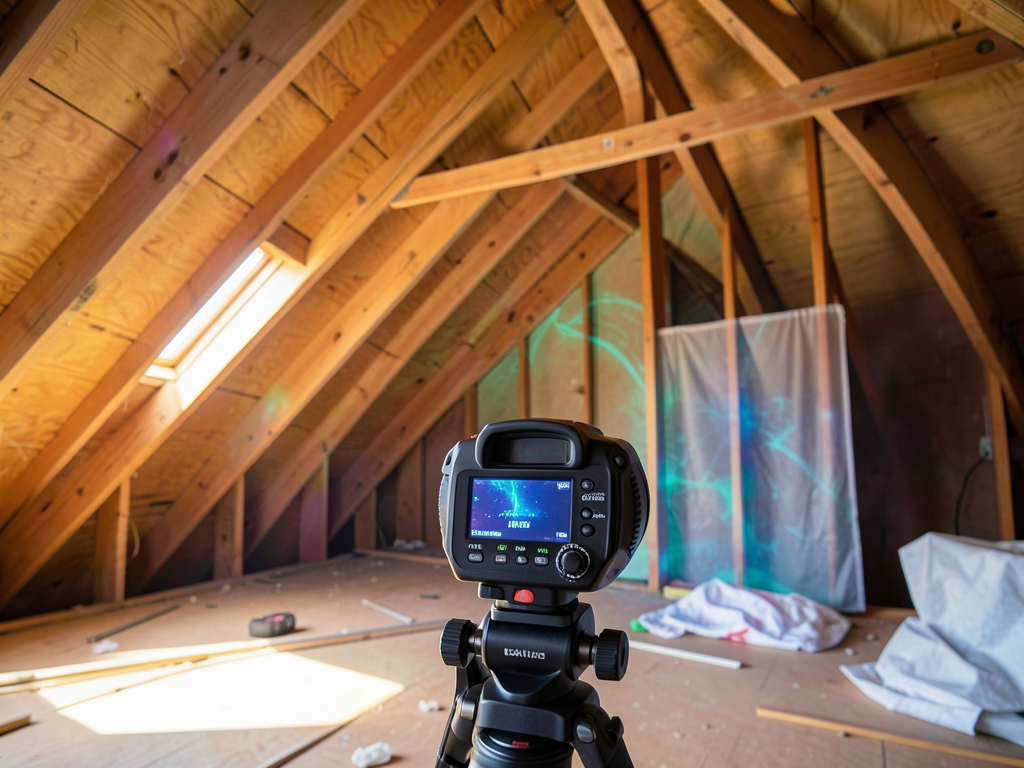
We don’t just install insulation—we evaluate your entire roofing system. Our process starts with a comprehensive attic inspection using thermal imaging cameras to identify heat loss patterns moisture intrusion points and ventilation deficiencies.
- Thermal Imaging Scan
We use infrared cameras to detect temperature variations that indicate insulation gaps moisture problems or air leaks.
- Moisture Meter Testing
Electronic moisture meters check roof decking and rafters for hidden water damage that could compromise new insulation installation.
- Ventilation Assessment
We measure intake and exhaust airflow to ensure your attic meets the 1:300 ventilation ratio required by most building codes.
- Insulation Gap Analysis
We identify areas where existing insulation has settled been compressed or is missing entirely.
- Code Compliance Check
We verify that your current setup meets Shelby County building requirements for R-values and ventilation.
After assessment we create a customized plan that addresses both immediate roofing needs and long-term energy efficiency. This might include adding blown-in fiberglass to reach R-49 installing radiant barriers in particularly hot attics or upgrading ventilation systems.
Energy Savings with MLGW Incentives
MLGW offers several programs that make attic insulation upgrades more affordable. The Smart Advantage Home Energy Analysis provides free energy audits for qualifying customers. During these audits technicians use blower door tests and thermal imaging to identify where your home is losing energy.
Through the TVA EnergyRight program Memphis homeowners can receive rebates covering 25-50% of insulation costs depending on the scope of work. These rebates typically range from $200 to $1000 for attic insulation projects. The federal Energy Efficient Home Improvement Credit also provides tax credits for insulation upgrades that meet IECC standards.
To qualify for these programs your insulation must meet specific R-value requirements and be installed by certified contractors. We handle all the paperwork and documentation needed to ensure you receive maximum rebates and credits.
Types of Attic Insulation We Install
Choosing the right insulation type depends on your home’s construction attic accessibility and specific climate challenges. Here’s how the main options compare for Memphis homes:
| Insulation Type | R-Value per Inch | Best For Memphis | Cost Range |
|---|---|---|---|
| Blown-in Fiberglass | R-2.2 to R-2.7 | Most attics easy installation | $1.50 – $3.00/sq ft |
| Cellulose | R-3.2 to R-3.8 | Existing insulation upgrade | $2.00 – $3.50/sq ft |
| Radiant Barrier | Varies | Hot attics metal roofs | $0.50 – $1.00/sq ft |
| Open-cell Spray Foam | R-3.5 to R-4.0 | Air sealing moisture control | $2.50 – $4.50/sq ft |
Blown-in fiberglass remains the most popular choice for Memphis attics because it provides excellent coverage resists moisture and works well with existing ventilation systems. For homes with severe heat gain issues we often recommend combining blown-in fiberglass with a radiant barrier for maximum performance.
Cellulose insulation made from recycled paper products offers higher R-values per inch but can absorb moisture in Memphis’s humid climate. We typically recommend it only for homes with excellent vapor barriers and ventilation.
Ventilation vs. Insulation: The Memphis Balance
Many Memphis homeowners make the critical mistake of adding insulation without addressing ventilation. This creates what roofers call trapped heat syndrome. When hot air cannot escape it creates pressure that forces moisture into your roof structure and accelerates material degradation. Residential Roofers Specializing in Historic Homes in Central Gardens.
The International Building Code requires 1 square foot of net free ventilation area for every 300 square feet of attic space. In Memphis’s climate we often recommend slightly higher ratios because of our extended cooling season and humidity levels.
Proper ventilation prevents ice damming during rare Memphis freezes reduces cooling costs in summer and prevents moisture-related damage year-round. Signs of poor ventilation include: excessive attic heat frost on roof decking in winter mold growth on rafters and premature shingle failure.
Cost-Benefit Analysis: Roof Longevity ROI
Installing proper attic insulation when you replace your roof provides the highest return on investment. Here’s why combining these services makes financial sense:
| Scenario | Initial Cost | Energy Savings (5 yrs) | Roof Life Extension | Total ROI |
|---|---|---|---|---|
| Roof Only | $8000 | $0 | 15-20 years | Break even |
| Roof + Insulation | $10500 | $3750 | 25-30 years | 45% return |
| Insulation Only | $2500 | $2500 | 0 years | 100% return |
The numbers tell the story: combining services when you’re already investing in your roof provides the best long-term value. You’re already paying for labor to access your attic so adding insulation during a roof replacement often costs 30-40% less than doing it as a separate project later.
Memphis-Specific Building Code Requirements
Shelby County requires all new roofing and insulation work to meet specific standards outlined in the 2021 International Building Code. For attic insulation this means:
- R-38 minimum in ceilings for climate zone 3
- 1:300 ventilation ratio (1 sq ft per 300 sq ft attic space)
- Fire-resistant materials in certain zones
- Proper vapor barriers in humid climates
Additionally Memphis has specific requirements for historic districts like Central Gardens and Victorian Village. These areas often require approval from the Memphis Landmarks Commission before any exterior modifications including roof work that affects attic ventilation.
We handle all permit applications and inspections required by Shelby County and the city of Memphis. This ensures your project meets all local codes and passes inspection on the first try.
Warning Signs Your Attic Needs Attention
How do you know if your attic insulation is failing? Look for these warning signs:
- Ice dams forming on roof edges during winter freezes
- Uneven snow melt patterns on your roof after snowfall
- Musty odors coming from ceiling vents or attic access points
- Drafts or temperature differences between rooms
- Higher than normal cooling bills during Memphis summers
- Visible gaps or settling in attic insulation
If you notice any of these signs your attic likely needs professional assessment. The longer you wait the more damage occurs to both your insulation and your roof structure.
Frequently Asked Questions
How much does attic insulation cost in Memphis?
Most Memphis homeowners pay between $1500 and $4000 for attic insulation depending on attic size existing conditions and insulation type. Blown-in fiberglass for a 1500 sq ft attic typically costs $2200 to $3000.
Can I add insulation over existing insulation?
Yes but only if the existing insulation is dry and not moldy. We recommend removing wet or damaged insulation first. When adding over existing insulation we ensure proper coverage without blocking ventilation.
How long does attic insulation last?
Quality fiberglass insulation lasts 80-100 years but it settles and compresses over time reducing effectiveness. Most Memphis homes need insulation evaluation every 10-15 years to ensure optimal performance.
Ready to Protect Your Roof Investment?
Don’t let Memphis heat destroy your roof from the inside out. Our comprehensive attic assessment includes thermal imaging moisture testing and ventilation evaluation—all for just $199. If we find issues that fee is credited toward any recommended work.
Call (901) 669-7399 today to schedule your attic inspection before the next heat wave hits. Our team understands Memphis’s unique climate challenges and knows exactly how to protect your home from the inside out.
Pick up the phone and call (901) 669-7399 before the next storm hits. Your roof—and your energy bills—will thank you.
{
“@context”: “https://schema.org”,
“@type”: “BlogPosting”,
“headline”: “How New Attic Insulation Can Actually Make Your Roof Last Longer in the Tennessee Heat”,
“description”: “Protect your Memphis roof from the Tennessee heat. Learn how attic insulation extends shingle life and cuts energy costs. Call (901) 669-7399 for a free assessment.”,
“wordCount”: 1603,
“datePublished”: “2026-03-20T09:35:00.000Z”,
“dateModified”: “2026-03-20T09:35:00.000Z”,
“inLanguage”: “en-US”,
“mainEntityOfPage”: {
“@type”: “WebPage”,
“@id”: “https://evergreenroofingmemphis.com”
},
“publisher”: {
“@type”: “LocalBusiness”,
“name”: “Evergreen Roofing Memphis”,
“url”: “https://evergreenroofingmemphis.com”
},
“author”: {
“@type”: “Organization”,
“name”: “Evergreen Roofing Memphis”,
“url”: “https://evergreenroofingmemphis.com”
},
“image”: {
“@type”: “ImageObject”,
“url”: “https://evergreenroofingmemphis.com/wp-content/uploads/2026/03/how-new-attic-insulation-can-actually-make-your-ro-1.png”
}
}
{
“@context”: “https://schema.org”,
“@type”: “RoofingContractor”,
“name”: “Evergreen Roofing Memphis”,
“url”: “https://evergreenroofingmemphis.com”,
“address”: {
“@type”: “PostalAddress”,
“addressLocality”: “Memphis”
},
“areaServed”: {
“@type”: “City”,
“name”: “Memphis”
}
}
{
“@context”: “https://schema.org”,
“@type”: “FAQPage”,
“mainEntity”: [
{
“@type”: “Question”,
“name”: “How much does attic insulation cost in Memphis?”,
“acceptedAnswer”: {
“@type”: “Answer”,
“text”: “Most Memphis homeowners pay between $1500 and $4000 for attic insulation depending on attic size existing conditions and insulation type. Blown-in fiberglass for a 1500 sq ft attic typically costs $2200 to $3000.”
}
},
{
“@type”: “Question”,
“name”: “Can I add insulation over existing insulation?”,
“acceptedAnswer”: {
“@type”: “Answer”,
“text”: “Yes but only if the existing insulation is dry and not moldy. We recommend removing wet or damaged insulation first. When adding over existing insulation we ensure proper coverage without blocking ventilation.”
}
},
{
“@type”: “Question”,
“name”: “How long does attic insulation last?”,
“acceptedAnswer”: {
“@type”: “Answer”,
“text”: “Quality fiberglass insulation lasts 80-100 years but it settles and compresses over time reducing effectiveness. Most Memphis homes need insulation evaluation every 10-15 years to ensure optimal performance.”
}
},
{
“@type”: “Question”,
“name”: “Ready to Protect Your Roof Investment?”,
“acceptedAnswer”: {
“@type”: “Answer”,
“text”: “Don’t let Memphis heat destroy your roof from the inside out. Our comprehensive attic assessment includes thermal imaging moisture testing and ventilation evaluation—all for just $199. If we find issues that fee is credited toward any recommended work.”
}
}
]
}
{
“@context”: “https://schema.org”,
“@type”: “HowTo”,
“name”: “Professional Attic Assessment Process”,
“step”: [
{
“@type”: “HowToStep”,
“position”: 1,
“name”: “Thermal Imaging Scan”,
“text”: “We use infrared cameras to detect temperature variations that indicate insulation gaps moisture problems or air leaks.”
},
{
“@type”: “HowToStep”,
“position”: 2,
“name”: “Moisture Meter Testing”,
“text”: “Electronic moisture meters check roof decking and rafters for hidden water damage that could compromise new insulation installation.”
},
{
“@type”: “HowToStep”,
“position”: 3,
“name”: “Ventilation Assessment”,
“text”: “We measure intake and exhaust airflow to ensure your attic meets the 1:300 ventilation ratio required by most building codes.”
},
{
“@type”: “HowToStep”,
“position”: 4,
“name”: “Insulation Gap Analysis”,
“text”: “We identify areas where existing insulation has settled been compressed or is missing entirely.”
},
{
“@type”: “HowToStep”,
“position”: 5,
“name”: “Code Compliance Check”,
“text”: “We verify that your current setup meets Shelby County building requirements for R-values and ventilation.”
}
],
“image”: “https://evergreenroofingmemphis.com/wp-content/uploads/2026/03/how-new-attic-insulation-can-actually-make-your-ro-1.png”
}
{
“@context”: “https://schema.org”,
“@type”: “BreadcrumbList”,
“itemListElement”: [
{
“@type”: “ListItem”,
“position”: 1,
“name”: “Home”,
“item”: “https://evergreenroofingmemphis.com”
},
{
“@type”: “ListItem”,
“position”: 2,
“name”: “Blog”,
“item”: “https://evergreenroofingmemphis.com/blog”
},
{
“@type”: “ListItem”,
“position”: 3,
“name”: “How New Attic Insulation Can Actually Make Your Roof Last Longer in the Tennessee Heat”
}
]
}
{
“@context”: “https://schema.org”,
“@type”: “Service”,
“serviceType”: “Roofing”,
“provider”: {
“@type”: “LocalBusiness”,
“name”: “Evergreen Roofing Memphis”,
“url”: “https://evergreenroofingmemphis.com”
},
“areaServed”: {
“@type”: “City”,
“name”: “Memphis”
},
“description”: “Protect your Memphis roof from the Tennessee heat. Learn how attic insulation extends shingle life and cuts energy costs. Call (901) 669-7399 for a free assessment.”
}