menu

Built-Up Roofing in Memphis | Industrial-Grade Roof Systems That Minimize Business Downtime

Evergreen Roofing Memphis installs and restores BUR roofing systems designed for flat and low-slope commercial buildings, delivering waterproof protection that keeps your operations running without interruption.

Slider Image 1
Slider Image 2
Slider Image 3
Slider Image 4
Slider Image 5
Slider Image 7
Slider Image 8
Slider Image 9
Slider Image 10
Slider Image 11

Why Memphis Commercial Buildings Depend on Built-Up Roofing

Memphis sits in a high-humidity zone where flat commercial roofs face relentless exposure to standing water, UV degradation, and thermal cycling. The Bluff City's average annual rainfall exceeds 54 inches, and summer temperatures routinely push past 95 degrees. This combination accelerates wear on single-ply membrane systems, but multi-ply roofing systems handle it differently.

Built-up roofing creates a redundant waterproof barrier through alternating layers of bitumen and reinforcing fabrics. Each ply adds another line of defense against water intrusion. When one layer degrades, the others continue protecting your building envelope. This redundancy matters for warehouses, distribution centers, and industrial facilities where roof failure means inventory damage, production stoppages, and lost revenue.

The tar and gravel roofing approach uses aggregate surfacing to shield the underlying membrane from UV rays and physical damage. Memphis's position along the Mississippi River means higher humidity levels than surrounding areas, which accelerates asphalt oxidation on exposed roofs. The gravel layer reflects sunlight, reduces surface temperatures by up to 30 degrees, and extends membrane life.

Commercial built-up roofs also accommodate the structural movement common in older Memphis buildings. The original downtown warehouse district and Midtown industrial zones contain structures built on alluvial soils that shift seasonally. BUR roofing systems flex without tearing, maintaining watertight integrity through minor structural adjustments that would compromise rigid systems.

For facility managers tracking capital expenditure cycles, asphalt built-up roofing delivers predictable performance spanning decades when properly maintained. You avoid the budget disruptions that come with premature roof replacement.

Why Memphis Commercial Buildings Depend on Built-Up Roofing
How We Install BUR Systems for Maximum Service Life

How We Install BUR Systems for Maximum Service Life

Evergreen Roofing Memphis starts every built-up roof installation with substrate evaluation. We core sample existing decking to verify structural capacity for the added weight of multi-ply roofing systems, which typically add 5-6 pounds per square foot. Many Memphis commercial buildings have wood nailer systems or lightweight concrete decks that require reinforcement before we proceed.

We apply the base sheet mechanically fastened or fully adhered, depending on wind uplift calculations for your specific location and building height. Memphis sits in Wind Zone 2, but buildings near the river or in exposed areas face higher design pressures. We calculate fastener spacing using ASCE 7 standards, not generic manufacturer recommendations.

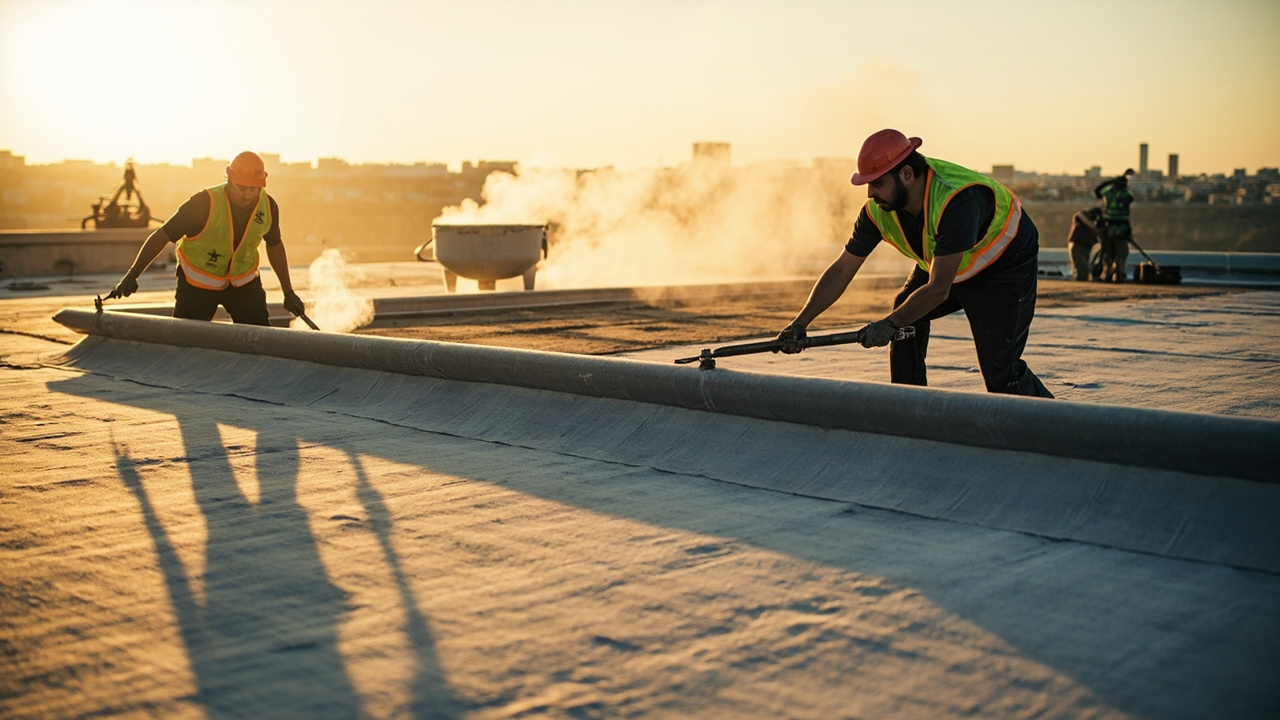
Each subsequent ply gets mopped with hot asphalt at temperatures between 400-475 degrees. Temperature control matters. Too cool and the bitumen does not properly bond between plies. Too hot and you volatilize the lighter petroleum fractions that give the asphalt its flexibility. We use computerized kettle controls and infrared thermometers to maintain optimal application temperatures throughout the day.

The interply mopping rate determines long-term performance. We apply 25-30 pounds of asphalt per 100 square feet between each felt layer, creating complete encapsulation. Skimping here creates voids where water migrates laterally between plies.

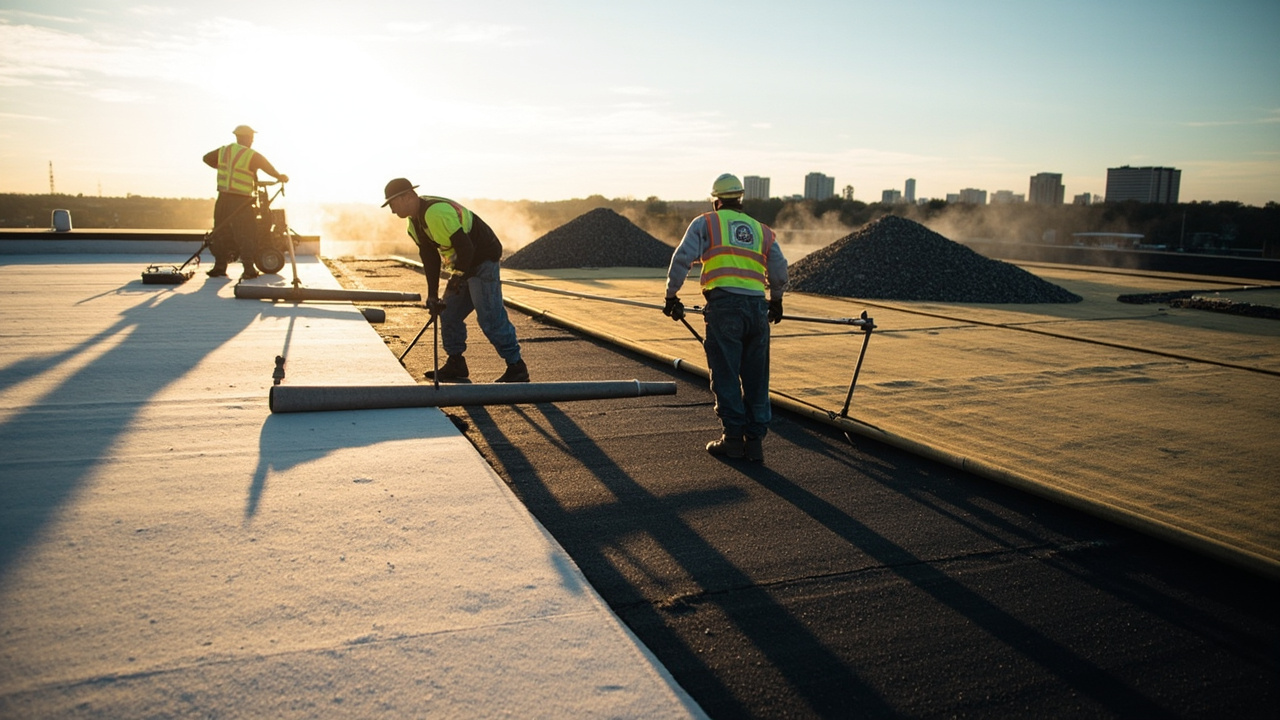
The flood coat and aggregate surfacing go down while the final bitumen layer remains hot. This ensures aggregate embedment into the membrane. We apply 400-600 pounds of gravel per square, providing ballast against wind uplift and creating a Class A fire rating.

For asphalt built-up roofing longevity, we detail all penetrations, edges, and transitions with multiple plies turned up or out. Roof failures start at terminations, not in the field membrane.

What Happens During Your BUR Installation Project

Built-Up Roofing in Memphis | Industrial-Grade Roof Systems That Minimize Business Downtime
01

Building Assessment and Engineering

We evaluate your existing roof structure, perform core samples to check deck conditions, and calculate wind uplift requirements specific to your building location in Memphis. This engineering phase determines substrate preparation needs, fastening patterns, and whether structural reinforcement is required before we install the multi-ply roofing system. We coordinate with your operations team to identify critical areas where work interruptions must be minimized.
02

Phased Installation Execution

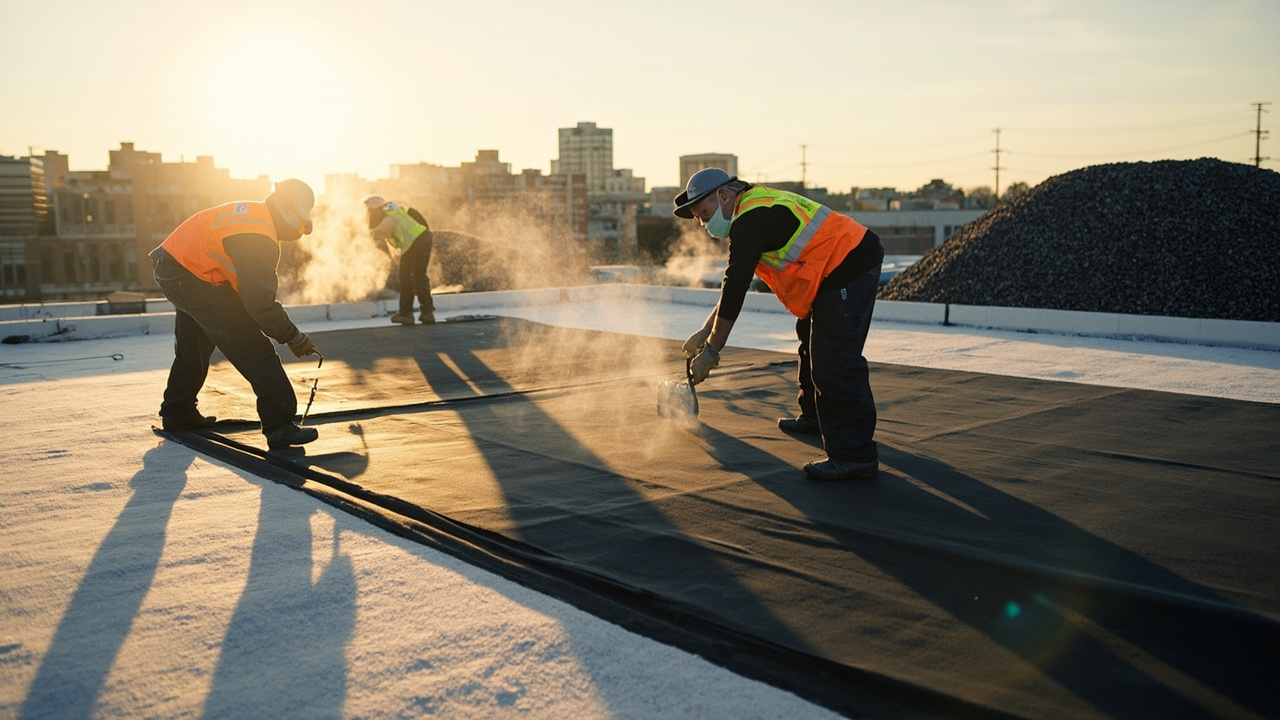
We section your roof into workable areas that maintain building weatherproofing while work progresses. Each section gets completed to the flood coat stage before we move to the next zone. This approach keeps your facility protected if weather interrupts work. Our crews apply base sheets, interply felts, and hot asphalt in controlled sequences, with quality checkpoints between each layer. We schedule asphalt kettles and material deliveries to avoid disrupting your loading docks or parking areas.
03

Final Surfacing and Documentation

After completing the membrane installation, we apply the flood coat and embed aggregate surfacing across the entire roof area. All penetrations, drains, and edge details receive final inspection and testing. You receive as-built drawings showing membrane thickness, fastening patterns, and all detail locations. We document the installation with photos at each phase, creating a maintenance baseline for your facility records. This documentation proves code compliance and supports future roof certification requirements.

Why Memphis Facility Managers Choose Evergreen Roofing Memphis for BUR Systems

Commercial roofing in Memphis requires understanding local construction methods and building stock. The city's warehouse district contains structures built between 1900-1960 with timber roof decks, steel bar joists, and poured gypsum systems. These substrates demand different attachment methods than modern construction. We have restored built-up roofs on buildings throughout the Medical District, Airport Industrial Area, and Presidents Island, working with structural systems specific to each era.

Memphis enforces the International Building Code with local amendments addressing seismic considerations and wind design. BUR installations must meet specific attachment requirements based on building height and roof zone classifications. We pull permits for all commercial projects and coordinate inspections with city building officials who know our work.

Our crews understand the seasonal constraints of working in Memphis. Summer heat limits our kettle operation windows, we monitor weather forecasts during spring storm season, and we schedule projects around your business cycles. Distribution facilities need roof work completed between peak shipping seasons. Manufacturing plants require coordination with production schedules and shutdown periods. We build project timelines around your operational requirements, not just weather windows.

The commercial built-up roofs we install use materials engineered for the specific thermal and moisture conditions found in the Mid-South. We do not use generic specifications. Asphalt grades, felt saturants, and aggregate types get selected based on your roof slope, exposure, and the building use underneath. A cold storage facility needs different membrane specifications than a heated manufacturing space.

Evergreen Roofing Memphis maintains relationships with engineers, architects, and property management firms throughout Memphis. When your roof needs capacity evaluation or requires integration with solar installations or HVAC replacements, we coordinate with professionals who understand local building systems.

What Your Built-Up Roofing Project Includes

Project Timeline and Scheduling

Built-up roof installations progress at approximately 15-25 squares per day depending on roof complexity, penetrations, and detail work required. A typical 20,000 square foot commercial roof takes 10-15 working days from tear-off through final surfacing. We provide detailed schedules showing which roof sections get worked on each day, allowing you to plan around any interior operations affected by overhead work. Weather delays get communicated immediately with revised completion dates. We staff projects to finish on time without rushing application rates that compromise quality.

Pre-Installation Roof Assessment

Before starting work, we perform infrared scanning to identify wet insulation areas, inspect all roof penetrations and drains, and evaluate edge metal conditions. You receive a written report detailing existing conditions, substrate deficiencies requiring correction, and any structural concerns discovered during inspection. This assessment includes core samples showing deck type and existing membrane composition. We identify cost factors before mobilization, eliminating surprise change orders mid-project. For occupied buildings, we coordinate access requirements and identify areas where interior protection or containment is needed during tear-off operations.

Installation Quality and Performance

Every BUR roofing system we install undergoes layer-by-layer inspection before the next ply goes down. We verify interply bitumen coverage, check for fishmouths or bridging at laps, and confirm aggregate embedment in the flood coat. The completed roof receives flood testing at all drains and penetrations to verify watertight performance before we demobilize. You receive documentation showing membrane thickness measurements, fastener pull tests, and infrared scans confirming dry substrate conditions. The finished roof meets or exceeds Factory Mutual wind uplift ratings for your building classification and location.

Maintenance Planning and Support

Built-up roofing requires periodic maintenance to maximize service life. We provide maintenance plans specifying drain cleaning frequency, aggregate redistribution schedules, and detail inspection intervals. Bi-annual inspections catch small problems before they become leak sources. We track maintenance history for your facility, documenting repairs and monitoring membrane conditions over time. This ongoing relationship means we respond quickly when you need emergency service, already familiar with your roof system and building. Planned maintenance extends roof life by 40-60 percent compared to neglected systems, protecting your capital investment.

Frequently Asked Questions

You Have Questions,
We Have Answers

What does built-up roofing mean? +

Built-up roofing refers to a multi-layer flat or low-slope roofing system used on commercial buildings. The system alternates layers of bitumen (hot tar or cold-applied adhesive) with reinforcing fabrics like fiberglass or polyester. You finish it with a surfacing layer of gravel, mineral granules, or a reflective coating. This creates a redundant, waterproof membrane. Built-up roofs handle heavy foot traffic well and provide fire resistance, making them suitable for Memphis commercial properties with HVAC equipment or frequent maintenance access. The layered construction delivers durability and puncture resistance for warehouses, retail centers, and industrial facilities.

What is another name for built up roofing? +

Built-up roofing goes by several names in the commercial roofing industry. You will hear it called BUR, tar and gravel roofing, or asphalt built-up roofing. Some contractors refer to it as a conventional roofing system since it has been the standard for flat commercial roofs for over a century. The "tar and gravel" nickname comes from the hot bitumen application method topped with aggregate surfacing. Regardless of the name, the system describes the same multi-ply membrane construction with alternating layers of bitumen and reinforcing fabric, commonly seen on low-slope commercial buildings throughout Memphis.

What is the life expectancy of a built up roof? +

A properly installed built-up roof typically lasts 20 to 30 years on commercial properties. Lifespan depends on several factors including the number of plies (three-ply, four-ply, or five-ply systems), quality of materials, and maintenance frequency. Memphis weather conditions, including seasonal temperature swings and UV exposure, affect longevity. Regular inspections to address ponding water, maintain drainage, and repair small punctures extend service life significantly. Gravel-surfaced systems often outlast smooth-surface versions due to better UV protection. Commercial buildings with minimal rooftop traffic and proper drainage see the longest lifespans. Neglected roofs may fail earlier due to membrane degradation or seam separation.

What is the difference between TPO and built up roofing? +

Built-up roofing uses multiple layers of bitumen and reinforcing fabric, creating a thick, heavy membrane. TPO (thermoplastic polyolefin) is a single-ply synthetic rubber membrane heat-welded at seams. Built-up roofs cost less upfront, handle foot traffic better, and provide proven long-term performance. TPO installs faster, weighs less (reducing structural load), and offers better energy efficiency with white reflective surfaces. For Memphis commercial properties, built-up roofing suits buildings with heavy rooftop equipment or frequent maintenance access. TPO works well for facilities prioritizing energy savings and lighter structural loads. Built-up systems require hot-mopping equipment, while TPO needs specialized welding tools for seam integrity.

Why do insurance companies not like flat roofs? +

Insurance companies view flat roofs as higher risk due to drainage challenges and water pooling. Standing water accelerates membrane deterioration and increases leak probability compared to sloped roofs that shed water quickly. Flat roofs on commercial buildings in Memphis face additional scrutiny because seasonal storms can overwhelm inadequate drainage systems. Insurance underwriters also consider flat roofs more susceptible to wind uplift damage and punctures from debris. Built-up roofing mitigates some concerns with redundant waterproofing layers and gravel ballast for wind resistance. Proper maintenance documentation, regular inspections, and documented drainage improvements help secure better coverage terms for commercial flat roof systems.

What are the three types of roofing? +

Commercial roofing breaks into three main categories. Low-slope or flat roofing includes built-up roofing, single-ply membranes (TPO, EPDM, PVC), and modified bitumen systems. Steep-slope roofing covers metal panels, asphalt shingles, tile, and slate. Specialty systems include green roofs, spray polyurethane foam, and liquid-applied membranes. Memphis commercial properties predominantly use low-slope systems due to cost efficiency and functionality for warehouses, retail centers, and industrial facilities. Built-up roofing remains popular in this category for its durability and proven track record. Your building type, structural capacity, budget, and operational needs determine the appropriate system category.

Does home insurance cover membrane roof repair? +

Home insurance policies rarely cover membrane roof repair unless damage results from a covered peril like wind, hail, or fire. Wear and tear, improper installation, or deferred maintenance are excluded from coverage. Most residential membrane roofs appear on flat sections, additions, or porch overhangs. If storm damage causes a puncture or tears the membrane, your policy may cover repairs minus your deductible. Documentation matters. Take photos immediately after storms and get professional damage assessments. Insurance adjusters in Memphis often dispute flat roof claims, arguing pre-existing conditions. Regular maintenance records strengthen your claim by proving the roof was properly maintained before the covered event occurred.

Which roof is better, EPDM or TPO? +

EPDM (rubber membrane) and TPO each offer distinct advantages for commercial properties. EPDM costs less, installs in cold weather, and proves extremely durable with a 30-plus-year track record. It uses adhesive or mechanical fastening but requires tape or liquid sealant at seams (potential weak points). TPO provides superior energy efficiency with reflective white surfaces, reducing cooling costs for Memphis buildings. Heat-welded seams create stronger bonds than EPDM tape seams. TPO resists algae growth and chemicals better. For budget-focused projects with minimal energy concerns, EPDM works well. For energy-efficient commercial buildings prioritizing long-term operational savings, TPO delivers better ROI despite higher initial costs.

What are the pros and cons of MB roofing? +

Modified bitumen (MB) roofing combines built-up roofing durability with modern polymer technology. Pros include excellent waterproofing, flexibility in cold weather, simple torch-down or cold-adhesive installation, and good puncture resistance. The two-ply system costs less than four-ply built-up roofing while delivering comparable performance. Cons include shorter lifespan (15 to 20 years versus 25-plus for built-up systems), lower fire ratings with torch-applied methods, and limited energy efficiency with dark surfaces. Memphis commercial properties benefit from MB roofing's weather resistance and moderate cost. However, buildings prioritizing maximum longevity or energy savings may find built-up roofing or reflective single-ply systems more appropriate for their operational requirements.

How old may a roof be before insurance claims it's too old? +

Most insurance carriers impose age limits on roof coverage, typically flagging commercial roofs over 20 years old. Once a built-up roof reaches this threshold, insurers may require inspections before renewal, exclude roof damage from coverage, or mandate replacement as a condition of policy continuation. Some carriers deny coverage outright for roofs exceeding 25 years regardless of condition. Memphis commercial property owners face premium increases or coverage restrictions as roofs age. Document all maintenance, repairs, and inspections to demonstrate proper care. Consider proactive replacement before the 20-year mark to avoid coverage gaps. Insurance underwriters evaluate remaining useful life, not just chronological age, so well-maintained roofs may receive exceptions.

How Memphis Humidity and Temperature Swings Affect Commercial Roof Performance

Memphis averages 220 days per year with relative humidity above 70 percent, creating conditions where moisture vapor drives through roof assemblies year-round. During summer, hot humid air pushes moisture into roof systems from above. In winter, heated building interiors drive moisture upward into cold roof decks, causing condensation at the membrane interface. Built-up roofing handles this moisture better than single-ply systems because the multiple bitumen layers create redundant vapor barriers. The permeability of each felt layer is low enough to control moisture migration without requiring separate vapor retarders that add cost and installation complexity.

The commercial building stock in Memphis includes warehouses and industrial facilities built during the city's distribution and logistics boom from 1950-1990. These structures typically have flat or low-slope roofs designed for built-up roofing, with structural systems engineered for the weight of multi-ply roofing systems. Facility managers replacing these roofs often discover that switching to lighter single-ply systems does not deliver the expected cost savings, because the buildings lack the substrate required for mechanically attached membranes. Staying with asphalt built-up roofing uses the existing structural capacity and avoids expensive deck modifications.

Roofing Services in The Memphis Area

Evergreen Roofing Memphis is strategically located to serve all residential and commercial clients across the entire Memphis metropolitan area and surrounding Mid-South communities. View our central business location on the map to see our service radius, and remember that our dedicated team is always prepared to travel directly to your property to deliver the expert roofing services you need, precisely when you need them.

Address:
Evergreen Roofing Memphis, 333 S Bellevue Blvd, Memphis, TN, 38104

Additional Services We Offer

Our news updates

Latest Articles & News from The Blogs

Lorem ipsum dolor sit amet. Aut expedita quaerat quo eligendi numquam et laudantium perspiciatis qui minima expedita rem consequatur ducimus.…

Test Blog 4

Lorem ipsum dolor sit amet. Aut expedita quaerat quo eligendi numquam et laudantium perspiciatis qui minima expedita rem consequatur ducimus.…

Test Blog 3

Lorem ipsum dolor sit amet. Aut expedita quaerat quo eligendi numquam et laudantium perspiciatis qui minima expedita rem consequatur ducimus.…

Test Blog 2

Lorem ipsum dolor sit amet. Aut expedita quaerat quo eligendi numquam et laudantium perspiciatis qui minima expedita rem consequatur ducimus.…

Contact Us

Stop managing roof leaks that disrupt operations. Call Evergreen Roofing Memphis at (901) 669-7399 for a detailed assessment of your commercial roof system. We provide written proposals with project timelines, material specifications, and budget clarity.