
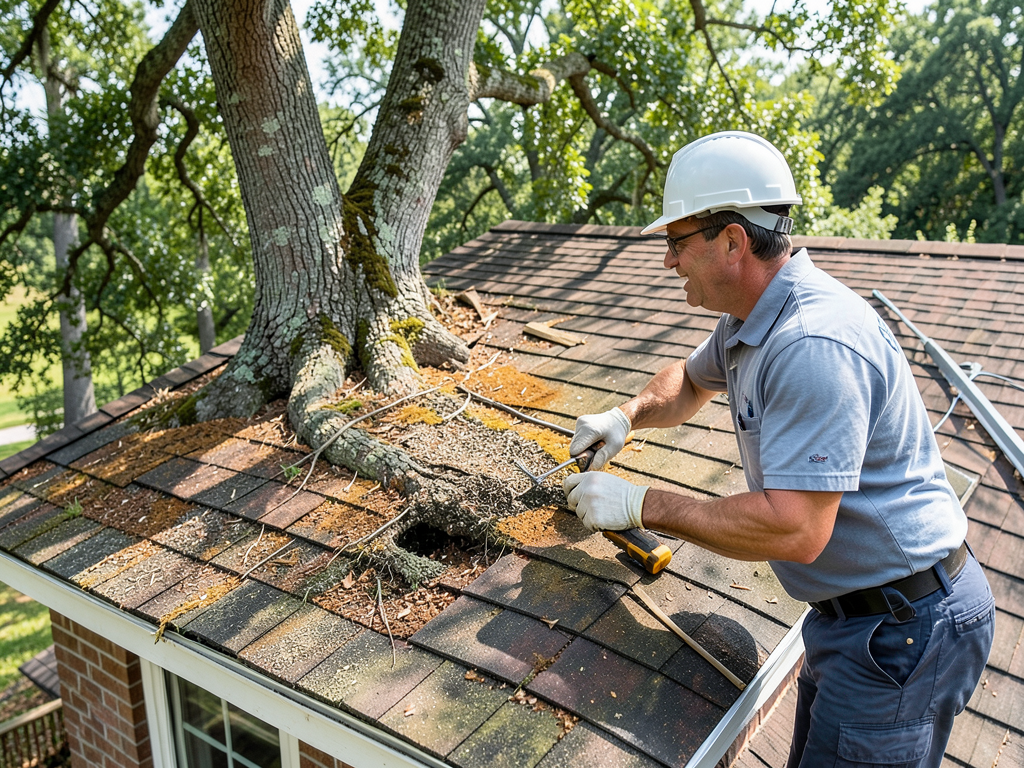
Managing Massive Oak Tree Debris and Leaf Clogs on Your River Oaks Roof
Your River Oaks home sits under a beautiful canopy of mature oak trees, but that shade comes with a hidden cost. Oak tree debris creates unique roofing challenges in Memphis, from tannin staining that degrades asphalt shingles to acorn impacts that cause granule loss. The dense foliage and seasonal shedding patterns of Willow Oaks and Southern Red Oaks common in River Oaks create constant maintenance demands that generic roofing advice doesn’t address. Roofing Lakeland.
This guide explains exactly how Memphis oak trees damage roofs, what warning signs to watch for, and the specific maintenance schedule River Oaks homeowners need to protect their investment. You’ll learn about the chemical reactions that break down your shingles, how local weather patterns accelerate damage, and why the ’10-foot rule’ matters more in River Oaks than anywhere else in Memphis. Storm Damage Roof Inspection and Repair in Bartlett.
Understanding Memphis Oak Tree Threats to Your Roof
River Oaks residents face unique roofing challenges because of the specific oak species dominating the neighborhood canopy. Willow Oaks drop massive quantities of small leaves that clog gutters, while Southern Red Oaks produce heavy acorns that can dent metal flashing and create impact damage on asphalt shingles. The combination creates year-round debris problems that most Memphis neighborhoods don’t experience.. Read more about What New Residents Moving to Memphis Should Know About Roofing Maintenance in the Mid-South.
The tannin content in oak leaves creates a chemical reaction when they decompose on your roof surface. These organic acids slowly break down the asphalt binder in shingles, causing premature aging and creating dark staining that indicates underlying material degradation. This process happens faster in River Oaks because the dense canopy keeps roofs shaded and damp longer after rain events.
Acorn impact represents another serious threat specific to oak-heavy areas. A single heavy acorn falling from 40 feet can create enough force to crack brittle shingles or dent metal components. During peak acorn season in late summer and fall, your roof experiences thousands of these impacts, creating cumulative damage that shows up as granule loss and surface pitting.
The root systems of mature oaks in River Oaks also affect roof performance. These extensive root networks can cause soil shifting that impacts your home’s foundation, which in turn creates stress points where roof meets wall. This subtle movement can break seals around flashing and create leak pathways that appear unrelated to tree debris but are directly caused by the same oak trees shading your roof.
4 Common Types of Oak Tree Damage
Mechanical Damage from Falling Limbs and Acorn Impact
Memphis experiences severe thunderstorms with wind gusts exceeding 60 mph, particularly in late spring and early summer. These storms cause oak limbs to break and fall onto roofs, creating immediate puncture damage to shingles and underlayment. The weight of a falling limb can also crack roof decking, requiring structural repairs beyond simple shingle replacement. Get a Fast Quote for Roof Leak Repair in Cordova.
Acorn impact damage accumulates over time in ways homeowners don’t notice until significant granule loss occurs. Each impact removes protective granules from asphalt shingles, exposing the underlying asphalt to UV radiation and moisture. This creates weak spots that fail prematurely during the next heavy rain or wind event.
The timing of damage matters in River Oaks. Oaks typically drop their heaviest acorn crops every 2-3 years in what’s called a ‘mast year.’ During these years, your roof experiences exponentially more impact damage, making regular inspections critical to catch problems before they become expensive repairs. Flat Roof Repair & Restoration.
Shingle Erosion from Limb Rubbing and Granule Loss
Overhanging oak limbs create continuous abrasion against roof surfaces, especially during high winds common in Memphis. This rubbing action removes protective granules from shingles, exposing the asphalt core to accelerated weathering. The damage often appears as thin, shiny patches on shingles where granules have been completely worn away.
The height of oak trees in River Oaks means many limbs extend over multiple roof sections. Even small branches moving in the wind create enough friction to damage shingles over time. This type of damage is particularly problematic because it creates entry points for water that may not show as leaks until significant interior damage occurs.
Granule loss from limb rubbing accelerates in Memphis’s humid climate. The combination of constant moisture from shade and physical abrasion creates ideal conditions for shingle deterioration. Areas under heavy oak coverage often show 30-40% more granule loss than comparable roofs in less wooded neighborhoods.
Organic Growth from Shade-Induced Moss, Lichen, and Moisture Retention
The dense canopy in River Oaks creates perfect conditions for moss and lichen growth on roof surfaces. These organisms thrive in the cool, moist environment created by constant shade and trapped moisture. Once established, moss and lichen retain water against the shingle surface, accelerating deterioration and creating slippery conditions that make roof walking dangerous.
Moss growth in particular causes serious problems because it lifts shingle edges as it grows. This creates gaps where water can penetrate under shingles, leading to leaks and wood rot in the roof deck. The weight of wet moss also adds stress to the roofing structure, particularly during Memphis’s heavy spring rains.
Lichen creates a different type of damage by secreting acids that break down the limestone filler in asphalt shingles. This chemical reaction weakens the shingle structure from the inside out, making it more susceptible to wind damage and reducing the overall lifespan of your roof by 5-7 years in severe cases.
Gutter Failure from Oak Tassels, Catkins, and Leaf Clogs
Oak trees produce catkins (tassels) in spring that create massive gutter clogs before leaves even begin falling. These fuzzy flower structures break down into a thick, sticky paste that blocks water flow and creates perfect conditions for algae and mold growth in gutters. In River Oaks, this seasonal problem occurs every April and May.
Fall leaf drop from oaks creates different but equally serious gutter problems. Willow Oaks in particular drop small, tough leaves that don’t decompose quickly and can pack tightly into gutter systems. When combined with acorn debris and twigs, these leaves create dams that cause water to back up under roof edges and into fascia boards.
The weight of accumulated debris in gutters becomes significant during Memphis’s heavy rainfall periods. Saturated leaf packs can weigh 10-15 pounds per linear foot, causing gutters to pull away from the roof edge or collapse entirely. This creates not just drainage problems but also potential safety hazards from falling debris.
The Role of Tannins: How Oak Leaves Stain and Degrade Shingles
Tannins are natural compounds found in oak leaves that act as preservatives in living trees but become destructive when they accumulate on roof surfaces. These organic acids create dark brown or black staining on shingles, particularly in areas where leaves collect in roof valleys or near gutter edges. The staining indicates chemical breakdown of the asphalt binder.
The degradation process works like this: tannins leach from decomposing leaves and create an acidic environment on the shingle surface. This acid slowly breaks down the asphalt’s chemical structure, making it more brittle and less flexible. Over time, affected areas become prone to cracking and lose their ability to expand and contract with temperature changes.
River Oaks homes experience more severe tannin staining because of the dense canopy that keeps roofs shaded and damp. The combination of constant moisture and limited UV exposure creates ideal conditions for tannin accumulation and chemical degradation. Areas under heavy oak coverage often show 50-60% more staining than comparable roofs in sunnier locations.
Cleaning tannin stains requires more than pressure washing, which can actually damage already weakened shingles. Professional cleaning uses specialized solutions that neutralize the acidic compounds without further degrading the asphalt. However, cleaning only addresses the symptom – preventing future tannin accumulation requires managing the source through proper tree maintenance.
Memphis Weather and Oak Trees: A Dangerous Combo
Memphis experiences severe weather patterns that create perfect conditions for oak tree roof damage. The Mid-South’s location in the Mississippi Valley means frequent severe thunderstorms with straight-line winds that can exceed 70 mph. These winds cause oak limbs to break and create the ‘domino effect’ where one falling branch takes down multiple others.
The 10-year ice storm cycle in Memphis creates additional risks for oak-heavy neighborhoods like River Oaks. Ice accumulation on oak limbs adds tremendous weight – a single branch can gain 100+ pounds of ice during a major storm. This weight often causes limbs to snap and fall onto roofs, creating immediate puncture damage to shingles and underlayment.
Memphis’s high humidity, averaging 75% in summer months, creates conditions that accelerate organic growth on shaded roof surfaces. Combined with oak debris that retains moisture, this creates ideal breeding grounds for moss, algae, and lichen. These organisms not only damage shingles but also create slippery conditions that make roof inspections dangerous.
The freeze-thaw cycles common in Memphis winters create additional stress on roofs under oak coverage. Water trapped by debris or organic growth expands when it freezes, creating pressure that can lift shingles and break seals. This process repeats throughout winter, gradually creating gaps that lead to leaks during spring rains.
Insurance Claims for Tree Damage in Tennessee
Tennessee insurance law distinguishes between ‘Acts of God’ and damage caused by negligence when it comes to tree-related roof damage. If a healthy oak limb falls during a storm and damages your roof, most policies cover the repair under standard wind and hail coverage. However, if the tree was dead or diseased and you failed to address it, the claim may be denied as negligence. Tennessee Department of Insurance.
The ‘Act of God’ defense only applies to sudden, unexpected events. If you’ve had an overhanging oak limb for years and it finally breaks through your roof, insurers may argue you should have addressed the hazard before it caused damage. This makes regular tree maintenance documentation important for River Oaks homeowners.
Tennessee requires insurance companies to respond to claims within 30 days of filing. However, the investigation process often takes longer for tree damage because adjusters must determine whether the tree was healthy and whether proper maintenance was performed. Having professional documentation of tree health and maintenance can speed up this process significantly.
Working with a local roofing contractor familiar with Memphis insurance requirements can make the claims process smoother. Local contractors understand what documentation insurers need and can provide detailed damage assessments that support your claim. They also know how to identify pre-existing damage versus new storm-related damage, which is often a point of contention with adjusters.
Preventative Maintenance: The 10-Foot Rule
The ’10-foot rule’ is a fundamental principle for protecting your roof from oak tree damage. No oak limbs should extend within 10 feet of your roof surface, and the tree trunk should be at least 10 feet from your home’s foundation. This clearance prevents most mechanical damage from falling limbs and reduces debris accumulation on roof surfaces.
Implementing the 10-foot rule in River Oaks requires working with certified arborists who understand both tree health and roof protection. Simply cutting limbs without considering the tree’s structure can create unbalanced growth that makes the tree more likely to fail in storms. Professional pruning maintains tree health while protecting your home.
Seasonal maintenance schedule for River Oaks homeowners:
- Early spring: Remove winter debris and check for ice damage
- Late spring: Clear catkins and check for moss/lichen growth
- Early summer: Inspect for wind damage after storm season begins
- Early fall: Clear acorns and check for shingle deterioration
- Late fall: Complete leaf removal before winter moisture sets in
Professional roof inspections should be conducted at least twice yearly in oak-heavy neighborhoods. Spring inspections catch winter damage before heavy rains begin, while fall inspections identify problems before holiday weather creates additional stress. These inspections should include checking for granule loss, staining patterns, and organic growth that indicate developing problems.
Installing gutter guards designed for oak debris can reduce maintenance requirements significantly. However, not all gutter guards work well with oak catkins and small leaves. Mesh screens with openings smaller than 1/4 inch prevent most debris while allowing water flow, but require professional installation to ensure proper roof edge sealing.
Comparing Roofing Materials for Oak Tree Protection
Different roofing materials perform differently under oak tree stress. Asphalt shingles, while common in River Oaks, show the most visible damage from tannin staining and granule loss. Metal roofing resists tannin staining but can dent from acorn impact. Tile roofing resists most tree-related damage but requires structural reinforcement that many older River Oaks homes lack.
The table below compares common roofing materials for oak tree resistance:
| Material | Tannin Resistance | Impact Resistance | Organic Growth Resistance | Lifespan Under Oaks |
|---|---|---|---|---|
| Asphalt Shingles | Poor | Fair | Poor | 15-20 years |
| Architectural Shingles | Poor | Good | Poor | 20-25 years |
| Metal Roofing | Excellent | Fair | Excellent | 40-50 years |
| Concrete Tile | Excellent | Excellent | Excellent | 50+ years |
Cost considerations matter when choosing materials for oak-heavy areas. While metal or tile roofing costs 2-3 times more than asphalt initially, the extended lifespan and reduced maintenance often provide better long-term value for River Oaks homeowners dealing with constant oak debris.
Installation quality becomes even more critical for oak protection. Proper underlayment, ice and water shield in valleys, and correct flashing details prevent the water intrusion that often follows tree-related damage. Cutting corners on these details to save money typically results in expensive repairs within 5-7 years.
Professional Solutions for River Oaks Oak Tree Management
Professional tree assessment should be the first step for any River Oaks homeowner concerned about roof damage. Certified arborists can identify dead or diseased limbs that pose immediate risks and recommend pruning strategies that maintain tree health while protecting your home. This assessment typically costs $150-300 but can prevent thousands in roof damage.
Professional roof cleaning services use specialized equipment and solutions that remove organic growth without damaging shingles. The process typically involves low-pressure washing with biodegradable cleaners that kill moss and lichen while neutralizing tannins. This cleaning should be performed every 2-3 years in oak-heavy areas to prevent cumulative damage.
Gutter maintenance becomes critical during oak shedding seasons. Professional gutter cleaning includes not just debris removal but also inspection for damage and proper water flow testing. Many River Oaks homeowners find that quarterly cleaning during peak shedding seasons prevents the water damage that occurs when gutters fail during heavy rains.
Emergency tarping services provide immediate protection when oak limbs break through roofs during storms. Quick response prevents interior water damage that can multiply repair costs by 3-5 times. Professional tarping includes proper sealing techniques that prevent wind-driven rain from entering through damaged areas.
Local Resources and Building Codes
The City of Memphis has specific regulations regarding tree removal and pruning near structures. Trees with trunks over 12 inches in diameter require permits for removal, even if they’re damaging your roof. Understanding these regulations prevents fines and ensures that any tree work meets local requirements. City of Memphis Tree Ordinance.
Shelby County building codes require specific underlayment standards for roofs in areas with heavy tree coverage. The International Building Code mandates ice and water shield in valleys and around roof penetrations, but local amendments often require additional protection in oak-heavy neighborhoods due to the increased debris and moisture concerns.
Memphis Light, Gas and Water (MLGW) maintains right-of-way clearances around power lines that often affect oak trees near homes. Understanding these clearance requirements helps when planning tree maintenance, as MLGW may need to trim trees near service lines before you can address roof clearance.
Local roofing contractors familiar with River Oaks understand the specific challenges oak trees create and can recommend solutions tailored to your situation. They know which materials perform best under local conditions and can identify damage patterns specific to oak-related problems versus general wear and tear.
Taking Action to Protect Your River Oaks Roof
Oak tree debris creates constant maintenance demands for River Oaks homeowners, but understanding the specific threats allows you to develop effective protection strategies. The combination of tannin staining, acorn impact, organic growth, and gutter clogs requires a comprehensive approach that addresses both the source of the problems and their symptoms.
Regular professional inspections catch problems early when they’re less expensive to fix. The cost of biannual inspections typically pays for itself by identifying issues before they cause major damage. These inspections should include both roof surface assessment and attic inspection for signs of water intrusion.
Investing in quality materials and proper installation provides the best long-term protection against oak tree damage. While initial costs may be higher, the extended lifespan and reduced maintenance requirements often provide better value over the life of your home. Consider this an investment in protecting your largest asset.
Don’t wait for visible damage to appear before taking action. By the time you see staining, granule loss, or organic growth on your roof surface, significant damage has already occurred beneath the surface. Proactive maintenance prevents the costly repairs that result from years of accumulated damage.
Your River Oaks home deserves protection that addresses the unique challenges of living under mature oak trees. Understanding these challenges and implementing appropriate solutions will extend your roof’s lifespan and protect your home from water damage that can cost thousands to repair.
Frequently Asked Questions
How often should I clean my gutters if I have oak trees near my River Oaks home?
During peak shedding seasons (spring for catkins, fall for leaves and acorns), gutters should be cleaned every 4-6 weeks. For the rest of the year, quarterly cleaning is typically sufficient. Installing quality gutter guards can reduce this frequency but won’t eliminate the need for periodic cleaning.
Can oak tree tannins permanently stain my roof?
Yes, tannin stains can become permanent if left untreated for several years. The acid in tannins breaks down the asphalt binder and creates a surface that holds the stain. Professional cleaning within the first 2-3 years of staining can often remove it completely, but older stains may require shingle replacement.
Should I remove oak trees that are close to my house?
Not necessarily. Many oak trees can be properly pruned to maintain safe clearances without removal. A certified arborist can assess whether pruning or removal is the better option based on tree health, age, and proximity to your home. Local permits may be required for tree removal in Memphis.
How much does professional oak tree pruning cost in Memphis?
Professional pruning for oak trees near structures typically costs $300-800 depending on tree size, location, and the amount of work required. This cost is significantly less than repairing damage from falling limbs or addressing chronic roof problems caused by debris accumulation.
What’s the best time of year to inspect my roof for oak tree damage?
Spring inspections catch winter damage before heavy rains begin, while fall inspections identify problems before holiday weather creates additional stress. However, inspections should also be conducted after any severe storm with high winds, as these events often cause immediate damage that requires prompt attention.
[IMAGE_PLACEHOVER_1] Diagram showing how oak tannins chemically break down asphalt shingles over time, with cross-section views of healthy vs. degraded shingle layers.
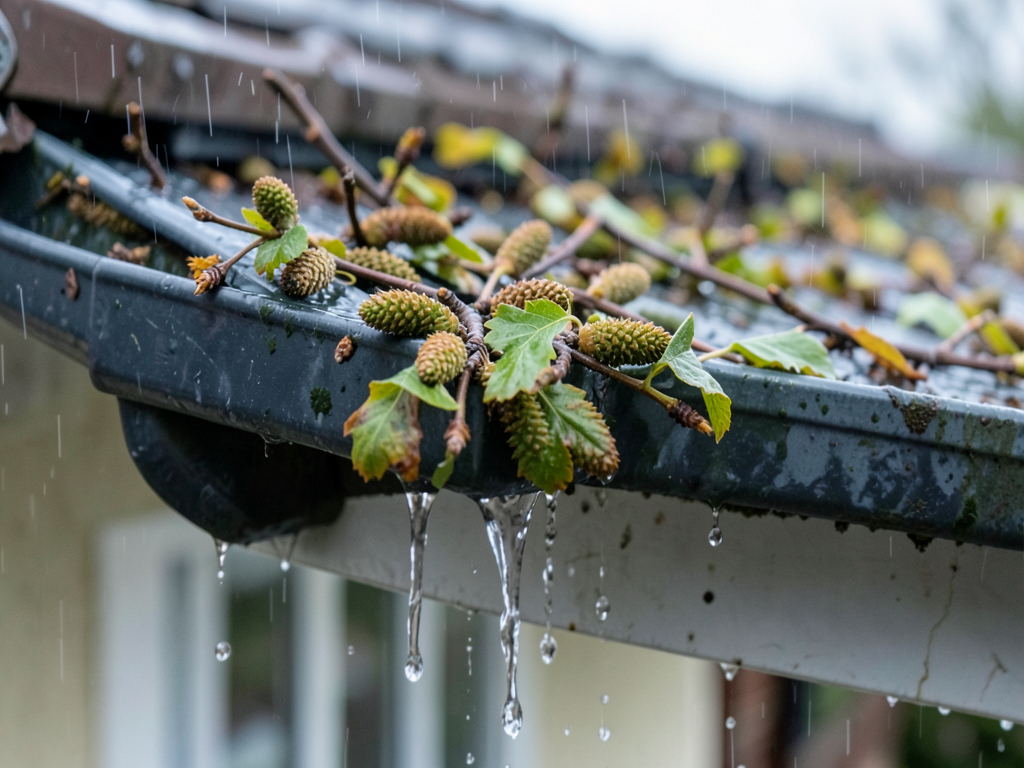
Photo of oak catkins clogging a residential gutter system, showing the fuzzy flower structures that create spring blockages before leaf drop begins.
Before and after comparison of a roof with severe moss growth under oak trees, showing the impact of professional cleaning on both appearance and shingle integrity.
Call (901) 669-7399 today to schedule your professional roof inspection and protect your River Oaks home from oak tree damage. Our local experts understand the specific challenges Memphis oak trees create and can recommend solutions tailored to your situation. Don’t wait until the next storm reveals hidden problems – take action now to extend your roof’s lifespan and protect your investment.
Pick up the phone and call (901) 669-7399 before the next storm hits. Our emergency response team is ready to provide immediate protection if oak limbs have already damaged your roof, and our preventative maintenance programs can help you avoid costly repairs in the future. Your River Oaks home deserves expert care from professionals who understand local conditions.
{
“@context”: “https://schema.org”,
“@type”: “BlogPosting”,
“headline”: “Managing Massive Oak Tree Debris and Leaf Clogs on Your River Oaks Roof”,
“description”: “Memphis oak tree debris causes roof damage and gutter clogs. Learn how to prevent tannin stains, acorn impact, and costly repairs in River Oaks with expert tips.”,
“wordCount”: 3342,
“datePublished”: “2026-06-12T06:47:00.000Z”,
“dateModified”: “2026-06-12T06:47:00.000Z”,
“inLanguage”: “en-US”,
“mainEntityOfPage”: {
“@type”: “WebPage”,
“@id”: “https://evergreenroofingmemphis.com”
},
“publisher”: {
“@type”: “LocalBusiness”,
“name”: “Evergreen Roofing Memphis”,
“url”: “https://evergreenroofingmemphis.com”
},
“author”: {
“@type”: “Organization”,
“name”: “Evergreen Roofing Memphis”,
“url”: “https://evergreenroofingmemphis.com”
},
“image”: {
“@type”: “ImageObject”,
“url”: “https://evergreenroofingmemphis.com/wp-content/uploads/2026/03/managing-massive-oak-tree-debris-and-leaf-clogs-on-1.png”
}
}
{
“@context”: “https://schema.org”,
“@type”: “RoofingContractor”,
“name”: “Evergreen Roofing Memphis”,
“url”: “https://evergreenroofingmemphis.com”,
“address”: {
“@type”: “PostalAddress”,
“addressLocality”: “Memphis”
},
“areaServed”: {
“@type”: “City”,
“name”: “Memphis”
}
}
{
“@context”: “https://schema.org”,
“@type”: “FAQPage”,
“mainEntity”: [
{
“@type”: “Question”,
“name”: “How often should I clean my gutters if I have oak trees near my River Oaks home?”,
“acceptedAnswer”: {
“@type”: “Answer”,
“text”: “During peak shedding seasons (spring for catkins, fall for leaves and acorns), gutters should be cleaned every 4-6 weeks. For the rest of the year, quarterly cleaning is typically sufficient. Installing quality gutter guards can reduce this frequency but won’t eliminate the need for periodic cleaning.”
}
},
{
“@type”: “Question”,
“name”: “Can oak tree tannins permanently stain my roof?”,
“acceptedAnswer”: {
“@type”: “Answer”,
“text”: “Yes, tannin stains can become permanent if left untreated for several years. The acid in tannins breaks down the asphalt binder and creates a surface that holds the stain. Professional cleaning within the first 2-3 years of staining can often remove it completely, but older stains may require shingle replacement.”
}
},
{
“@type”: “Question”,
“name”: “Should I remove oak trees that are close to my house?”,
“acceptedAnswer”: {
“@type”: “Answer”,
“text”: “Not necessarily. Many oak trees can be properly pruned to maintain safe clearances without removal. A certified arborist can assess whether pruning or removal is the better option based on tree health, age, and proximity to your home. Local permits may be required for tree removal in Memphis.”
}
},
{
“@type”: “Question”,
“name”: “How much does professional oak tree pruning cost in Memphis?”,
“acceptedAnswer”: {
“@type”: “Answer”,
“text”: “Professional pruning for oak trees near structures typically costs $300-800 depending on tree size, location, and the amount of work required. This cost is significantly less than repairing damage from falling limbs or addressing chronic roof problems caused by debris accumulation.”
}
},
{
“@type”: “Question”,
“name”: “What’s the best time of year to inspect my roof for oak tree damage?”,
“acceptedAnswer”: {
“@type”: “Answer”,
“text”: “Spring inspections catch winter damage before heavy rains begin, while fall inspections identify problems before holiday weather creates additional stress. However, inspections should also be conducted after any severe storm with high winds, as these events often cause immediate damage that requires prompt attention.”
}
}
]
}
{
“@context”: “https://schema.org”,
“@type”: “BreadcrumbList”,
“itemListElement”: [
{
“@type”: “ListItem”,
“position”: 1,
“name”: “Home”,
“item”: “https://evergreenroofingmemphis.com”
},
{
“@type”: “ListItem”,
“position”: 2,
“name”: “Blog”,
“item”: “https://evergreenroofingmemphis.com/blog”
},
{
“@type”: “ListItem”,
“position”: 3,
“name”: “Managing Massive Oak Tree Debris and Leaf Clogs on Your River Oaks Roof”
}
]
}
{
“@context”: “https://schema.org”,
“@type”: “Service”,
“serviceType”: “Roofing”,
“provider”: {
“@type”: “LocalBusiness”,
“name”: “Evergreen Roofing Memphis”,
“url”: “https://evergreenroofingmemphis.com”
},
“areaServed”: {
“@type”: “City”,
“name”: “Memphis”
},
“description”: “Memphis oak tree debris causes roof damage and gutter clogs. Learn how to prevent tannin stains, acorn impact, and costly repairs in River Oaks with expert tips.”
}