
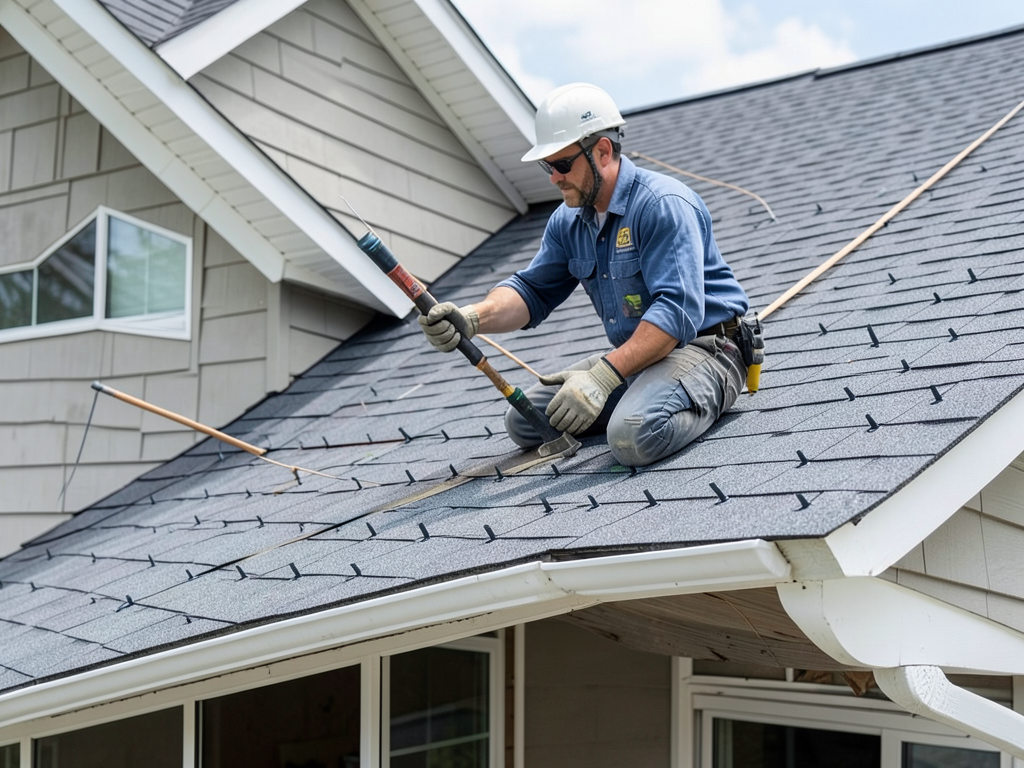
The best way to prepare your roof for the peak of West Tennessee tornado season
Memphis sits in “Dixie Alley,” where tornadoes strike more frequently than anywhere else in the country outside the traditional Tornado Alley. With peak season running from March through May, your roof faces the highest risk of wind uplift, hail damage, and flying debris. The good news is that proper preparation can mean the difference between minor repairs and catastrophic failure when the next storm hits. Flat Roof Repair & Restoration.
Strong winds don’t just rip off shingles. They create upward pressure that can separate your roof deck from the trusses, allowing water to pour into your attic. Hail the size of golf balls can shatter standard shingles, and even small debris becomes dangerous projectiles in 100+ mph winds. Understanding these forces helps you make smart decisions about materials and installation methods that actually work in Memphis conditions.. Read more about Why North Memphis Property Owners are Choosing Metal Roofing for Detached Garages.
Most homeowners think of tornadoes as rare events. But in Shelby County, we average 8-10 tornado warnings per year, with several touching down within the county lines. The enhanced Fujita scale classifies tornadoes from EF0 to EF5, with EF2 and above capable of significant structural damage. Your roof needs to withstand not just direct hits but the powerful winds that precede and follow a tornado’s path. Enhanced Fujita Scale and tornado classification.
Understanding Memphis tornado risks and wind patterns
Memphis experiences a unique combination of weather patterns that create ideal conditions for severe storms. The clash between warm Gulf moisture and cold Canadian air masses over the Mississippi River Valley produces violent thunderstorms. These storms often spawn tornadoes that follow predictable paths along river valleys and low-lying areas.. Read more about What New Residents Moving to Memphis Should Know About Roofing Maintenance in the Mid-South.
Wind speeds in Memphis-area tornadoes typically range from 110 to 165 mph during EF2 events. At these speeds, standard roofing installations fail quickly. The physics of wind uplift means that once a few shingles lift, the entire section can peel away like a banana. This exposes the underlayment and eventually the roof deck to direct wind pressure. Roofing Lakeland.
Historical data from the National Weather Service shows that Shelby County has experienced over 30 confirmed tornadoes since 2010, with damage patterns concentrated in specific areas. The Cordova corridor, East Memphis near Germantown Parkway, and the Lakeland-Oakland area see the highest frequency of severe weather events. This localized risk means preparation strategies should be tailored to your specific neighborhood’s exposure. Roofing Oakland.
Soil conditions in Memphis also affect roof performance. The region’s clay-heavy soil expands when wet and contracts when dry, causing subtle foundation shifts. These movements can stress roof-to-wall connections over time, making them more vulnerable to wind damage. Homes built on loess soil in areas like Midtown Memphis may experience different stress patterns than those on more stable ground in newer suburbs.
Can any roof truly be tornado-proof?
The honest answer is no roof can survive a direct hit from an EF4 or EF5 tornado. But that doesn’t mean preparation is pointless. Most Memphis-area tornadoes are EF0 to EF2, where properly installed, wind-resistant roofing can mean the difference between minor damage and major repairs.
Wind-resistant roofing focuses on three key areas: material strength, installation quality, and secondary protection systems. Class 4 impact-resistant shingles can survive hail up to 2 inches in diameter. Metal roofing with proper fastening can withstand winds up to 140 mph. But even the best materials fail if installed incorrectly.
The National Roofing Contractors Association recommends specific installation techniques for high-wind areas. These include six-nail fastening patterns instead of the standard four, reinforced starter strips, and enhanced sealing of shingle tabs. In Memphis, where wind uplift forces are significant, these details matter more than the material choice alone.
Secondary protection systems include hurricane clips that tie the roof deck to the wall structure, enhanced underlayment that provides a secondary water barrier, and proper flashing details that prevent water intrusion at vulnerable points. These systems work together to create a roof assembly that performs as a unit rather than as individual components.
Insurance companies recognize the value of wind-resistant roofing. Many offer premium discounts of 10-20% for homes with certified wind-resistant installations. In Tennessee, the Fortified Home standard from the Insurance Institute for Business & Home Safety provides a recognized benchmark for tornado-resistant construction. Insurance Institute for Business & Home Safety.
Top-rated materials for wind resistance in Memphis
Standing seam metal roofing offers the highest wind resistance available for residential applications. When properly installed with concealed fasteners and reinforced seams, these systems can withstand winds up to 140 mph. The interlocking panels prevent uplift, and the smooth surface sheds debris effectively. However, metal roofing requires specialized installation and costs 2-3 times more than asphalt shingles.
Class 4 impact-resistant asphalt shingles provide an excellent balance of performance and cost for most Memphis homeowners. These shingles feature polymer-modified asphalt and reinforced fiberglass mats that resist both hail damage and wind uplift. The best products carry a UL 2218 Class 4 impact rating and an ASTM D3161 Class F wind rating (up to 110 mph).
Synthetic slate and composite shingles offer another option for homeowners seeking premium performance. These materials combine the aesthetic appeal of natural slate with enhanced impact resistance and lighter weight. Most synthetic products carry wind ratings of 110-130 mph and Class 4 impact ratings. They work particularly well on homes with steep pitches common in East Memphis and Germantown. Slate & Synthetic Slate Roofing.
For flat commercial roofs common in Downtown Memphis and the Medical District, modified bitumen and single-ply membranes provide excellent wind resistance. These systems use fully adhered or mechanically fastened installation methods that resist uplift better than traditional built-up roofing. The smooth surfaces also shed debris more effectively during high winds.
Material comparison becomes clearer when you consider the total cost of ownership. While premium materials cost more upfront, they often pay for themselves through reduced maintenance, longer lifespan, and insurance savings. The table below compares key performance metrics for common roofing materials in Memphis conditions.
| Material Type | Wind Rating (mph) | Impact Rating | Typical Lifespan | Cost per Square |
|---|---|---|---|---|
| Standing Seam Metal | 140+ | Class 4 | 40-50 years | $800-1,200 |
| Class 4 Asphalt | 110 | Class 4 | 25-30 years | $350-500 |
| Synthetic Slate | 130 | Class 4 | 30-40 years | $450-650 |
| Modified Bitumen | 120 | Class 3 | 20-25 years | $250-350 |
Critical installation techniques for Memphis homes
Material selection matters less than installation quality when it comes to wind resistance. Even the best shingles fail if nailed incorrectly or if the roof deck isn’t properly secured. The International Building Code requires specific fastening patterns for high-wind areas, but many contractors cut corners to save time and money.
Six-nail fastening patterns provide significantly better wind resistance than the standard four-nail method. Each additional nail increases the holding power by approximately 20%. For Memphis homes, where wind speeds can exceed 100 mph, this extra security prevents the initial shingle lift that leads to catastrophic failure.
High-wind starter shingles create a secure edge that resists uplift along the roof perimeter. Standard starter strips often fail first because they bear the brunt of wind pressure. Reinforced starters with enhanced adhesive strips provide a much stronger initial barrier against wind infiltration.
Synthetic underlayment offers superior protection compared to traditional felt paper. While felt absorbs water and can tear in high winds, synthetic materials maintain their integrity even when exposed to moisture. They also provide better traction for workers during installation, reducing the risk of accidents that can compromise the roof’s weather-tightness.
Roof deck attachment becomes critical in older Memphis homes, particularly those built before modern building codes. Many homes in Midtown and Downtown areas have decks nailed rather than screwed to the trusses. During high winds, these nails can pull out, allowing the entire roof section to lift. Adding hurricane clips or ring-shank nails during re-roofing provides essential reinforcement.
Flashing details often determine whether a roof survives a severe storm. Valley flashing, chimney flashing, and wall flashing must be installed with proper overlaps and sealed with compatible sealants. In Memphis’s high-humidity environment, using the wrong sealant can lead to premature failure and water intrusion.
The “screwdriver test” reveals installation quality. A qualified inspector can check several shingles by lifting them slightly. If more than 10% lift easily, the adhesive strips aren’t bonding properly, indicating poor installation temperature control or low-quality materials. This simple test predicts how the roof will perform in high winds.
Memphis building codes and insurance advantages
Shelby County follows the International Building Code with local amendments specific to West Tennessee conditions. The current code requires enhanced wind resistance for homes in Wind Zone III, which includes all of Shelby County. This means minimum design wind speeds of 120 mph for new construction and major renovations.
Roof deck attachment requirements specify ring-shank nails or screws at specific spacing, typically 6 inches along edges and 12 inches in the field. Older homes often don’t meet these standards, making them more vulnerable to wind damage. A professional inspection can identify whether your home needs structural upgrades to meet current codes. Roof Inspection Checklist.
Permit requirements in Memphis include detailed roof plans showing fastening patterns, material specifications, and underlayment details. The Division of Planning and Development reviews these plans to ensure compliance with wind zone requirements. Skipping permits or using non-compliant materials can void insurance coverage if damage occurs.
Insurance companies offer premium discounts for roofs that meet or exceed code requirements. The Fortified Home standard, developed by the Insurance Institute for Business & Home Safety, provides a recognized certification that can reduce premiums by 20-35%. This standard includes specific requirements for roof deck attachment, underlayment, and flashing details.
Tennessee law requires insurance companies to offer discounts for impact-resistant roofing in areas prone to hail damage. Class 4 shingles qualify for these discounts, which can offset much of the additional cost compared to standard shingles. The savings typically range from 13-15% on annual premiums.
Documentation becomes important for insurance claims and discounts. Keep records of material specifications, installation methods, and any upgrades made to meet wind-resistant standards. Many insurance companies require this documentation to process claims quickly and to verify discount eligibility.
Case study: Memphis storm survival through preparation
A home in the Cordova area experienced a direct hit from an EF1 tornado in April 2025. The storm produced winds of approximately 110 mph and hail up to 1.5 inches in diameter. Three neighboring homes suffered major roof damage, with shingles torn off and water pouring into attics. The prepared home, however, sustained only minor damage.
The key difference was preparation. The homeowner had installed Class 4 impact-resistant shingles with a six-nail fastening pattern two years earlier. The roof featured synthetic underlayment and enhanced starter strips along all edges. Hurricane clips secured the roof deck to the wall structure, and all flashing details were installed to exceed code requirements.
During the storm, the enhanced installation prevented the initial shingle lift that typically cascades into widespread failure. While some shingle tabs lifted slightly, the six-nail pattern and enhanced adhesive strips held firm. The synthetic underlayment prevented water intrusion even where the top layer of shingles experienced minor damage.
The total repair cost for the prepared home was approximately $2,500, compared to $15,000-$25,000 for the neighboring homes that required complete roof replacements. The homeowner’s insurance company processed the claim within 48 hours and covered the full cost because the installation met all code requirements and manufacturer specifications.
This case demonstrates that preparation pays off. The initial investment in wind-resistant materials and proper installation saved the homeowner thousands of dollars and prevented the stress and inconvenience of a major repair project. It also highlights the importance of choosing qualified contractors who understand local wind patterns and building requirements.
Emergency preparedness and post-storm response
Even with the best preparation, severe storms can cause unexpected damage. Having an emergency plan helps you respond quickly and minimize secondary damage from water intrusion. Keep a roof tarp, utility knife, and cordless drill readily accessible. These tools allow you to make temporary repairs that prevent further damage until professional help arrives.
Document your roof’s condition before storm season with photos showing any existing damage or wear patterns. This documentation helps insurance adjusters assess new damage accurately and prevents disputes about pre-existing conditions. Store these photos in cloud storage where you can access them from any device.
After a storm, inspect your roof from the ground using binoculars. Look for missing shingles, damaged flashing, or debris accumulation in valleys. Don’t walk on a storm-damaged roof, as weakened areas can collapse under your weight. If you see signs of damage, contact a qualified roofing contractor immediately.
Be wary of storm chasers who appear after severe weather events. These contractors often use high-pressure sales tactics and substandard materials. Verify licensing, insurance, and local references before hiring anyone. A legitimate contractor will provide a detailed written estimate and won’t demand large upfront payments.
Document all damage with photos and videos before making any repairs. This documentation supports insurance claims and helps contractors provide accurate estimates. Keep receipts for any emergency repairs, as these costs may be reimbursable under your policy.
Consider joining a neighborhood network for storm preparedness. Neighbors can share information about contractor reliability, document damage patterns across multiple properties, and coordinate emergency response efforts. This collective approach often leads to better outcomes and lower costs for everyone involved.
Maintenance strategies for year-round protection
Regular maintenance extends your roof’s life and maintains its wind resistance. Clean gutters and downspouts prevent water backup that can damage fascia and soffits. Trim tree branches that could fall on your roof during storms. Remove moss and algae growth that can trap moisture and accelerate shingle deterioration.
Inspect your roof twice yearly, ideally in spring and fall. Look for loose or damaged shingles, rusted flashing, and signs of water infiltration in the attic. Check pipe boots and vent seals, as these rubber components deteriorate faster in Memphis’s heat and UV exposure.
Address small problems promptly. A missing shingle or damaged flashing might seem minor, but these vulnerabilities can lead to major failures during the next storm. The cost of preventive repairs is always less than emergency repairs after storm damage occurs.
Consider a professional inspection every two to three years. A qualified roofer can identify issues that aren’t visible from the ground and recommend maintenance strategies specific to your home’s age and construction. This proactive approach often prevents costly emergency repairs.
Keep records of all maintenance and repairs. This documentation helps track your roof’s condition over time and provides valuable information for insurance claims or when selling your home. It also helps identify patterns that might indicate developing problems.
Memphis’s climate creates unique maintenance challenges. High humidity promotes algae and moss growth, while intense summer heat causes asphalt shingles to expand and contract. Understanding these local factors helps you choose appropriate maintenance strategies and materials that perform well in our specific conditions.
Taking action before the next storm hits
Don’t wait until tornado season is underway to prepare your roof. The time to act is now, before the first severe storm of the year. A professional inspection can identify vulnerabilities and recommend specific upgrades that will protect your home when storms strike.
Quality roofing contractors in Memphis understand local wind patterns, building codes, and insurance requirements. They can recommend materials and installation methods that provide the best protection for your specific home and budget. Look for contractors with local references, proper licensing, and experience with wind-resistant installations.
The cost of preparation varies based on your home’s current condition and the level of protection you want. Simple upgrades like enhanced underlayment or improved flashing might cost a few hundred dollars, while a complete wind-resistant re-roof could run several thousand. But compared to the cost of storm damage repairs, these investments often pay for themselves.
Insurance discounts for wind-resistant roofing can offset much of the preparation cost over time. Combine these savings with the peace of mind that comes from knowing your home is better protected, and the decision to prepare becomes much easier.
Call (901) 669-7399 today to schedule your roof inspection. Our experienced team understands Memphis’s unique weather challenges and can recommend specific strategies to protect your home. Don’t wait until the next storm warning to discover your roof isn’t ready.
Frequently Asked Questions
How much does wind-resistant roofing cost compared to standard roofing?
Wind-resistant roofing typically costs 15-30% more than standard installations. However, insurance discounts, longer lifespan, and reduced maintenance often offset this premium within 5-7 years. The exact cost depends on your home’s size, current roof condition, and the specific upgrades needed.
Can I upgrade my existing roof to be more wind-resistant?
Yes, many upgrades can improve your existing roof’s wind resistance. These include adding hurricane clips, installing enhanced underlayment, replacing damaged flashing, and applying roof sealant to vulnerable areas. A professional inspection can identify which upgrades will provide the most benefit for your specific situation.
How long does it take to install wind-resistant roofing?
Most residential installations take 1-3 days, depending on your home’s size and the specific materials chosen. Complex roofs or those requiring structural upgrades may take longer. Your contractor should provide a detailed timeline and explain any factors that could affect the schedule.
Will wind-resistant roofing increase my home’s value?
Yes, wind-resistant roofing can increase your home’s value by 3-5% on average. Buyers appreciate the reduced maintenance costs and insurance savings. In tornado-prone areas like Memphis, this feature often becomes a selling point that helps your home stand out in the market.
What should I look for in a roofing contractor for wind-resistant installations?
Look for contractors with specific experience in wind-resistant installations, proper licensing and insurance, local references, and knowledge of Memphis building codes. Ask about their experience with hurricane clips, enhanced underlayment, and other wind-resistant techniques. A reputable contractor will provide detailed written estimates and explain their installation methods.
Don’t wait for the next storm to test your roof’s strength. Call (901) 669-7399 now to schedule your professional inspection. Our team has protected Memphis homes for years and understands exactly what it takes to withstand our severe weather. Pick up the phone and call (901) 669-7399 before the next storm hits.
{
“@context”: “https://schema.org”,
“@type”: “BlogPosting”,
“headline”: “The best way to prepare your roof for the peak of West Tennessee tornado season”,
“description”: “Protect your Memphis home from severe storms with proven roofing strategies. Learn wind-resistant materials, critical installation techniques, and how to lower insurance costs.”,
“wordCount”: 3022,
“datePublished”: “2026-05-25T13:13:00.000Z”,
“dateModified”: “2026-05-25T13:13:00.000Z”,
“inLanguage”: “en-US”,
“mainEntityOfPage”: {
“@type”: “WebPage”,
“@id”: “https://evergreenroofingmemphis.com”
},
“publisher”: {
“@type”: “LocalBusiness”,
“name”: “Evergreen Roofing Memphis”,
“url”: “https://evergreenroofingmemphis.com”
},
“author”: {
“@type”: “Organization”,
“name”: “Evergreen Roofing Memphis”,
“url”: “https://evergreenroofingmemphis.com”
},
“image”: {
“@type”: “ImageObject”,
“url”: “https://evergreenroofingmemphis.com/wp-content/uploads/2026/03/the-best-way-to-prepare-your-roof-for-the-peak-of-1.png”
}
}
{
“@context”: “https://schema.org”,
“@type”: “RoofingContractor”,
“name”: “Evergreen Roofing Memphis”,
“url”: “https://evergreenroofingmemphis.com”,
“address”: {
“@type”: “PostalAddress”,
“addressLocality”: “Memphis”
},
“areaServed”: {
“@type”: “City”,
“name”: “Memphis”
}
}
{
“@context”: “https://schema.org”,
“@type”: “FAQPage”,
“mainEntity”: [
{
“@type”: “Question”,
“name”: “Can any roof truly be tornado-proof?”,
“acceptedAnswer”: {
“@type”: “Answer”,
“text”: “The honest answer is no roof can survive a direct hit from an EF4 or EF5 tornado. But that doesn’t mean preparation is pointless. Most Memphis-area tornadoes are EF0 to EF2, where properly installed, wind-resistant roofing can mean the difference between minor damage and major repairs.”
}
},
{
“@type”: “Question”,
“name”: “How much does wind-resistant roofing cost compared to standard roofing?”,
“acceptedAnswer”: {
“@type”: “Answer”,
“text”: “Wind-resistant roofing typically costs 15-30% more than standard installations. However, insurance discounts, longer lifespan, and reduced maintenance often offset this premium within 5-7 years. The exact cost depends on your home’s size, current roof condition, and the specific upgrades needed.”
}
},
{
“@type”: “Question”,
“name”: “Can I upgrade my existing roof to be more wind-resistant?”,
“acceptedAnswer”: {
“@type”: “Answer”,
“text”: “Yes, many upgrades can improve your existing roof’s wind resistance. These include adding hurricane clips, installing enhanced underlayment, replacing damaged flashing, and applying roof sealant to vulnerable areas. A professional inspection can identify which upgrades will provide the most benefit for your specific situation.”
}
},
{
“@type”: “Question”,
“name”: “How long does it take to install wind-resistant roofing?”,
“acceptedAnswer”: {
“@type”: “Answer”,
“text”: “Most residential installations take 1-3 days, depending on your home’s size and the specific materials chosen. Complex roofs or those requiring structural upgrades may take longer. Your contractor should provide a detailed timeline and explain any factors that could affect the schedule.”
}
},
{
“@type”: “Question”,
“name”: “Will wind-resistant roofing increase my home’s value?”,
“acceptedAnswer”: {
“@type”: “Answer”,
“text”: “Yes, wind-resistant roofing can increase your home’s value by 3-5% on average. Buyers appreciate the reduced maintenance costs and insurance savings. In tornado-prone areas like Memphis, this feature often becomes a selling point that helps your home stand out in the market.”
}
},
{
“@type”: “Question”,
“name”: “What should I look for in a roofing contractor for wind-resistant installations?”,
“acceptedAnswer”: {
“@type”: “Answer”,
“text”: “Look for contractors with specific experience in wind-resistant installations, proper licensing and insurance, local references, and knowledge of Memphis building codes. Ask about their experience with hurricane clips, enhanced underlayment, and other wind-resistant techniques. A reputable contractor will provide detailed written estimates and explain their installation methods.”
}
}
]
}
{
“@context”: “https://schema.org”,
“@type”: “BreadcrumbList”,
“itemListElement”: [
{
“@type”: “ListItem”,
“position”: 1,
“name”: “Home”,
“item”: “https://evergreenroofingmemphis.com”
},
{
“@type”: “ListItem”,
“position”: 2,
“name”: “Blog”,
“item”: “https://evergreenroofingmemphis.com/blog”
},
{
“@type”: “ListItem”,
“position”: 3,
“name”: “The best way to prepare your roof for the peak of West Tennessee tornado season”
}
]
}
{
“@context”: “https://schema.org”,
“@type”: “Service”,
“serviceType”: “Roofing”,
“provider”: {
“@type”: “LocalBusiness”,
“name”: “Evergreen Roofing Memphis”,
“url”: “https://evergreenroofingmemphis.com”
},
“areaServed”: {
“@type”: “City”,
“name”: “Memphis”
},
“description”: “Protect your Memphis home from severe storms with proven roofing strategies. Learn wind-resistant materials, critical installation techniques, and how to lower insurance costs.”
}