
The difference between OSB and plywood decking for new roofs in the humid Memphis climate
Choosing the right roof decking material in Memphis means understanding how high humidity, heavy rainfall, and intense summer heat affect wood-based sheathing. Oriented Strand Board (OSB) and CDX plywood are the two most common options for residential roof decks in Tennessee, but they perform very differently under the Mid-South climate. OSB is typically more affordable and provides a consistent surface, while plywood offers superior moisture resistance and dimensional stability when exposed to repeated wet-dry cycles. For Memphis homeowners, the decision impacts not just initial cost but long-term durability, especially on north-facing slopes where shade promotes moss and algae growth. Tennessee Valley Authority (TVA).
Why Your Roof Decking Matters in the Mid-South Climate
The Memphis area experiences average annual humidity levels above 70%, with summer heat indexes often exceeding 100°F. These conditions create a perfect environment for wood rot, delamination, and fastener corrosion if the wrong decking material is installed. Roof decking serves as the structural base for shingles and must withstand constant thermal expansion and contraction. In Tennessee, building codes require specific thickness and span ratings based on rafter spacing to ensure the deck can handle both dead loads and wind uplift during severe thunderstorms common in this region. Storm Damage Roof Inspection and Repair in Bartlett.
Moisture management is critical in Memphis because the combination of high humidity and occasional heavy downpours can trap water against the deck if underlayment fails. This is why many local contractors recommend radiant barrier sheathing in new construction—it reflects heat and reduces attic temperatures by up to 30°F, lowering cooling costs during Memphis summers. The Tennessee Valley Authority (TVA) even offers rebates for energy-efficient roofing materials that meet certain R-value standards. Roofing Lakeland.
Top 3 Roof Decking Materials Used in Tennessee
Memphis roofing professionals typically choose from three main decking materials, each with distinct advantages for the local climate. The selection depends on budget, roof pitch, and whether the home is in a historic district or a new suburban development. Understanding these options helps homeowners make informed decisions during the re-roofing process.. Read more about What homeowners in the Pinch District need to know about rooftop deck waterproof membranes.
1. OSB (Oriented Strand Board): The Cost-Effective Standard
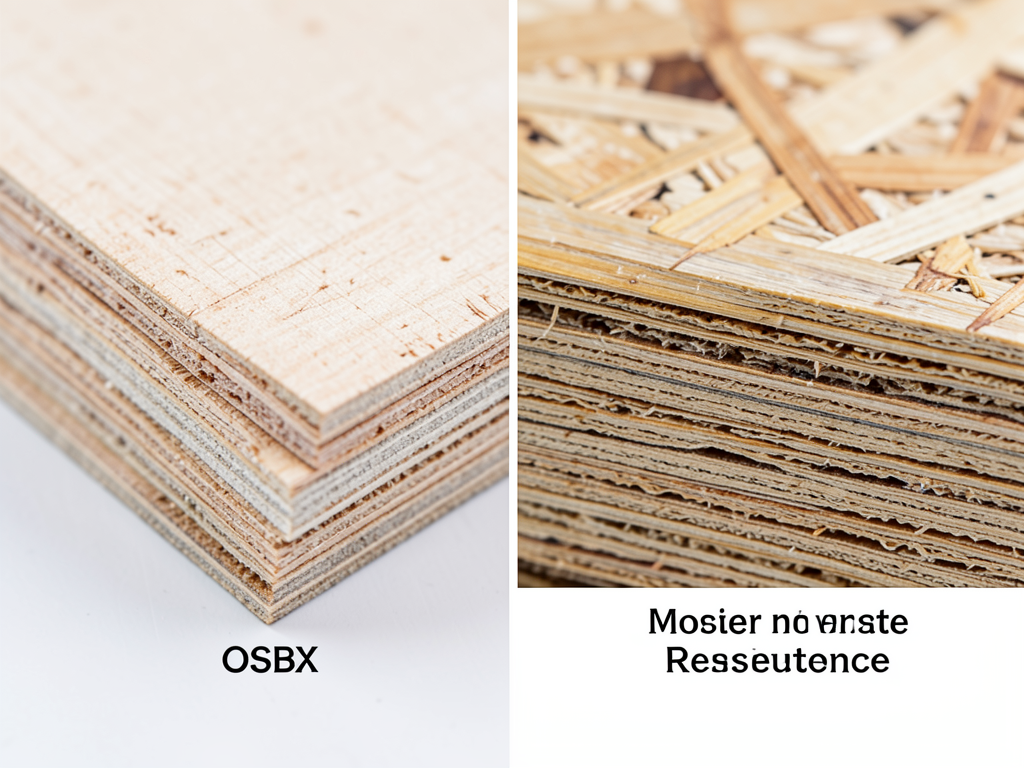
OSB is engineered from wood strands bonded with resin under heat and pressure. It costs about 15-20% less than plywood and provides a smooth, knot-free surface. In Memphis, 7/16-inch OSB is common for roofs with rafters spaced 16 inches on center. However, OSB absorbs moisture more readily than plywood and swells at the edges when wet, which can cause buckling if not properly protected by underlayment.
During a recent inspection in East Memphis, our team found north-facing OSB decks showing edge swelling after just three years—a classic sign of moisture intrusion in shaded areas. The fix required replacing affected sections before installing new shingles. OSB also has a lower shear strength than plywood, making it slightly less resistant to high winds during Memphis thunderstorms.. Read more about The pros and cons of installing a solar attic fan to vent your hot Cordova attic.
2. CDX Plywood: Enhanced Moisture Resistance
CDX plywood consists of thin wood veneers with exterior glue, rated for exposure to moisture. The “C” and “D” grades indicate the quality of the face and back veneers, while the “X” means it can handle limited moisture exposure. For Memphis roofs, 1/2-inch or 5/8-inch CDX plywood is standard, with the thicker option required for 24-inch rafter spacing under Shelby County building codes.
Plywood performs better than OSB in Memphis’s humid climate because it dries faster and maintains dimensional stability. The cross-laminated layers resist warping and delamination even after repeated wetting. During a roof replacement in Midtown Memphis, we discovered that century-old CDX plywood underlayment remained structurally sound despite decades of heat and humidity—something rarely seen with OSB of similar age.
3. Radiant Barrier Sheathing: Fighting the Memphis Heat
Radiant barrier roof sheathing features a reflective foil layer laminated to OSB or plywood. This technology is particularly valuable in Memphis, where summer cooling costs can account for 60% of annual energy bills. The barrier reflects up to 97% of radiant heat, keeping attics cooler and reducing strain on HVAC systems.
A study by the University of Tennessee found that homes with radiant barrier decking in West Tennessee saved an average of $150 annually on cooling costs. The material costs 10-15% more upfront but pays for itself within 5-7 years in Memphis’s climate. For new construction in Lakeland or Oakland suburbs, radiant barrier sheathing is becoming the standard recommendation from energy consultants.
Tennessee Building Codes & Decking Requirements
Shelby County and the state of Tennessee follow the International Building Code (IBC) with local amendments for wind zones and snow loads. For roof decking, the code specifies minimum thickness based on rafter spacing and material type. OSB must be 7/16-inch thick for 16-inch on-center spacing, while plywood requires only 3/8-inch for the same span. For 24-inch spacing, both materials need to be 5/8-inch thick. International Code Council (ICC).
The code also mandates H-clips between panels on spans over 16 inches to prevent sagging. These metal clips support the long edges of sheathing panels and are critical in Memphis’s climate where thermal expansion can cause buckling. During a recent inspection in Cordova, we found several homes built before 2010 missing these clips—a common deficiency that compromises roof integrity during heavy winds.. Read more about Solving the problem of sagging rooflines in older Soulsville homes before they collapse.
Memphis requires roofing permits for all new installations and major repairs. The permit process includes verification that decking meets span tables and that fasteners are properly spaced. For historic homes in Central Gardens, additional approvals may be needed to ensure materials match the original construction while meeting modern safety standards. Get a Fast Quote for Roof Leak Repair in Cordova.
Signs Your Tennessee Roof Deck Needs Replacement
Roof decking failure often starts subtly but accelerates quickly in Memphis’s climate. Homeowners should watch for several warning signs that indicate the deck needs attention before a complete roof failure occurs. Early detection can prevent costly interior damage and extend the life of the entire roofing system.
Soft spots when walking on the roof indicate rotted decking—press firmly with a screwdriver in suspect areas. If the tool penetrates easily, the wood has lost structural integrity. This is particularly common on north-facing slopes in Memphis where shade prevents quick drying after rain. Another red flag is visible sagging between rafters, which suggests the deck can no longer support its intended load.
During a storm damage assessment in Bartlett, we found water stains on interior ceilings that traced back to delaminated decking allowing moisture through nail holes. The fix required replacing entire sections of the deck rather than just patching. Homes built before 2000 often have thinner decking (3/8-inch) that fails prematurely under today’s heavier shingle weights and more frequent severe weather events.
Local Cost Factors for Roof Decking in Memphis
Roof decking costs in Memphis vary based on material choice, home size, and accessibility. OSB typically costs $0.30-0.40 per square foot, while CDX plywood runs $0.40-0.50 per square foot. Radiant barrier options add $0.15-0.25 per square foot but provide energy savings that offset the initial investment.
Labor costs for decking installation in Memphis average $1.50-2.50 per square foot, depending on roof complexity and whether old decking needs removal. Historic homes in Midtown often cost more due to the need for custom cuts and careful handling of existing structures. Homes in newer suburbs like Lakeland benefit from simpler roof designs that reduce installation time.
Insurance considerations also affect decking choices. Some Memphis insurance providers offer premium discounts for homes with enhanced wind mitigation features, including properly installed radiant barrier sheathing. After the 2023 tornado season, we saw increased demand for impact-resistant decking options that could qualify for additional coverage benefits.
Call (901) 669-7399 today to schedule your inspection. Our team can assess your current decking condition and recommend the best material for your Memphis home’s specific needs.
Frequently Asked Questions
Which decking material lasts longer in Memphis humidity?
Plywood typically outlasts OSB in Memphis’s humid climate by 5-10 years. The cross-laminated structure resists moisture-related swelling and delamination better than OSB’s strand composition. However, both materials perform well when properly installed with quality underlayment and adequate ventilation.
Can I install new shingles over existing decking?
Building codes in Shelby County generally allow one layer of shingles over existing decking if the deck is structurally sound. However, if the deck shows signs of rot, warping, or water damage, complete replacement is necessary. Installing over compromised decking voids most manufacturer warranties and risks premature roof failure.
How thick should roof decking be for Memphis homes?
For standard 16-inch rafter spacing, 7/16-inch OSB or 3/8-inch plywood meets code requirements. For 24-inch spacing, both materials require 5/8-inch thickness. Homes in historic districts or those with heavy architectural shingles may need thicker decking to support the additional weight.
Does radiant barrier decking really save money in Memphis?
Yes, radiant barrier decking can reduce cooling costs by 10-15% in Memphis homes. The energy savings typically offset the higher material cost within 5-7 years. TVA studies show the greatest benefits in homes with large roof areas facing south or west, where afternoon sun exposure is highest.
Pick up the phone and call (901) 669-7399 before the next storm hits. Our Memphis roofing experts will help you choose the right decking material to protect your home for decades to come.. Read more about Choosing the right under-shingle water shield for the heavy rains of the Mid-South.
{
“@context”: “https://schema.org”,
“@type”: “BlogPosting”,
“headline”: “The difference between OSB and plywood decking for new roofs in the humid Memphis climate”,
“description”: “Discover the key differences between OSB and plywood roof decking for Memphis homes. Learn which material resists moisture better in Tennessee’s humid climate.”,
“wordCount”: 1541,
“datePublished”: “2026-05-20T06:48:00.000Z”,
“dateModified”: “2026-05-20T06:48:00.000Z”,
“inLanguage”: “en-US”,
“mainEntityOfPage”: {
“@type”: “WebPage”,
“@id”: “https://evergreenroofingmemphis.com”
},
“publisher”: {
“@type”: “LocalBusiness”,
“name”: “Evergreen Roofing Memphis”,
“url”: “https://evergreenroofingmemphis.com”
},
“author”: {
“@type”: “Organization”,
“name”: “Evergreen Roofing Memphis”,
“url”: “https://evergreenroofingmemphis.com”
},
“image”: {
“@type”: “ImageObject”,
“url”: “https://evergreenroofingmemphis.com/wp-content/uploads/2026/03/the-difference-between-osb-and-plywood-decking-for-1.png”
}
}
{
“@context”: “https://schema.org”,
“@type”: “RoofingContractor”,
“name”: “Evergreen Roofing Memphis”,
“url”: “https://evergreenroofingmemphis.com”,
“address”: {
“@type”: “PostalAddress”,
“addressLocality”: “Memphis”
},
“areaServed”: {
“@type”: “City”,
“name”: “Memphis”
}
}
{
“@context”: “https://schema.org”,
“@type”: “FAQPage”,
“mainEntity”: [
{
“@type”: “Question”,
“name”: “Which decking material lasts longer in Memphis humidity?”,
“acceptedAnswer”: {
“@type”: “Answer”,
“text”: “Plywood typically outlasts OSB in Memphis’s humid climate by 5-10 years. The cross-laminated structure resists moisture-related swelling and delamination better than OSB’s strand composition. However, both materials perform well when properly installed with quality underlayment and adequate ventilation.”
}
},
{
“@type”: “Question”,
“name”: “Can I install new shingles over existing decking?”,
“acceptedAnswer”: {
“@type”: “Answer”,
“text”: “Building codes in Shelby County generally allow one layer of shingles over existing decking if the deck is structurally sound. However, if the deck shows signs of rot, warping, or water damage, complete replacement is necessary. Installing over compromised decking voids most manufacturer warranties and risks premature roof failure.”
}
},
{
“@type”: “Question”,
“name”: “How thick should roof decking be for Memphis homes?”,
“acceptedAnswer”: {
“@type”: “Answer”,
“text”: “For standard 16-inch rafter spacing, 7/16-inch OSB or 3/8-inch plywood meets code requirements. For 24-inch spacing, both materials require 5/8-inch thickness. Homes in historic districts or those with heavy architectural shingles may need thicker decking to support the additional weight.”
}
},
{
“@type”: “Question”,
“name”: “Does radiant barrier decking really save money in Memphis?”,
“acceptedAnswer”: {
“@type”: “Answer”,
“text”: “Yes, radiant barrier decking can reduce cooling costs by 10-15% in Memphis homes. The energy savings typically offset the higher material cost within 5-7 years. TVA studies show the greatest benefits in homes with large roof areas facing south or west, where afternoon sun exposure is highest.”
}
}
]
}
{
“@context”: “https://schema.org”,
“@type”: “BreadcrumbList”,
“itemListElement”: [
{
“@type”: “ListItem”,
“position”: 1,
“name”: “Home”,
“item”: “https://evergreenroofingmemphis.com”
},
{
“@type”: “ListItem”,
“position”: 2,
“name”: “Blog”,
“item”: “https://evergreenroofingmemphis.com/blog”
},
{
“@type”: “ListItem”,
“position”: 3,
“name”: “The difference between OSB and plywood decking for new roofs in the humid Memphis climate”
}
]
}
{
“@context”: “https://schema.org”,
“@type”: “Service”,
“serviceType”: “Roofing”,
“provider”: {
“@type”: “LocalBusiness”,
“name”: “Evergreen Roofing Memphis”,
“url”: “https://evergreenroofingmemphis.com”
},
“areaServed”: {
“@type”: “City”,
“name”: “Memphis”
},
“description”: “Discover the key differences between OSB and plywood roof decking for Memphis homes. Learn which material resists moisture better in Tennessee’s humid climate.”
}