
HOA Roofing Rules in Collierville and Arlington: What Every Homeowner Needs to Know
Living in a planned community in Collierville or Arlington means your roof replacement requires approval from your Homeowners Association before any work begins. These suburban Memphis neighborhoods maintain strict architectural standards to preserve property values and neighborhood aesthetics. Understanding the approval process can save you from costly fines, forced rework, or project delays.
Collierville and Arlington HOAs typically review roofing proposals through their Architectural Review Committees, which evaluate materials, colors, and installation methods to ensure compliance with community guidelines. The process involves submitting detailed plans, material samples, and contractor information for board approval before obtaining your Shelby County building permit. Shelby County Building Permits.
Most HOAs in these areas require approval within 14-30 days, though timelines vary by community. Starting the approval process early prevents delays during Memphis’s busy storm season when roofers are in high demand. Working with a contractor familiar with local HOA requirements streamlines the entire process. Residential Roofers Specializing in Historic Homes in Central Gardens.
Common Roofing Restrictions in Collierville and Arlington HOAs
HOAs in these Memphis suburbs enforce specific guidelines that affect every aspect of your roofing project. Understanding these restrictions before selecting materials prevents costly surprises. Roofing Lakeland.
Material requirements typically specify architectural shingles over 3-tab options due to durability and appearance standards. Many communities require Class 4 impact-resistant shingles to withstand Memphis’s frequent hailstorms and high winds. Some neighborhoods mandate specific manufacturers or product lines that match existing roofs in the area. Storm Damage Roof Inspection and Repair in Bartlett.
Color restrictions focus on maintaining neighborhood harmony. Earth tones, grays, and browns dominate approved palettes, while bright colors or unusual patterns face rejection. HOAs often provide color boards showing acceptable options from approved manufacturers. Dark colors absorb heat in Memphis’s intense summer climate, potentially affecting energy efficiency requirements.
Installation standards address underlayment requirements, flashing details, and ventilation specifications. Many HOAs exceed minimum building code requirements for wind resistance, especially in areas near open fields or along major thoroughfares where wind speeds increase. Proper attic ventilation prevents moisture buildup in Memphis’s humid climate, a key concern for architectural review boards.
Outbuilding and accessory structure requirements extend roofing rules to detached garages, sheds, and pool houses. These structures must match the primary residence in material and color, creating a cohesive property appearance. Some communities require architectural shingles on all structures, while others allow more economical options for outbuildings.
Tennessee State Law vs. HOA Authority
Tennessee law provides specific protections for homeowners while maintaining HOA authority over architectural decisions. Understanding these legal boundaries helps navigate the approval process effectively. Tennessee Homeowners’ Association Act.
The Tennessee Homeowners’ Association Act grants HOAs broad authority to regulate exterior modifications, including roofing, as long as restrictions are clearly documented in covenants. However, state law requires HOAs to process applications within reasonable timeframes and provide written decisions with specific reasons for denial.
Tennessee’s solar access laws create interesting conflicts with HOA restrictions. While HOAs can regulate roof appearance, they cannot prohibit solar panel installation if the homeowner meets specific requirements. This becomes relevant when considering solar shingles or integrating solar technology with new roofing projects.
Emergency repair provisions allow homeowners to address active leaks or storm damage without prior approval, though permanent repairs must still comply with HOA standards. This protects property from immediate damage while maintaining long-term community standards. Documentation of emergency work remains important for future compliance verification. Get a Fast Quote for Roof Leak Repair in Cordova.
Insurance claim processes intersect with HOA requirements when storm damage necessitates roof replacement. Many HOAs require specific documentation from insurance adjusters and may need to approve contractor selections before work begins. Understanding these requirements prevents delays in insurance claim resolution.
Step-by-Step: Getting Your Roof Approved by a Memphis ARC
The Architectural Review Committee process follows specific steps that vary slightly between communities but maintain consistent elements across Collierville and Arlington neighborhoods.
- Gather Required Documents
Request your HOA’s design guidelines and application forms. Most communities require site plans, elevation drawings, material specifications, color samples, and contractor information. Include your Shelby County property tax ID number for verification.
- Submit Complete Application
Provide all required documentation in the specified format. Missing information causes delays or rejection. Include manufacturer specifications, warranty information, and installation details. Many HOAs require physical color samples rather than digital images.
- Wait for Review Period
HOAs typically take 14-30 days for review, though some communities process applications faster. During peak seasons, timelines extend due to board meeting schedules. Follow up if you haven’t received acknowledgment within one week of submission.
- Address Questions or Concerns
ARC boards often request additional information or clarification. Respond promptly with detailed answers. Common concerns include wind ratings, fire resistance, and color compatibility with neighboring homes.
- Receive Final Approval
Written approval specifies approved materials, colors, and any special conditions. Keep this document for permit application and contractor reference. Some approvals require annual renewal or expire after specific timeframes.
Working with experienced contractors familiar with local HOA requirements streamlines this process significantly. They understand which materials and colors commonly receive approval and can prepare applications that meet ARC expectations.
Specific HOA Highlights in Collierville and Arlington
Different communities within these areas maintain varying standards that affect roofing choices and approval processes.
Collierville’s historic district imposes additional restrictions on roofing materials and colors to maintain architectural integrity. Traditional materials like slate or cedar shake may be required for certain home styles, while modern architectural shingles need specific color approval. The review process often takes longer due to historic preservation considerations.
Newer developments in Arlington typically enforce more uniform standards, requiring specific manufacturers and color palettes across entire neighborhoods. These communities often maintain online portals for application submission and tracking, streamlining the approval process for homeowners.
Master-planned communities may have additional requirements beyond individual HOA rules. These can include energy efficiency standards, wind resistance specifications, or material recycling requirements that affect contractor selection and project planning.
Age-restricted communities often prioritize low-maintenance materials and specific installation methods that reduce future repair needs. These requirements can affect material selection and contractor qualifications for roofing projects. Flat Roof Repair & Restoration.
How Your Contractor Should Help with HOA Approval
Choosing the right roofing contractor significantly impacts your success with HOA approval processes. Professional contractors provide specific services that streamline approval and ensure compliance.
Experienced contractors maintain relationships with local HOA boards and understand common approval patterns. They know which materials and colors typically receive approval in specific communities and can guide homeowners toward choices that meet both aesthetic and practical requirements.
Professional contractors provide comprehensive documentation packages including manufacturer specifications, installation details, warranty information, and insurance certificates. Many HOAs require proof of liability insurance and worker’s compensation coverage before approving any exterior modifications.
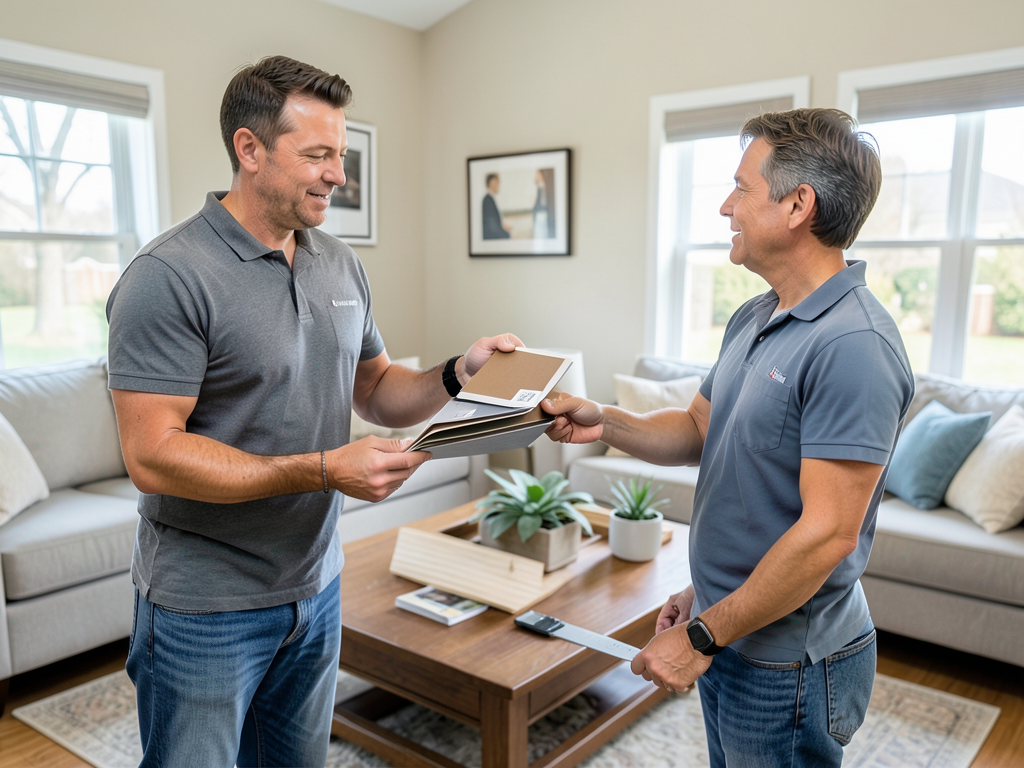
Sample boards showing actual material colors and textures help ARC boards visualize the finished project. Digital images often fail to accurately represent how materials appear in natural light, making physical samples crucial for approval. Contractors should provide these samples as part of their proposal process.
Permit coordination services ensure your roofing project meets both HOA requirements and Shelby County building codes. Contractors familiar with local requirements can identify potential conflicts between HOA restrictions and code requirements before submission, preventing costly rework.
Insurance claim coordination becomes critical when storm damage necessitates roof replacement. Contractors experienced with HOA processes can communicate effectively with insurance adjusters and HOA boards, ensuring all parties understand requirements and timelines.
Memphis Weather Considerations and HOA Durability Standards
Memphis’s climate creates specific durability requirements that HOAs must balance with aesthetic concerns. Understanding these weather challenges helps explain why certain materials receive preference.
Memphis experiences frequent severe thunderstorms with wind speeds exceeding 60 mph during spring and summer months. HOAs often require Class 3 or 4 wind-rated shingles to withstand these conditions. The National Weather Service reports an average of 50+ thunderstorm days annually in the Memphis area.
Hail damage poses significant risks to roofing materials. The Mid-South experiences numerous hail events each year, with stones often exceeding one inch in diameter. Impact-resistant shingles with Class 4 ratings provide protection against hail damage while meeting many HOA durability requirements.
High humidity levels in Memphis create moisture management challenges that affect roofing performance. Proper attic ventilation and moisture barriers become critical for preventing mold growth and material degradation. Many HOAs require specific ventilation ratios and moisture management systems that exceed basic building code requirements.
Extreme summer heat causes asphalt shingle expansion and contraction, potentially leading to premature aging. Light-colored or reflective roofing materials can reduce heat absorption, though many HOAs restrict these options for aesthetic reasons. Balancing energy efficiency with appearance requirements often requires compromise.
Common HOA Roofing Violations and Consequences
Understanding common violations helps homeowners avoid costly mistakes during roofing projects. Many violations occur due to misunderstanding requirements or rushing the approval process.
Installing materials without prior approval represents the most frequent violation. Homeowners often select roofing materials based on contractor recommendations or personal preference without checking HOA restrictions. This leads to forced removal, fines, or expensive material replacement to achieve compliance.
Color mismatches create another common violation when digital images fail to accurately represent final appearance. What appears acceptable on a screen may clash with neighborhood standards when installed. Physical color samples and professional color consultation prevent these issues.
Installation method violations occur when contractors unfamiliar with HOA requirements use techniques that don’t meet community standards. This includes improper underlayment installation, inadequate flashing details, or ventilation systems that don’t meet HOA specifications.
Consequences for violations range from warnings to substantial fines. Most HOAs impose daily fines until violations are corrected, which can accumulate rapidly. Some communities require homeowners to bear the cost of removing and replacing non-compliant roofing, potentially doubling project expenses.
Legal action represents the most severe consequence for persistent violations. HOAs can file lawsuits to enforce compliance, potentially leading to liens against the property or forced sale in extreme cases. Understanding requirements before starting prevents these costly legal battles.
Emergency Repairs Within HOA Frameworks
Memphis’s severe weather creates situations requiring immediate roof repairs that may conflict with standard HOA approval processes. Understanding emergency provisions protects both property and compliance status.
Active leaks or structural damage qualify as emergencies under most HOA documents. Homeowners can initiate temporary repairs to prevent further damage without prior approval, though permanent repairs must still meet HOA standards. Document all emergency work thoroughly for future compliance verification.
Storm damage often requires rapid response to prevent secondary damage from water infiltration. Many HOAs maintain emergency contact procedures for board members who can provide after-hours approval for necessary repairs. Establishing these contacts before emergencies occur saves valuable response time.
Insurance claim requirements may conflict with HOA approval processes during emergencies. Some insurance policies require immediate mitigation to prevent further damage, while HOAs may need time for review. Clear communication between all parties prevents delays that could void insurance coverage.
Documentation becomes crucial for emergency repairs. Take photos of damage before repairs, keep all receipts and work orders, and notify your HOA as soon as practical. This documentation proves the emergency nature of work and supports future permanent repair approvals.
Cost Factors for HOA-Compliant Roofing Projects
HOA requirements often increase roofing project costs through material restrictions, approval processes, and compliance verification. Understanding these cost factors helps with budgeting and contractor selection.
Material costs increase when HOAs require specific manufacturers or product lines. Premium architectural shingles meeting HOA durability standards typically cost 20-40% more than basic 3-tab options. Some communities mandate premium underlayment or ventilation systems that add $1,000-$3,000 to project costs.
Approval process fees vary by community but typically range from $100-$500 for initial review. Some HOAs charge additional fees for revisions or expedited processing. These fees are separate from permit costs and contractor fees.
Contractor expertise premiums reflect the value of experience with local HOA requirements. Contractors familiar with specific community standards often charge 10-15% more than those without this expertise. However, this premium often saves money by preventing approval delays and material mistakes.
Timeline impacts affect overall project costs through extended planning periods and potential weather delays. Starting the approval process early prevents costly rush fees or premium pricing during peak seasons when roofers are busiest.
Insurance considerations affect both material selection and contractor requirements. Some HOAs mandate specific insurance coverage levels or require additional insured endorsements that increase contractor overhead and project costs.
Timeline Expectations for HOA Roofing Projects
Understanding realistic timelines prevents frustration and helps coordinate other home improvement projects. HOA roofing projects typically require 4-12 weeks from initial application to project completion.
Application preparation takes 1-2 weeks when gathering all required documentation and coordinating with contractors. This includes obtaining material specifications, color samples, and contractor insurance information. Rushing this phase often leads to incomplete applications and approval delays.
ARC review periods vary significantly by community but typically require 14-30 days. Some HOAs meet monthly, while others review applications as submitted. Following up after one week ensures your application remains active in the review queue.
Permit acquisition adds 1-3 weeks after HOA approval, depending on Shelby County building department workload. Some contractors handle permit applications as part of their services, while others require homeowners to manage this step.
Weather considerations affect both approval timelines and installation scheduling. Memphis’s storm season creates peak demand for roofing services, potentially extending wait times for both approvals and installation. Planning projects during slower seasons can reduce timelines significantly.
Post-installation inspections may be required by some HOAs to verify compliance with approved plans. These inspections add 2-7 days to project completion and may require contractor return visits if issues arise.
Frequently Asked Questions
How long does HOA roof approval take in Collierville and Arlington?
Most HOAs require 14-30 days for initial review, though some communities process applications faster. Factors affecting timeline include board meeting schedules, application completeness, and seasonal workload. Starting the process early prevents delays during peak roofing seasons.
Can I install solar shingles if my HOA restricts roofing materials?
Tennessee solar access laws protect your right to install solar technology, but HOAs can still regulate appearance and installation methods. Many communities now approve solar shingles that maintain traditional roof appearance while providing energy benefits. Check your specific HOA guidelines for solar provisions.
What happens if I install a new roof without HOA approval?
Installing roofing without approval typically results in fines, forced removal, or expensive rework to achieve compliance. Daily fines can accumulate rapidly, and some HOAs may file legal action for persistent violations. Always obtain written approval before starting any roofing project.
Do emergency roof repairs require HOA approval?
Emergency repairs to prevent active damage typically don’t require prior approval, but permanent repairs must still meet HOA standards. Document all emergency work and notify your HOA as soon as practical. Some communities maintain after-hours contact procedures for board members.
How much do HOA roofing requirements increase project costs?
HOA requirements typically add 20-40% to material costs through premium product requirements and 10-15% to contractor fees for expertise with local standards. Additional costs include approval fees, potential timeline extensions, and insurance requirements that may affect contractor selection.
Understanding and navigating HOA roofing restrictions in Collierville and Arlington requires careful planning and experienced guidance. These Memphis suburbs maintain strict standards to preserve community aesthetics and property values, but the approval process need not be overwhelming.
Working with contractors familiar with local HOA requirements streamlines the entire process from initial application through final inspection. Their expertise helps select materials that meet both HOA standards and durability requirements for Memphis’s challenging climate.
Starting your roofing project with proper planning prevents costly mistakes and delays. Gather all required documentation, submit complete applications, and maintain communication with your HOA throughout the process. This preparation ensures your new roof meets community standards while protecting your home from Memphis’s severe weather.
Ready to start your HOA-compliant roofing project? Call (901) 669-7399 today to schedule a consultation with our experienced team. We understand Collierville and Arlington HOA requirements and can guide you through the entire approval process, ensuring your new roof meets all community standards while providing lasting protection for your home.
Don’t let roofing restrictions delay your project. Our team handles everything from initial HOA applications to final inspections, making the process smooth and stress-free. Call (901) 669-7399 now to get started on your HOA-compliant roofing project.
{
“@context”: “https://schema.org”,
“@type”: “BlogPosting”,
“headline”: “Navigating HOA Roofing Restrictions in Collierville and Arlington Neighborhoods”,
“description”: “Learn how to navigate Collierville and Arlington HOA roofing rules. Understand approval processes, material restrictions, and local codes before starting your roof project.”,
“wordCount”: 2716,
“datePublished”: “2026-03-18T08:34:00.000Z”,
“dateModified”: “2026-03-18T08:34:00.000Z”,
“inLanguage”: “en-US”,
“mainEntityOfPage”: {
“@type”: “WebPage”,
“@id”: “https://evergreenroofingmemphis.com”
},
“publisher”: {
“@type”: “LocalBusiness”,
“name”: “Evergreen Roofing Memphis”,
“url”: “https://evergreenroofingmemphis.com”
},
“author”: {
“@type”: “Organization”,
“name”: “Evergreen Roofing Memphis”,
“url”: “https://evergreenroofingmemphis.com”
},
“image”: {
“@type”: “ImageObject”,
“url”: “https://evergreenroofingmemphis.com/wp-content/uploads/2026/03/navigating-hoa-roofing-restrictions-in-colliervill-1.png”
}
}
{
“@context”: “https://schema.org”,
“@type”: “RoofingContractor”,
“name”: “Evergreen Roofing Memphis”,
“url”: “https://evergreenroofingmemphis.com”,
“address”: {
“@type”: “PostalAddress”,
“addressLocality”: “Memphis”
},
“areaServed”: {
“@type”: “City”,
“name”: “Memphis”
}
}
{
“@context”: “https://schema.org”,
“@type”: “FAQPage”,
“mainEntity”: [
{
“@type”: “Question”,
“name”: “How long does HOA roof approval take in Collierville and Arlington?”,
“acceptedAnswer”: {
“@type”: “Answer”,
“text”: “Most HOAs require 14-30 days for initial review, though some communities process applications faster. Factors affecting timeline include board meeting schedules, application completeness, and seasonal workload. Starting the process early prevents delays during peak roofing seasons.”
}
},
{
“@type”: “Question”,
“name”: “Can I install solar shingles if my HOA restricts roofing materials?”,
“acceptedAnswer”: {
“@type”: “Answer”,
“text”: “Tennessee solar access laws protect your right to install solar technology, but HOAs can still regulate appearance and installation methods. Many communities now approve solar shingles that maintain traditional roof appearance while providing energy benefits. Check your specific HOA guidelines for solar provisions.”
}
},
{
“@type”: “Question”,
“name”: “What happens if I install a new roof without HOA approval?”,
“acceptedAnswer”: {
“@type”: “Answer”,
“text”: “Installing roofing without approval typically results in fines, forced removal, or expensive rework to achieve compliance. Daily fines can accumulate rapidly, and some HOAs may file legal action for persistent violations. Always obtain written approval before starting any roofing project.”
}
},
{
“@type”: “Question”,
“name”: “Do emergency roof repairs require HOA approval?”,
“acceptedAnswer”: {
“@type”: “Answer”,
“text”: “Emergency repairs to prevent active damage typically don’t require prior approval, but permanent repairs must still meet HOA standards. Document all emergency work and notify your HOA as soon as practical. Some communities maintain after-hours contact procedures for board members.”
}
},
{
“@type”: “Question”,
“name”: “How much do HOA roofing requirements increase project costs?”,
“acceptedAnswer”: {
“@type”: “Answer”,
“text”: “HOA requirements typically add 20-40% to material costs through premium product requirements and 10-15% to contractor fees for expertise with local standards. Additional costs include approval fees, potential timeline extensions, and insurance requirements that may affect contractor selection.”
}
}
]
}
{
“@context”: “https://schema.org”,
“@type”: “HowTo”,
“name”: “How to Get HOA Roof Approval”,
“step”: [
{
“@type”: “HowToStep”,
“position”: 1,
“name”: “Gather Required Documents”,
“text”: “Request your HOA’s design guidelines and application forms. Most communities require site plans, elevation drawings, material specifications, color samples, and contractor information. Include your Shelby County property tax ID number for verification.”
},
{
“@type”: “HowToStep”,
“position”: 2,
“name”: “Submit Complete Application”,
“text”: “Provide all required documentation in the specified format. Missing information causes delays or rejection. Include manufacturer specifications, warranty information, and installation details. Many HOAs require physical color samples rather than digital images.”
},
{
“@type”: “HowToStep”,
“position”: 3,
“name”: “Wait for Review Period”,
“text”: “HOAs typically take 14-30 days for review, though some communities process applications faster. During peak seasons, timelines extend due to board meeting schedules. Follow up if you haven’t received acknowledgment within one week of submission.”
},
{
“@type”: “HowToStep”,
“position”: 4,
“name”: “Address Questions or Concerns”,
“text”: “ARC boards often request additional information or clarification. Respond promptly with detailed answers. Common concerns include wind ratings, fire resistance, and color compatibility with neighboring homes.”
},
{
“@type”: “HowToStep”,
“position”: 5,
“name”: “Receive Final Approval”,
“text”: “Written approval specifies approved materials, colors, and any special conditions. Keep this document for permit application and contractor reference. Some approvals require annual renewal or expire after specific timeframes.”
}
],
“image”: “https://evergreenroofingmemphis.com/wp-content/uploads/2026/03/navigating-hoa-roofing-restrictions-in-colliervill-1.png”
}
{
“@context”: “https://schema.org”,
“@type”: “BreadcrumbList”,
“itemListElement”: [
{
“@type”: “ListItem”,
“position”: 1,
“name”: “Home”,
“item”: “https://evergreenroofingmemphis.com”
},
{
“@type”: “ListItem”,
“position”: 2,
“name”: “Blog”,
“item”: “https://evergreenroofingmemphis.com/blog”
},
{
“@type”: “ListItem”,
“position”: 3,
“name”: “Navigating HOA Roofing Restrictions in Collierville and Arlington Neighborhoods”
}
]
}
{
“@context”: “https://schema.org”,
“@type”: “Service”,
“serviceType”: “Roofing”,
“provider”: {
“@type”: “LocalBusiness”,
“name”: “Evergreen Roofing Memphis”,
“url”: “https://evergreenroofingmemphis.com”
},
“areaServed”: {
“@type”: “City”,
“name”: “Memphis”
},
“description”: “Learn how to navigate Collierville and Arlington HOA roofing rules. Understand approval processes, material restrictions, and local codes before starting your roof project.”
}