
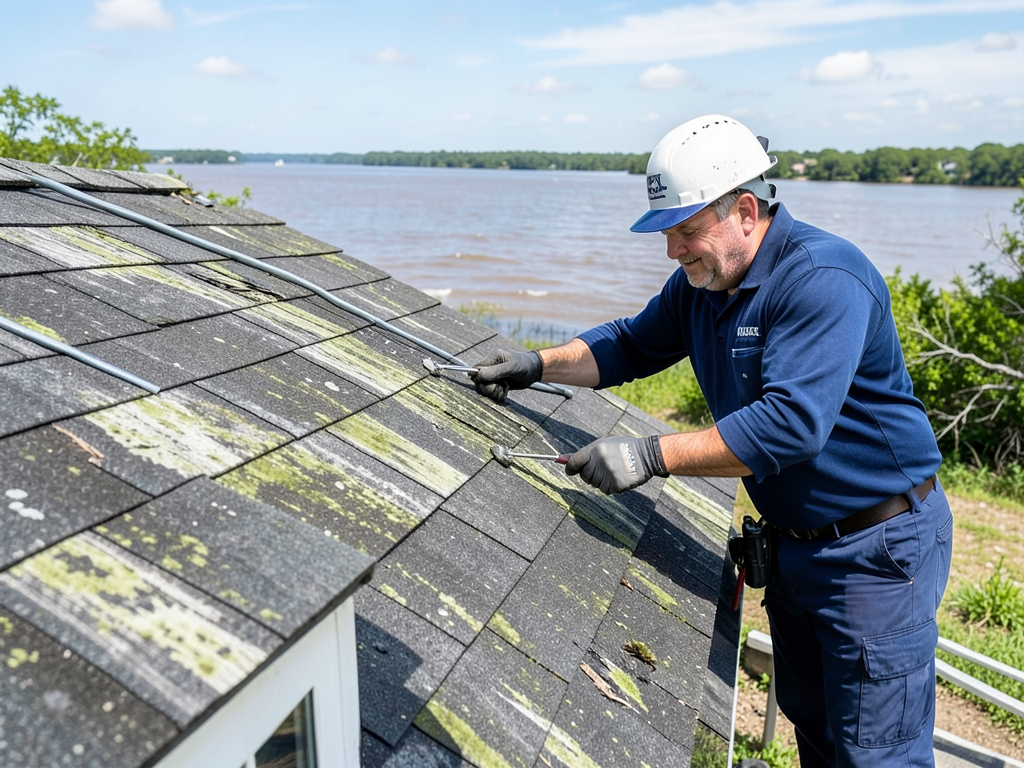
Roof Maintenance and Gutter Cleaning for Mud Island Residents
Your Mud Island home sits at the mercy of the Mississippi River’s humidity and wind patterns. These unique environmental factors create specific roofing challenges that require specialized knowledge and maintenance approaches. The combination of high moisture levels, salt-like air exposure, and occasional storm surges means your roof needs more than standard care—it needs riverfront-specific protection. Storm Damage Roof Inspection and Repair in Bartlett.
Mud Island homeowners face a constant battle against algae growth, wind-driven rain infiltration, and gutter systems overwhelmed by seasonal debris. The proximity to water means your roof experiences accelerated wear compared to properties further inland. Without proper maintenance, small issues become major problems that can lead to costly interior damage and structural compromise.
Common Roofing Issues Specific to Mud Island Properties
Riverfront properties develop unique problems that generic roofing contractors often miss. The constant humidity creates perfect conditions for algae and moss colonization on shingles. These organisms hold moisture against your roof surface, causing premature granule loss and material degradation. You might notice dark streaks running down your roof—that’s not dirt, it’s algae actively breaking down your roofing materials. Roofing Lakeland.
Wind patterns along the Mississippi create another challenge. The river valley acts as a wind tunnel, subjecting Mud Island homes to stronger gusts than surrounding areas. These winds lift shingle edges, creating entry points for water. During severe weather, wind-driven rain can penetrate even properly installed roofs through these tiny openings.
Another overlooked issue involves the salt-like minerals carried in river air. While not as corrosive as coastal salt spray, these minerals accumulate on metal components like flashing and fasteners. Over time, this buildup accelerates corrosion, leading to leaks around chimneys, vents, and valleys.
Professional Roof Inspection Process for Riverfront Homes
A proper inspection for Mud Island properties goes beyond basic visual checks. We start with a moisture meter scan across the roof deck to detect hidden water infiltration that might not show as stains yet. The instrument readings tell us where moisture is accumulating beneath the surface.
Next comes the detailed shingle examination. We look for granule loss patterns that indicate algae growth versus normal wear. We check for lifted edges caused by wind exposure and examine the condition of metal components for corrosion from mineral deposits. Each finding gets documented with photos and moisture readings.
The attic inspection proves critical for riverfront properties. We search for signs of moisture migration through the roof deck, checking for condensation patterns that indicate poor ventilation. The combination of high humidity outside and temperature differences inside creates perfect conditions for moisture accumulation in attic spaces.
Finally, we assess the roof’s age and remaining lifespan based on material type and local weather exposure. A 15-year-old asphalt shingle roof in Mud Island might have the wear equivalent of a 20-year-old roof in Cordova due to the harsher environmental conditions.
Comprehensive Gutter System Assessment and Cleaning
Gutter systems on Mud Island homes face unique challenges. The combination of river humidity and tree debris creates ideal conditions for clogs and overflows. During heavy rains, overwhelmed gutters can dump water directly against your foundation, causing basement leaks and soil erosion.
Our gutter cleaning process starts with complete debris removal. We clear leaves, twigs, and the fine sediment that accumulates from river air. This sediment, combined with moisture, forms a sludge that blocks water flow even in seemingly clean gutters.
We then test the entire system for proper drainage. Using a garden hose, we simulate heavy rain conditions and watch for overflow points, slow drainage areas, and leaks at seams or joints. We also check that downspouts direct water at least five feet away from your foundation—critical for riverfront properties where water table levels fluctuate.
Sagging gutters indicate failing hangers or brackets. We replace these with heavy-duty corrosion-resistant hardware designed to withstand the humid conditions. We also check for proper slope—gutters should decline at least 1/4 inch per 10 feet toward downspouts.
Riverfront-Specific Roof Repair Solutions
When repairs become necessary, Mud Island homes require materials and techniques that address local conditions. For algae damage, we use algae-resistant shingles with copper-infused granules that prevent future growth. These shingles cost more upfront but save money by extending your roof’s lifespan in humid conditions. EPA.
Wind damage repairs focus on securing loose shingles with roofing cement and replacing damaged ones with high-wind-rated materials. We use six nails per shingle instead of the standard four, and we apply extra roofing cement under shingle tabs in wind-prone areas. Get a Fast Quote for Roof Leak Repair in Cordova.
For corrosion issues around flashing and vents, we replace standard galvanized components with aluminum or copper alternatives. These metals resist the mineral deposits found in river air and provide longer service life. We also apply protective sealants specifically formulated for high-humidity environments.
Valley repairs require special attention on riverfront properties. These areas channel water and debris, making them vulnerable to accelerated wear. We install ice and water shield underlayment in valleys for added protection against wind-driven rain infiltration. Flat Roof Repair & Restoration.
Preventative Maintenance Schedule for Mud Island Homeowners
Regular maintenance prevents most major roofing problems. For Mud Island properties, we recommend biannual inspections—once in spring after winter storms and again in fall before heavy rains begin. These inspections catch small issues before they become expensive repairs.
Between professional inspections, watch for warning signs. Check your attic after heavy rains for new water stains or musty odors. Examine your yard for excessive shingle granules—this indicates accelerated wear. Look for algae streaks developing on your roof surface, especially on north-facing slopes where moisture lingers.
Gutter cleaning should occur at least twice yearly, more often if you have trees near your home. Clean gutters in late fall after leaves drop and again in early spring before heavy rains begin. Consider installing gutter guards to reduce maintenance frequency, though they still require periodic cleaning.
Trim tree branches that overhang your roof. In Mud Island’s humid climate, these branches drop leaves that trap moisture against shingles. They also provide pathways for pests and can damage shingles during storms.
Material Selection for Riverfront Roofing Projects
Choosing the right roofing material for Mud Island properties means balancing durability, cost, and aesthetics. Architectural asphalt shingles offer the best value for most homeowners. These dimensional shingles provide better wind resistance than three-tab varieties and include algae-resistant options specifically designed for humid climates.
For premium installations, metal roofing provides excellent longevity and wind resistance. Standing seam metal roofs can last 40-50 years in riverfront conditions and shed debris and snow effectively. The initial cost runs 2-3 times higher than asphalt but proves economical over the roof’s lifespan.
Tile and slate roofing work well in humid conditions but require structural assessment before installation. These heavy materials need proper support and expert installation to prevent cracking and water infiltration. They also cost significantly more than asphalt options. Slate & Synthetic Slate Roofing.
Synthetic roofing materials offer a middle ground. These composite products mimic the appearance of slate or wood shakes while providing better durability and lower weight than natural materials. They resist algae growth and handle wind exposure well, making them suitable for Mud Island conditions.
Cost Factors for Mud Island Roof Maintenance and Repairs
Roof maintenance costs in Mud Island reflect the specialized knowledge and materials required for riverfront conditions. Basic inspections run $150-300, while comprehensive evaluations with moisture scanning cost $300-500. These higher prices reflect the additional time and equipment needed to assess humidity-related issues.
Gutter cleaning services range from $150-400 depending on house height, gutter length, and debris volume. Homes with heavy tree coverage or complex rooflines cost more due to increased labor time. Gutter guard installation adds $6-10 per linear foot but reduces long-term cleaning frequency.
Repair costs vary widely based on damage extent and material requirements. Simple shingle replacement runs $150-300 per square, while wind damage repairs with high-wind-rated materials cost $250-400 per square. Corrosion-related repairs around flashing and vents typically cost $300-600 per location.
Full roof replacements for Mud Island homes average $7,000-15,000 for standard architectural shingles on a typical single-story home. Premium materials like metal or tile can double these costs. The higher end reflects the need for enhanced underlayment, specialized flashings, and algae-resistant materials.
Insurance Considerations for Riverfront Properties
Insurance companies recognize the unique risks facing Mud Island properties. Many policies include specific provisions for wind and water damage related to river conditions. Understanding these provisions helps you make informed decisions about maintenance and repairs.
Most policies cover sudden damage from storms but exclude gradual deterioration from humidity and algae growth. This means regular maintenance becomes your responsibility—not the insurance company’s. Document all maintenance work with photos and receipts to support claims when sudden damage occurs.
Wind damage claims require prompt attention. Insurance companies expect homeowners to take emergency measures to prevent further damage, such as tarping exposed areas. Keep your insurance company’s emergency contact information readily available and understand your policy’s reporting requirements.
Consider adding replacement cost coverage if your policy only provides actual cash value. This ensures you receive enough to replace your roof rather than just its depreciated value. The additional premium often proves worthwhile for riverfront properties where replacement costs run higher.
Choosing the Right Roofing Contractor for Mud Island Homes
Not all roofing contractors understand Mud Island’s unique challenges. Look for contractors with specific experience in riverfront properties and knowledge of local building codes. Ask about their familiarity with algae-resistant materials, high-wind installation techniques, and corrosion-resistant flashings.
Verify licensing and insurance credentials. Tennessee requires roofing contractors to carry general liability and workers’ compensation insurance. Request proof of both and verify coverage with the issuing companies. Check for any complaints with the Tennessee Board for Licensing Contractors.
Request references from other Mud Island or Harbor Town homeowners. Local references prove the contractor understands your specific environmental conditions and can handle the logistical challenges of working in a riverfront community.
Get detailed written estimates that specify materials, including brand names and product numbers. This documentation proves invaluable if warranty issues arise later. The estimate should also outline the preparation work, installation timeline, and cleanup procedures.
Emergency Response for Storm Damage
Memphis storms can strike suddenly, especially during spring and summer months. When high winds and heavy rain hit Mud Island, your roof becomes vulnerable to immediate damage. Knowing how to respond quickly can prevent thousands in additional damage.
After any severe storm, inspect your property from the ground. Look for missing shingles, damaged flashing, or debris accumulation. Check your attic for new water stains or daylight showing through roof boards. These signs indicate immediate problems requiring professional attention.
For active leaks, contain the water with buckets and move valuables away from affected areas. If possible, identify the leak source from inside the attic and mark it for the repair technician. This speeds up the repair process and reduces labor costs.
Emergency tarping prevents further damage while waiting for permanent repairs. Professional tarping services cost $200-500 but protect your home from additional water infiltration. Never attempt roof access during or immediately after storms due to slip hazards and potential structural damage.
Document all damage with photos before making temporary repairs. These images support insurance claims and help contractors assess the full extent of necessary repairs.
Long-Term Value Protection Strategies
Your roof represents a significant investment in your Mud Island home’s value and protection. Protecting this investment requires ongoing attention and occasional upgrades as materials and techniques improve.
Consider roof coating applications every 5-7 years for asphalt shingle roofs. These reflective coatings reduce heat absorption, extend shingle life, and improve energy efficiency. The coating costs $1,500-3,000 but can add 5-8 years to your roof’s functional lifespan.
Upgrade attic ventilation when replacing your roof. Proper ventilation reduces moisture accumulation and extends shingle life in humid conditions. Ridge vents, soffit vents, and powered attic fans work together to create continuous airflow that keeps your attic dry.
Install impact-resistant shingles if you’re concerned about hail damage. These Class 4 rated shingles withstand impacts that would damage standard shingles. While they cost 20-30% more, they often qualify for insurance discounts and provide better protection in severe weather.
Regular maintenance records prove valuable when selling your home. Buyers appreciate documented roof care and may pay premiums for well-maintained systems. Keep all inspection reports, repair invoices, and warranty information organized and accessible.
Frequently Asked Questions
How often should I have my Mud Island roof inspected?
Professional inspections should occur twice yearly—in spring after winter storms and fall before heavy rains. Between inspections, check your attic after severe weather and examine your roof surface annually for algae growth or damage.
What are the signs my gutters need cleaning?
Overflowing gutters during rain, sagging sections, water stains on exterior walls, and plant growth in gutters indicate cleaning is needed. Also watch for water pooling near your foundation after storms.
How long should a roof last in Mud Island’s climate?
Standard architectural shingles typically last 15-20 years in Mud Island conditions, compared to 20-25 years in less humid areas. Premium materials like metal or tile can last 30-50 years with proper maintenance.
Can I clean my own gutters safely?
Ground-level cleaning is safe, but roof access requires proper safety equipment and experience. Consider professional cleaning if your home is two stories or has steep roof pitches.
What causes those black streaks on my roof?
Those streaks are algae growth, specifically Gloeocapsa magma, which thrives in humid conditions. It feeds on limestone filler in shingles and can accelerate roof deterioration if left untreated.
How much does emergency tarping cost?
Professional emergency tarping typically costs $200-500 depending on roof size and damage extent. This temporary protection prevents further water damage while permanent repairs are arranged.
Should I replace my roof or repair it?
Consider replacement if your roof is over 15 years old, has widespread damage, or shows significant algae growth. Repairs make sense for localized damage on younger roofs with good overall condition.
Do I need special permits for roof work in Mud Island?
Most roofing repairs and replacements require permits from Shelby County. Your contractor should handle permit acquisition and ensure work meets local building codes.
How can I prevent algae growth on my roof?
Install algae-resistant shingles, trim overhanging tree branches, ensure proper attic ventilation, and consider periodic roof cleaning with algae-killing solutions. Zinc or copper strips along the ridge also help prevent growth.
What’s the best time of year for roof maintenance?
Spring and fall offer ideal conditions for roof work. Avoid extreme heat when shingles become pliable and winter when cold makes materials brittle. Schedule inspections before peak storm seasons.
How do I know if wind damaged my roof?
Look for missing or lifted shingles, damaged flashing, granule accumulation in gutters, and water stains in your attic. Wind damage often affects roof edges and corners most severely.
Can gutter guards eliminate cleaning needs?
Gutter guards reduce cleaning frequency but don’t eliminate it. They still require occasional cleaning to remove fine debris and check for proper function. Expect to clean guarded gutters every 2-3 years instead of annually.
What causes roof leaks around chimneys and vents?
Leaks typically result from failed flashing, cracked sealant, or corrosion around metal components. River air accelerates corrosion, making these areas particularly vulnerable on riverfront properties.
How do I choose between different roofing materials?
Consider your budget, desired lifespan, aesthetic preferences, and local conditions. Architectural shingles offer the best value for most homeowners, while metal provides superior durability for premium installations.
What should I ask a roofing contractor before hiring?
Ask about their experience with riverfront properties, licensing and insurance, local references, warranty offerings, cleanup procedures, and whether they handle permit acquisition. Get everything in writing.
How can I extend my roof’s lifespan?
Regular maintenance, prompt repairs, proper attic ventilation, algae prevention, and avoiding walking on the roof extend lifespan. Also ensure gutters function properly to prevent water backup under shingles.
What causes granules to accumulate in my gutters?
Granule loss indicates shingle deterioration from age, algae growth, or physical damage. While some granule loss is normal, excessive accumulation suggests your shingles are reaching the end of their useful life.
How do I prepare my roof for storm season?
Clean gutters, trim overhanging branches, check flashing and seals around penetrations, and ensure attic ventilation works properly. Consider professional inspection to identify potential vulnerabilities before storms hit.
What’s included in a professional roof inspection?
Professional inspections include exterior examination of shingles, flashing, and penetrations, interior attic assessment for moisture and ventilation issues, moisture scanning of roof deck, and detailed documentation with photos and recommendations.
How soon should I address roof problems?
Address roof issues immediately upon discovery. Small problems like lifted shingles or minor leaks can become major damage within weeks, especially during Memphis’s storm season. Quick action prevents costly interior damage.
- Schedule Biannual Inspections
Arrange professional roof inspections in spring and fall to catch seasonal damage and prepare for upcoming weather challenges.
- Clean Gutters Regularly
Clear gutters at least twice yearly, more often if trees surround your home, to prevent water backup and foundation damage.
- Monitor for Warning Signs
Check your attic after storms for water stains, examine your yard for excessive shingle granules, and watch for algae growth on roof surfaces.
- Address Issues Promptly
Repair minor damage immediately to prevent escalation. Small problems like lifted shingles can lead to major leaks within weeks.
- Maintain Proper Ventilation
Ensure attic vents remain clear and functional to reduce moisture accumulation that accelerates roof deterioration in humid conditions.
Protecting your Mud Island home requires understanding the unique challenges of riverfront living. The humidity, wind patterns, and mineral deposits from the Mississippi River create conditions that demand specialized knowledge and materials. Regular maintenance, prompt repairs, and choosing the right contractor make the difference between a roof that lasts 15 years and one that serves faithfully for 25 years.
Don’t wait for visible damage to appear. By then, water may already be compromising your home’s structure and interior. Schedule your professional roof inspection today and learn exactly what your Mud Island property needs to withstand the elements.
Call (901) 669-7399 today to schedule your inspection. Our team understands the specific challenges facing Mud Island homeowners and provides solutions that protect your investment for years to come.
Pick up the phone and call (901) 669-7399 before the next storm hits. Your roof protects everything you value—make sure it’s ready for whatever the Mississippi River valley throws at it. For more information, visit FEMA.
{
“@context”: “https://schema.org”,
“@type”: “BlogPosting”,
“headline”: “Roof Maintenance and Gutter Cleaning for Mud Island Residents”,
“description”: “Expert roof maintenance and gutter cleaning for Mud Island homes. Protect your riverfront property from Mississippi humidity, wind damage, and drainage issues with local specialists.”,
“wordCount”: 3079,
“datePublished”: “2026-02-26T07:19:00.000Z”,
“dateModified”: “2026-02-26T07:19:00.000Z”,
“inLanguage”: “en-US”,
“mainEntityOfPage”: {
“@type”: “WebPage”,
“@id”: “https://evergreenroofingmemphis.com”
},
“publisher”: {
“@type”: “LocalBusiness”,
“name”: “Evergreen Roofing Memphis”,
“url”: “https://evergreenroofingmemphis.com”
},
“author”: {
“@type”: “Organization”,
“name”: “Evergreen Roofing Memphis”,
“url”: “https://evergreenroofingmemphis.com”
},
“image”: {
“@type”: “ImageObject”,
“url”: “https://evergreenroofingmemphis.com/wp-content/uploads/2026/03/roof-maintenance-and-gutter-cleaning-for-mud-islan-1.png”
}
}
{
“@context”: “https://schema.org”,
“@type”: “RoofingContractor”,
“name”: “Evergreen Roofing Memphis”,
“url”: “https://evergreenroofingmemphis.com”,
“address”: {
“@type”: “PostalAddress”,
“addressLocality”: “Memphis”
},
“areaServed”: {
“@type”: “City”,
“name”: “Memphis”
}
}
{
“@context”: “https://schema.org”,
“@type”: “FAQPage”,
“mainEntity”: [
{
“@type”: “Question”,
“name”: “How often should I have my Mud Island roof inspected?”,
“acceptedAnswer”: {
“@type”: “Answer”,
“text”: “Professional inspections should occur twice yearly—in spring after winter storms and fall before heavy rains. Between inspections, check your attic after severe weather and examine your roof surface annually for algae growth or damage.”
}
},
{
“@type”: “Question”,
“name”: “What are the signs my gutters need cleaning?”,
“acceptedAnswer”: {
“@type”: “Answer”,
“text”: “Overflowing gutters during rain, sagging sections, water stains on exterior walls, and plant growth in gutters indicate cleaning is needed. Also watch for water pooling near your foundation after storms.”
}
},
{
“@type”: “Question”,
“name”: “How long should a roof last in Mud Island’s climate?”,
“acceptedAnswer”: {
“@type”: “Answer”,
“text”: “Standard architectural shingles typically last 15-20 years in Mud Island conditions, compared to 20-25 years in less humid areas. Premium materials like metal or tile can last 30-50 years with proper maintenance.”
}
},
{
“@type”: “Question”,
“name”: “Can I clean my own gutters safely?”,
“acceptedAnswer”: {
“@type”: “Answer”,
“text”: “Ground-level cleaning is safe, but roof access requires proper safety equipment and experience. Consider professional cleaning if your home is two stories or has steep roof pitches.”
}
},
{
“@type”: “Question”,
“name”: “What causes those black streaks on my roof?”,
“acceptedAnswer”: {
“@type”: “Answer”,
“text”: “Those streaks are algae growth, specifically Gloeocapsa magma, which thrives in humid conditions. It feeds on limestone filler in shingles and can accelerate roof deterioration if left untreated.”
}
},
{
“@type”: “Question”,
“name”: “How much does emergency tarping cost?”,
“acceptedAnswer”: {
“@type”: “Answer”,
“text”: “Professional emergency tarping typically costs $200-500 depending on roof size and damage extent. This temporary protection prevents further water damage while permanent repairs are arranged.”
}
},
{
“@type”: “Question”,
“name”: “Should I replace my roof or repair it?”,
“acceptedAnswer”: {
“@type”: “Answer”,
“text”: “Consider replacement if your roof is over 15 years old, has widespread damage, or shows significant algae growth. Repairs make sense for localized damage on younger roofs with good overall condition.”
}
},
{
“@type”: “Question”,
“name”: “Do I need special permits for roof work in Mud Island?”,
“acceptedAnswer”: {
“@type”: “Answer”,
“text”: “Most roofing repairs and replacements require permits from Shelby County. Your contractor should handle permit acquisition and ensure work meets local building codes.”
}
},
{
“@type”: “Question”,
“name”: “How can I prevent algae growth on my roof?”,
“acceptedAnswer”: {
“@type”: “Answer”,
“text”: “Install algae-resistant shingles, trim overhanging tree branches, ensure proper attic ventilation, and consider periodic roof cleaning with algae-killing solutions. Zinc or copper strips along the ridge also help prevent growth.”
}
},
{
“@type”: “Question”,
“name”: “What’s the best time of year for roof maintenance?”,
“acceptedAnswer”: {
“@type”: “Answer”,
“text”: “Spring and fall offer ideal conditions for roof work. Avoid extreme heat when shingles become pliable and winter when cold makes materials brittle. Schedule inspections before peak storm seasons.”
}
},
{
“@type”: “Question”,
“name”: “How do I know if wind damaged my roof?”,
“acceptedAnswer”: {
“@type”: “Answer”,
“text”: “Look for missing or lifted shingles, damaged flashing, granule accumulation in gutters, and water stains in your attic. Wind damage often affects roof edges and corners most severely.”
}
},
{
“@type”: “Question”,
“name”: “Can gutter guards eliminate cleaning needs?”,
“acceptedAnswer”: {
“@type”: “Answer”,
“text”: “Gutter guards reduce cleaning frequency but don’t eliminate it. They still require occasional cleaning to remove fine debris and check for proper function. Expect to clean guarded gutters every 2-3 years instead of annually.”
}
},
{
“@type”: “Question”,
“name”: “What causes roof leaks around chimneys and vents?”,
“acceptedAnswer”: {
“@type”: “Answer”,
“text”: “Leaks typically result from failed flashing, cracked sealant, or corrosion around metal components. River air accelerates corrosion, making these areas particularly vulnerable on riverfront properties.”
}
},
{
“@type”: “Question”,
“name”: “How do I choose between different roofing materials?”,
“acceptedAnswer”: {
“@type”: “Answer”,
“text”: “Consider your budget, desired lifespan, aesthetic preferences, and local conditions. Architectural shingles offer the best value for most homeowners, while metal provides superior durability for premium installations.”
}
},
{
“@type”: “Question”,
“name”: “What should I ask a roofing contractor before hiring?”,
“acceptedAnswer”: {
“@type”: “Answer”,
“text”: “Ask about their experience with riverfront properties, licensing and insurance, local references, warranty offerings, cleanup procedures, and whether they handle permit acquisition. Get everything in writing.”
}
},
{
“@type”: “Question”,
“name”: “How can I extend my roof’s lifespan?”,
“acceptedAnswer”: {
“@type”: “Answer”,
“text”: “Regular maintenance, prompt repairs, proper attic ventilation, algae prevention, and avoiding walking on the roof extend lifespan. Also ensure gutters function properly to prevent water backup under shingles.”
}
},
{
“@type”: “Question”,
“name”: “What causes granules to accumulate in my gutters?”,
“acceptedAnswer”: {
“@type”: “Answer”,
“text”: “Granule loss indicates shingle deterioration from age, algae growth, or physical damage. While some granule loss is normal, excessive accumulation suggests your shingles are reaching the end of their useful life.”
}
},
{
“@type”: “Question”,
“name”: “How do I prepare my roof for storm season?”,
“acceptedAnswer”: {
“@type”: “Answer”,
“text”: “Clean gutters, trim overhanging branches, check flashing and seals around penetrations, and ensure attic ventilation works properly. Consider professional inspection to identify potential vulnerabilities before storms hit.”
}
},
{
“@type”: “Question”,
“name”: “What’s included in a professional roof inspection?”,
“acceptedAnswer”: {
“@type”: “Answer”,
“text”: “Professional inspections include exterior examination of shingles, flashing, and penetrations, interior attic assessment for moisture and ventilation issues, moisture scanning of roof deck, and detailed documentation with photos and recommendations.”
}
},
{
“@type”: “Question”,
“name”: “How soon should I address roof problems?”,
“acceptedAnswer”: {
“@type”: “Answer”,
“text”: “Address roof issues immediately upon discovery. Small problems like lifted shingles or minor leaks can become major damage within weeks, especially during Memphis’s storm season. Quick action prevents costly interior damage.”
}
}
]
}
{
“@context”: “https://schema.org”,
“@type”: “HowTo”,
“name”: “How to Maintain Your Mud Island Roof”,
“step”: [
{
“@type”: “HowToStep”,
“position”: 1,
“name”: “Schedule Biannual Inspections”,
“text”: “Arrange professional roof inspections in spring and fall to catch seasonal damage and prepare for upcoming weather challenges.”
},
{
“@type”: “HowToStep”,
“position”: 2,
“name”: “Clean Gutters Regularly”,
“text”: “Clear gutters at least twice yearly, more often if trees surround your home, to prevent water backup and foundation damage.”
},
{
“@type”: “HowToStep”,
“position”: 3,
“name”: “Monitor for Warning Signs”,
“text”: “Check your attic after storms for water stains, examine your yard for excessive shingle granules, and watch for algae growth on roof surfaces.”
},
{
“@type”: “HowToStep”,
“position”: 4,
“name”: “Address Issues Promptly”,
“text”: “Repair minor damage immediately to prevent escalation. Small problems like lifted shingles can lead to major leaks within weeks.”
},
{
“@type”: “HowToStep”,
“position”: 5,
“name”: “Maintain Proper Ventilation”,
“text”: “Ensure attic vents remain clear and functional to reduce moisture accumulation that accelerates roof deterioration in humid conditions.”
}
],
“image”: “https://evergreenroofingmemphis.com/wp-content/uploads/2026/03/roof-maintenance-and-gutter-cleaning-for-mud-islan-1.png”
}
{
“@context”: “https://schema.org”,
“@type”: “BreadcrumbList”,
“itemListElement”: [
{
“@type”: “ListItem”,
“position”: 1,
“name”: “Home”,
“item”: “https://evergreenroofingmemphis.com”
},
{
“@type”: “ListItem”,
“position”: 2,
“name”: “Blog”,
“item”: “https://evergreenroofingmemphis.com/blog”
},
{
“@type”: “ListItem”,
“position”: 3,
“name”: “Roof Maintenance and Gutter Cleaning for Mud Island Residents”
}
]
}
{
“@context”: “https://schema.org”,
“@type”: “Service”,
“serviceType”: “Roofing”,
“provider”: {
“@type”: “LocalBusiness”,
“name”: “Evergreen Roofing Memphis”,
“url”: “https://evergreenroofingmemphis.com”
},
“areaServed”: {
“@type”: “City”,
“name”: “Memphis”
},
“description”: “Expert roof maintenance and gutter cleaning for Mud Island homes. Protect your riverfront property from Mississippi humidity, wind damage, and drainage issues with local specialists.”
}