
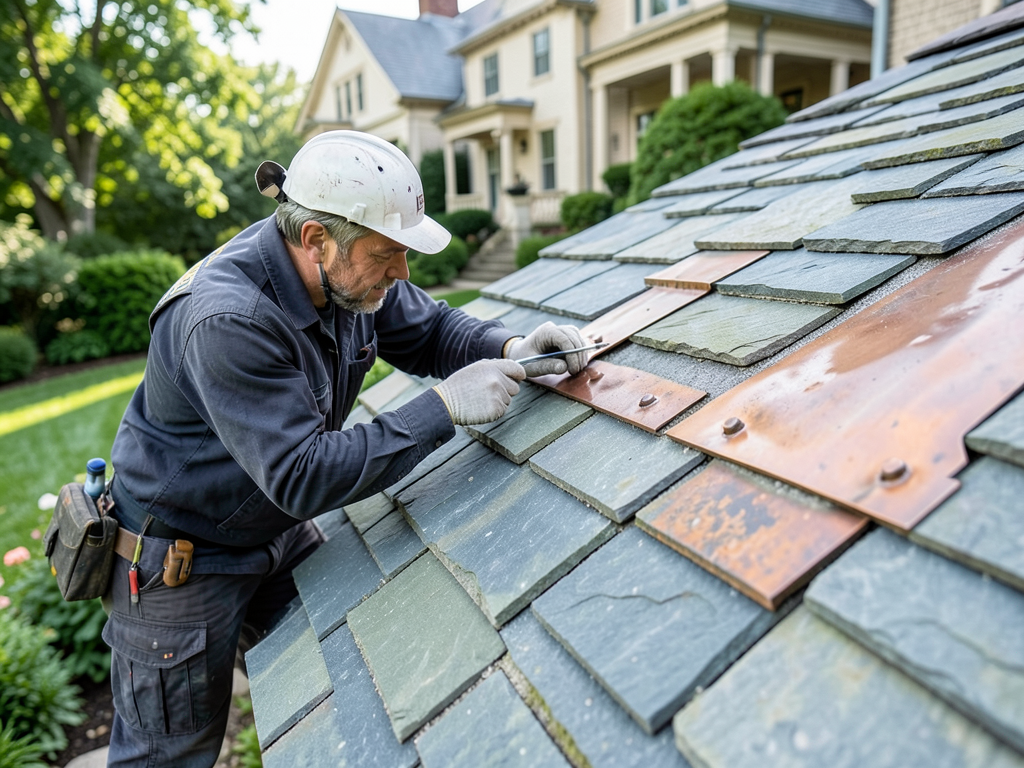
Residential Roofers Specializing in Historic Homes in Central Gardens
Central Gardens stands as one of Memphis’s most treasured historic districts with homes dating back to the early 1900s. These architectural gems require specialized roofing expertise that understands the delicate balance between preservation and modern performance. The humid Mid-South climate combined with century-old construction methods creates unique challenges that only experienced historic roofers can navigate. Memphis Landmarks Commission guidelines.
Homeowners in Central Gardens face specific threats to their historic roofs. Clay-rich Memphis soil causes foundation shifts that stress roof-to-wall connections. High humidity accelerates deterioration of traditional materials like wood shakes and slate. Severe thunderstorms with winds exceeding 60 mph test the integrity of aging structures. These factors demand a roofing contractor who understands both the aesthetic requirements of historic preservation and the technical demands of Mid-South weather patterns.. Read more about Trusted Slate and Tile Roof Repair in High Point Terrace.
The Memphis Landmarks Commission enforces strict guidelines for any exterior modifications in Central Gardens. Any roofing project must receive a Certificate of Appropriateness before work begins. This process ensures new materials match the original design intent while meeting current building codes. Working without proper approval can result in fines and mandatory restoration of unauthorized changes.
Preserving Memphis Heritage: Our Approach to Historic Roof Restoration
Historic roof restoration requires a methodical approach that begins with thorough documentation. We photograph every detail of the existing roof including flashing patterns, gutter configurations, and material conditions. This baseline documentation serves multiple purposes: it guides material selection, helps secure Landmarks Commission approval, and provides a record for future reference.
The restoration process starts with structural assessment. Many Central Gardens homes built before 1940 used lumber with higher moisture content than modern materials. This creates unique expansion and contraction patterns that affect roof decking. We use moisture meters at multiple depths to map problem areas before removing any materials. This diagnostic step prevents surprises during the restoration.
Material salvage represents a critical phase of historic restoration. Original slate tiles often retain 70% or more of their useful life. We carefully remove salvageable materials, catalog them by location, and clean them for reuse. This practice maintains the roof’s historical character while reducing project costs. Copper flashing from the early 1900s often proves superior to modern alternatives due to its thickness and natural patina development.
Ventilation systems in historic homes typically lack modern standards. Original designs relied on passive airflow through soffit and ridge gaps. We upgrade these systems to meet current requirements while maintaining visual authenticity. This includes installing hidden ridge vents and custom-fabricated soffit panels that match original profiles.
Material Expertise: Slate, Tile, and Copper
Natural slate remains the gold standard for historic roof restoration in Central Gardens. Vermont slate, commonly used in early 20th century Memphis construction, offers 75-100 year lifespans when properly installed. We source matching slate through salvage yards and specialty suppliers who understand historic preservation requirements. Each slate piece receives individual inspection for cracks, delamination, and thickness variations before installation.
Spanish clay tile represents another common historic material in Central Gardens. These tiles develop characteristic weathering patterns over decades that new tiles cannot replicate. We maintain relationships with reclamation specialists who can source matching tiles from demolition sites across the Southeast. When new tiles prove necessary, we use manufacturers who produce historically accurate profiles with modern manufacturing consistency.
Copper work requires master-level craftsmanship for historic restoration. Original copper flashing often develops protective patina that modern coatings cannot match. We fabricate custom copper components including step flashing, chimney crickets, and box gutters using traditional techniques. This includes hand-forming corners and creating soldered joints that will last 50+ years without maintenance.. Read more about Does Your Older Midtown Home Need a New Skylight or Just a Better Seal?.
Synthetic slate offers a modern alternative for homeowners who want historic appearance with improved performance. Products like DaVinci and EcoStar use virgin polymers molded from actual slate pieces. These materials resist impact damage from falling tree limbs and maintain color consistency. The Landmarks Commission approves certain synthetic products when natural slate proves cost-prohibitive or structurally unsuitable.
Navigating the Memphis Landmarks Commission Guidelines
The Memphis Landmarks Commission requires a Certificate of Appropriateness for any exterior modification in Central Gardens. This process begins with a pre-application meeting where we discuss project scope and material choices. The commission reviews proposals based on the Secretary of the Interior’s Standards for Rehabilitation, which emphasize preserving historic character while allowing necessary updates. Secretary of the Interior’s Standards for Rehabilitation.
Application requirements include detailed drawings showing existing conditions and proposed changes. We provide material samples, color matches, and installation details for commission review. The process typically takes 30-45 days from submission to approval. Rush processing is available for emergency repairs but still requires commission review.
Common approval challenges include window replacements, porch modifications, and roof material changes. The commission rarely approves vinyl windows or composite siding for historic properties. Roof replacements must maintain original material types unless structural issues prevent their use. We help homeowners understand these limitations before beginning design work.
Post-approval inspections verify compliance with approved plans. The commission conducts site visits during critical construction phases to ensure work meets preservation standards. Final approval requires documentation of completed work including photographs and material certifications.
Historic Districts We Serve
Central Gardens represents our primary focus for historic restoration work. This 83-block district contains over 1,500 contributing structures built between 1890 and 1930. The area features Craftsman bungalows, Tudor Revival mansions, and American Foursquare homes. Each architectural style presents unique roofing challenges from complex hip roof intersections to decorative gable treatments.
Cooper-Young lies just south of Central Gardens and shares similar historic character. This neighborhood contains many early 20th century homes with original slate and tile roofs. The area’s tree canopy creates additional challenges with falling limbs and debris accumulation. We maintain specialized equipment for working in tight urban spaces common to both districts.
Evergreen Historic District borders Central Gardens to the east. This area features larger estates with complex roof systems including multiple dormers, turrets, and decorative ridge lines. Many homes in Evergreen require custom copper work for gutters and flashing due to their size and architectural complexity.
Victorian Village represents Memphis’s earliest historic district with homes dating to the 1870s. These properties often require complete roof reconstruction due to their age. We specialize in restoring the elaborate roof details characteristic of Victorian architecture including decorative cresting, finials, and complex cornice returns.
Case Study: Central Gardens Tudor Revival Restoration
A 1925 Tudor Revival home in Central Gardens presented multiple restoration challenges. The original slate roof showed extensive damage from a 2021 hailstorm. Previous repairs used mismatched materials creating visual inconsistencies. The homeowner wanted to maintain the property’s historic character while improving storm resistance.
Our diagnostic process revealed several critical issues. Original 1×6 tongue-and-groove decking showed rot in 30% of the roof area. Previous repairs used galvanized nails instead of copper, causing accelerated deterioration around fasteners. The chimney cricket had settled, creating water pooling behind the chimney.
We developed a restoration plan that balanced preservation with modern performance. We salvaged 60% of the original slate, carefully removing damaged pieces and cataloging them by location. New Vermont slate matched the original color and thickness. We replaced damaged decking with matching 1×6 boards and upgraded ventilation to meet current standards.
The chimney cricket reconstruction required custom copper fabrication. We matched the original 20-ounce copper thickness and created hand-formed corners that would develop natural patina over time. The project included hidden ice and water shield installation beneath the slate for improved storm protection.
Landmarks Commission approval took six weeks due to the project’s complexity. We provided detailed drawings showing material matches and installation methods. The commission approved our approach with minor modifications to flashing details. Final inspection confirmed compliance with both preservation standards and building codes.
The completed restoration maintained the home’s historic character while providing 75+ year service life. The homeowner received a five-year workmanship warranty and documentation for future reference. This project demonstrates how proper historic restoration balances preservation requirements with modern performance needs.
Why Central Gardens Requires Specialized Roofing Expertise
Central Gardens homes face unique environmental stresses that standard roofing cannot address. The district’s elevation sits approximately 250 feet above sea level, creating specific wind patterns that accelerate roof wear. Summer temperatures regularly exceed 95°F, causing thermal expansion in traditional materials. Winter freezes, though rare, create ice damming on poorly ventilated roofs.
Tree canopy coverage in Central Gardens exceeds 60% in many areas. Mature oaks and magnolias drop limbs that damage historic roofing materials. We install specialized impact protection beneath high-risk areas and recommend strategic tree pruning to reduce hazard exposure. This preventive approach extends roof life by 10-15 years compared to standard installations.
Soil movement affects roof performance through foundation shifts. Central Gardens sits on loess soil that expands and contracts with moisture changes. This movement stresses roof-to-wall connections and causes flashing failures. We use flexible flashing systems and strategic fastener patterns that accommodate soil movement without compromising water protection.
Humidity levels in Memphis average 75% annually, creating ideal conditions for algae and moss growth. These organisms retain moisture against roofing materials, accelerating deterioration. We apply EPA-approved biocides that prevent biological growth without damaging historic materials. This treatment extends material life while maintaining the roof’s original appearance.
Insurance considerations affect Central Gardens homeowners significantly. Many insurance companies require specific documentation for historic properties. We provide detailed inspection reports that satisfy insurance requirements and help homeowners secure appropriate coverage. This documentation includes material specifications, installation methods, and projected service life estimates.
Maintaining Your Historic Roof: Best Practices
Regular maintenance prevents costly repairs for historic roofs. We recommend bi-annual inspections focusing on flashing conditions, gutter function, and material integrity. Early detection of problems like loose slates or deteriorated flashing prevents water damage to historic interiors. Our inspection process includes moisture mapping to identify hidden problems before they cause visible damage.
Gutter systems require special attention in historic homes. Original box gutters often contain lead lining that deteriorates over time. We replace these systems with copper alternatives that match original profiles while meeting modern drainage requirements. Proper gutter function prevents fascia rot and foundation water damage common in historic properties.
Attic ventilation affects roof performance significantly. Many Central Gardens homes lack adequate ventilation due to their age. We install hidden ventilation systems that improve airflow without altering exterior appearance. This includes ridge vents concealed beneath original ridge caps and soffit vents integrated into decorative trim.
Emergency response planning protects historic investments. We maintain 24/7 emergency service for Central Gardens homeowners. Our rapid response prevents secondary damage from leaks or storm damage. We carry specialized equipment for historic properties including custom scaffolding and material handling systems that protect landscaping and architectural features.
Documentation provides long-term value for historic properties. We create detailed maintenance records including material specifications, repair history, and inspection findings. This documentation helps future owners understand the roof’s condition and assists with insurance claims or property sales.
Frequently Asked Questions
How long does a historic roof restoration take?
Most historic roof restorations in Central Gardens require 3-6 weeks depending on project complexity. The Landmarks Commission approval process adds 30-45 days before work can begin. Weather conditions and material availability may extend timelines. We provide detailed schedules during the planning phase.
Can I use asphalt shingles on my historic home?
The Memphis Landmarks Commission rarely approves asphalt shingles for historic properties. The commission requires materials that match the original design intent. Some synthetic products receive approval when natural materials prove impractical. We evaluate each property individually and recommend appropriate alternatives when necessary.
What happens if my roof leaks during restoration?
We install temporary protection systems before removing any materials. This includes weatherproof underlayment and emergency tarping if needed. Our 24/7 emergency service responds to any issues that arise during restoration. We carry insurance that covers accidental damage to historic interiors.
How much does historic roof restoration cost?
Historic roof restoration costs vary based on material selection, roof complexity, and existing conditions. Natural slate restoration typically costs 40-60% more than standard asphalt roofing. Synthetic alternatives can reduce costs by 20-30% while maintaining historic appearance. We provide detailed estimates after completing our diagnostic assessment.
Do I need special insurance for historic roof work?
Standard roofing insurance covers most historic restoration work. However, some projects require additional liability coverage due to the property’s value or complexity. We carry comprehensive insurance that protects both homeowners and our workers during restoration. We can provide certificates of insurance for your review.
- Contact Our Office
Call (901) 669-7399 or complete our online form to schedule your initial consultation. We discuss your project goals and timeline requirements.
- On-Site Diagnostic Assessment
Our specialists inspect your roof using moisture meters, thermal imaging, and detailed photography. We document existing conditions and identify potential issues.
- Landmarks Commission Pre-Application
We prepare preliminary drawings and material samples for commission review. This step identifies potential approval issues early in the process.
- Detailed Proposal and Timeline
We provide a comprehensive proposal including material specifications, project timeline, and Landmarks Commission requirements. This document guides the entire restoration process.
Central Gardens represents Memphis’s commitment to historic preservation. Your home deserves roofing expertise that understands both its architectural significance and modern performance requirements. We combine traditional craftsmanship with current building science to protect your investment for generations.
Our team maintains certifications from the National Roofing Contractors Association and participates in ongoing historic preservation training. We understand the emotional connection homeowners have to their historic properties and treat each project with the respect it deserves.
Don’t trust your historic home to general contractors who lack specialized knowledge. The wrong materials or installation methods can cause irreversible damage to irreplaceable architectural features. Our expertise ensures your restoration meets both preservation standards and performance requirements.
Ready to protect your Central Gardens historic home? Call (901) 669-7399 today to schedule your comprehensive roof assessment. Our specialists will evaluate your roof’s condition and develop a restoration plan that preserves your home’s character while providing modern protection.
Pick up the phone and call (901) 669-7399 before the next Memphis storm hits. Historic roofs need specialized care that only experienced professionals can provide. Your home’s architectural legacy depends on proper restoration techniques and material selection.
Central Gardens homeowners trust us with their most valuable investment. We deliver results that exceed expectations while maintaining the historic character that makes this neighborhood special. Contact us today to begin your historic roof restoration journey.
You may also find this helpful. The Most Reliable Metal Roof Installers Serving East Memphis.
{
“@context”: “https://schema.org”,
“@type”: “BlogPosting”,
“headline”: “Residential Roofers Specializing in Historic Homes in Central Gardens”,
“description”: “Expert historic home roofing in Central Gardens Memphis. Slate tile copper preservation specialists. Call (901) 669-7399 for certified restoration services.”,
“wordCount”: 2372,
“datePublished”: “2026-02-17T07:20:00.000Z”,
“dateModified”: “2026-02-17T07:20:00.000Z”,
“inLanguage”: “en-US”,
“mainEntityOfPage”: {
“@type”: “WebPage”,
“@id”: “https://evergreenroofingmemphis.com”
},
“publisher”: {
“@type”: “LocalBusiness”,
“name”: “Evergreen Roofing Memphis”,
“url”: “https://evergreenroofingmemphis.com”
},
“author”: {
“@type”: “Organization”,
“name”: “Evergreen Roofing Memphis”,
“url”: “https://evergreenroofingmemphis.com”
},
“image”: {
“@type”: “ImageObject”,
“url”: “https://evergreenroofingmemphis.com/wp-content/uploads/2026/03/residential-roofers-specializing-in-historic-homes-1.png”
}
}
{
“@context”: “https://schema.org”,
“@type”: “RoofingContractor”,
“name”: “Evergreen Roofing Memphis”,
“url”: “https://evergreenroofingmemphis.com”,
“address”: {
“@type”: “PostalAddress”,
“addressLocality”: “Memphis”
},
“areaServed”: {
“@type”: “City”,
“name”: “Memphis”
}
}
{
“@context”: “https://schema.org”,
“@type”: “FAQPage”,
“mainEntity”: [
{
“@type”: “Question”,
“name”: “How long does a historic roof restoration take?”,
“acceptedAnswer”: {
“@type”: “Answer”,
“text”: “Most historic roof restorations in Central Gardens require 3-6 weeks depending on project complexity. The Landmarks Commission approval process adds 30-45 days before work can begin. Weather conditions and material availability may extend timelines. We provide detailed schedules during the planning phase.”
}
},
{
“@type”: “Question”,
“name”: “Can I use asphalt shingles on my historic home?”,
“acceptedAnswer”: {
“@type”: “Answer”,
“text”: “The Memphis Landmarks Commission rarely approves asphalt shingles for historic properties. The commission requires materials that match the original design intent. Some synthetic products receive approval when natural materials prove impractical. We evaluate each property individually and recommend appropriate alternatives when necessary.”
}
},
{
“@type”: “Question”,
“name”: “How much does historic roof restoration cost?”,
“acceptedAnswer”: {
“@type”: “Answer”,
“text”: “Historic roof restoration costs vary based on material selection, roof complexity, and existing conditions. Natural slate restoration typically costs 40-60% more than standard asphalt roofing. Synthetic alternatives can reduce costs by 20-30% while maintaining historic appearance. We provide detailed estimates after completing our diagnostic assessment.”
}
},
{
“@type”: “Question”,
“name”: “Do I need special insurance for historic roof work?”,
“acceptedAnswer”: {
“@type”: “Answer”,
“text”: “Standard roofing insurance covers most historic restoration work. However, some projects require additional liability coverage due to the property’s value or complexity. We carry comprehensive insurance that protects both homeowners and our workers during restoration. We can provide certificates of insurance for your review.”
}
}
]
}
{
“@context”: “https://schema.org”,
“@type”: “HowTo”,
“name”: “How to Schedule Your Historic Roof Assessment”,
“step”: [
{
“@type”: “HowToStep”,
“position”: 1,
“name”: “Contact Our Office”,
“text”: “Call (901) 669-7399 or complete our online form to schedule your initial consultation. We discuss your project goals and timeline requirements.”
},
{
“@type”: “HowToStep”,
“position”: 2,
“name”: “On-Site Diagnostic Assessment”,
“text”: “Our specialists inspect your roof using moisture meters, thermal imaging, and detailed photography. We document existing conditions and identify potential issues.”
},
{
“@type”: “HowToStep”,
“position”: 3,
“name”: “Landmarks Commission Pre-Application”,
“text”: “We prepare preliminary drawings and material samples for commission review. This step identifies potential approval issues early in the process.”
},
{
“@type”: “HowToStep”,
“position”: 4,
“name”: “Detailed Proposal and Timeline”,
“text”: “We provide a comprehensive proposal including material specifications, project timeline, and Landmarks Commission requirements. This document guides the entire restoration process.”
}
],
“image”: “https://evergreenroofingmemphis.com/wp-content/uploads/2026/03/residential-roofers-specializing-in-historic-homes-1.png”
}
{
“@context”: “https://schema.org”,
“@type”: “BreadcrumbList”,
“itemListElement”: [
{
“@type”: “ListItem”,
“position”: 1,
“name”: “Home”,
“item”: “https://evergreenroofingmemphis.com”
},
{
“@type”: “ListItem”,
“position”: 2,
“name”: “Blog”,
“item”: “https://evergreenroofingmemphis.com/blog”
},
{
“@type”: “ListItem”,
“position”: 3,
“name”: “Residential Roofers Specializing in Historic Homes in Central Gardens”
}
]
}
{
“@context”: “https://schema.org”,
“@type”: “Service”,
“serviceType”: “Roofing”,
“provider”: {
“@type”: “LocalBusiness”,
“name”: “Evergreen Roofing Memphis”,
“url”: “https://evergreenroofingmemphis.com”
},
“areaServed”: {
“@type”: “City”,
“name”: “Memphis”
},
“description”: “Expert historic home roofing in Central Gardens Memphis. Slate tile copper preservation specialists. Call (901) 669-7399 for certified restoration services.”
}