menu

TPO Roofing Installation in Memphis | Minimize Downtime with Fast Commercial Deployment

Evergreen Roofing Memphis installs commercial TPO roof systems designed for business continuity, engineered to handle Memphis heat loads, and completed with precision scheduling to keep your operations running.

Slider Image 1
Slider Image 2
Slider Image 3
Slider Image 4
Slider Image 5
Slider Image 7
Slider Image 8
Slider Image 9
Slider Image 10
Slider Image 11

Memphis Heat and Humidity Demand Single-Ply TPO Roofing Built for Performance

Memphis commercial buildings endure intense summer heat, high UV exposure, and frequent thunderstorm cycles that accelerate roof membrane degradation. Your flat or low-slope roof faces thermal expansion stress daily, and moisture intrusion from storm runoff compounds the problem when drainage systems fail.

Thermoplastic Polyolefin installation solves these challenges. TPO membrane roofing reflects solar radiation, keeping your building cooler and reducing HVAC load during the brutal June through September heat. Unlike modified bitumen or EPDM, single-ply TPO roofing offers heat-welded seams that resist Tennessee's humidity-driven moisture penetration.

Commercial TPO roof systems perform well on the large-format buildings common in Hickory Hill, Cordova, and the airport industrial corridor. The white reflective surface reduces urban heat island effect while cutting cooling costs by up to 30 percent during peak months. TPO flat roof installation delivers a watertight barrier that withstands ponding water, a frequent issue on older Memphis commercial structures with inadequate slope or clogged drains.

Your facility cannot afford extended downtime. Water infiltration damages inventory, disrupts operations, and triggers mold growth in Memphis's humid climate. A compromised roof membrane leads to interior damage, insurance claims, and lost revenue. TPO roofing installation addresses these risks with a proven system designed for commercial demands and regional weather patterns.

Memphis Heat and Humidity Demand Single-Ply TPO Roofing Built for Performance
How Evergreen Roofing Memphis Executes Commercial TPO Membrane Roofing

How Evergreen Roofing Memphis Executes Commercial TPO Membrane Roofing

We engineer every commercial TPO roof system for your specific building profile and operational requirements. Our process starts with structural load analysis and existing roof condition assessment. We identify substrate issues, drainage deficiencies, and penetration challenges before material ordering begins.

Thermoplastic Polyolefin installation requires precision. We use hot-air welding equipment to create seams stronger than the membrane itself. This eliminates the adhesive failures common with glued systems and provides superior wind uplift resistance for Memphis's spring storm season. Our crews coordinate material staging to minimize site disruption and maintain security protocols for occupied facilities.

TPO flat roof installation involves multiple integrated components. We install polyisocyanurate insulation boards to meet current energy code requirements, then mechanically fasten the TPO membrane using calculated fastener patterns based on your building's wind exposure category. Flashing details around HVAC units, skylights, and parapet walls receive custom fabrication to ensure proper water shedding.

We schedule work in phases for facilities that cannot shut down operations. Night and weekend installation windows keep your business running during peak hours. Our project managers coordinate with your facility team to address loading dock access, noise restrictions, and safety protocols specific to your industry.

Single-ply TPO roofing delivers a 15 to 20-year service life when installed correctly. We provide detailed documentation of seam testing results, insulation R-values, and fastener pull-test data for your facility records and insurance compliance. Every installation meets or exceeds manufacturer specifications to protect material warranties and ensure long-term performance.

The TPO Installation Sequence for Your Memphis Facility

TPO Roofing Installation in Memphis | Minimize Downtime with Fast Commercial Deployment
01

Site Assessment and Preparation

We evaluate your existing roof structure, measure moisture levels in the substrate, and identify any deck repairs needed before TPO installation begins. Our team creates a detailed logistics plan that accounts for your operational schedule, parking requirements, and material delivery access. We establish safety perimeters and coordinate with your facility management to minimize disruption to daily business activities.
02

Membrane Installation and Welding

Our certified installers mechanically attach insulation boards and TPO membrane using engineered fastening patterns. We heat-weld all seams to create watertight bonds, then perform probe testing on every seam to verify integrity. Flashing details receive custom fabrication to address your building's specific penetrations and transitions. We complete sections systematically to maintain weather protection throughout the installation process.
03

Quality Verification and Documentation

We conduct final inspections of all seams, fastener patterns, and flashing details. You receive comprehensive documentation including seam test results, insulation thermal performance data, and warranty registration. Our team walks your facility manager through the completed system, identifies maintenance access points, and provides care guidelines to maximize your TPO roof's service life and protect your investment.

Why Memphis Businesses Trust Evergreen Roofing Memphis for Commercial TPO Systems

We understand Memphis's commercial building landscape. From the medical facilities near Baptist Memorial to the distribution centers along Lamar Avenue, we have installed TPO membrane roofing on the building types that drive this city's economy. Our experience with local code requirements and inspection protocols eliminates delays and ensures first-time approval.

Memphis sits in Seismic Zone 2, which affects attachment specifications for commercial roofing systems. We calculate wind uplift loads based on your building's exposure category and height, then engineer fastener patterns that exceed minimum code requirements. This attention to structural integration protects your investment during severe weather events that occur annually in West Tennessee.

Commercial TPO roof systems require coordination with multiple trades. We work alongside your HVAC contractors, electricians, and building automation specialists to schedule roof penetrations and equipment installations efficiently. Our project managers communicate progress daily and adjust schedules to accommodate your operational priorities.

Evergreen Roofing Memphis maintains relationships with major TPO manufacturers, which provides you access to extended warranty options and technical support throughout your roof's service life. We stock common flashing components and repair materials locally, enabling fast response when maintenance issues arise. Our service department understands the systems we install and can diagnose problems quickly without voiding manufacturer coverage.

You need a roofing partner who understands business continuity requirements. We have completed installations for 24-hour operations, food processing facilities with strict contamination protocols, and healthcare buildings where interior disruption cannot be tolerated. Our crews follow OSHA compliance standards and maintain liability coverage appropriate for commercial projects.

What Your TPO Roofing Installation Includes

Project Timeline and Phasing

Most commercial TPO installations require one to three weeks depending on building size and complexity. We provide detailed scheduling that accounts for weather windows, material lead times, and your operational constraints. Our crews work efficiently to minimize site occupation time while maintaining quality standards. You receive progress updates at predetermined intervals and can adjust phasing if business needs change. We coordinate with Memphis building inspectors to schedule reviews without delaying completion dates.

Pre-Installation Structural Analysis

We perform infrared moisture scanning to identify wet insulation that compromises roof performance. Our team evaluates deck attachment, calculates current R-values, and determines if your existing structure can support additional insulation weight. You receive a written assessment that identifies any substrate repairs needed before TPO installation begins. We test core samples when necessary to verify deck composition and fastener holding strength. This diagnostic approach prevents unexpected conditions that cause project delays.

Completed System Performance

Your finished TPO roof delivers measurable energy savings through solar reflectance and improved insulation values. Heat-welded seams provide superior leak resistance compared to adhesive systems, reducing maintenance calls and extending service life. The white membrane surface stays cleaner longer in Memphis's urban environment and maintains reflectivity throughout its lifespan. You gain a roof system engineered for your building's specific loads and designed to meet current energy codes and insurance requirements.

Warranty Coverage and Maintenance Support

TPO manufacturers offer material warranties ranging from 10 to 20 years depending on membrane thickness and system configuration. We provide workmanship coverage on all installation labor and coordinate warranty registration directly with the manufacturer. Our maintenance program includes annual inspections to identify minor issues before they become expensive problems. We maintain detailed service records for your facility and can respond quickly when storm damage or equipment installations require roof modifications. Regular maintenance protects your warranty coverage and maximizes return on your roofing investment.

Frequently Asked Questions

You Have Questions,
We Have Answers

What are the disadvantages of TPO roofing? +

TPO roofing can experience seam failure if installers lack proper training in heat-welding techniques. The membrane is vulnerable to punctures from foot traffic and equipment, which matters for facilities requiring frequent roof access. TPO formulations vary by manufacturer, and lower-grade materials degrade faster under UV exposure. In Memphis, seasonal temperature swings can stress poorly installed seams. The white reflective surface, while energy-efficient, shows dirt and debris more than darker membranes. Compared to built-up roofing, TPO offers shorter track records for longevity data. Budget systems using thinner membranes compromise durability to reduce upfront cost.

What goes under a TPO roof? +

A proper TPO roof assembly starts with structural decking, followed by a cover board that protects the insulation layer from compression and punctures. Polyisocyanurate or expanded polystyrene insulation provides thermal performance and meets energy code requirements. A base layer secures to the deck using mechanical fasteners or adhesive, depending on building height and wind load calculations. The TPO membrane goes over this assembly, with seams heat-welded together. In Memphis commercial buildings, insulation R-values must account for both cooling loads and occasional winter weather. Cover boards also improve fire ratings and hail resistance for your flat roof system.

Can you put TPO directly over plywood? +

Installing TPO directly over plywood violates best practices and voids most manufacturer warranties. Plywood expands and contracts with humidity changes, which telegraphs through the membrane and causes premature failure. You need a cover board between the plywood deck and TPO to prevent this movement transfer. The cover board also protects insulation from compression under foot traffic. In Memphis, where humidity fluctuates seasonally, wood deck movement becomes more pronounced. Proper installation includes mechanically fastened insulation, then cover board, then TPO membrane. Skipping these layers to cut costs creates liability exposure and shortens roof lifespan significantly.

Should TPO roofing be glued down? +

TPO roofing attachment depends on building height, wind exposure, and roof traffic patterns. Fully adhered systems bond the membrane to substrate using adhesive, creating superior wind uplift resistance for taller buildings or high-wind zones. Mechanical attachment uses fasteners and plates through the membrane, which costs less but creates potential leak points. Ballasted systems use river rock or pavers to hold the membrane down, reducing installation labor. For Memphis commercial properties, wind load calculations determine which method meets code. Fully adhered systems perform better on occupied buildings where foot traffic could loosen mechanically attached seams over time.

How many years does a TPO roof last? +

TPO roofing lasts 15 to 25 years depending on membrane thickness, installation quality, and maintenance frequency. An 80 mil membrane outlasts 45 mil systems by several years. Proper heat-welded seams prevent premature failure, while poor welds lead to leaks within five years. Regular inspections catch punctures and membrane shrinkage before they cause interior damage. In Memphis, UV exposure and thermal cycling stress the membrane, making maintenance more important. Facilities with heavy rooftop equipment need thicker membranes and protective walkway pads. Budget installations using thin membranes and minimal insulation fail faster. Quality installation and proactive maintenance maximize your return on investment.

Why do insurance companies not like flat roofs? +

Insurance underwriters view flat roofs as higher risk because water ponds instead of shedding like sloped systems. Ponding water accelerates membrane degradation and increases leak probability, which raises claim frequency. Flat roofs require more maintenance to keep drains clear and prevent structural overload from snow or water accumulation. Older built-up roofing systems have poor track records for reliability. Some insurers charge higher premiums or exclude flat roof coverage entirely on certain policy types. For Memphis commercial properties, proving proper drainage design, recent installation dates, and maintenance records helps secure better rates. Modern TPO systems with tapered insulation reduce ponding concerns.

Which roof is better, EPDM or TPO? +

TPO offers better heat-welded seams compared to EPDM's glued or taped seams, reducing long-term leak risk. The white reflective surface lowers cooling costs more than black EPDM. TPO resists bacterial growth and chemical exposure better, which matters for restaurants or industrial facilities. EPDM costs less upfront and tolerates installation errors more forgivingly. EPDM also performs better in extreme cold, though Memphis temperatures rarely challenge either system. For commercial properties prioritizing energy efficiency and seam integrity, TPO delivers better lifecycle value. EPDM works for budget-conscious projects or buildings with minimal roof traffic. Your facility use and budget determine the right choice.

What is the difference between 60 mil and 80 mil TPO? +

Membrane thickness determines puncture resistance, lifespan, and cost. An 80 mil TPO membrane resists tears from foot traffic and hail better than 60 mil material. The thicker membrane lasts three to five years longer under identical conditions. 60 mil systems cost 15 to 20 percent less upfront, which appeals to budget-focused projects. For Memphis commercial buildings with rooftop HVAC equipment and frequent technician access, 80 mil provides better protection against punctures from dropped tools or equipment vibration. Buildings with minimal roof access can use 60 mil without compromising performance. Warranty terms often differ, with manufacturers offering longer coverage on thicker membranes.

Why does a TPO roof leak? +

TPO roofs leak when installers fail to properly heat-weld seams, leaving gaps for water infiltration. Punctures from dropped tools, foot traffic, or hail compromise membrane integrity. Shrinkage from poor-quality materials pulls seams apart over time. Improperly flashed penetrations around vents, drains, or equipment curbs create entry points. Ponding water accelerates membrane breakdown in low spots with inadequate drainage. In Memphis, thermal cycling stresses poorly installed seams. Skipped or damaged cover board allows fasteners to back out through the membrane. Budget installations using thin membranes and inexperienced crews create most leak issues. Regular inspections catch problems before interior damage occurs.

Does TPO have underlayment? +

TPO systems use cover board as underlayment, not traditional felt or synthetic materials used on sloped roofs. The cover board protects insulation from compression, improves fire ratings, and prevents fastener back-out through the membrane. Common cover board materials include gypsum, perlite, or high-density polyisocyanurate. Some installers skip cover board to cut costs, which compromises system performance and voids warranties. In Memphis commercial applications, cover board helps distribute loads from rooftop equipment and foot traffic. The assembly goes deck, insulation, cover board, then TPO membrane. This layered approach maximizes thermal performance and membrane longevity while meeting building code requirements.

How Memphis's Urban Heat Island Effect Makes TPO Roofing Essential for Commercial Buildings

Memphis experiences urban heat island intensity up to 8 degrees higher than surrounding rural areas, particularly in the heavily developed corridors along Poplar Avenue and the Interstate 240 loop. This concentrated heat accelerates thermal degradation of dark-colored roof membranes and increases cooling loads for commercial facilities. TPO membrane roofing reflects up to 87 percent of solar radiation, directly countering heat island effect and reducing your building's contribution to urban temperature elevation. The reflective white surface keeps membrane temperatures 50 degrees cooler than black EPDM during July and August peak sun exposure.

Evergreen Roofing Memphis understands the specific challenges facing commercial property managers in Shelby County. We work regularly with local engineering firms who specify TPO systems for new construction and re-roofing projects throughout the metro area. Our familiarity with Memphis building inspection procedures and our relationships with local code officials streamline the permitting process and prevent delays. We source materials from regional distributors to ensure fast delivery and maintain inventory for emergency repairs when summer storms damage commercial roofs across the city.
Roofing Services in The Memphis Area

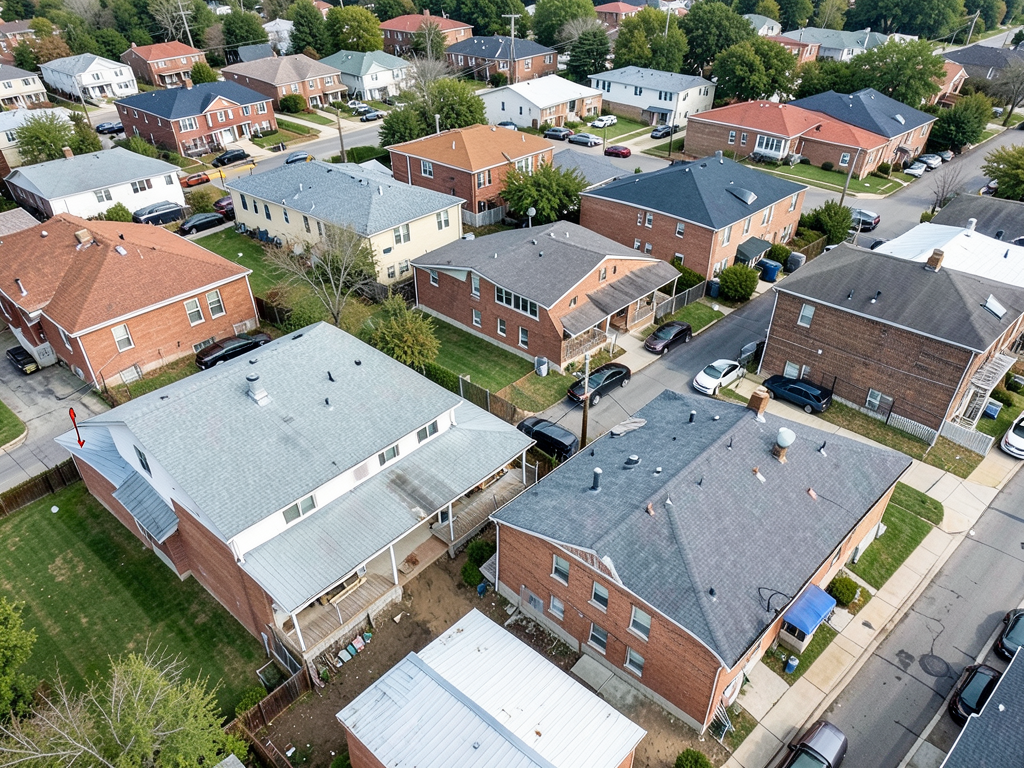
Evergreen Roofing Memphis is strategically located to serve all residential and commercial clients across the entire Memphis metropolitan area and surrounding Mid-South communities. View our central business location on the map to see our service radius, and remember that our dedicated team is always prepared to travel directly to your property to deliver the expert roofing services you need, precisely when you need them.

Address:
Evergreen Roofing Memphis, 333 S Bellevue Blvd, Memphis, TN, 38104

Additional Services We Offer

Our news updates

Latest Articles & News from The Blogs

Emergency Roof Leak Repair in Raleigh TN: Fast Service Without the High Price Tag Roof leaks don’t wait for convenient…

Getting a Fast Roof Leak Patch in Raleigh Without Breaking the Bank

Emergency Roof Leak Repair in Raleigh TN: Fast Service Without the High Price Tag Roof leaks don’t wait for convenient…

Why Your Collierville Home Might Need a Roof Cricket to Stop Water Pooling

Why Your Collierville Home Might Need a Roof Cricket to Stop Water Pooling Water pooling behind your chimney is more…

Checking the Tennessee Contractor License of Your Roofer Before the Work Starts

Checking the Tennessee Contractor License of Your Roofer Before the Work Starts Before you sign a contract with any roofing…

Contact Us

Protect your Memphis facility with a TPO roof system engineered for performance and business continuity. Call (901) 669-7399 to discuss your project requirements and receive a detailed assessment of your current roof condition.